



In the southern state of Tamil Nadu lies a city that feels like a page out of a mythology book. Kanchipuram, known as the "City of a Thousand Temples," is famous worldwide for its heavy, lustrous silk sarees. But tucked away in the rhythmic clatter of its handlooms is another treasure, quieter but no less magnificent: Kanchi Cotton.
While the Kanjeevaram silk saree is the queen of weddings, the Kanchi Cotton saree is the queen of comfort. It is the definition of simple luxury—woven with the finest threads, breathable, and deeply rooted in spirituality. For centuries, this fabric has been the preferred choice for those seeking elegance that survives the scorching Indian heat.
This guide explores the world of Kanchi Cotton, tracing its legendary origins from the weavers of the Gods to the modern wardrobes of fashion lovers.
What is Kanchi Cotton?
Kanchi Cotton is a traditional handloom fabric produced exclusively in Kanchipuram. Unlike the grand silk sarees the region is famous for, these are woven using high-quality pure cotton yarns.
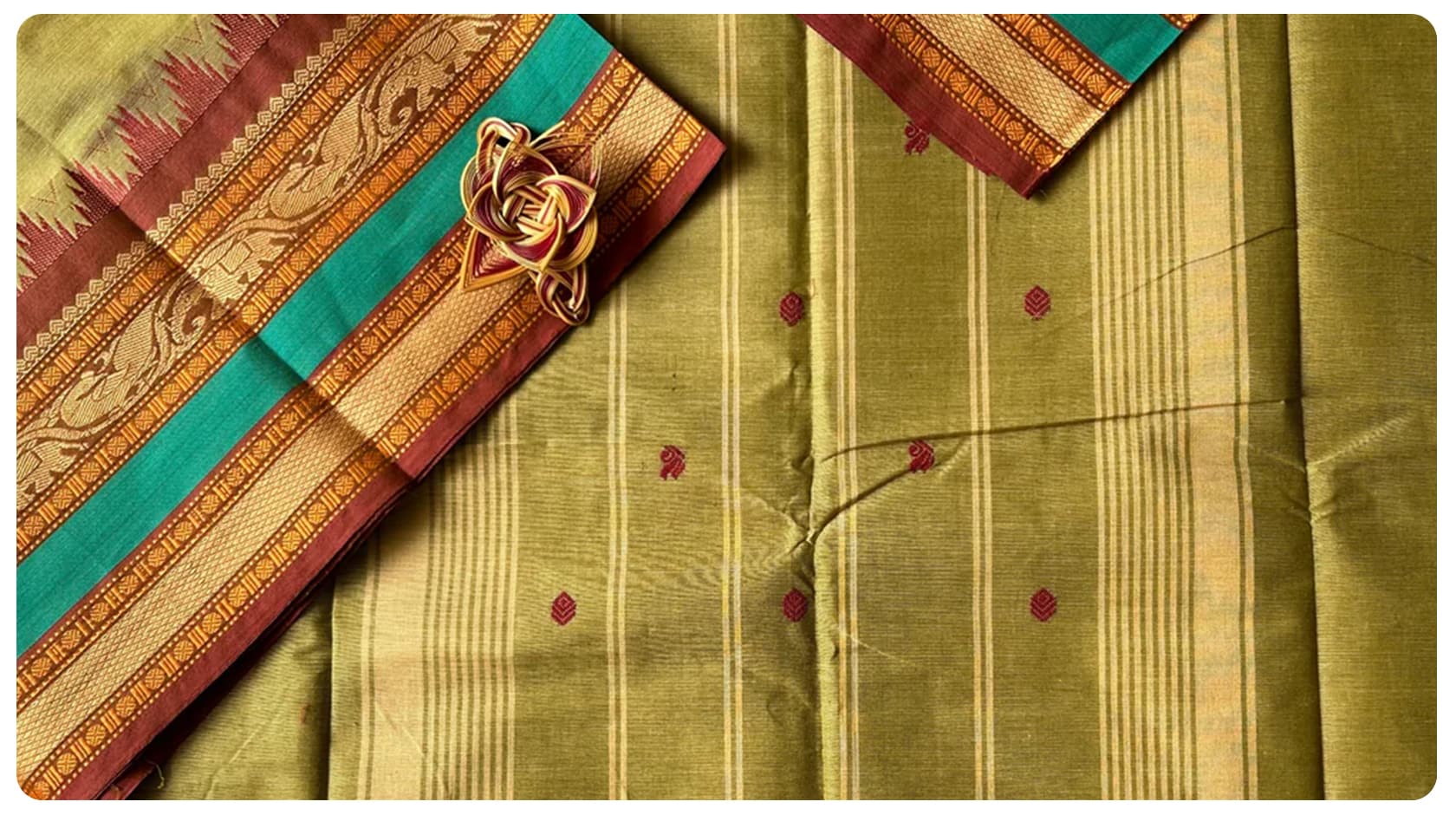
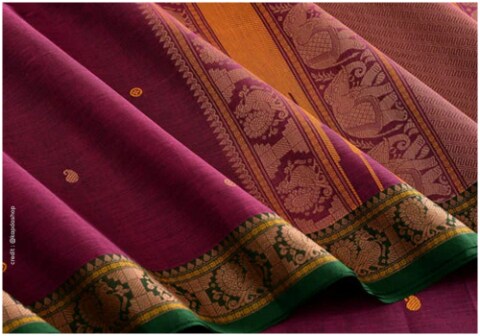
The beauty of Kanchi Cotton lies in its texture. It is closely woven, giving it a sturdy yet soft feel. It retains the dignity and traditional motifs of the silk sarees—temple borders, peacock designs, and checks—but translates them into a lighter, more breathable format. It is often called the "textile unit of the South" because of the sheer skill and history packed into every yard.
Tracing the Origins: A Fabric for the Gods
The history of Kanchi Cotton is inseparable from the history of Kanchipuram itself. While it is hard to put an exact date on it, the tradition goes back at least 400 years, with roots stretching even further into the Chola Dynasty.
According to local legend, the weavers of Kanchipuram are the descendants of Sage Markanda, the master weaver for the Gods. It is believed that Sage Markanda wove tissues from lotus fibers for Lord Shiva himself. This mythological connection gives the fabric a sacred status.
The Kanchipuram weavers believe that their craft is not just a job but a divine duty. Since Kanchipuram is home to powerful deities like Lord Shiva (at the Kailasanathar temple) and Lord Vishnu (at the Varadharaja Perumal temple), the textiles produced here are considered worthy of the Gods. This belief system has ensured that the quality of the weaving has remained impeccable for centuries.
How It Is Made: The Art of the Handloom
The creation of a Kanchi Cotton saree is a testament to human skill and patience. The weavers, who have inherited this trade for generations, use techniques that have changed very little over time.
1. The Yarn
The process begins with sourcing the finest quality cotton. Unlike regular cotton sarees, Kanchi Cotton uses high-count yarn, which ensures the fabric is durable and has a smooth finish.
2. The Weaving
The sarees are typically woven on pit looms or throw shuttle looms. The weaver coordinates the motion of their hands and feet to interlace the warp (vertical threads) and weft (horizontal threads).
- Tightly Woven: One characteristic feature of Kanchi Cotton is its tight weave. This gives the saree a good structure, making it easy to pleat and drape.
- The Border Attachment: Often, the borders are woven separately and attached using a specialized interlocking technique, similar to the Korvai technique used in silk sarees. This allows for solid, contrasting colors in the border that stand out sharply against the body of the saree.
Design Elements: Temples, Nature, and Zari
Design-wise, Kanchi Cotton is often seen as a "cotton version" of the Kanjeevaram silk saree. It borrows heavily from the same cultural vocabulary.
The Temple Border
The most iconic motif is the Temple Border (or Gopuram). These are triangular, serrated designs along the border that mimic the towering gateways of South Indian temples. It connects the wearer directly to the spiritual identity of the city.
Traditional Motifs
The designs are simple yet profound, often inspired by nature and mythology:
- Peacocks (Mayil): A symbol of beauty and royalty.
- Parrots (Kili): Representing love and speech.
- Checks and Stripes: Many traditional Kanchi Cotton sarees feature checks (kattam) or stripes running through the body of the saree.
- Mythological Creatures: The Yali (a lion-like creature) and Annapakshi (mythical swan) are frequently woven into the pallu.
Colors
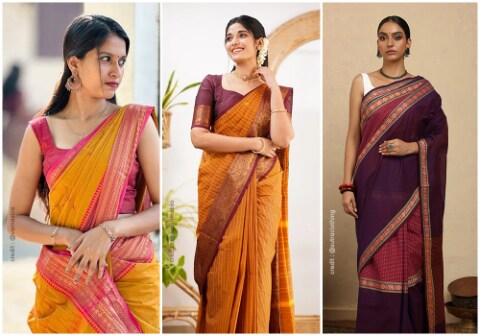
Kanchi Cotton sarees are known for their earthy and distinct color palettes. You will often see mustard yellows, deep greens, maroons, and indigo blues. The border is usually a contrasting color to the body, creating a striking visual impact. While some use thread work for the designs, others incorporate a subtle zari (metallic thread) border to add a touch of festivity.
Significance: The Perfect Summer Companion
In the tropical climate of India, Kanchi Cotton is a savior.
- Cool Comfort: The fabric is incredibly absorbent and breathable. It keeps the wearer cool even in the harshest summers.
- Dignified Daily Wear: While silk is reserved for weddings and grand festivals, Kanchi Cotton is the daily armor of the South Indian woman. It offers the same traditional aesthetic as silk but is practical enough for everyday chores, work, and temple visits.
- Cultural Identity: Wearing Kanchi Cotton is a way of honoring the rich heritage of Tamil Nadu. It is a statement of simplicity and grace.
Kanchi Cotton Today: Global Appreciation
Today, Kanchi Cotton has moved beyond the streets of Kanchipuram and found a place on the global map.
Modern Adaptations
Weavers and designers are collaborating to make the fabric relevant for the modern woman.
- Contemporary Colors: While traditional earth tones remain popular, you can now find Kanchi Cotton in pastel shades, monochromes, and neon accents.
- Versatile Use: The fabric is no longer just for sarees. It is being used to create dupattas, stoles, kurtas, and even home furnishings like cushion covers and table runners.
- Office Wear: With the rise of the "saree at work" movement, Kanchi Cotton has become a favorite for corporate wear. It is crisp, formal, and stays in place all day, making it perfect for long office hours.
A Sustainable Choice
As the world turns towards sustainable fashion, Kanchi Cotton stands out as an eco-friendly option. It is hand-woven, supports a rural economy, and is made from natural biodegradable fibers.
Conclusion
Kanchi Cotton is more than just a piece of cloth; it is a thread that connects the divine past of Kanchipuram to the practical needs of the present. It captures the essence of South Indian culture—deeply spiritual, rooted in tradition, yet effortlessly elegant.
Whether you are looking for a breathable saree for a summer wedding or a crisp outfit for a boardroom meeting, Kanchi Cotton delivers. By choosing this fabric, you are not just making a style statement; you are supporting a lineage of weavers who trace their ancestry to the Gods themselves. It is a textile that feels like a blessing—cool, comfortable, and timeless.

