



In the diverse world of traditional South Asian attire, few garments offer the same blend of elegance, comfort, and versatility as the Churidar. This unique style of Indian trousers is instantly recognizable by its slim silhouette and the characteristic gathered folds at the ankle. It is a timeless piece that has graced both royal courts and everyday life for centuries, pairing beautifully with everything from simple tunics to elaborate sherwanis.
This blog post will explore the graceful world of the Churidar. We will look at its history, understand what makes its design so special, and see why this staple of ethnic fashion remains a favorite for both casual comfort and festive celebrations. Prepare to discover the enduring charm of this classic garment.
What is a Churidar?
A Churidar is a type of form-fitting trouser worn by both men and women across South Asia. The name itself gives a clue to its most defining feature. "Churi" is the Hindi word for bangles, and "dar" means to have or to hold. The name refers to the stack of "bangles" or folds that form at the ankle due to the trouser's extra length.
Unlike a straight-cut pant, a Churidar is designed to be longer than the leg it covers. When worn, this excess fabric gathers and creates soft, bangle-like rings around the ankle. This unique detail, combined with a snug fit through the leg, creates a sleek and graceful silhouette that highlights the wearer's natural contours.
The Unique Design and Fit
The magic of the Churidar lies in its specific cut. It is a masterpiece of tailoring that is both comfortable and flattering.
A Fit That Follows Your Form
A Churidar is typically loose and comfortable around the hips and thighs, allowing for ease of movement. From the knee down, however, it tapers to a snug fit, clinging to the calf and ankle. This combination of a relaxed top and a fitted bottom is what makes it so versatile. It provides the comfort of a pajama while offering the elegant, clean lines of a tailored pant.
The Signature Ankle Gathers
The most distinctive feature is, of course, the gathers at the ankle. To achieve this look, the trouser is cut much longer than the leg, sometimes by an extra foot or more. The fabric is also cut on the bias (diagonally across the grain), which gives it a natural stretch. This allows the narrow leg opening to be pulled over the foot while ensuring the trouser fits snugly without being restrictive. Once on, the extra fabric cannot go past the ankle, so it naturally settles into a series of delicate folds.
A Journey Through History
The Churidar has been a part of the Indian subcontinent's sartorial landscape for centuries. Its origins are often traced back to the Mughal era, a period known for its opulent and refined fashion. Paintings and historical records from that time show both men and women of the nobility wearing these tight-fitting trousers, often paired with long, flowing tunics and jackets.
Its form is thought to have been influenced by the close-fitting pants worn by horse riders in Central Asia. The snug fit was practical, preventing the fabric from getting caught while riding. In India, this practical design was transformed into a symbol of aristocratic grace and elegance. The style has endured through the centuries, moving from royal courts to become a beloved staple in mainstream ethnic fashion.
Versatility in Pairing
One of the main reasons for the Churidar's lasting popularity is its incredible versatility. It serves as the perfect foundation for a wide range of upper garments, making it suitable for nearly any occasion.
With a Kurta or Kameez
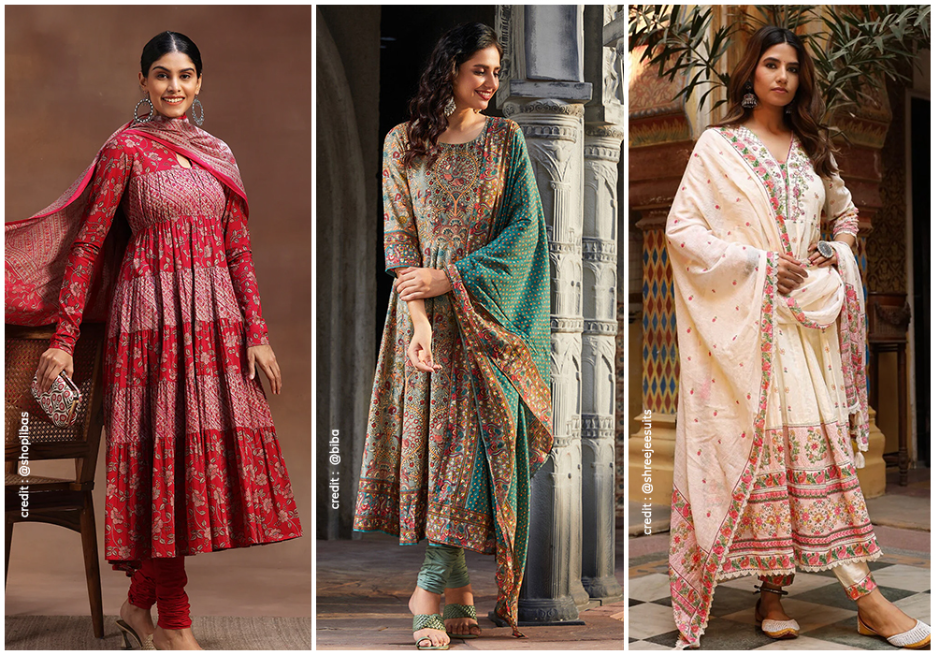
The most classic pairing is with a Kurta or Kameez (a long tunic). The slim fit of the Churidar provides a beautiful contrast to the often flowing or straight-cut silhouette of the tunic. This combination creates a balanced and elegant look that is perfect for everything from daily office wear to festive gatherings.
With a Kurti
For a more casual or contemporary look, Churidars are often paired with a Kurti, which is a shorter, hip-length tunic. This style is popular for everyday wear, offering comfort without sacrificing style.
With a Sherwani or Anarkali
For grand occasions like weddings and formal events, Churidars are the traditional choice to wear under a men's Sherwani (a long, coat-like garment) or a women's Anarkali suit (a frock-style top). The slim trousers balance the volume and grandeur of these elaborate outfits, ensuring the overall look is regal and well-proportioned.
A Fabric for Every Season and Reason
Churidars are made from a wide variety of fabrics, making them adaptable to different climates, occasions, and personal preferences.
- Cotton: For everyday comfort, cotton is the go-to fabric. It is breathable, soft, and easy to maintain, making cotton Churidars a staple for daily and casual wear.
- Lycra Blends: To enhance comfort and fit, many modern Churidars are made from cotton or silk blended with Lycra. The added stretch ensures a perfect, body-hugging fit while allowing for maximum flexibility.
- Georgette and Crepe: These lightweight, flowing fabrics are also used to make Churidars, often for pairing with dressier Anarkalis or tunics. They offer a beautiful drape and a soft feel.
The Enduring Appeal of the Churidar
In a world of ever-changing fashion trends, the Churidar has remained a constant. Its timeless design combines comfort, elegance, and cultural richness in a way that few other garments can. It is a piece of traditional South Asian attire that has successfully navigated the past and has a firm place in the present.
The Churidar is more than just a pair of Indian trousers; it is a symbol of grace and tradition. Its ability to adapt to different styles, fabrics, and occasions is a testament to its brilliant design. Whether you are dressing for a casual day out or a grand celebration, the elegant silhouette of the Churidar offers a touch of classic style that never fades.

