In the state of Odisha, this technique is not just a craft; it is a tradition deeply connected to the rituals of the revered Lord Jagannath. Known locally as Ch
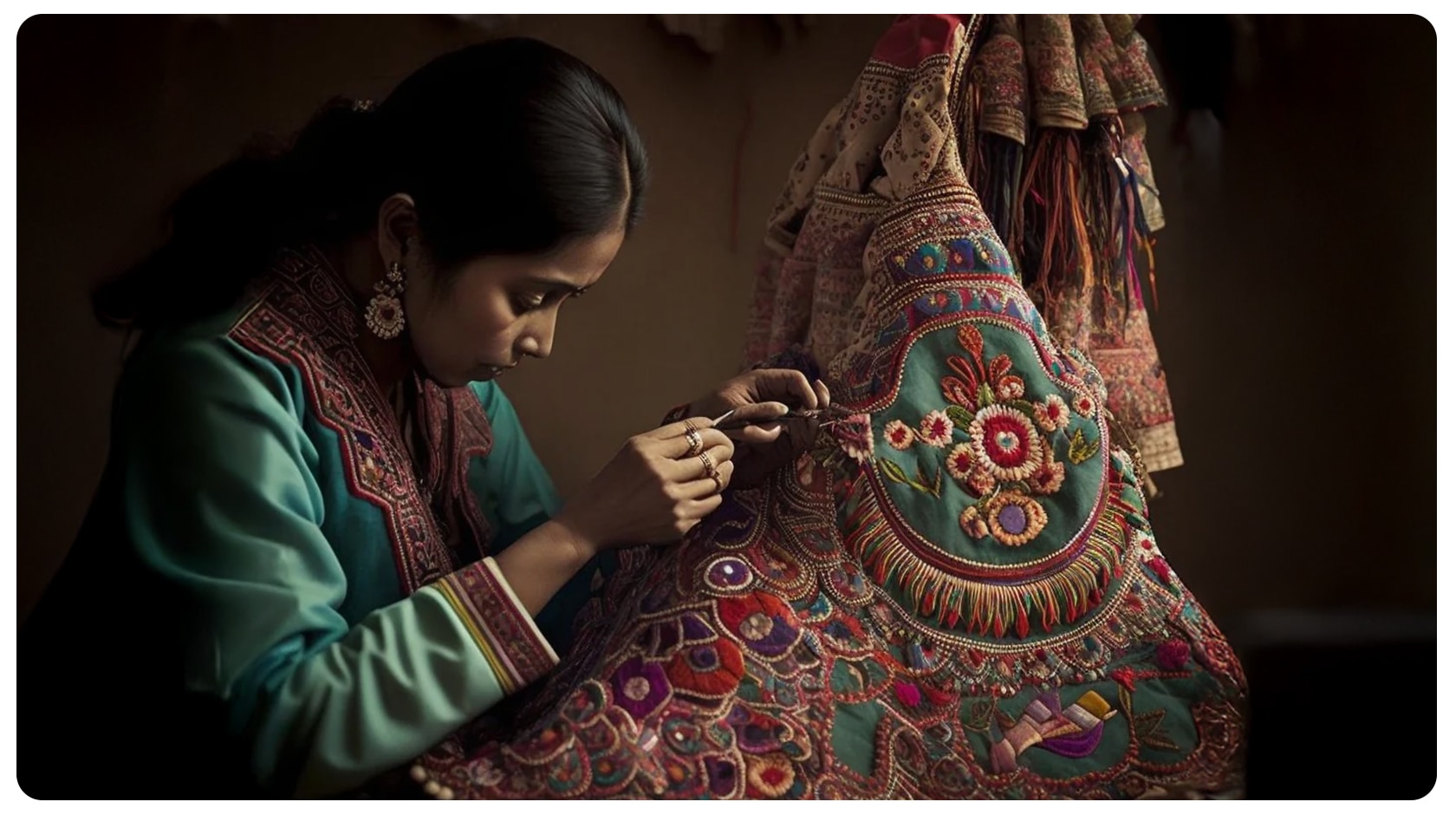
You have probably seen applique work many times without even realizing it. It might have been on a colorful bib from your childhood, a beautiful pattern on your grandmother's saree, or a decorative cushion cover. Applique is the art of stitching smaller pieces of fabric onto a larger one to create a picture or pattern. It is a simple concept that has given rise to one of the most visually stunning textile arts in India.
In the state of Odisha, this technique is not just a craft; it is a tradition deeply connected to the rituals of the revered Lord Jagannath. Known locally as Chandua, applique work from the village of Pipli has decorated temple chariots, canopies, and ceremonial umbrellas for centuries. This guide will explore the rich history of applique, from its humble beginnings as a mending technique to its celebrated status as a vibrant art form.
What is Applique Work?
Applique is a sewing technique where pieces of fabric are cut into various shapes and sewn onto a larger piece of fabric to form a design. The word "applique" comes from the French verb appliquer, which means "to put on" or "to apply." It is essentially creating a mosaic with fabric.
The beauty of applique lies in its versatility. It can create bold, graphic designs with sharp outlines, making it different from embroidery, which uses threads to create patterns. In Odisha, applique work is famous for its bright colors, contrasting shapes, and its ability to tell stories from mythology and folklore.
Tracing Its History: The Art of Pipli Village
While applique techniques have been practiced across the world for centuries, the style from Odisha has a unique and sacred history. The story of Odishan applique begins in a small village called Pipli, located in the Puri district, and dates back to the 12th century.
The craft has a fascinating origin story. It is believed to have started not as an art form, but as a practical solution to a common problem: torn clothes. In times of scarcity, people would patch up ripped garments with small pieces of available cloth. Over time, creative individuals started arranging these patches into deliberate patterns, transforming a simple mending technique into a decorative art.
This humble craft reached its peak of excellence when it was noticed and appreciated by the kings and royalty of the region.
A Sacred Duty: The artisans of Pipli were entrusted with a very important job: decorating the chariots for the annual Rath Yatra (chariot festival) of Lord Jagannath in Puri.
Temple Decor: They also created canopies, large ceremonial umbrellas (chhatris), and fans (trasas) used in temple rituals. This close association with the temple made applique work a sacred and highly respected craft.
Soon, applique, or Pipli Art as it came to be known, became the primary source of income for the artisan community in the state.
How It Is Made: The Two Main Techniques
The process of creating applique work is straightforward but requires a keen eye for design and a steady hand. Traditionally, there are two main ways to do it.
1. The Conventional Method (Direct Applique)
This is the most common technique.
First, the artisan cuts out small pieces of fabric into the desired shapes like flowers, animals, or geometric patterns.
These cut-outs are then placed on a larger base fabric.
The edges of the cut-outs are carefully turned under and stitched down onto the base fabric. This creates a clean, raised design.
2. The Reverse Applique Method
This technique is a bit more complex and creates a different visual effect.
The artisan layers two or more pieces of fabric on top of each other.
A design is then drawn on the top layer.
The artisan carefully cuts away the shape from the top layer of fabric, revealing the color of the fabric underneath. The edges are then stitched down.
Commonly used fabrics for applique include cotton, velvet, and suede. The base fabric is often a contrasting color to make the applique design stand out.
Design Elements and Symbolism
The designs in traditional Pipli applique are a vibrant reflection of Odisha's rich culture, mythology, and natural environment.
Mythological Motifs: The face of Lord Jagannath, with his large, round eyes, is a very common and sacred motif. Scenes from folklore and other deities are also depicted.
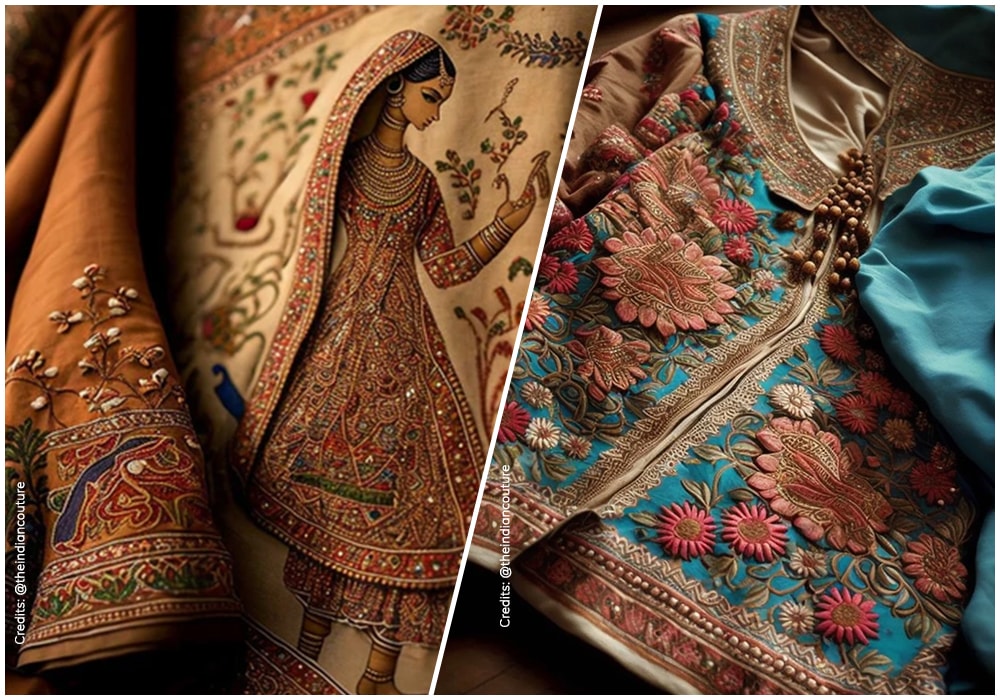
Nature-Inspired Designs: Artisans draw inspiration from the world around them. Motifs of peacocks, elephants, parrots, flowers (especially the lotus), and trees are very popular.
Embellishments: To add more depth and sparkle to the work, artisans often incorporate embellishments like mirror work and intricate embroidery along the edges of the applique pieces.
The final product is a rich tapestry of color, texture, and storytelling.
Applique Work Today: From Temples to Modern Homes
While the historical use of applique was mainly for religious and ceremonial objects, the craft has evolved to meet the demands of modern times. To keep the art form alive and relevant, artisans have adapted their skills to create a wide range of products.
Today, you can find vibrant Pipli applique work on:
Home Decor: Garden umbrellas, lampshades, wall hangings, cushion covers, and bedspreads are extremely popular.
Fashion: The technique is used to create stunning designs on sarees, blouses, dresses, and kurtas.
Accessories: You can find quirky and colorful applique work on handbags, pouches, and even jewelry.
Though the use of traditional applique has seen a decline in some areas, it remains one of India's most cherished handicraft forms. It stands in beautiful contrast to the world of fast fashion, offering something unique, handmade, and filled with cultural significance.
Conclusion
Applique work is a perfect example of how something born from necessity can transform into a beautiful and enduring art form. From patching a simple tear in a cloth to decorating the grand chariots of gods, the journey of Odishan applique is a story of human creativity and devotion.
When you bring a piece of Pipli art into your home, you are not just buying a decorative item. You are acquiring a piece of a centuries-old tradition, supporting an entire community of artisans, and keeping a vibrant cultural legacy alive. It is an art form that proves that with a needle, thread, and a few scraps of cloth, you can create something truly magical.
Aza Staff is a team of writers, creators, and industry insiders who live and breathe fashion. We explore the craft, culture, and creativity behind India’s luxury design scene, bringing you stories that are equal parts stylish and soulful.