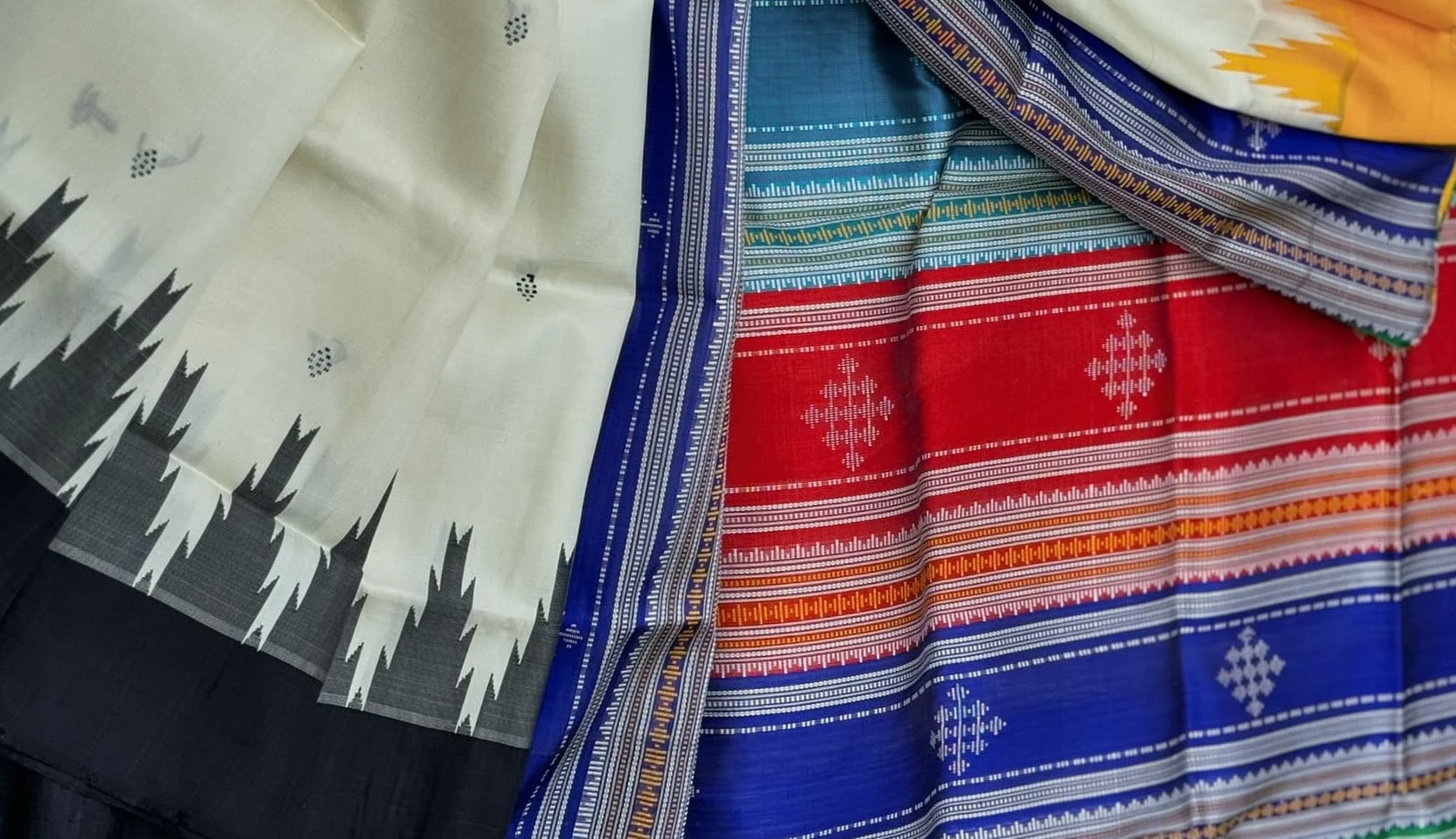
In the breathtaking valleys of Kashmir, an art form as delicate as the landscape itself has been perfected over centuries. This is
Sozni embroidery, a type of intricate needlework so fine it looks like a painting made with thread. It is a craft that turns luxurious Pashmina shawls and other textiles into wearable masterpieces.
The word "Sozni" comes from "sozan," which is the Persian word for "needle." Locally, this art is known as
Sozan Kaari (needlework). It is a process that demands immense patience, precision, and skill, with artisans spending months, or even years, on a single piece. The work is done entirely by hand, with no machine involvement, making each creation a unique testament to human artistry.
This guide will delve into the rich history of Sozni embroidery, explore the painstaking process behind it, and understand why this ancient craft continues to be treasured in the modern world.
The Journey from Persia to Kashmir: A Sufi Legacy
The story of Sozni embroidery is a beautiful chapter in the cultural history of Kashmir. Its origins are traced back to the 14th century and are linked to the arrival of the great Sufi saint and scholar,
Mir Syed Ali Hamdani, also known as Shah Hamdan.
When Shah Hamdan traveled from Persia (modern-day Iran) to Kashmir to preach Islam, he did not come alone. He brought with him around 700 skilled artisans and craftsmen. Among them were the first
sozan-kaars, or Sozni embroiderers. These artisans introduced their craft to the valley, where it found a perfect home.
Legend has it that when Shah Hamdan saw the incredibly soft wool of the local Pashmina goats, he was inspired. He instructed his craftsmen to adorn this exquisite fabric with their delicate needlework. The combination of the luxurious Pashmina base and the intricate Sozni embroidery created a product of unparalleled beauty and value. This fusion marked a new dawn for Kashmir's textile legacy, one that continues to shine brightly today.
The Art of the Needle: How Sozni is Made
Creating a Sozni-embroidered textile is a slow, meditative process that involves several stages and specialized artisans. It is a true labor of love.
1. Drawing the Design (Naqashi)
Everything begins with the design. A professional pattern drawer, known as a
Naqash, first creates the design on tracing paper. These artists are masters of their craft, drawing intricate patterns of paisleys, florals, and other motifs with a steady hand.
2. Transferring the Pattern (Chhapayi)
Once the design is finalized, it must be transferred onto the fabric. A wooden block is carved with the tracing. This block is then dipped in a special ink—often made from charcoal powder mixed with a liquid—and stamped onto the fabric. This provides a clear outline for the embroiderer to follow.
3. The Embroidery (Sozan Kaari)
This is the most time-consuming part of the process. The embroiderer sits with the fabric, painstakingly filling in the stamped design with needle and thread.
The Artisans: Traditionally, each piece is worked on by a single artisan from start to finish. It is believed that the tension and style of one artisan's stitch cannot be perfectly replicated by another.
The Stitches: The primary stitch used is the satin stitch, which creates a smooth, flat surface. Other stitches like the chain stitch and herringbone stitch are also used to add texture and detail.
The Thread: The threads used for embroidery are typically fine silk or high-quality wool. These materials complement the rich texture of the base fabric, which is most often Pashmina.
A simple Sozni shawl might take a few months to complete, but a heavily embroidered piece like a
Jamawar can take several years.
4. Dorukha: The Two-Sided Marvel
One of the most fascinating features of high-quality Sozni work is that it is often
Dorukha, meaning "two-sided" in Persian. A master artisan creates the embroidery with such precision that the design on the reverse side is an identical replica of the front. There are no loose threads or knots, making the textile perfectly reversible. This is the ultimate mark of a skilled
sozan-kaar.
Design Elements and Variations
The motifs used in Sozni embroidery are deeply inspired by the natural beauty of the Kashmir Valley. They are timeless and have remained largely unchanged for centuries.
Common Motifs:
Paisley (Ambi): The iconic mango-shaped motif, a staple of Kashmiri design.
Almond (Badum): Another popular and classic pattern.
Chinar Leaf: The leaf of the majestic Chinar tree, which is a symbol of Kashmir.
Florals: Intricate patterns of lotuses, tulips, and saffron flowers.
Birds: Motifs of kingfishers, woodpeckers, and parrots, which are native to the valley.
Shikargah: Elaborate scenes depicting hunting, often featuring animals and horse-riders.
Types of Sozni Embellishment:
Based on the density and placement of the embroidery, Sozni shawls are categorized into different types:
Jamawar: This is the most opulent style, where the embroidery is so dense and heavy that the base fabric is barely visible. It is a true collector's item.
Jaaldar: In this style, the embroidery is spread across the entire fabric like a net or lattice (
jaal), but it is less dense than a Jamawar, allowing the base fabric to be seen.
Butidaar: This features small, individual motifs or 'butis' (like flowers or birds) scattered across the body of the shawl.
Palladar: This design concentrates the embroidery only on the
pallas, or the two ends of the shawl, leaving the central body plain.
Sozni Embroidery in the Modern World
For centuries, Sozni embroidery was primarily used to decorate Pashmina shawls for royalty and the elite. Today, while it still holds its place as a luxury craft, its applications have expanded.
A Symbol of Timeless Elegance
A Sozni-embroidered Pashmina shawl remains a prized possession. It is a classic accessory that adds a touch of sophistication to any outfit, whether traditional or contemporary. It is often seen as an heirloom piece, passed down through generations.
Modern Applications
In addition to shawls, Sozni embroidery is now being used to adorn a variety of modern garments and accessories, including:
Kaftans and tunics
Kurtas and
sarees
Cardigans and jackets
Stoles and scarves
Designers are collaborating with artisans to create contemporary pieces that showcase this traditional craft to a global audience. This helps in providing a sustainable livelihood to the artisan communities and ensures the craft's survival.
Conclusion
Sozni embroidery is more than just needlework; it is a form of artistic expression that carries the soul of Kashmir. Every stitch tells a story of Sufi saints, Mughal emperors, and generations of artisans who have dedicated their lives to perfecting their craft. The slow, deliberate process stands in beautiful contrast to the fast-paced world of modern fashion, reminding us of the value of patience and human skill.
When you hold a piece of Sozni embroidery, you are holding a piece of history. You are touching a legacy of unparalleled craftsmanship that continues to bring beauty and elegance to the world, one stitch at a time.
-
Aza Staff is a team of writers, creators, and industry insiders who live and breathe fashion. We explore the craft, culture, and creativity behind India’s luxury design scene, bringing you stories that are equal parts stylish and soulful.
View all posts