
Fashion has officially turned around. For years, the front of an outfit did all the talking: plunging necklines, sculpted bustiers, collarbone-grazing diamonds, chokers stacked just so. But now, the most interesting view in the room might be the one you catch as someone walks away. Back necklaces are having their main character moment, and they are bringing a very specific kind of glamour with them: quiet from the front, cinematic from behind.
Think bare backs traced with diamond strands. Deep-back blouses finished with pearl drops. Draped gowns interrupted by a single lariat chain. Sculpted couture looks made softer, sexier, and far more memorable with jewellery that lives where you least expect it.
The back necklace trend is not just another styling trick. It is a mood shift. It says the full look matters. The entrance matters, yes. But the exit? That is where the drama lives.
The Back Is the New Front Row
Backless silhouettes have been everywhere: on red carpets, in bridal ateliers, on couture runways, and across the moodboards of every stylist with a taste for controlled drama. Deep-back blouses, sari drapes, halter gowns, corset bodices, and sculpted eveningwear have created a fresh canvas for jewellery.
And unlike a regular necklace, back jewellery does not fight for attention. It appears like a surprise. A glimmer at the nape. A pendant resting between the shoulder blades. A chain moving softly with the body. It is intimate, almost secretive, but still impossible to ignore.
That contrast is exactly why it feels so modern. In an era of hyper-visible fashion, the back necklace offers a more elegant kind of reveal. It does not scream. It turns around slowly and lets the room catch up.
The Celebrity Jewellery Trend Taking Over the Red Carpet
The red carpet has been giving us proof, one dazzling back view at a time.

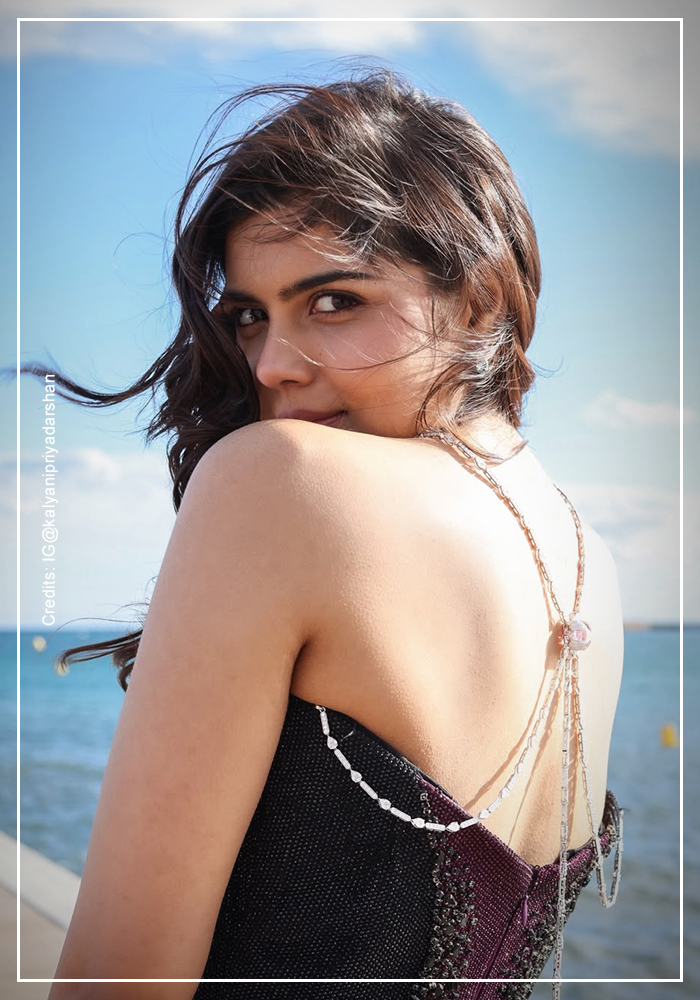
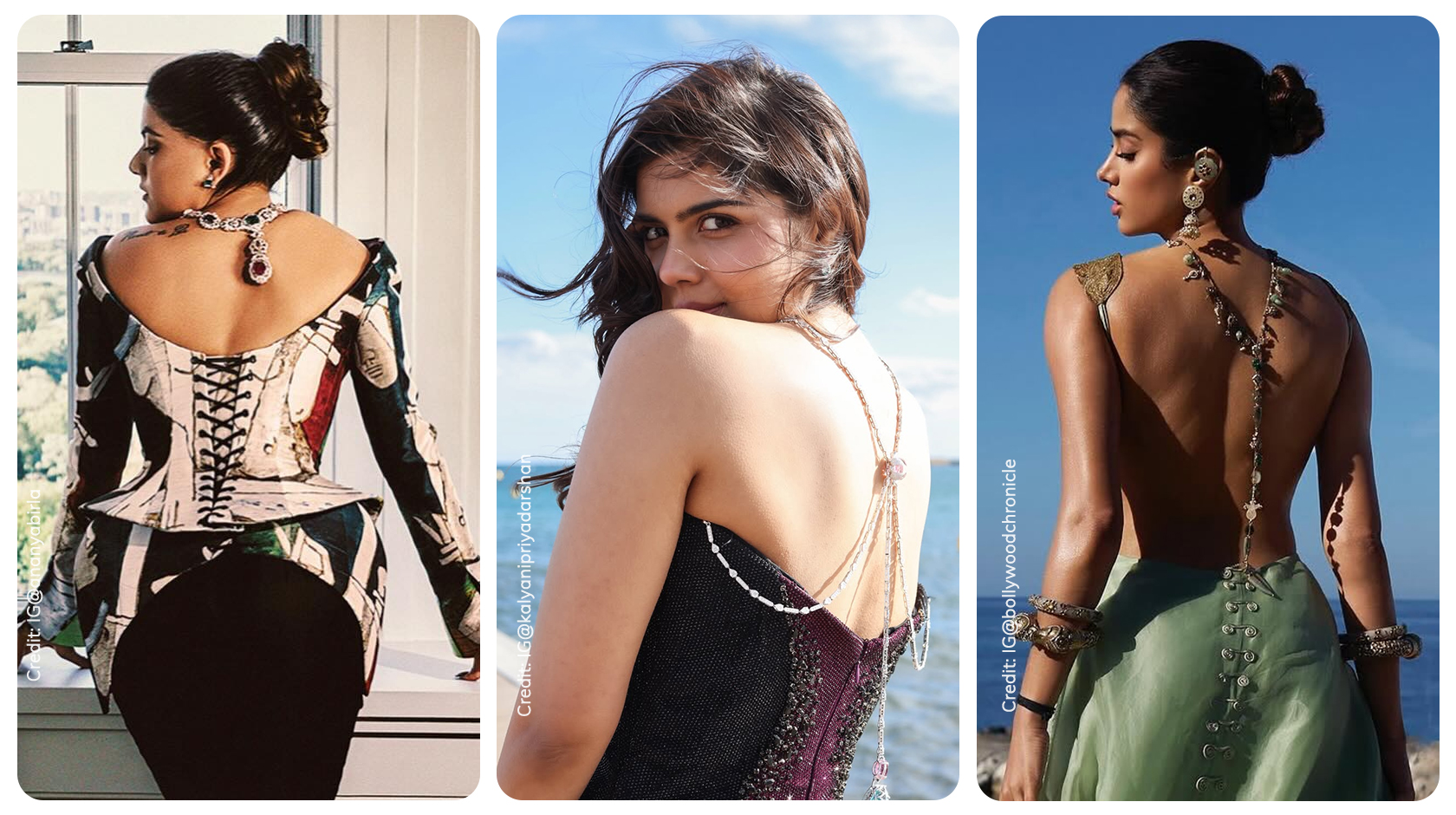
At Cannes 2026, Kalyani Priyadarshan delivered an elegant back necklace styling moment that felt both polished and personal. Her look tapped into the kind of glamour Cannes does best: refined, luminous, and designed for those over-the-shoulder photographs that fashion editors quietly obsess over.
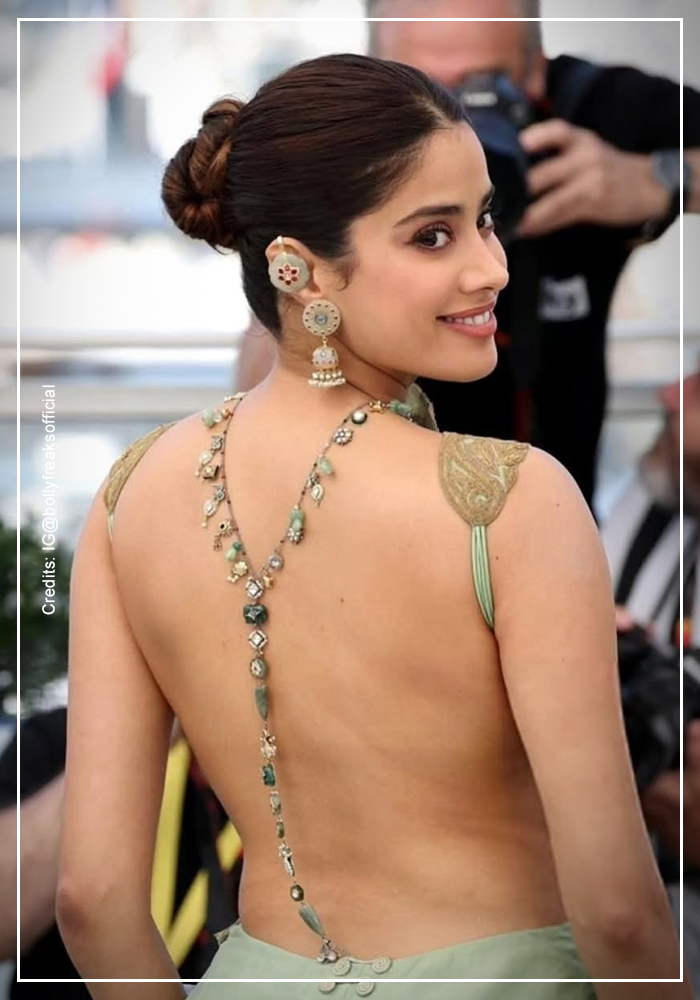
Jahnvi Kapoor’s Cannes 2025 look featuring back jewellery also helped push the trend into the spotlight. It felt soft yet intentional, a reminder that jewellery does not always need to frame the face to create impact. Sometimes the most unforgettable detail is the one revealed when the camera follows the line of the gown.
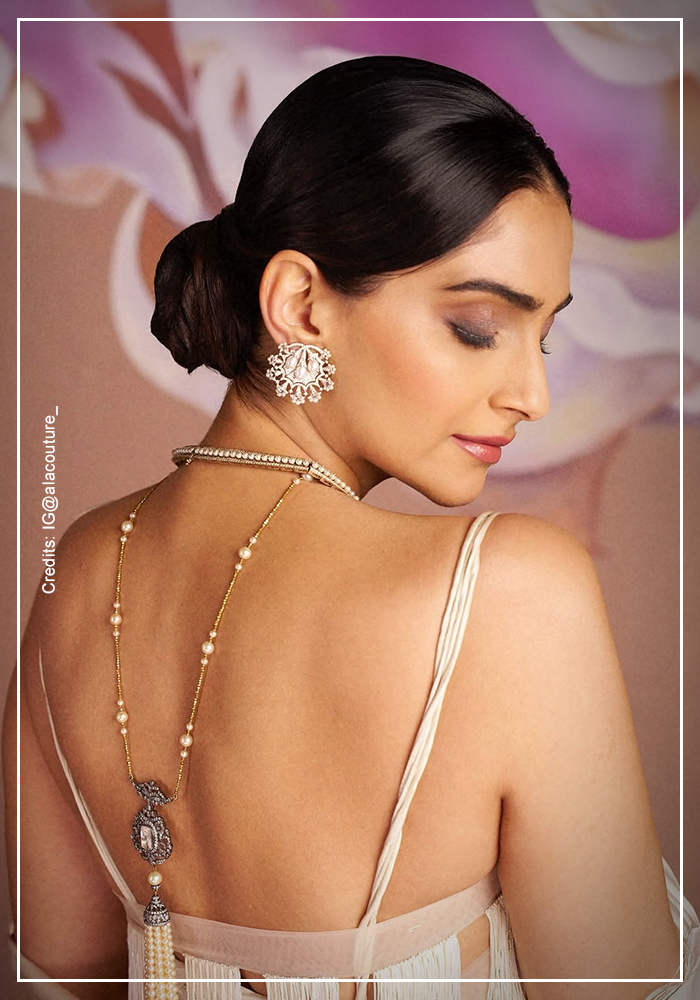
Then there was Sonam Kapoor, forever fluent in fashion language, embracing the trend at an award show by wearing an Amrapali Jewels necklace backwards. The styling had everything: a gold chain, a statement pendant, and pearl tassels that cascaded down the back with old-world charm. It was classic Sonam — referential, thoughtful, and just a little theatrical.
And at the Met Gala 2026, Ananya Birla wore a back necklace in a way that made the accessory feel fully global. It was not just an Indianwear-adjacent detail or a niche bridal flourish. It was red carpet power dressing, reimagined from the back.
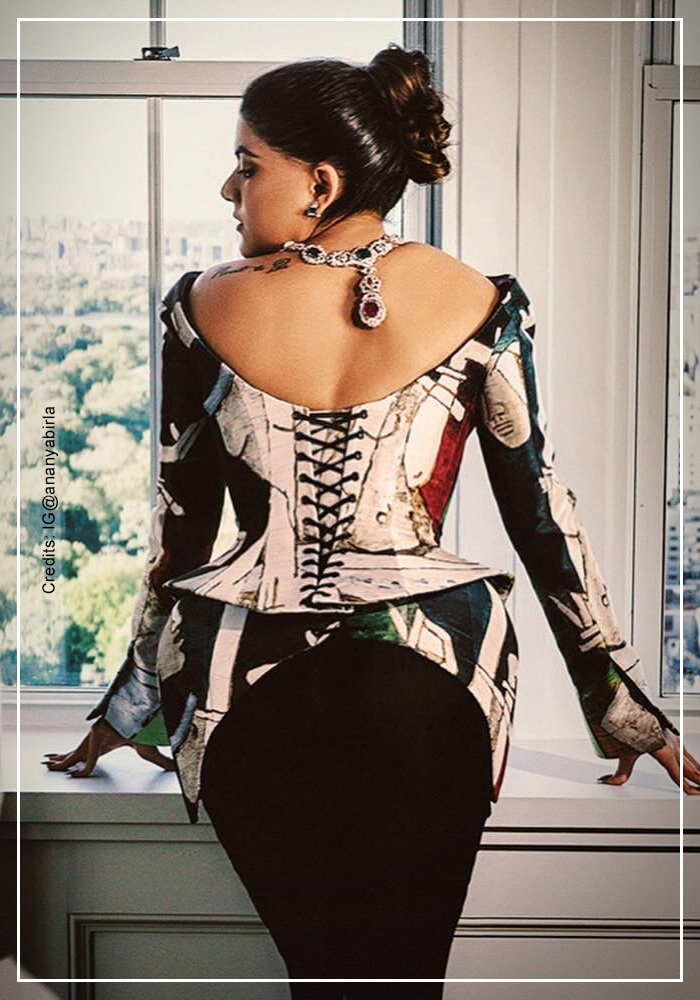
Together, these moments confirm what fashion insiders have been hinting at for a while: back necklaces are becoming the new red carpet power accessory.
Why Back Necklaces Feel Relevant Again
The return of back jewellery makes perfect sense right now. Fashion has been moving toward cleaner silhouettes, softer structure, and more skin-conscious styling. Instead of over-accessorizing, stylists are choosing one strong detail and letting it carry the look.
A back necklace does exactly that.
It adds drama to minimal silhouettes without making them feel heavy. A simple black gown becomes sensual with a diamond lariat trailing down the spine. A plain silk sari blouse feels couture-level with a kundan pendant resting at the back. A white column dress turns into a paparazzi moment with a fine gold chain and pearl drop.
There is also something deeply nostalgic about it. Back necklaces call to mind old Hollywood glamour — actresses in liquid satin gowns, bare backs, soft waves, and diamonds catching the flashbulbs. But the modern version is less precious. It is styled with wet-look hair, sheer textiles, sculptural blouses, body chains, polki details, and fashion-forward cuts.
It is vintage romance with a 2026 attitude.
The Rise of Exit Dressing
“Exit dressing” is the fashion concept we should all be paying more attention to. It is the idea that a look should be compelling from every angle, not just in the mirror selfie or the front-facing red carpet shot.
The back necklace is practically made for this.
It rewards movement. It loves a slow turn. It makes the act of walking away feel styled, deliberate, and slightly cinematic. In a world where every look is captured from multiple angles — red carpet cameras, event reels, fan videos, elevator selfies — the back view has become prime fashion real estate.
Stylists know this. That is why backless outfit styling has become more layered and intentional. A low-back dress is no longer just left bare. A deep-back blouse is no longer only about the cut. The empty space becomes a place to add texture, light, and personality.
A pearl tassel says romantic.
A diamond strand says expensive.
A body chain says cool girl after dark.
A kundan pendant says heritage, but make it current.
A polki lariat says bridal, editorial, and main character all at once.
Why Back Jewellery Works So Well With Indian Fashion
Indian fashion has always understood the power of the back. The deep-back blouse is not new. Neither is the doris-tied choli, the sensual sari drape, the lehenga blouse with a sculpted cut, or the blouse-back moment framed by embroidery.
What feels new is how back necklaces are being used to finish these looks with a sharper fashion lens.
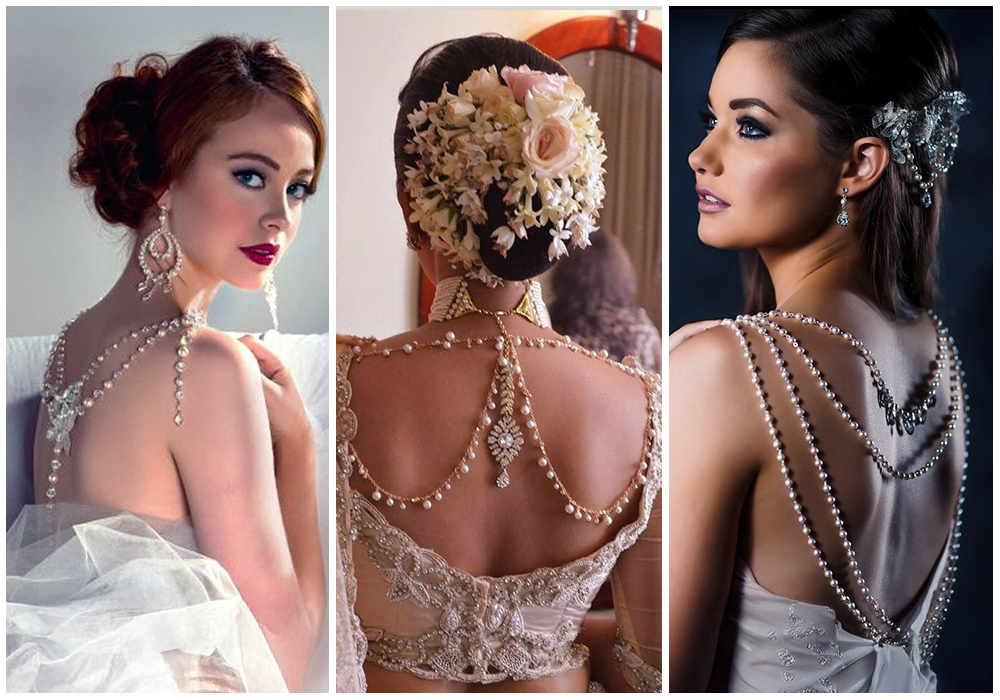
With sarees, a back necklace can trace the open back of a blouse while peeking through the drape. With lehengas, it can add movement to a structured corset blouse. With bridal looks, it can turn the space between the dupatta and blouse into a jewellery moment. With contemporary Indianwear, it adds that perfect fusion note: heritage craft, modern placement.
This is why the trend feels especially natural in an Indian context. We already love ornamentation, but we also love storytelling. Back jewellery gives both. It can be sensual without being loud, traditional without feeling dated, and luxurious without overloading the outfit.

How Stylists Are Making Simple Looks Feel Major
The best thing about back necklaces is their ability to transform a simple outfit into a styled look.
A plain gown becomes editorial.
A minimal blouse becomes festive.
A slip dress becomes red carpet-ready.
A bridal blouse becomes heirloom-worthy.
Stylists are using back necklaces almost like punctuation. Not the whole sentence, but the exclamation point at the end. They work especially well when the front of the outfit is clean: a high neckline, a halter cut, a simple sari drape, or a sleek column dress. The restraint at the front makes the reveal at the back feel even stronger.
This is the new balance in luxury styling. The look does not need to be covered in jewellery. It just needs one smart, unforgettable detail.
The New Glamour Is in the Turnaround
The back necklace trend feels exciting because it changes how we think about dressing. It asks us to consider the whole silhouette, not just the obvious view. It brings drama to the unexpected place. It makes jewellery feel less like an add-on and more like part of the architecture of the look.
From Kalyani Priyadarshan at Cannes 2026 to Jahnvi Kapoor’s Cannes 2025 back jewellery moment, from Sonam Kapoor’s backwards Amrapali Jewels necklace to Ananya Birla at the Met Gala 2026, the message is clear: the back is no longer an afterthought.
It is the moment.
And honestly, if your outfit looks just as good when you leave the room as it did when you entered, that is not just styling. That is power.