
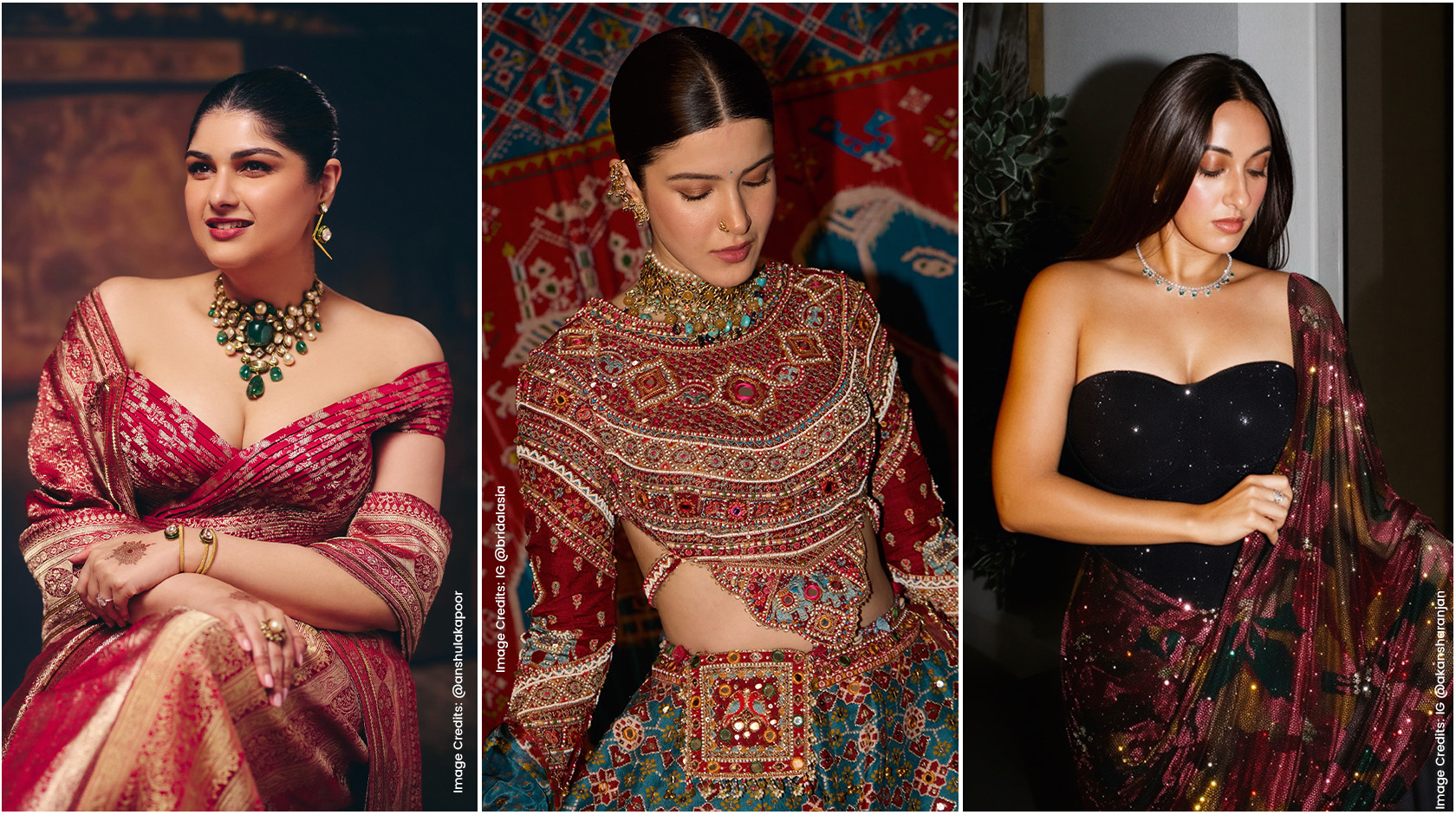
A blouse is not just fabric stitched to a saree or lehenga. It is engineering. Every neckline, every sleeve, every seam is a decision, and the right decision can turn a silhouette from "nice outfit" to "how does she look like that."
Most of us shop by trend. We should be shopping by structure. Necklines widen or narrow the shoulder line. Sleeves add or subtract volume exactly where needed. Waistlines exist to be found, not hidden. Once you understand what your body shape is asking for, blouse shopping stops being trial and error and starts being strategy.
Here's the breakdown, shape by shape.
Pear Body: Balance From the Top Down
The pear silhouette carries width at the hip and a narrower upper body. The design goal here is simple; build the shoulder line out so the eye travels evenly across the frame instead of settling at the hip.
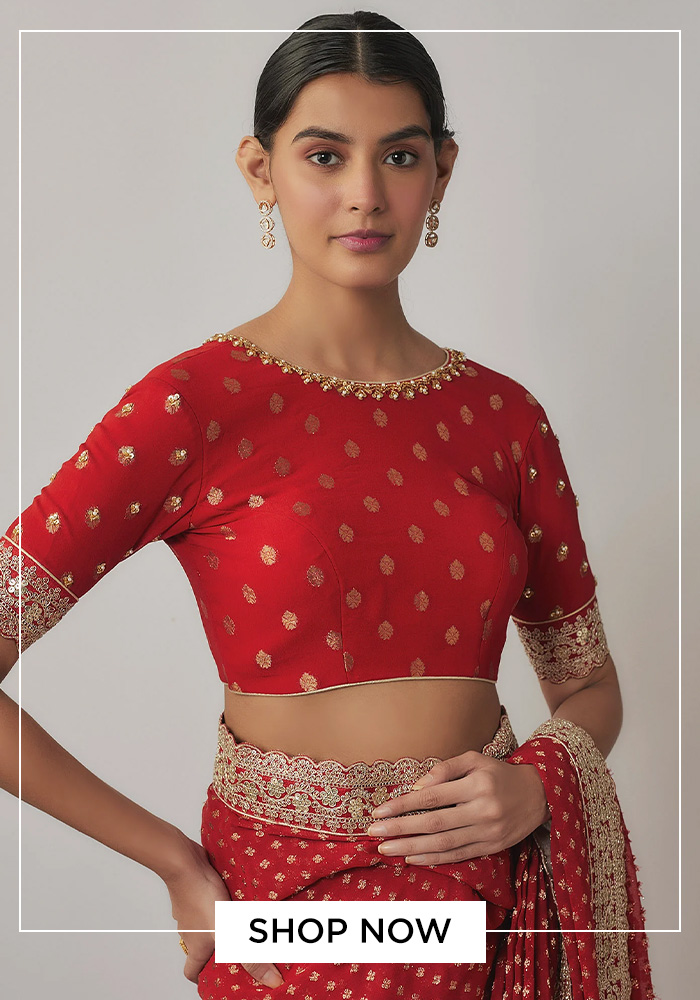
Boat Neck
A boat neck runs wide and horizontal across the collarbone. That horizontal line does the heavy lifting, it visually extends the shoulders, which balances a fuller hip without adding a single extra layer of fabric. It's optical engineering, not illusion.
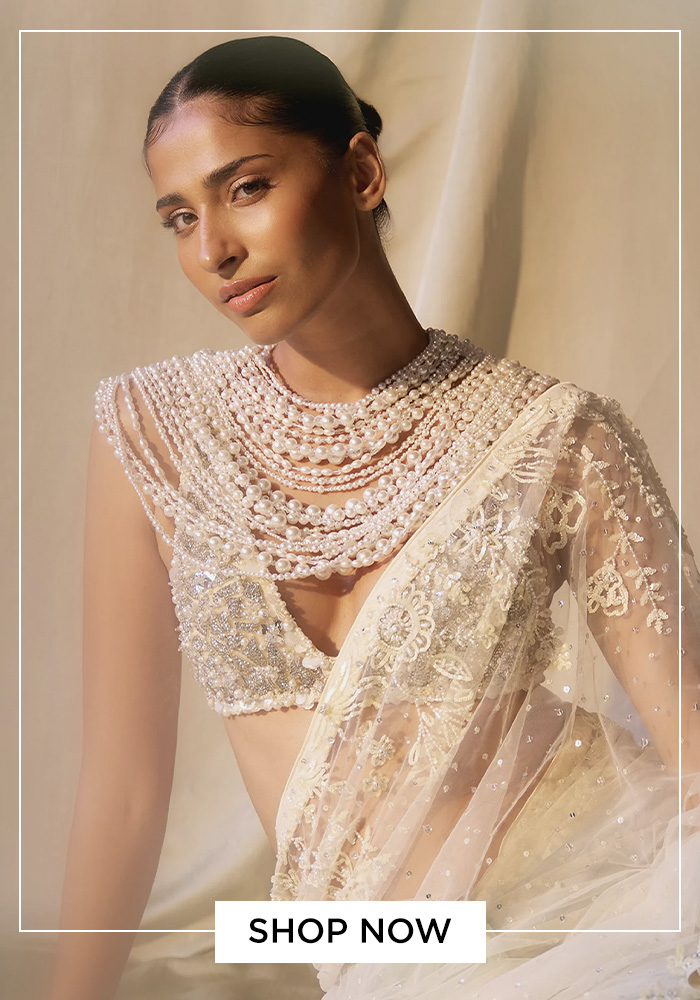
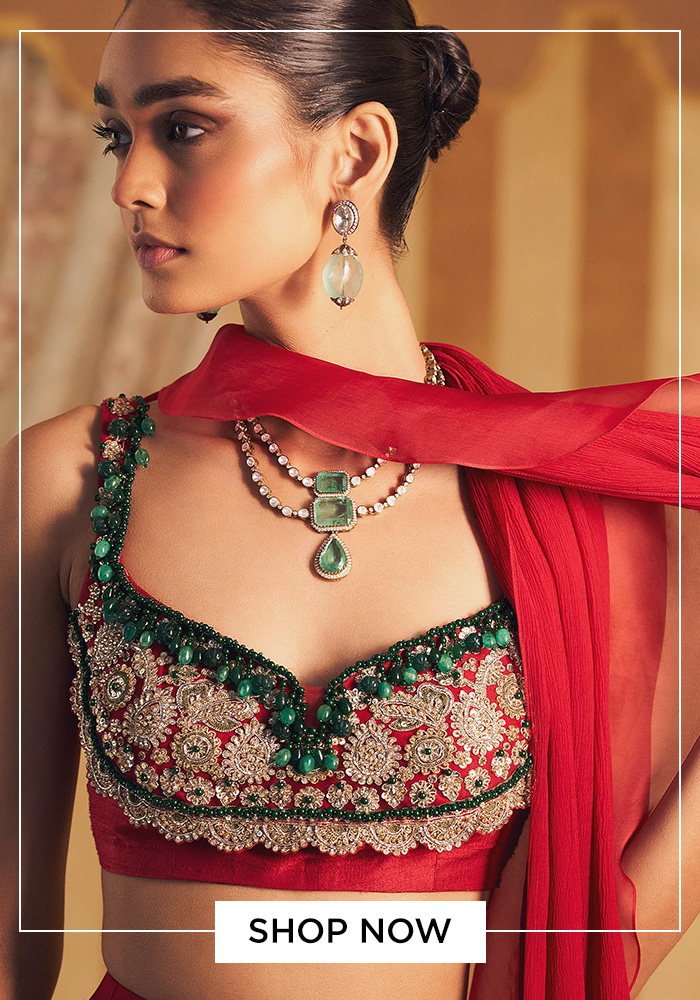
Embellished Shoulders
Embellishment at the shoulder acts like punctuation, it stops the eye right at the top of the frame. Beading, embroidery, or structured detailing here draws attention upward and outward, widening the upper body's visual footprint.
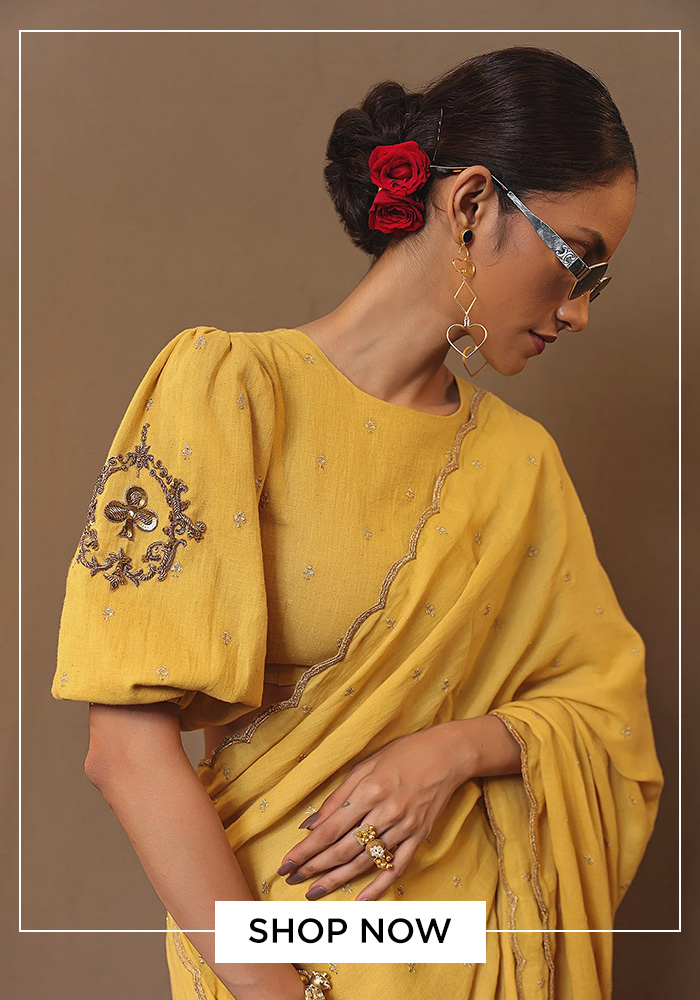
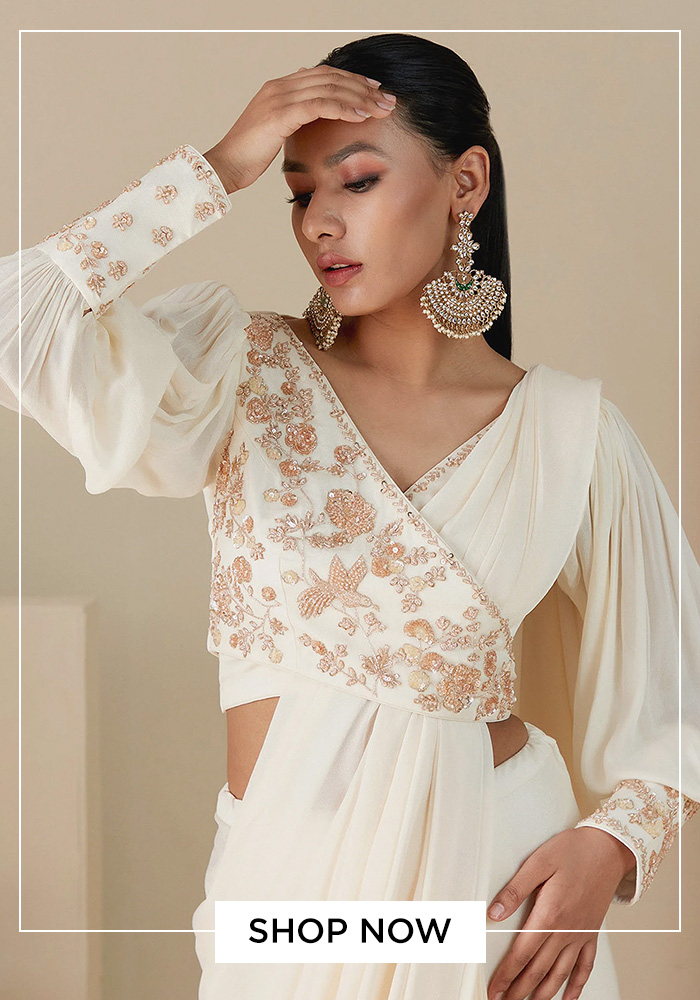
Puff Sleeves
Volume at the sleeve does the same job as a boat neck, just with texture instead of a line. A puff sleeve adds width to the upper arm and shoulder, creating proportion between the top and bottom halves of the body. Think of it as the fabric equivalent of shoulder pads, minus the eighties.

Hourglass Body: Let Your Natural Curves Take Center Stage
The hourglass shape already has balanced shoulders and hip with a defined waist. The only real design brief is: don't hide it.
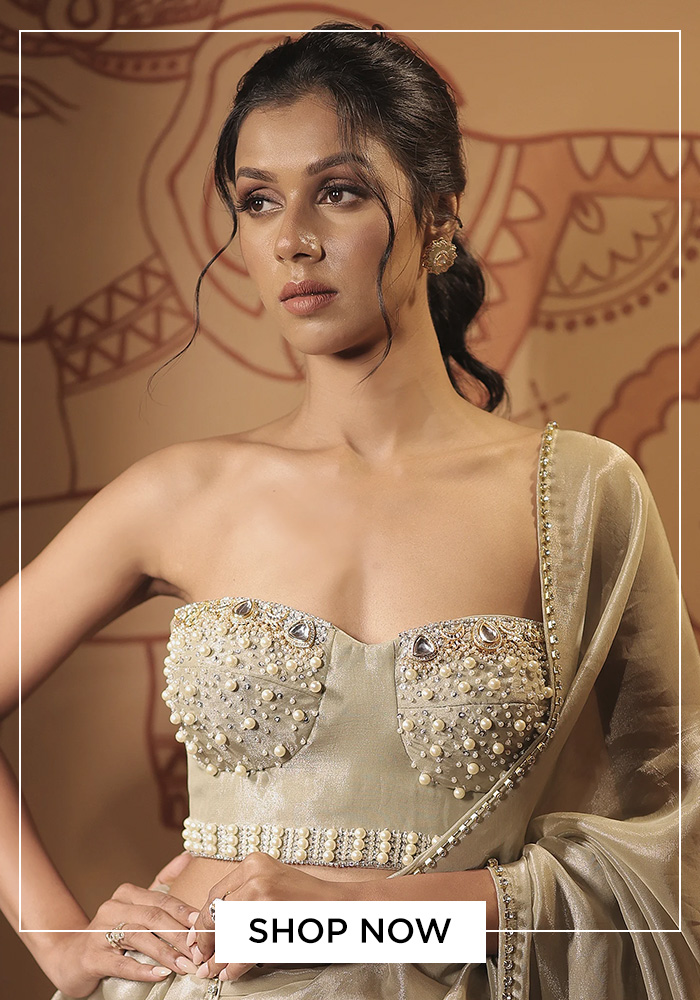
Fitted Corset Blouse
A corset silhouette is built to follow the body's existing curve rather than fight it. It nips in exactly where the waist naturally narrows, so the blouse works with the shape instead of imposing one. This is the one body type where "fitted" is a compliment to the design, not a risk.
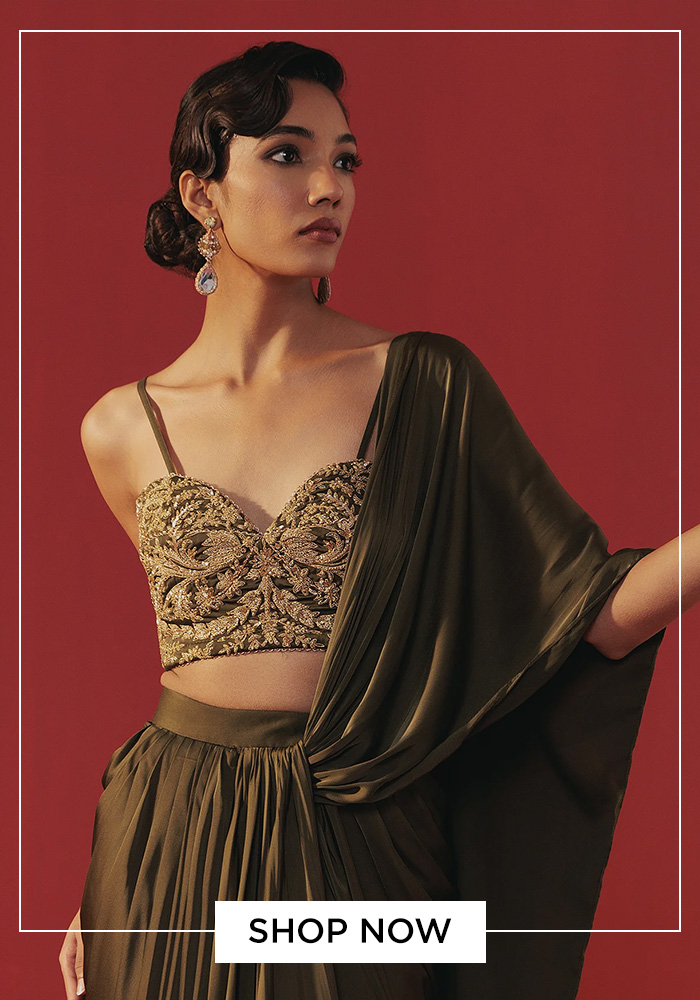
Sweetheart Neckline
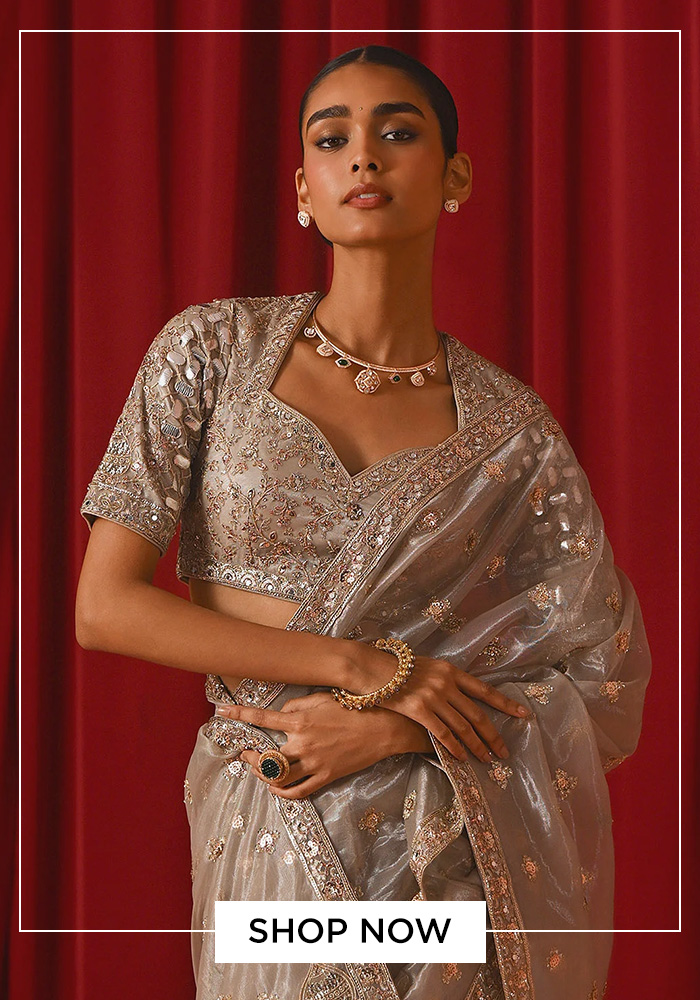
The sweetheart's curved dip mirrors the curve of the waist below it — two matching lines, top and bottom, that echo each other and reinforce the hourglass shape's natural symmetry.
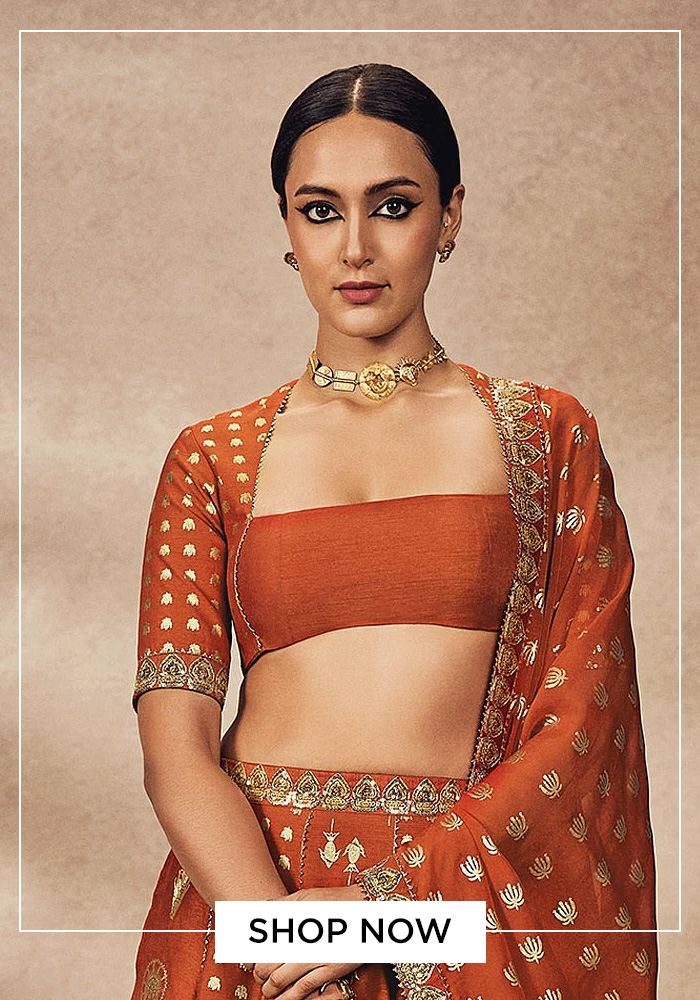
Square Neck
A square neckline adds a strong geometric line up top, which contrasts beautifully against the soft curve of a fitted waist. The straight edges frame the collarbone while the fitted body does the rest of the talking.
Apple Body: Define, Don't Disguise
The apple shape carries fullness through the midsection with a less defined waist. The trick isn't to hide the middle, it's to create a waistline the eye can find on its own.
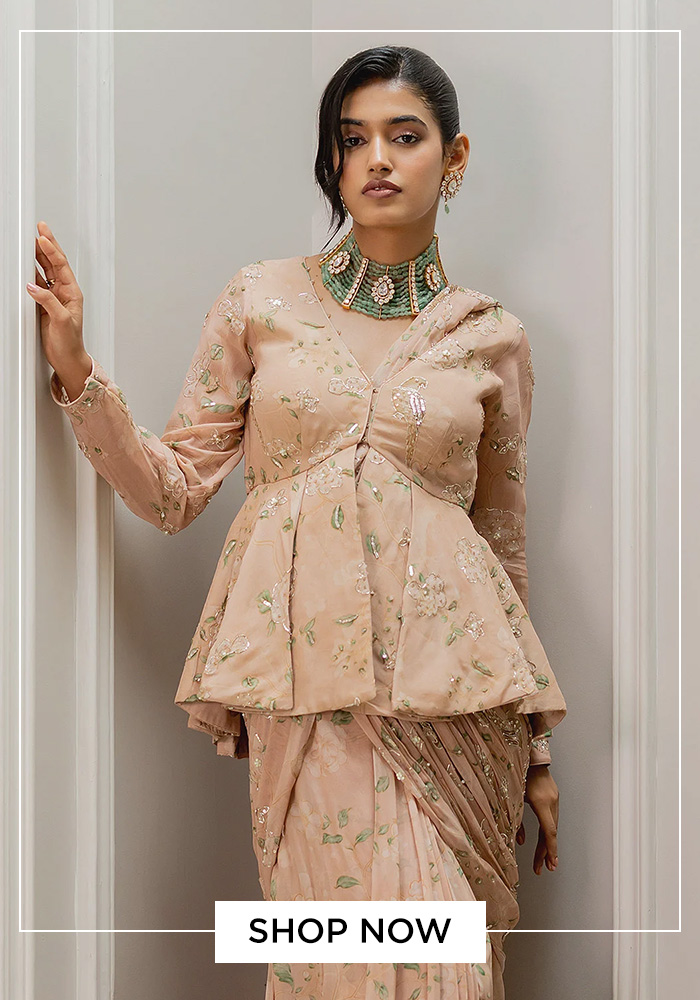
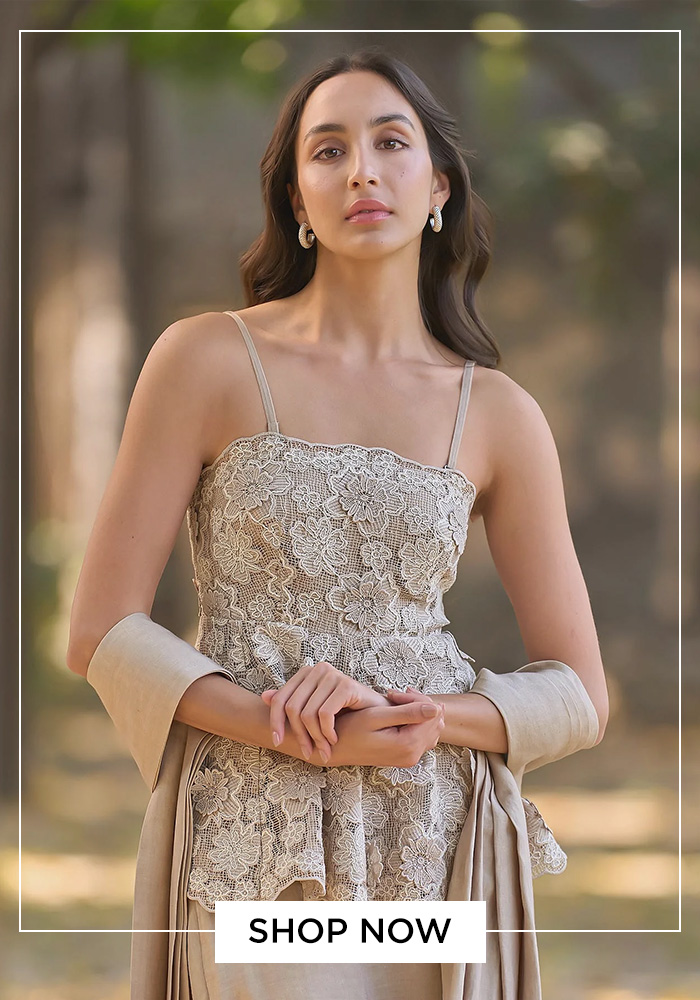
Peplum Blouse
A peplum flares out just below the natural waist, creating a defined break between torso and hip. That flare does double duty: it nips in at the smallest point of the waist and skims, rather than clings, over the midsection. It's structure, not camouflage.
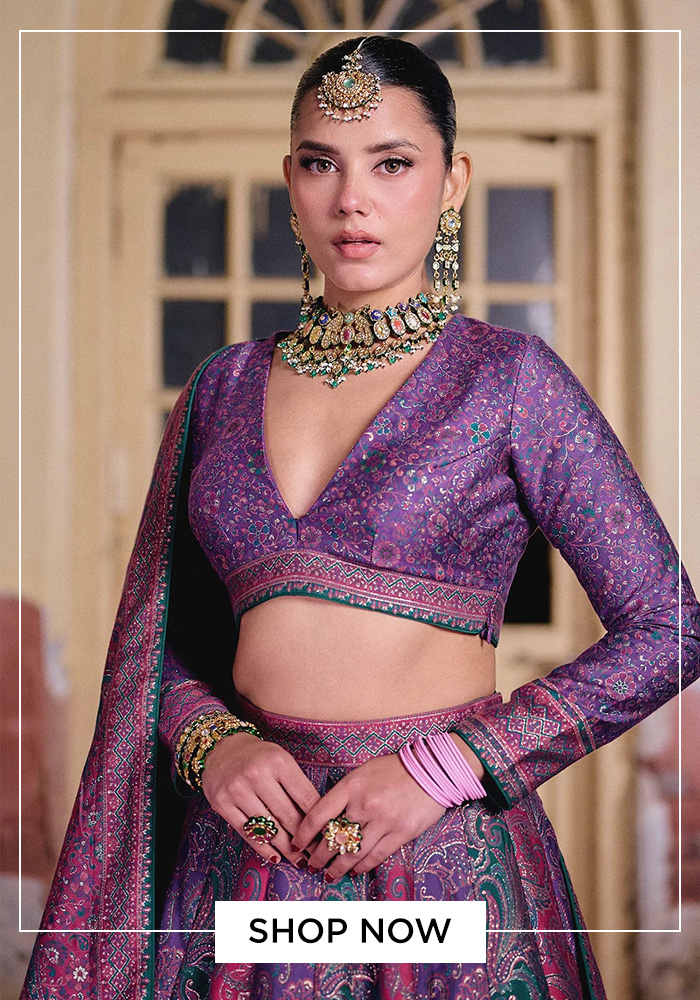
V-Neck
A V-neck elongates the neckline vertically, which stretches the entire upper body visually. That elongation pulls focus away from horizontal width and toward vertical length, making the whole frame read taller and leaner.
Wrap Blouse
A wrap silhouette uses diagonal draping across the torso, and diagonals are the most flattering lines in fashion, they create movement and definition without a single dart or seam doing the obvious work. The wrap essentially sketches a waistline into existence.
Rectangle Body: Create the Curve
The rectangle shape has a fairly straight line from shoulder to hip, with minimal waist definition. Here, the blouse's job is to invent a waistline where the body doesn't naturally offer one.
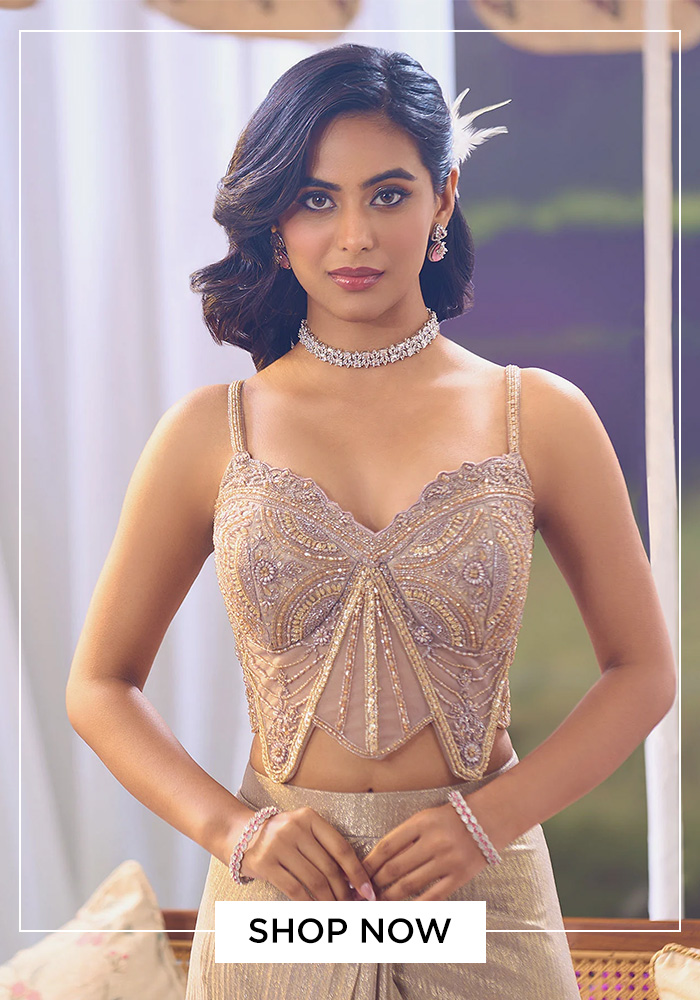
Corset Blouse
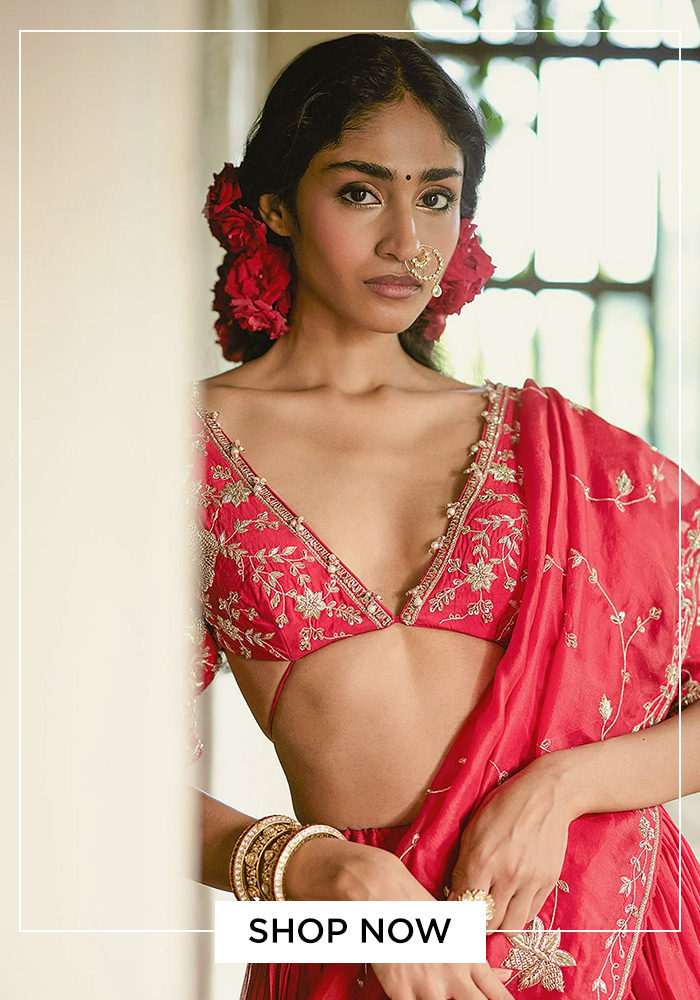
Same principle as the hourglass, opposite intent. On a rectangle frame, a corset silhouette doesn't just follow a curve — it builds one, cinching the middle to introduce shape where the torso runs straight.
Turtle Neck
A turtleneck brings structure and height to the upper body, drawing the eye upward and adding a strong vertical anchor. Paired with definition lower down, it creates a top-and-bottom frame that breaks up an otherwise straight line.
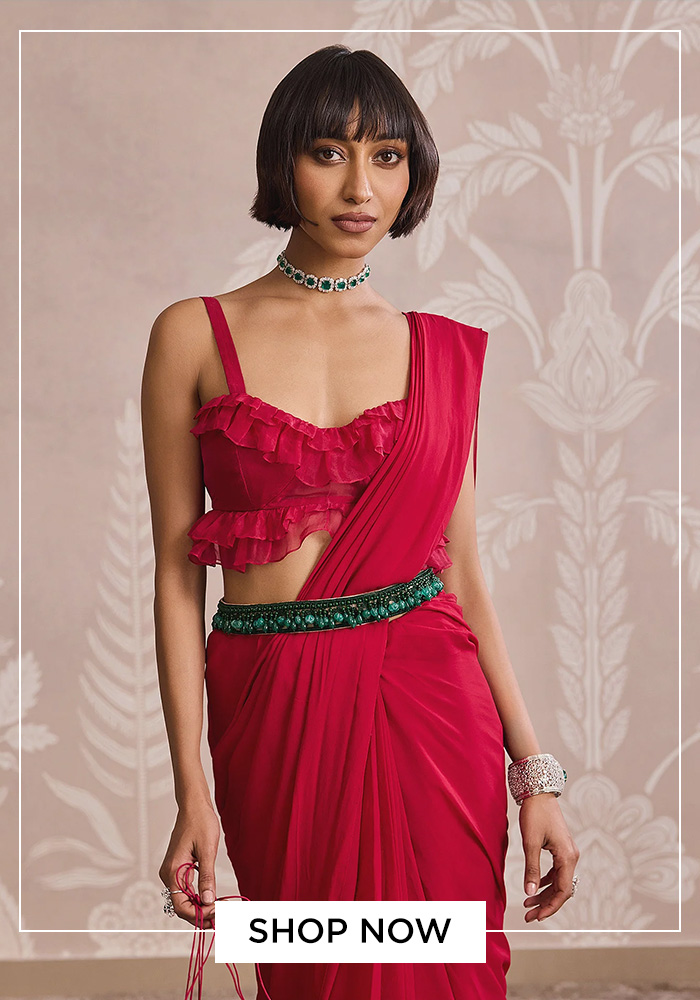
Ruffle Detailing
Ruffles add dimension and movement exactly where they're placed. Positioned at the waist or hip, they introduce visual volume and asymmetry, softening the straight vertical line and giving the body more curve than it started with.
Oval Body: Sculpt the Midpoint
The oval shape carries fullness through the center with a softer waist definition. The brief here is to sculpt a waistline and keep the eye moving vertically rather than settling at the middle.
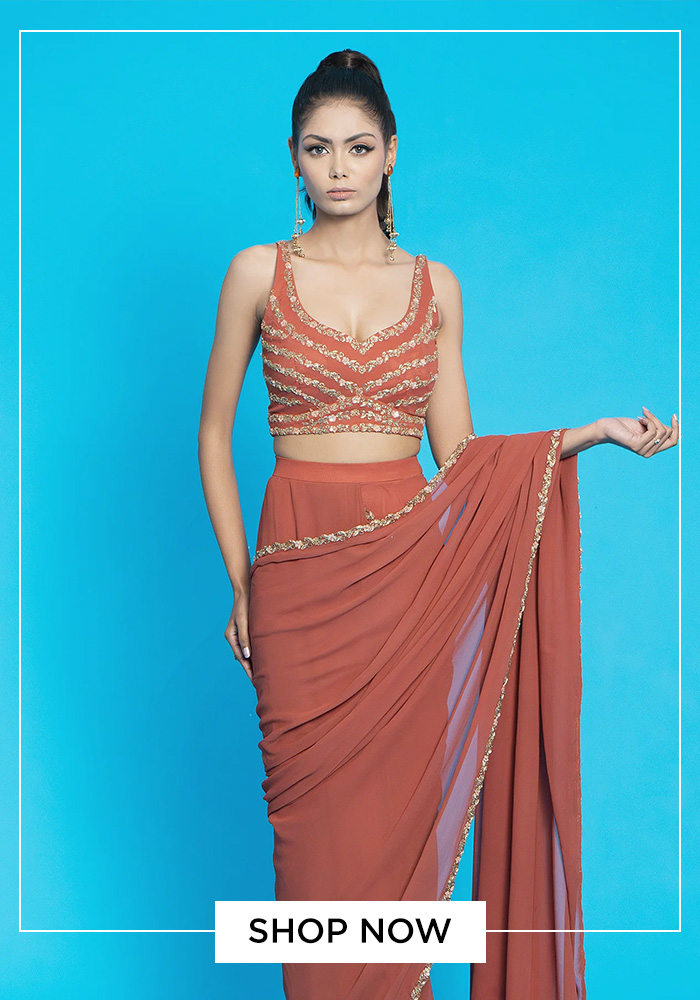
V-Neck
As with the apple shape, a V-neck stretches the upper body vertically. On an oval frame, that vertical pull is especially useful — it lengthens the torso and offsets the fuller midsection.
Empire Waist
An empire waistline sits just below the bust, above the fullest part of the midsection. By placing the "waist" higher than its natural position, the design skips over the midsection entirely, letting fabric fall loosely from a higher, narrower point.
Sweetheart Neckline
The sweetheart's curved line draws the eye to the collarbone and upper chest first. That upward focus, paired with the neckline's natural framing, keeps attention on the face and shoulders before it travels anywhere else.
Inverted Triangle: Soften the Shoulder Line
This shape carries width at the shoulder and bust with a narrower hip. The design goal flips entirely — necklines and sleeves should now work to narrow the top rather than widen it.
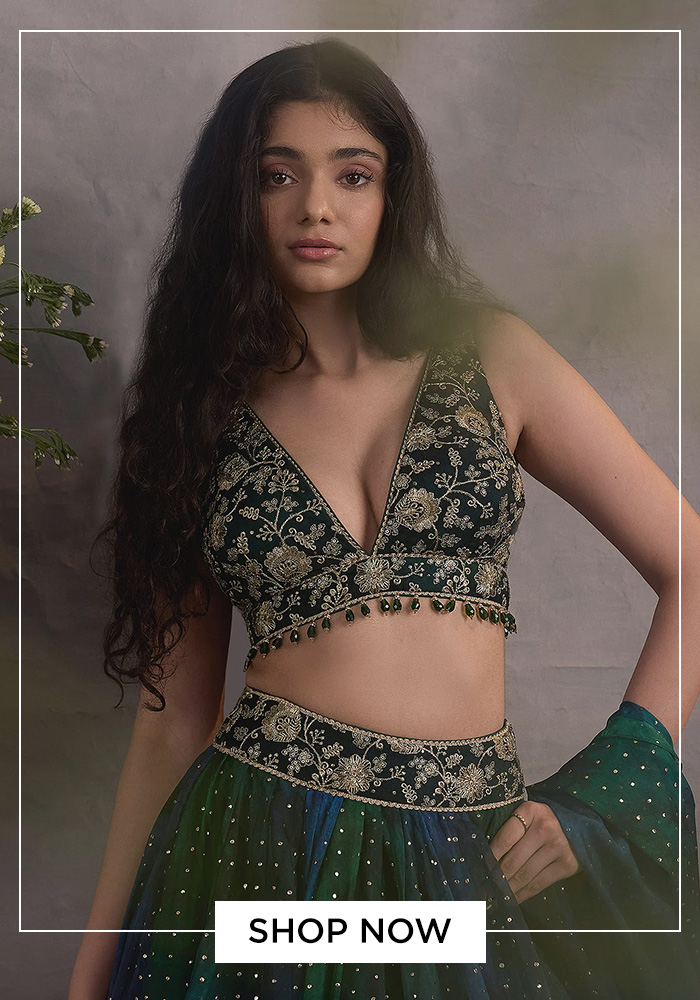
Deep V-Neck
A deep V does the opposite job it does for a pear body, here, the elongated vertical line narrows the shoulder width visually by drawing the eye down and in, rather than out and across.
Scoop Neckline
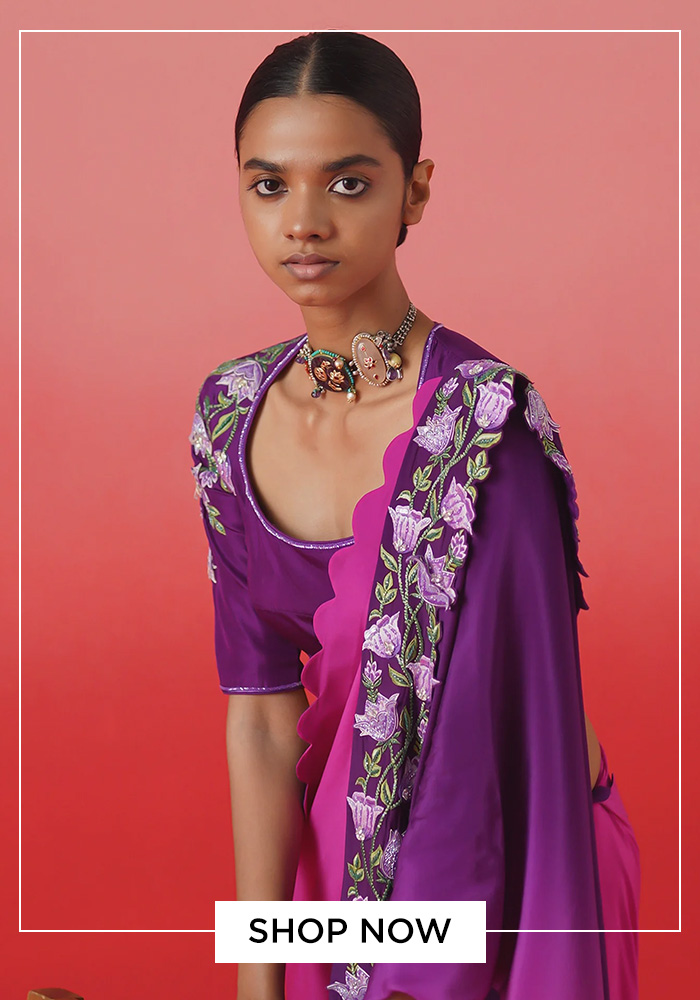
A scoop neck's soft, rounded curve is gentler than a sharp horizontal or angular line. That softness takes visual weight off a broader shoulder line, letting the neckline recede instead of announce itself.
Elbow Sleeve
An elbow-length sleeve skims rather than caps the arm, avoiding the extra width a short sleeve or cap sleeve would add at the broadest point of the frame. It's a quiet sleeve for a body that already makes a strong statement up top.