


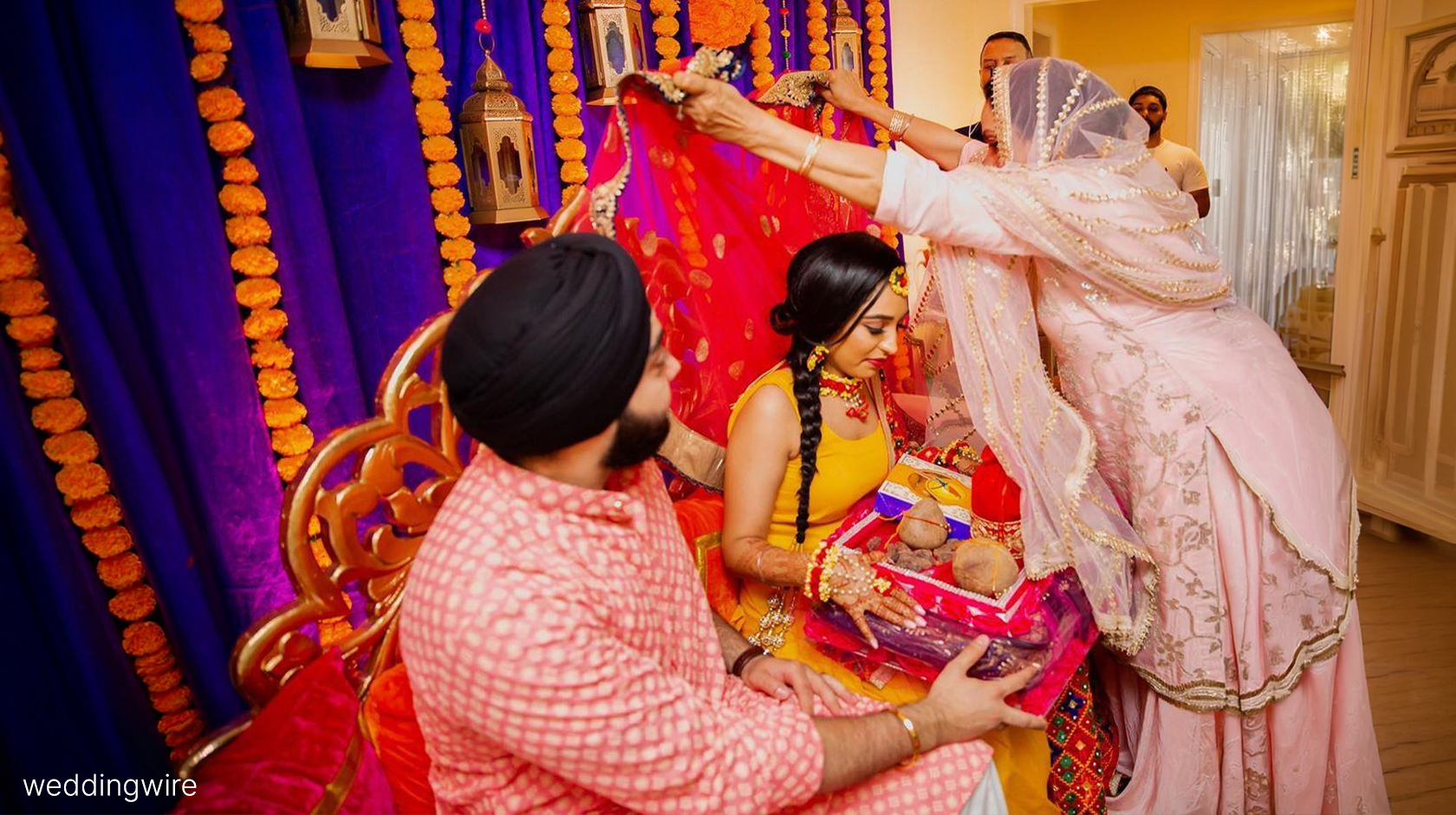
In the vibrant, music-filled world of Punjabi weddings, every ritual carries a story. But few ceremonies are as visually striking, emotionally charged, and culturally significant as the Chunni Ceremony. Long before the baraat arrives, before the pheras are taken, and before the doli carries the bride away there is this one beautiful moment where the groom's family drapes a dupatta over the bride's head and says, without words: she is ours now, and we are hers. In 2026, as Punjabi weddings continue to set the gold standard for celebration across India, the Chunni Ceremony remains one of its most irreplaceable traditions.

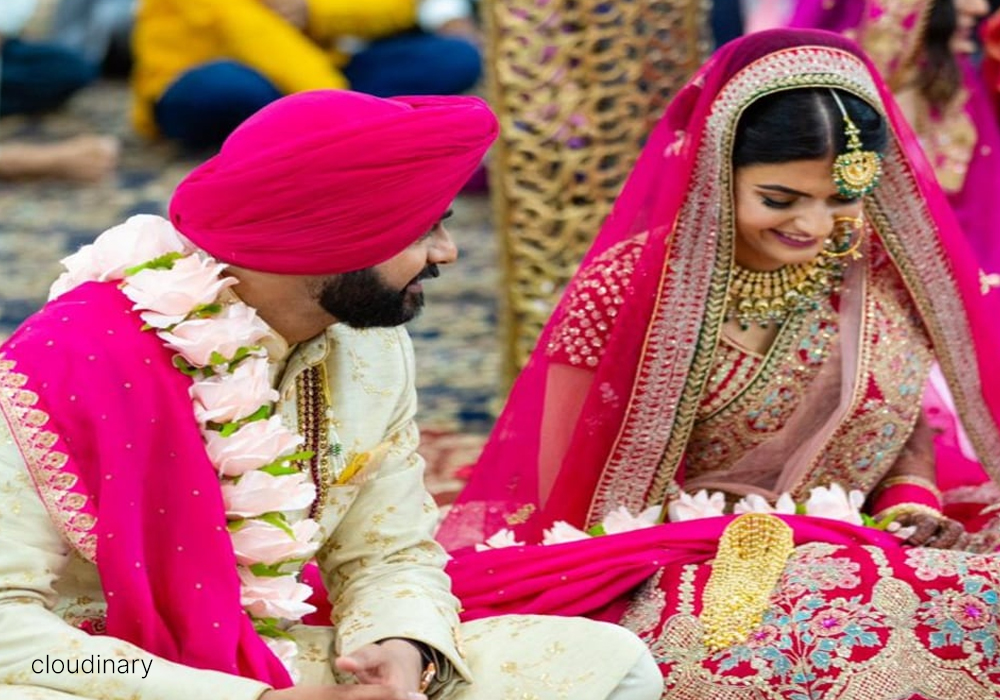
What Is the Chunni Ceremony?
The Chunni Ceremony also called Chunni Chadana or Dupatta Ceremony is a pre-wedding ritual in which the groom's family formally presents a chunni (dupatta) to the bride and drapes it over her head. This act symbolizes the groom's family's official acceptance of the bride as their future daughter-in-law.
The chunni itself is not just a piece of cloth. In Punjabi culture, a dupatta draped by the groom's family carries the weight of a promise a public declaration that the bride has been welcomed, honored, and claimed as part of their household. It is the moment the bride transitions, symbolically, from belonging solely to her parents to being embraced by her new family.
The ceremony typically takes place at the bride's home, with the groom's family arriving as honored guests to perform the ritual.
Historical & Cultural Roots of the Chunni Ceremony
The Chunni Ceremony is deeply embedded in the Punjabi cultural tradition of izzat (honor) and respect. Historically, in Punjab's agrarian and warrior communities, covering a woman's head with a cloth by the groom's family was one of the most binding social acts possible it signified protection, belonging, and alliance between two clans.
The tradition draws from a broader South Asian custom of odhna the act of covering the head as a mark of modesty, reverence, and social status. But in the Punjabi Chunni Ceremony, the meaning shifts: it is not the bride covering herself out of modesty, but the groom's family covering her as an act of love, ownership (in the most affectionate sense), and formal welcome.
Over generations, the ceremony evolved from a simple, intimate gesture into the celebratory, gift-laden event it is today complete with music, dancing, sweets, and elaborate gift exchanges between the two families.
When Is the Chunni Ceremony Performed?
The Chunni Ceremony is typically performed one to several weeks before the main wedding day. It often coincides with or closely follows the Roka ceremony (the first formal meeting between families) or is held as a standalone event on a separately chosen auspicious date.
In many contemporary Punjabi families, the Chunni Ceremony has merged with the Sagan ceremony another pre-wedding ritual where the groom's family brings gifts and sweets for the bride. Together, these events form a single grand pre-wedding celebration that kicks off the wedding season for both families.
The date is selected in consultation with the family pandit based on the wedding muhurat 2026 and a favorable day on the Hindu or Nanakshahi calendar, depending on whether the family follows Hindu or Sikh traditions.
How Is the Chunni Ceremony Performed? Step-by-Step
Step 1 Groom's Family Prepares the Gifts
Before arriving at the bride's home, the groom's family assembles the ceremonial items. The centerpiece is the chunni itself traditionally a red or pink heavily embroidered dupatta, often made of silk, georgette, or chiffon, adorned with zari (gold thread) work, sequins, and mirror embellishments. Accompanying gifts typically include:
- Gold or diamond jewelry (necklace, earrings, bangles)
- Bridal outfit (lehenga or suit)
- Sweets and dry fruits arranged in decorated trays (thalis)
- Cosmetic items (sindhoor, bindi, kajal, bangles)
- Cash gifts in decorated envelopes
- Fruits and mithai (traditional Indian sweets)
Step 2 Arrival at the Bride's Home (Aana)
The groom's family arrives at the bride's home in a celebratory mood often accompanied by music, particularly dhol beats and Punjabi folk songs. The bride's family receives them with warmth, garlands, and sweets. This arrival itself is a mini-celebration, with both families dancing and greeting each other with great enthusiasm.
Step 3 Sagan (Blessing by Elders)
Before the chunni is draped, elder women from the groom's family particularly the groom's mother perform a short Sagan ritual. They apply tilak (a mark of sindoor or kumkum) on the bride's forehead, offer her sweets, and present cash as shagun (a blessed gift). This act of blessing formally initiates the relationship between the groom's mother and the bride.
In Sikh families, this moment may include a prayer from the Guru Granth Sahib and the offering of karah prasad (sacred sweet), grounding the ceremony in spiritual sanctity.
Step 4 Draping the Chunni (The Main Ritual)
The most significant moment of the ceremony arrives. The groom's mother (or the most senior woman of the groom's family) takes the chunni unfolded and held with both hands and ceremonially drapes it over the bride's head. As the dupatta settles on her shoulders, it is accompanied by:
- Blessings whispered or spoken aloud by the groom's mother
- Ululation (lohri-style celebration sounds) from the women present
- Dhol beats and joyful clapping from both families
The bride, seated gracefully, accepts the chunni with a bowed head a mark of humility and respect toward her new family.
Step 5 Gift Exchange (Lena-Dena)
Once the chunni has been draped, the formal gift exchange begins. The groom's family presents the assembled gifts to the bride and her parents. Jewelry is typically tried on or displayed; the bridal outfit is admired; and the families inspect and appreciate each other's generosity. The bride's family then presents return gifts for the groom and his relatives often including clothing, dry fruits, and sweets.
Step 6 Photography & Celebration
In 2026, the Chunni Ceremony is one of the most photographed pre-wedding events in Punjabi weddings. Families hire dedicated photographers and set up decorated backdrops for the chunni draping moment. After the main ritual, both families celebrate together dancing to Punjabi folk music, bhangra beats, and Bollywood songs before sharing a grand meal.
Significance of the Chunni Ceremony
- Official Welcome of the Bride
The chunni draped by the groom's mother is the most powerful symbol of welcome in Punjabi wedding culture. It tells the bride and the world that she has been chosen, accepted, and embraced.
- Bond Between the Bride and Her New Family
For many brides, the Chunni Ceremony is the first intimate interaction with the groom's family as their own. The act of the mother-in-law draping the chunni is the beginning of what is hoped to be a lifelong relationship built on respect and love.
- Formal Alliance Between Two Families
Like the Tilak ceremony in Bihar and the Juron in Assam, the Chunni Ceremony formally seals the marriage alliance between two families in the public eye. Once the chunni has been draped and gifts exchanged, both families are socially committed to the wedding.
- Cultural Identity & Pride
In a world of destination weddings and themed receptions, the Chunni Ceremony is a defiant, joyful act of cultural preservation. It asserts Punjabi identity in its music, its colors, its warmth, and its rituals with unself-conscious pride.
- Emotional Milestone for the Bride
For the bride, the Chunni Ceremony is often more emotionally significant than any other pre-wedding event. It is the first time she wears something given by the groom's family and the weight of that dupatta, light as it may be physically, carries a lifetime of meaning.
Chunni Ceremony in Hindu Punjabi vs. Sikh Punjabi Weddings
|
Aspect |
Hindu Punjabi |
Sikh Punjabi |
|
Religious element |
Vedic mantras, tilak, pandit's presence |
Ardas (prayer), Guru Granth Sahib, granthi's guidance |
|
Sagan offering |
Kumkum tilak, sweets, cash |
Karah prasad, cash, spiritual blessing |
|
Ceremony setting |
Home or decorated banquet hall |
Often held near a Gurdwara or at home |
|
Chunni color |
Red, pink, or maroon preferred |
Red or pink; saffron sometimes used |
|
Music |
Dhol, folk songs, Bollywood |
Shabad Kirtan alongside folk music |
Despite these differences in religious framing, the emotional core of the Chunni Ceremony the groom's family draping the dupatta and formally welcoming the bride is identical across both traditions.
What Color Should the Chunni Be?
Color selection for the chunni is significant in Punjabi culture:
- Red The most traditional and auspicious color; symbolizes love, marriage, and prosperity
- Pink Widely popular; associated with femininity, warmth, and new beginnings
- Maroon/Burgundy A regal, modern alternative to red; considered equally auspicious
- Saffron/Orange Used in some Sikh families; carries spiritual significance
- Gold Sometimes given as a second chunni representing prosperity and abundance
Most families choose red or pink for the Chunni Ceremony, as these colors are considered the most traditional and photographically stunning.
Modern Chunni Ceremony Trends in 2026
Punjabi families in 2026 are celebrating the Chunni Ceremony with more creativity and grandeur than ever before:
- Themed décor Marigold-heavy setups, neon sign backdrops reading "She Said Yes," and coordinated family outfits in matching colors
- Pre-wedding photoshoots Dedicated chunni photoshoots at outdoor locations have become a trend, with the bride styled in her ceremony dupatta
- Personalized chunnis Families now commission custom-embroidered dupattas with the couple's names, wedding date, or family motifs woven into the border
- Chunni reveal moments Inspired by proposal videos, some families create cinematic "chunni reveal" moments captured on video
- Destination Chunni Ceremonies Held at resorts or heritage venues, especially in families where the bride and groom live in different cities
Frequently Asked Questions (FAQ)
Q1. What is the Chunni Ceremony in Punjabi weddings? The Chunni Ceremony is a pre-wedding ritual where the groom's family visits the bride's home and drapes a decorated dupatta (chunni) over her head, formally welcoming her as their future daughter-in-law and sealing the marriage alliance between the two families.
Q2. Who drapes the chunni on the bride? The chunni is traditionally draped by the groom's mother or the most senior female member of the groom's family. In some families, the groom's sisters or aunts participate alongside the mother.
Q3. What gifts are given at the Chunni Ceremony? The groom's family typically gifts the bride a bridal outfit, gold jewelry, sweets, dry fruits, cosmetic items, and cash. The bride's family reciprocates with gifts for the groom and his relatives.
Q4. Is the Chunni Ceremony the same as Roka? No. The Roka is an informal agreement ceremony between families, while the Chunni Ceremony is a formal ritual where the groom's family physically presents and drapes the chunni on the bride. In some families, both happen on the same day, but they are distinct rituals.
Q5. What color chunni is traditional for the ceremony? Red is the most traditional color for the ceremonial chunni, followed by pink and maroon. The chunni is usually heavily embroidered with gold or silver zari work to mark its ceremonial importance.
Q6. Is the Chunni Ceremony part of Sikh weddings too? Yes. The Chunni Ceremony is observed in both Hindu Punjabi and Sikh Punjabi weddings. In Sikh families, the ceremony may include an Ardas (prayer) and the offering of karah prasad alongside the traditional dupatta draping.

