

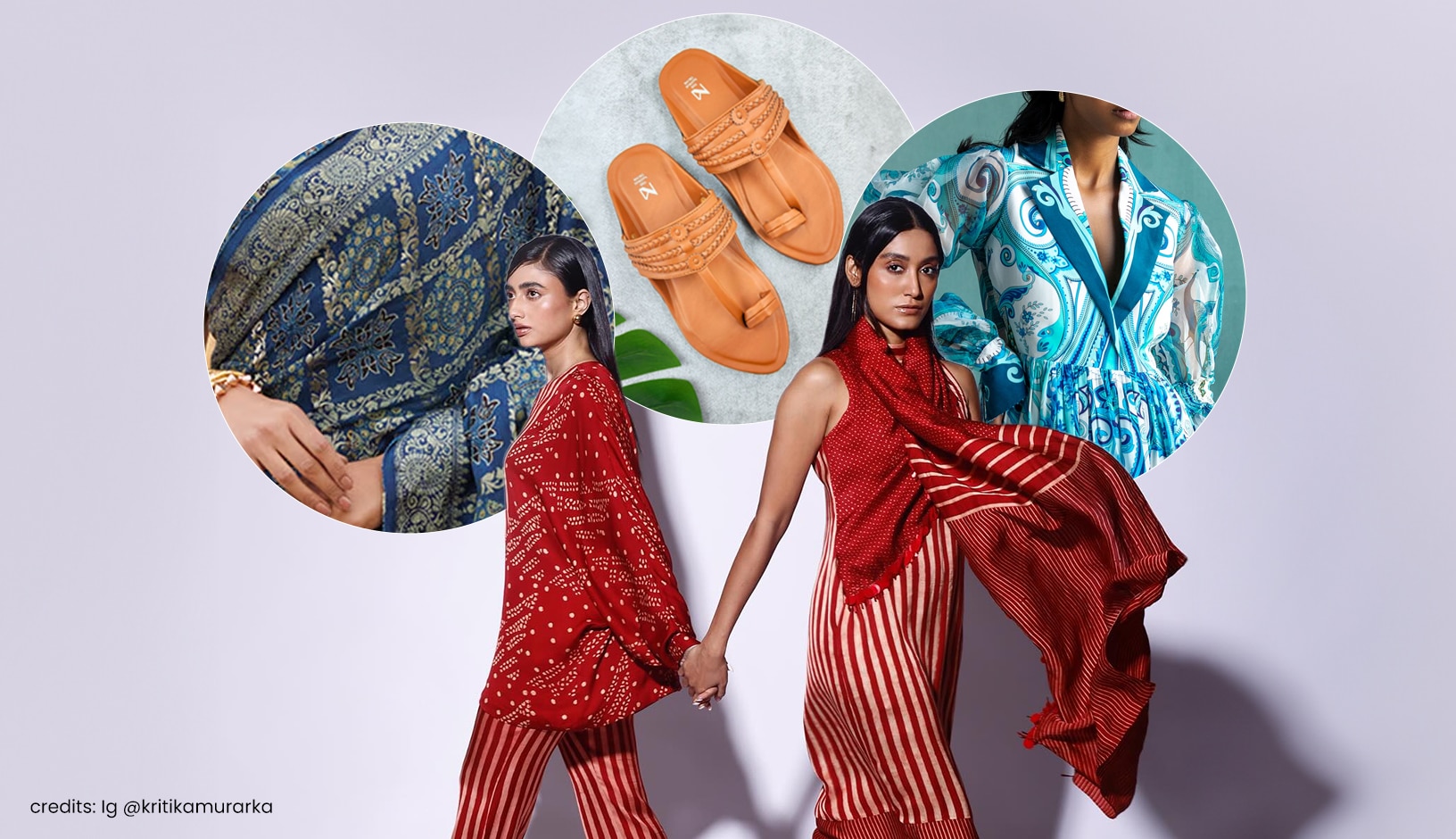
When Prada models walked the Milan runway in a toe-braided sandal made of faux leather, the whole world gasped in awe. To the global audience the design felt new, innovative and fresh. But to the city of Kolhapur and anyone living in India, this was not a foreign subject. They were simply a renewal of Kolhapuri chappals, a handcrafted sandal that has been part of Indian heritage since centuries.
And that’s the thing about fashion, it travels. What the world celebrates on runways in Paris, Milan, or New York often has roots in the bustling streets, ancient traditions, and artisanal workshops of India. From intricate weaves and rich textiles to timeless prints and accessories, India has been quietly shaping global style long before high-fashion labels caught on.
In this blog, we are uncovering seven global fashion trends you had no idea came from India. Some might surprise you while others will make you nostalgic but all of them will make you look at your closet with a fresh perspective.
Madras Checks

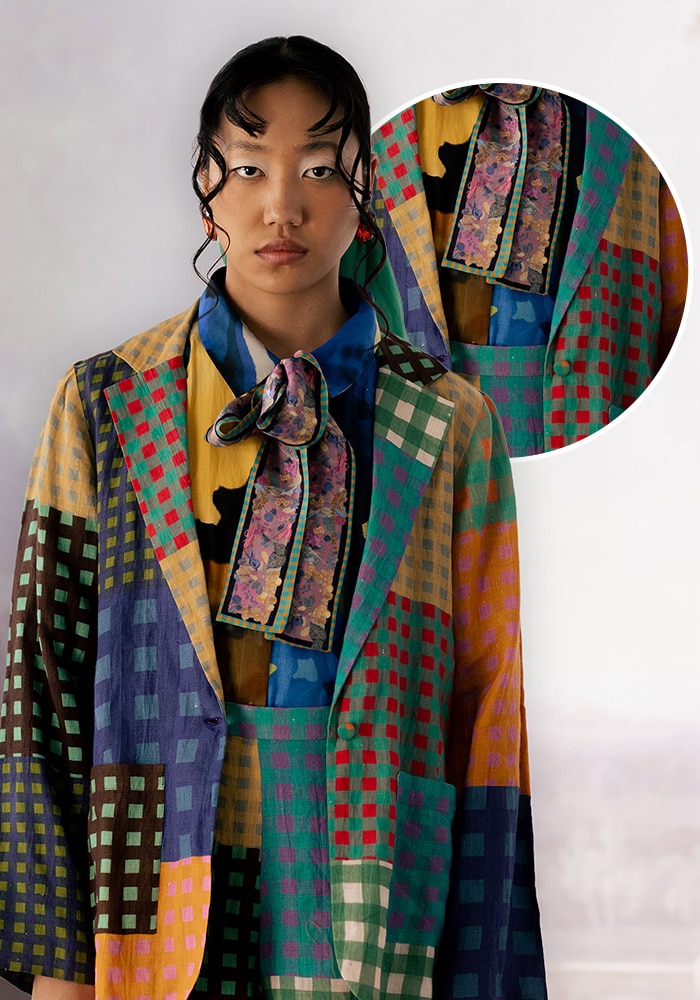
It was around 500 years back, when handloom weavers created a lightweight cotton garment known as the Madras fabric to suit the hot Indian climate. Born in Tamil Nadu, the Madras fabric’s unique feature was its vibrant check prints created using vegetable dye. The Portuguese and Dutch traders quickly took a notice of this incredible material, and soon Madras checks found their way to Europe. But it was during the colonial period when the prints truly become popular.
In the U.S, by the 20th century it was termed as authentic Indian fabric and often worn by Ivy league students. Soon high-end designers like Ralph Lauren, Brook Brothers, Gucci and others noticed the magic of Madras checks and turned it into casual luxury.
Today, this iconic fabric is still produced in India by traditional weavers. So next time, if you wear dresses, skirts or formal wear with these checks remember that you are not only carrying style but also Tamil Nadu’s weaving heritage.
Khadi Fashion
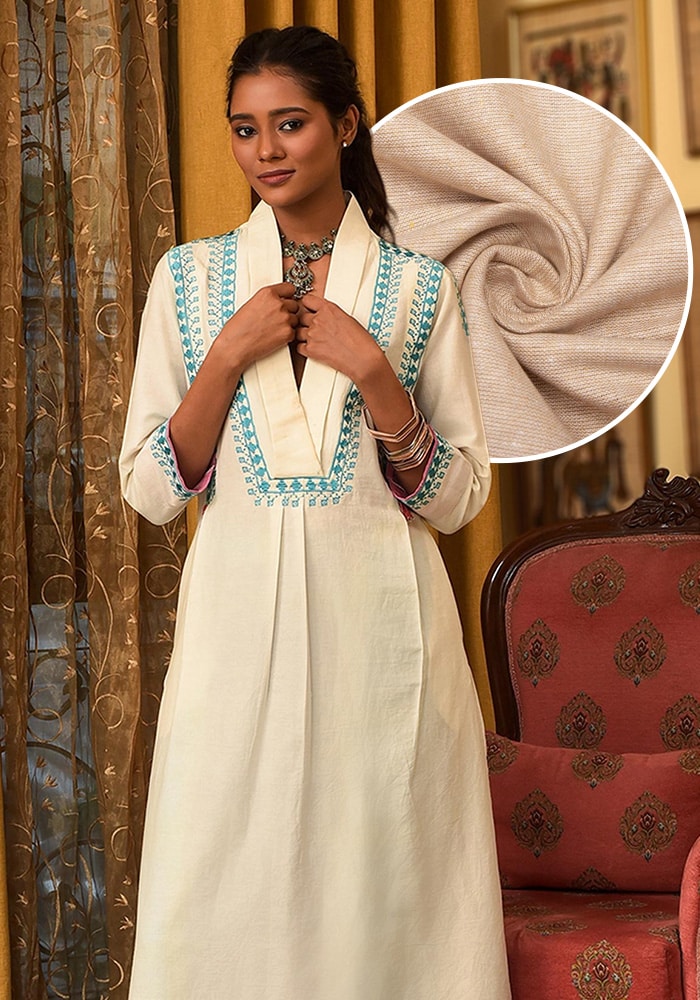
Once a simple humble hand-spun cotton cloth, Khadi is the face of India’s independence movement. This authentic handwoven heritage became popular when Mahatma Gandhi encouraged people to spin their own yarn and wear Khadi as a way of revolution. What was once a symbol of self-reliance soon becoming a leader in the global sustainable fashion world. As Khadi is a breathable, eco-friendly fabric that not only is timeless but is the perfect enigma of slow fashion.
Modern-day designers like Sabyasachi Mukherjee have reimagined Khadi into dresses, sarees and graceful bridal wear. International designers have also turned towards this breathable fabric due to its texture and ethical production methods.
Jodhpuri Pants
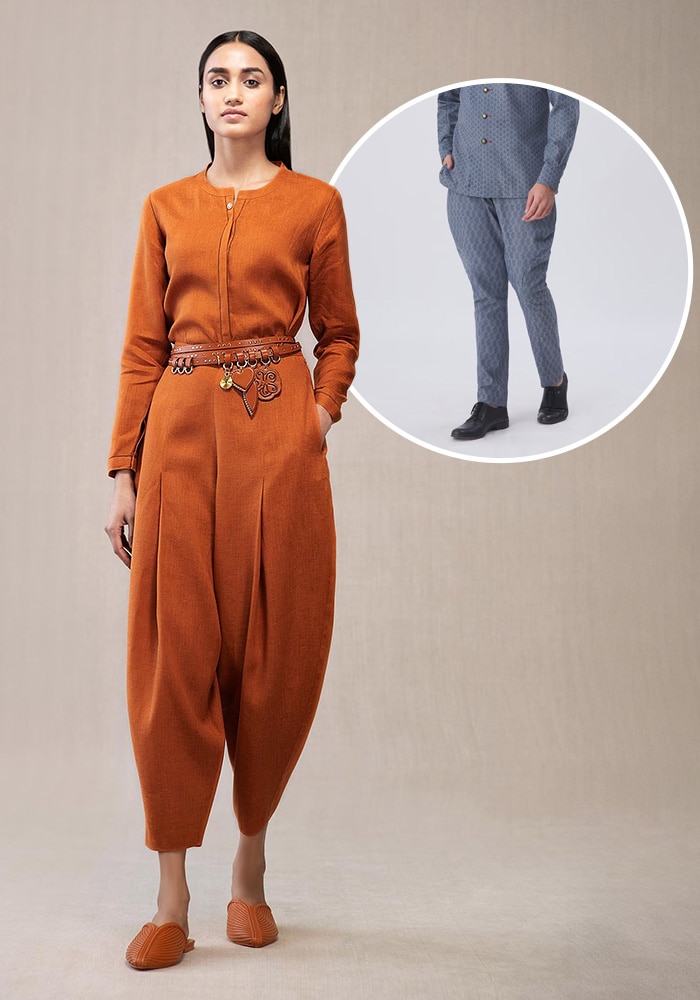
Also known as jodhpurs, these distinctive riding pants with flared hips and a narrow ankle fit was discovered in Jodhpur, Rajasthan. Originally worn by the royal family while horse riding, these modish pants have found their way to global fashion too. Their journey from the Indian stables to international polo matches has been remarkable. Not just this but iconic visionaries and labels like Ralph Lauren and Dior too have reimagined them into everyday fashion.
Paisley Prints
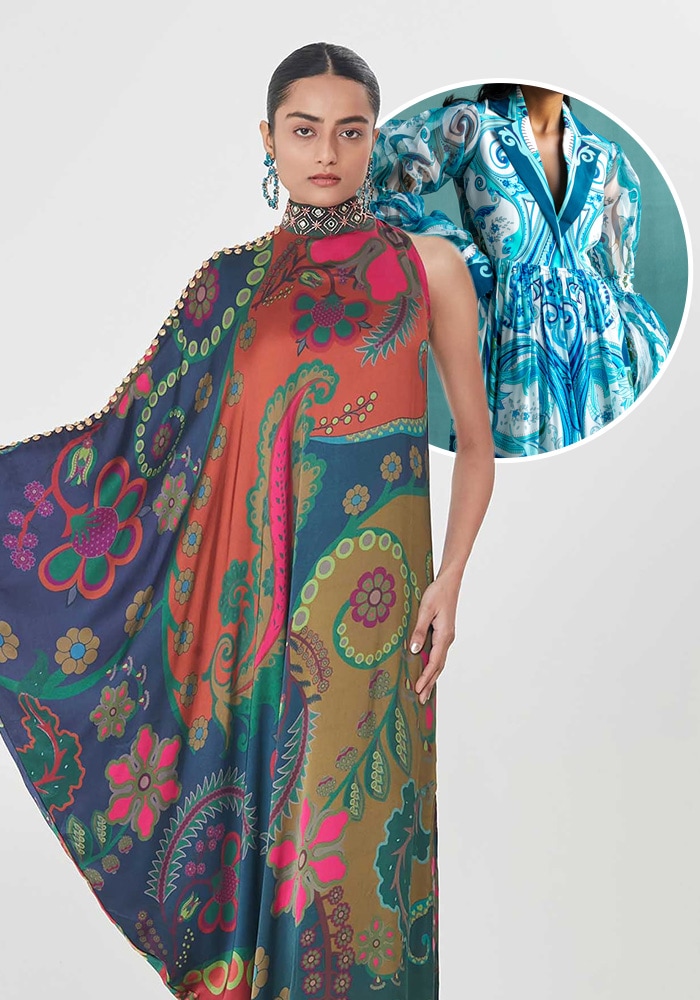
The teardrop shaped motif you’ve seen in many scarves, dresses and bandanas? That’s paisley print and yes, its origin comes from India. The design hails from the heart of Kashmir, where it was handwoven into luxurious shawls made from Pashima wool. Locally known as Boteh and Ambi motif, shawls carrying this print was highly coveted in Europe, often worn by Royal family members, aristocrats and fashion-forward elites.
However, the name Paisley comes not from India but from a Scottish town named Paisley. The local mills in this town had started mass producing these Kashmiri shawls on a larger scale which soon reached a global scale. Even today you will see Paisley prints prominent in flowing dresses, bedding, and even sneakers. But at its core, the iconic prints still carry the essence of Kashmir’s custom weaving tradition.
Tie Dye (Bandhani)
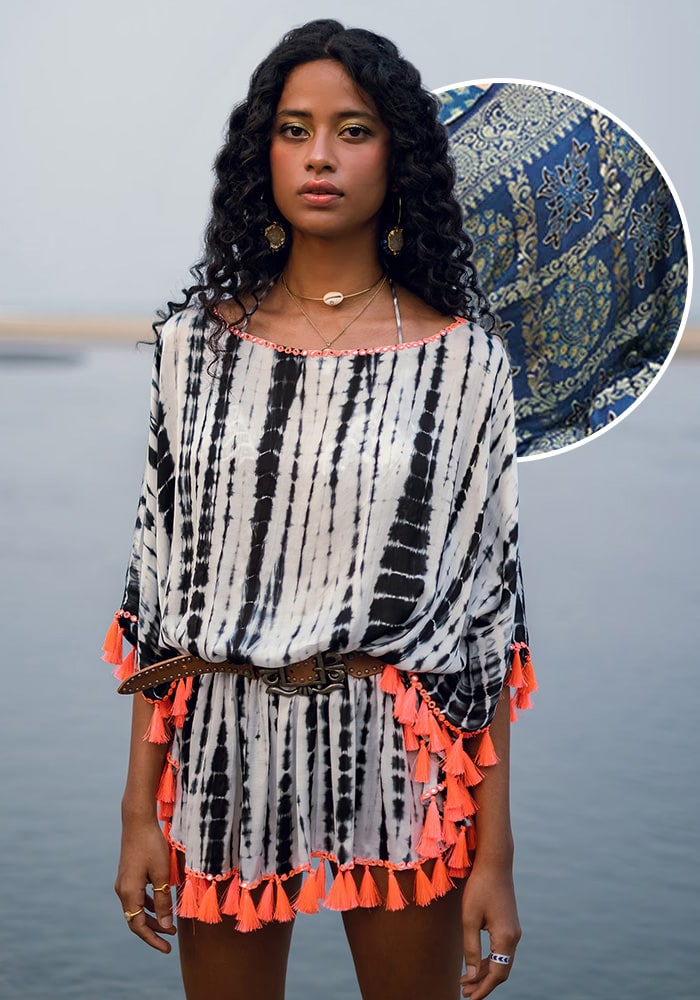
Before Tie-dye became a sensation everywhere, it was very much present in India since ancient times through Bandhani prints. An age-old dyeing technique which involves tying small portions of fabric with thread before dyeing it in natural colors, creating intricate dots and patterns.
This innovative craft travelled via trade routes and soon inspired the modern art of tie-dye. In the 1960s-70s it was a popular choice amongst the hippie community making a regular appearance at music festivals, concerts and more. Today, however it has garnered a trendy status with its presence quite common on runways, casual loungewear, and even luxury handbags. While it has become an international sensation, its roots lie in the heart of Gujarat where the art of Bandhani is still active.
Kolhapuri Sandals

Kolhapuri chappals have been part of India’s heritage for over 700 years. Handmade in the city of Kolhapur, Maharashtra, these sandals are crafted from locally tanned leather and known for their durability. Traditionally worn by farmers and villagers, they became an everyday essential in India.
But today with high coveted designer labels like Prada imitating this age-old artistry, Kolhapuri sandals have become a household name globally. With people wanting to understand this ancient culture more intimately, it’s safe to say that this traditional art has reached new heights of popularity today.
Cummerband
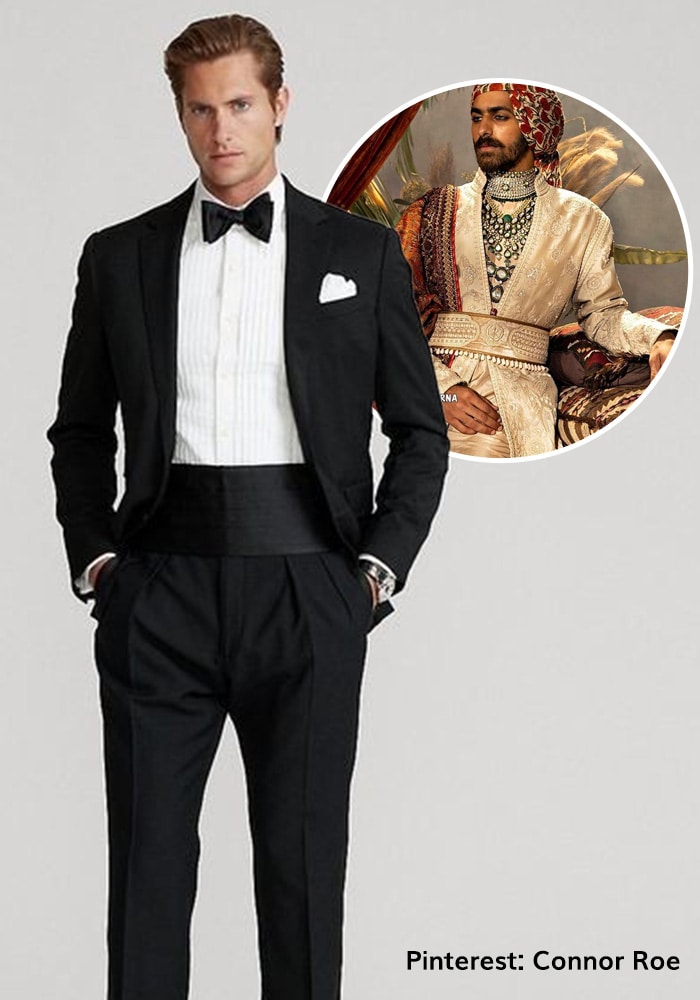
A cummerbund is a wide pleated sash often accompanying tuxedos was originally a part of the Indian history. Worn Indian royalty and the Mughal courtiers as a waistband, it was a practical choice to hold garments and weapons while adding a regal touch. During the colonial era, Britishers adapted this method of dressing as a more comfortable alternative to stash their belongings. Overtime, this practise of an extended waistband travelled to Europe and soon became part of their black-tie attires. Even today it has retained its sophisticated status but very few realise that this western accessory has a deep-rooted connection with the ancient Indian royal fashion.
From vibrant prints to handcrafted accessories, India’s influence on global fashion in absolutely undeniable. And these seven trends are a proof that fashion is not just about clothing but about heritage, tradition and artistry that has the power of travelling across borders. So, the next time you see a paisley print, Khadi clothing or Kolhapuri sandals remember it is not just a global trend but the essence of India’s interesting fashion history.