


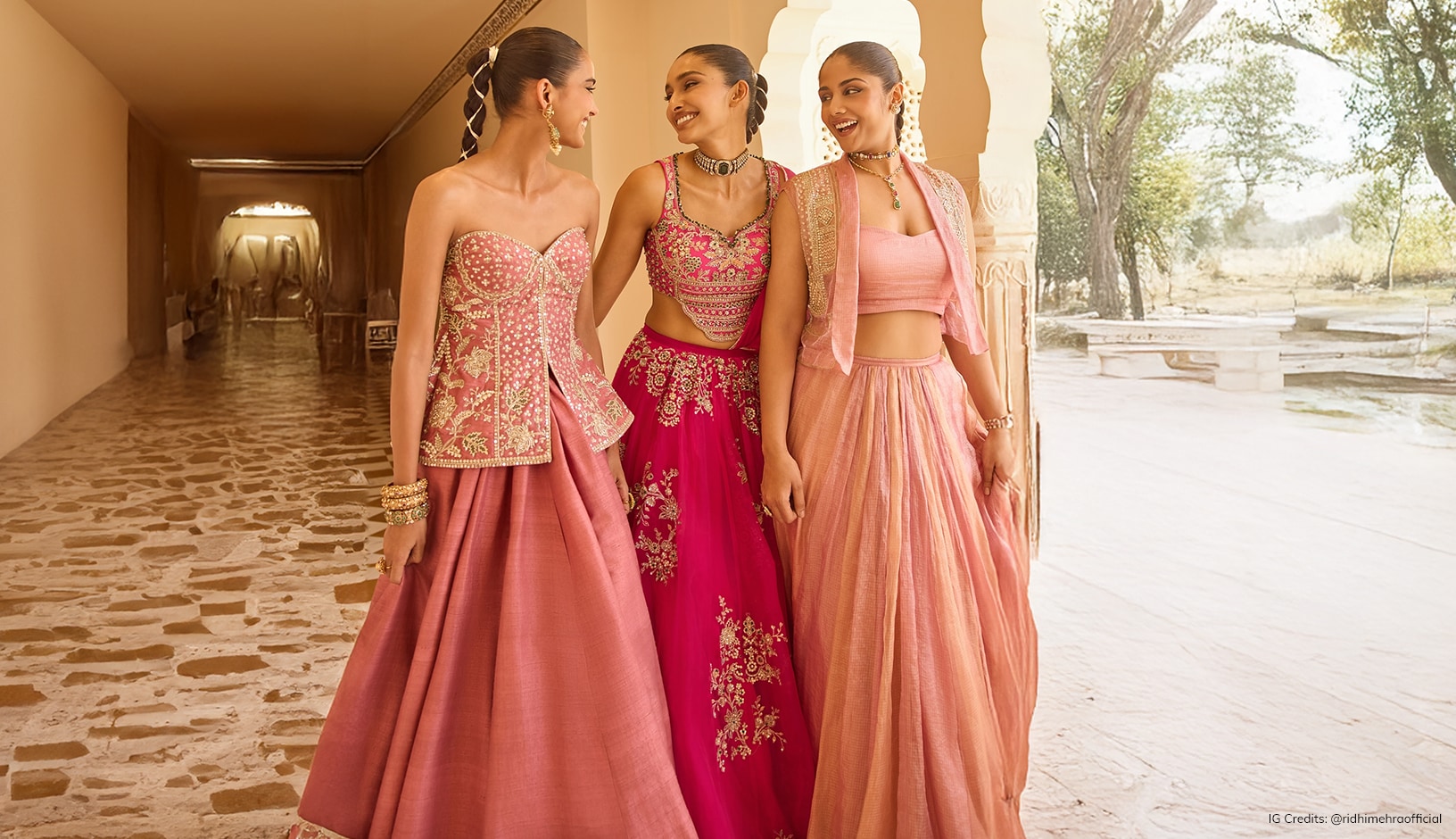
A lehenga is usually a more structured, festive or bridal skirt worn with a short choli, while a ghagra is a more traditional, sometimes looser skirt paired with longer blouses or kurtis; terms overlap regionally but modern fashion treats them as distinct styles. This guide breaks down the key distinctions in silhouette, fabric, occasion, and styling to help you choose the perfect indian outfit, especially if you're shopping in the USA.
Snapshot — 5 Quick Differences
- Coverage: Lehengas often show the midriff; ghagras typically offer more coverage.
- Shape: Lehengas have a structured, tailored fit; ghagras are looser.
- Fabrics & Embellishments: Lehengas use heavier, couture fabrics; ghagras use breathable materials.
- Occasions: Lehengas are for bridal and formal events; ghagras suit festivals.
- Regional Names: Also known as chaniya, lacha, and langa in different regions.
Comparison: Ghagra vs Lehenga

| Attribute | Ghagra | Lehenga tip |
|---|---|---|
| Coverage | Often more coverage; paired with longer blouses or kurtis. | Typically features a cropped choli, leaving the midriff visible. |
| Waist/Fit | Relaxed fit with a drawstring or elastic waist. | Fitted waistband for a tailored, structured look. |
| Blouse Type | Longer blouse (kurti) or a traditional choli. | Short choli or modern crop top is most common. |
| Volume | Moderate, comfortable flare designed for movement. | Structured, high-volume flare, often with a can-can. |
| Typical Use | Festivals like Navratri, traditional ceremonies, and casual wear. | Weddings, receptions, and formal festive events. |
| Modern Styling | Dupatta is often draped for coverage; styled with flats. | Statement blouses, couture dupatta drapes, and heels. |
| Price/Positioning | Generally more budget-friendly and accessible. | Skews toward a premium price due to structure and embroidery. |
Detailed Differences
1. Coverage & Silhouette
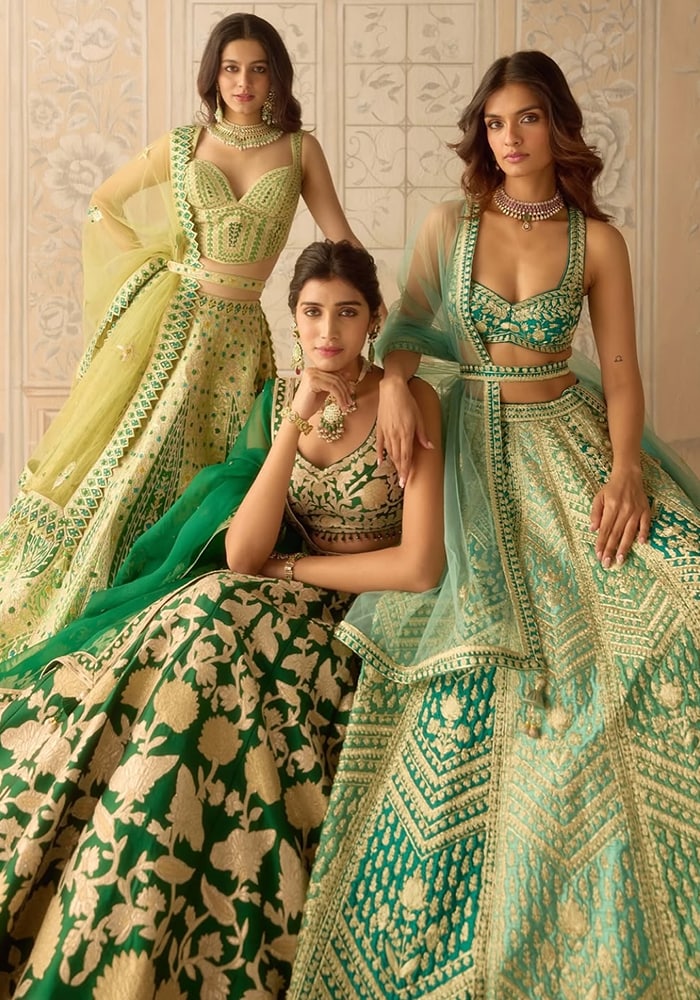
The most noticeable difference between a lehenga and a ghagra is the silhouette and how it affects coverage. A lehenga set is designed to create a defined, hourglass shape. It features a fitted waistband and a structured A-line or mermaid flare, often enhanced with a can-can underneath. This tailoring, combined with a short choli, typically leaves a portion of the midriff exposed for a formal, contemporary look.
In contrast, a ghagra emphasizes comfort and movement. It usually has a looser, more flowing silhouette with a simple drawstring or elasticated waist. Ghagras are often paired with longer blouses or kurtis that cover the midriff, providing more modesty and ease, which is ideal for dancing and long events.
2. Blouse / Choli Differences
The top worn with the skirt is a key differentiator. Lehengas are almost always paired with a short, fitted blouse called a choli. Modern lehenga sets have expanded this to include a variety of trendy crop tops, from off-the-shoulder styles to long-sleeved blouses. The goal is to complement the skirt's structured fit. Ghagras, on the other hand, are traditionally worn with longer blouses or even short kurtis that provide more coverage and a relaxed feel.
(Image suggestion: A side-by-side photo showing a model in a structured bridal lehenga with a short choli next to a model in a flowing ghagra with a longer blouse.)
3. Fabrics & Ornamentation
Lehengas, especially bridal ones, often use luxurious and heavy fabrics to support their structure and intricate embellishments.
- Common Lehenga Fabrics: Silk, raw silk, velvet, brocade, net, and organza.
- Common Embellishments: Zardozi, sequins, stone work, zari, and dense embroidery.
Ghagras prioritize comfort and are frequently made from lighter, more breathable materials. Their ornamentation often reflects regional crafts.
- Common Ghagra Fabrics: Cotton, georgette, crepe, and bandhani.
- Common Embellishments: Mirror work (Abhla), block prints, thread work, and appliqué.
4. Occasion & Styling
Your event will often determine whether a lehenga or ghagra is the right choice.
- Bridal & Receptions: A heavily embellished, structured lehenga is the go-to for modern brides and formal wedding guests.
- Navratri/Garba: The flowing, breathable ghagra (or chaniya choli) is perfect for long nights of dancing.
- Mehndi/Sangeet: A lighter lehenga or a vibrant, festive ghagra works equally well for these pre-wedding events.
- Casual or Traditional Events: A simple printed ghagra with a kurti is an excellent choice for a comfortable yet elegant traditional look.
(For more style ideas, see our Bridal blouse styles guide.)
History & Regional Names
Both the ghagra and lehenga are long, embellished skirts originating from the Indian subcontinent, with their histories deeply intertwined. As mentioned on Wikipedia, the garment has several regional names, including chaniya in Gujarat, langa in South India, and lacha in Punjab. While the ghagra has been a staple of traditional folk attire for centuries, the lehenga gained prominence in courtly fashion, particularly during the Mughal era. This historical context is why the modern lehenga is associated with a more structured, opulent, and formal style.
How to Wear: Tips for USA Buyers
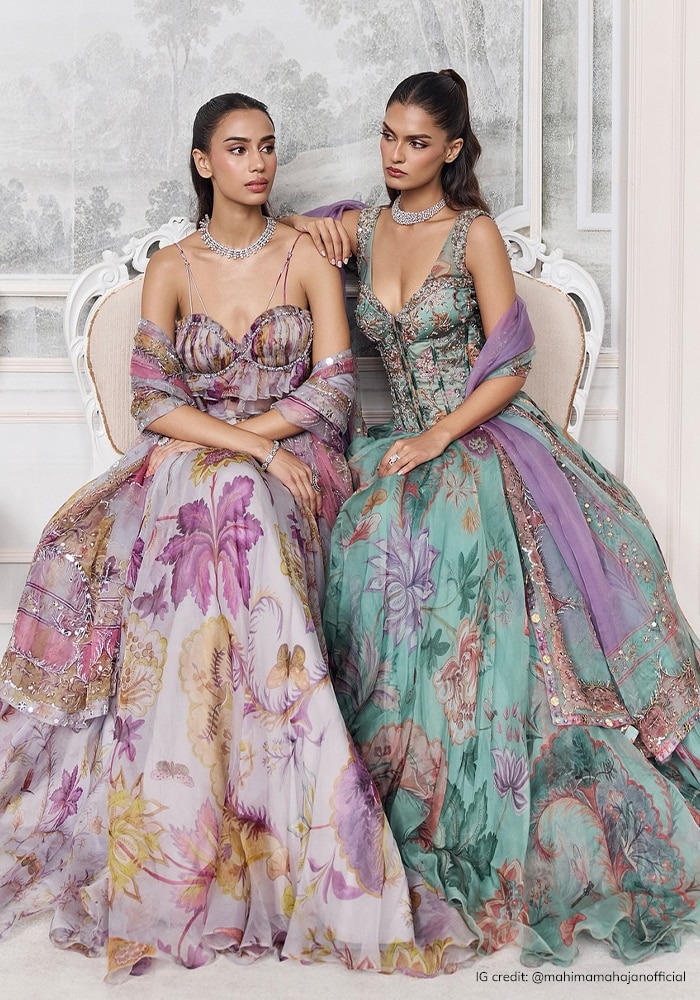
- Mind the Weather: For colder US climates, opt for velvet or raw silk lehengas and layer with elegant shawls or hidden thermals.
- Get the Right Fit: Lehengas require a tailored waist and proper length. Ghagras are more forgiving with their drawstring waists.
- Plan for Bridal Sizing: If ordering a bridal lehenga, account for 4-6 weeks for creation and alterations, especially when shipping to the US.
- Choose the Right Shoes: Wear heels with a lehenga to enhance its drape and length. Juttis or block heels are practical and stylish with a ghagra.
- Buy from US Boutiques: Shopping from US-based retailers simplifies returns, alterations, and customer service.
- Drape the Dupatta: Style a lehenga with a couture dupatta drape to highlight the choli. For a ghagra, a simple shoulder drape offers coverage and ease.
(Need help with sizing? Check out our Size & alteration guide.)
Where to Buy in USA
Finding the perfect ghagra or lehenga in the United States is easier than ever. Many US-based retailers and online boutiques offer curated collections that ship directly to you.
- Aza Fashions: Shop premium ghagra and lehenga collections at Aza Fashions, with fast US shipping, expert alteration services, and exclusive designer edits for every occasion.
- Shipping & Alterations: Before buying, confirm the shipping timeline, especially for custom orders. Check if the seller offers alteration services or leaves enough margin in the blouse for local tailoring.
- Sizing Guidance: Always refer to the retailer's specific size chart. Use a US-to-India size converter as a starting point, but trust the brand's measurements for the most accurate fit.
FAQ
Is ghagra the same as lehenga?
They are similar skirts, but they differ in silhouette and styling. Lehengas are typically more structured and formal, while ghagras are looser and more traditional.
Which is more formal—ghagra or lehenga?
Lehengas are generally considered more formal and are a popular choice for weddings and receptions. Ghagras are common for festivals and everyday traditional wear.
Can I wear a ghagra to an Indian wedding in the USA?
Absolutely. For a wedding, choose a ghagra made from a rich fabric like silk or brocade with heavy embellishments to match the formal dress code.
What blouse goes with a lehenga?
A short, fitted choli or crop top is the classic pairing. Modern styles also include long-sleeved blouses, off-the-shoulder tops, and corset-style blouses.
Are ghagra and lehenga regional names?
The terms overlap, and both garments have regional names. You might hear chaniya choli in Gujarat or langa voni in South India, which are related styles.
Is a ghagra more comfortable for dancing?
Often, yes. The relaxed waist and lighter fabric of a ghagra make it a popular choice for high-energy dancing at events like Navratri garba.

