


For Diwali, wear rich, auspicious colors like gold, red, green, and yellow—each carrying its own cultural meaning. Women traditionally choose sarees, lehengas, or salwar suits, while men opt for kurtas or sherwanis. Pick fabrics like silk or georgette, and match your outfit to the occasion, whether it's a morning puja or an evening party.
Diwali, also known as Deepavali, is one of the most widely celebrated festivals in the world. It marks the triumph of light over darkness, good over evil—and for many people, choosing the right outfit is just as meaningful as lighting the first diya. In 2025, Diwali falls on Monday, October 20.

This guide covers the symbolism behind Diwali colors, outfit recommendations for women and men, and practical styling tips for every type of gathering.
What do Diwali outfit colors mean?
Color is central to Diwali. The shades you choose carry real cultural and spiritual weight, not just aesthetic value.
- Gold and yellow are the most prominent Diwali hues. They symbolize wealth, prosperity, and the victory of light over darkness. Yellow marigolds and gold embroidery are staples of festive decor and dress alike.
- Red represents passion, love, and the triumph of good over evil. In some regions, red is closely associated with the goddess Durga. It remains one of the most popular choices for women's festive wear.
- Green signals new beginnings, growth, and the harvest season. It pairs beautifully with gold embroidery for a balanced festive look.
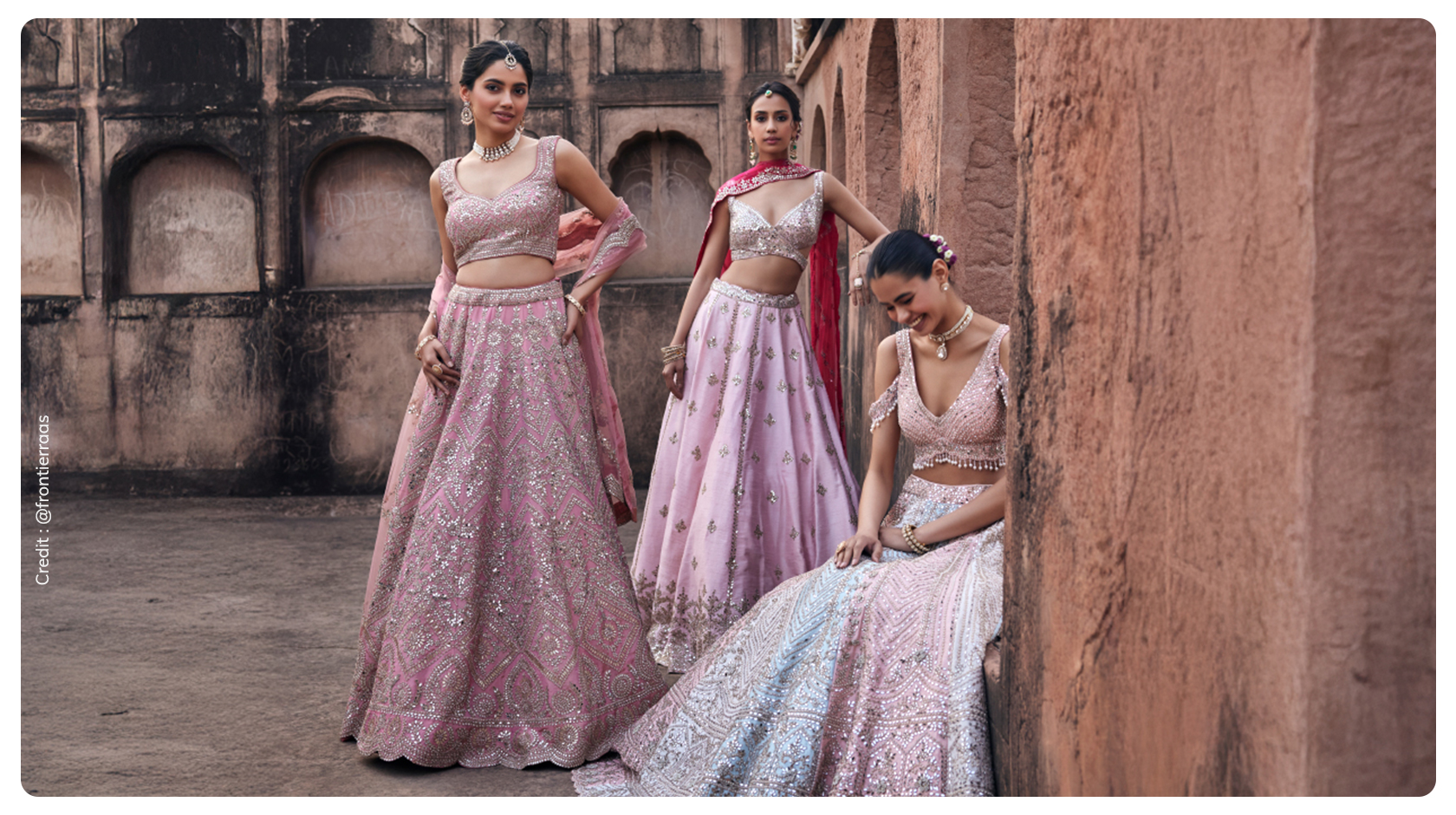
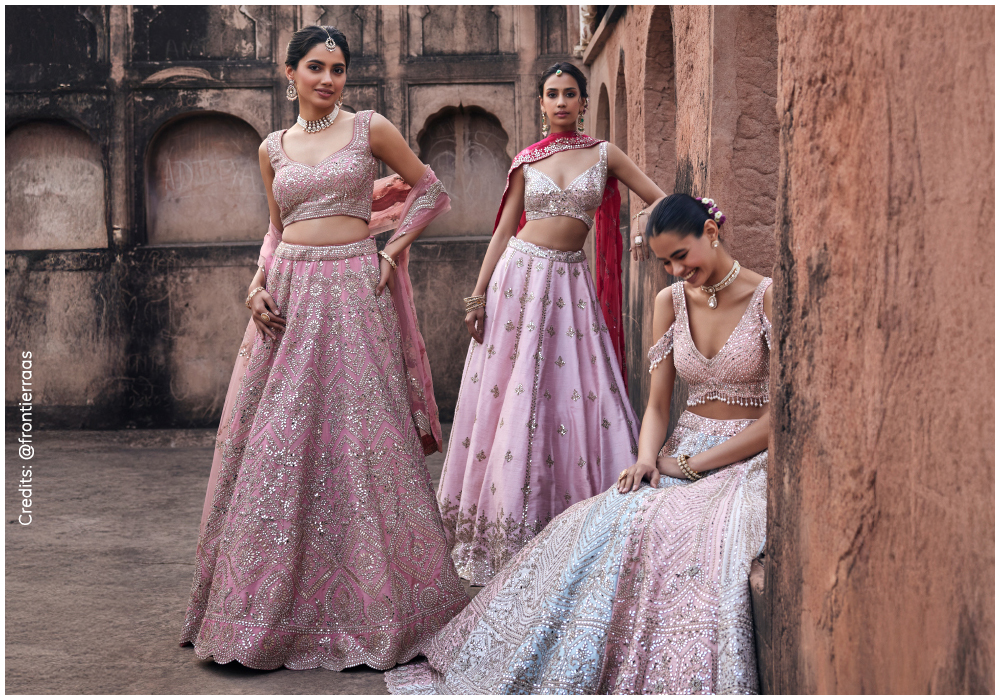
- Pink is tied to joy, celebration, and feminine energy—a softer but equally festive alternative to red.
- Blue carries associations with the god Krishna and symbolizes the infinite. While less common than other Diwali colors, deep royal blue makes a sophisticated statement.
- Orange reflects purity and spirituality and appears frequently in ceremonial contexts.
- Black, once considered inauspicious, is now widely embraced for evening celebrations. When styled with gold jewelry and rich embroidery, black outfits carry both glamour and cultural resonance.
What should women wear for Diwali?
Traditional silhouettes remain the most popular choice, though modern fusion styles have gained significant ground.
Traditional options:
- Sarees — Silk varieties like Banarasi, Kanjivaram, or Chanderi with zari borders are timeless choices for both daytime pujas and evening gatherings.
- Lehengas — Heavily embroidered lehengas with sequins or zardozi work are ideal for evening parties.
- Anarkali suits — Flowing Anarkali silhouettes with dupattas offer elegance and comfort in equal measure.
- Salwar kameez — A versatile option in georgette, crepe, or silk with festive embroidery.
Fusion options:
- Indo-Western gowns with Indian embroidery
- Dhoti pants paired with embellished crop tops
- Flowy palazzo suits with a festive kurti
What should men wear for Diwali?
Men's festive wear balances tradition with practicality.
- Kurta-pajama is the most versatile and widely worn choice. Opt for silk or brocade in jewel tones like deep maroon, navy, or emerald green.
- Sherwanis make a strong statement for formal evening gatherings or Diwali parties.
- Nehru jackets layered over a simple kurta add structure and a contemporary edge without overdressing.
For fabrics, silk and velvet work well for evening events. Linen or cotton-silk blends are more practical for daytime celebrations.
How should you style your Diwali outfit for different occasions?
The event matters as much as the outfit itself.
- Morning puja or family gathering: Choose lighter fabrics and softer colors—mustard yellow, pastel pink, or sage green. A cotton-silk saree or simple kurta-pajama fits the mood without feeling over-dressed.
- Evening Diwali party: This is the time for bolder choices. Deep red lehengas, embellished sherwanis, or even a well-styled black velvet ensemble make the most of festive lighting.
- Accessorizing: If your outfit is heavily embroidered, keep jewelry minimal. Chandbali earrings, gold bangles, and embroidered potli bags complement most traditional looks. Men can add a statement watch or subtle brooch.
- Layering: Since Diwali falls in October or November, temperatures can drop in the evening. Women can layer with a dupatta or embroidered shawl; men can add a structured Nehru jacket.
Dress with intention this Diwali
The best Diwali outfits do two things at once: they honor the spirit of the festival and reflect your personal style. Whether you lean traditional or prefer a fusion approach, choosing colors and silhouettes with meaning adds another layer to the celebration. Dress thoughtfully, wear it confidently, and let the occasion do the rest.
Frequently asked questions about Diwali outfits
What colors are considered lucky or auspicious for Diwali?
Gold, yellow, and red are the most auspicious colors for Diwali, symbolizing prosperity, happiness, and the victory of good over evil. Green and orange also carry positive cultural meanings and are widely worn during the festival.
Can you wear black to Diwali?
Yes. While black was traditionally considered inauspicious for festivals, it is now widely accepted for Diwali celebrations, particularly evening parties. Styling black with gold jewelry and rich embroidery keeps the look festive and appropriate.
What fabric is best for Diwali outfits?
Silk is the most traditional and widely recommended fabric for Diwali, offering a rich texture suited to both sarees and kurtas. Velvet works well for evening wear, while georgette and organza are lighter alternatives that drape easily and carry a festive sheen.
What should I wear to a Diwali puja versus a Diwali party?
For a morning or afternoon puja, opt for lighter fabrics and softer, more traditional colors like mustard yellow or soft pink. For an evening party, bolder choices—deep red, emerald green, or royal blue with heavier embellishments—are more fitting.

