More than just a textile, Khadi is an emotion for millions of Indians. It is the fabric of freedom, championed by Mahatma Gandhi as a symbol of self-reliance. B
In a world dominated by fast fashion and synthetic blends, there is one fabric that stands apart—not just for its texture, but for its soul. This is Khadi, the humble handspun and handwoven cloth that once brought an empire to its knees and united a nation.
More than just a textile, Khadi is an emotion for millions of Indians. It is the fabric of freedom, championed by Mahatma Gandhi as a symbol of self-reliance. But today, Khadi is evolving. It is moving beyond politicians' wardrobes and into high-fashion runways, proving that sustainability and style can go hand in hand.
This guide explores the incredible journey of Khadi, from the spinning wheels of the independence movement to the chic boutiques of the modern world.
What is Khadi?
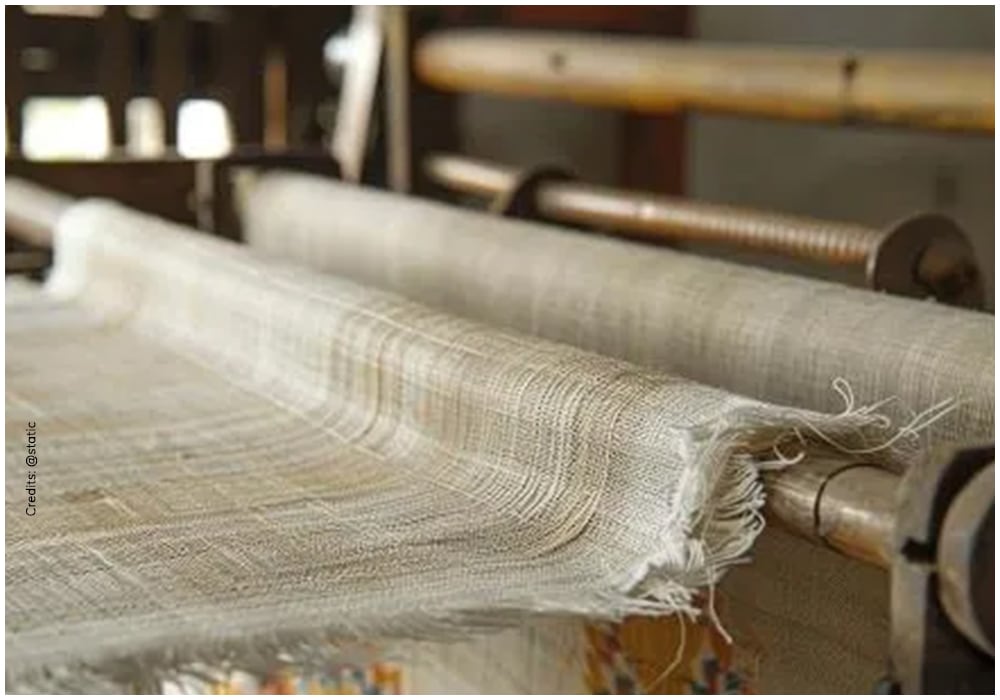
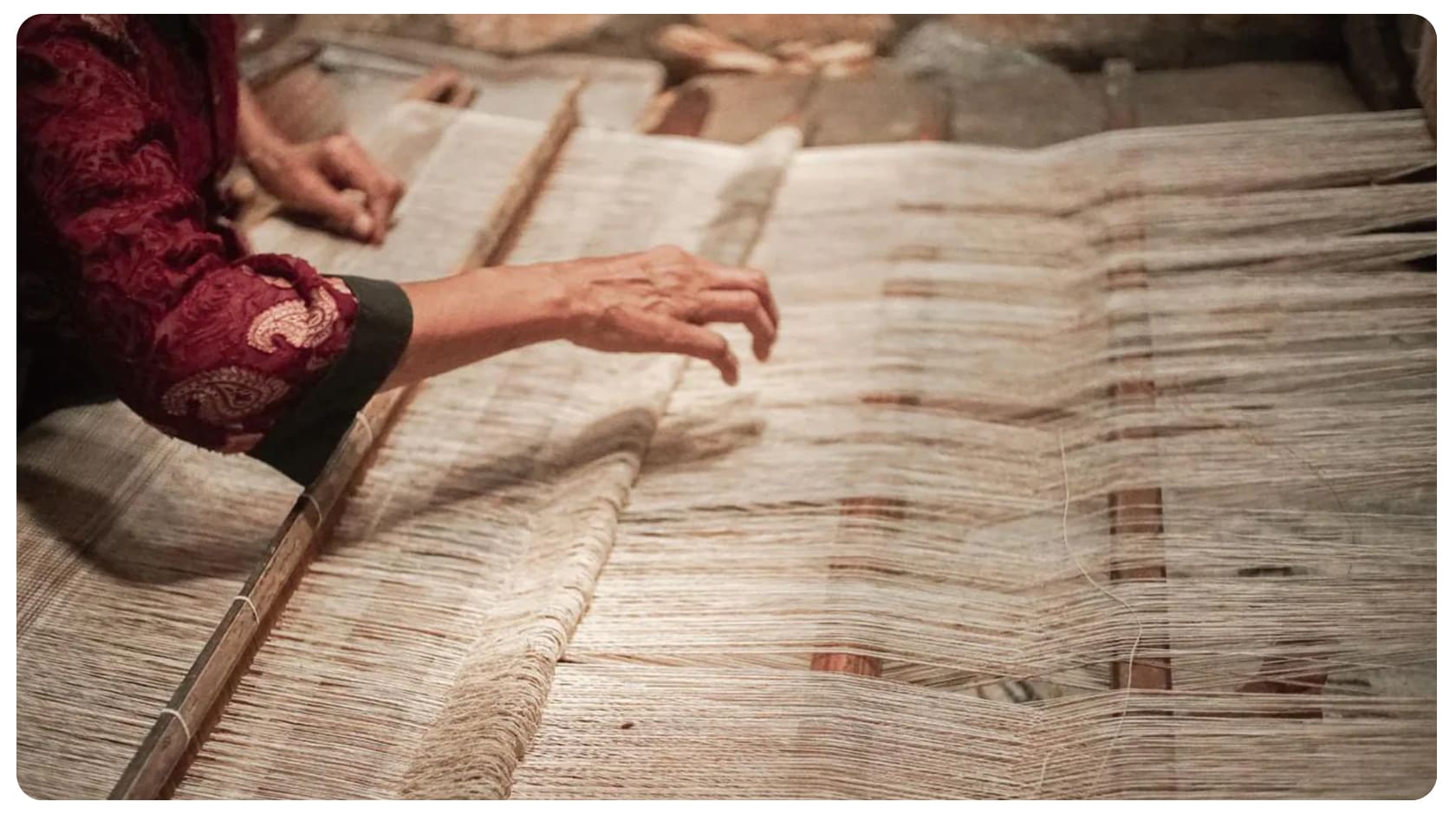
The word "Khadi" comes from "Khaddar," a term for handspun fabric. Unlike mill-made cloth, Khadi is entirely handmade. The yarn is spun by hand on a spinning wheel (charkha), and the fabric is woven on a handloom.
This manual process gives Khadi its unique characteristics:
Texture: It has a distinct, slightly rough, and porous texture that allows the skin to breathe.
Temperature Control: It is a versatile fabric that keeps you cool in summer and warm in winter.
Durability: While soft, the handwoven structure makes it incredibly durable.
While most people associate Khadi with cotton, it can also be spun from silk or wool, known as Khadi Silk and Khadi Wool respectively.
Tracing the Roots: An Ancient Legacy
While we strongly associate Khadi with the freedom struggle, its roots go much deeper. Historical evidence suggests that handspun cotton was used in the Indus Valley Civilization. Over centuries, Indian textiles like muslin and calico—early forms of handspun cloth—were prized globally for their fineness.
However, during the colonial era, India's textile industry suffered greatly as raw cotton was exported to England and finished machine-made cloth was sold back to India. This crippled the local artisans.
The Gandhian Revival
The true rebirth of Khadi began in 1918. Mahatma Gandhi realized that for India to be free, it first had to be self-reliant (Atmanirbhar). He launched the Swadeshi Movement, urging Indians to boycott foreign goods and embrace Khadi.
Gandhi didn't just advocate for wearing Khadi; he asked every Indian, regardless of caste or class, to spin their own yarn. The spinning wheel (charkha) became a powerful symbol of resistance and unity. Khadi became the "livery of freedom," empowering rural villages to find economic independence through weaving.
How Khadi is Made: The Art of Patience
Gandhi famously said, "The Khadi spirit means also infinite patience." The creation of this fabric is a slow, rhythmic process that connects the artisan to the earth.
1. Cultivation and Cleaning
The process begins in the cotton fields. Once the cotton bolls are harvested, they are cleaned to remove seeds and dirt. This involves a process called ginning (separating the fiber from the seed) and carding (disentangling the fibers to prepare them for spinning).
2. Spinning (The Charkha)
This is the most iconic step. The cleaned cotton fibers, called slivers, are spun into yarn using a charkha.
Traditional Charkha: The classic wooden wheel used by Gandhi.
Ambar Charkha: A more modern, multi-spindle version that increases productivity while still being hand-operated.
The spinning process twists the fibers together to create a strong thread.
3. Weaving (The Handloom)
The spun yarn is wound onto bobbins and set up on a handloom.
Warp and Weft: The weaver interlaces the vertical threads (warp) with the horizontal threads (weft) to create the fabric.
The rhythm of the handloom creates a fabric that is unique. Because it is handmade, no two lengths of Khadi are exactly the same. Slight irregularities in the weave are not defects; they are the signature of human hands.
4. Dyeing and Finishing
Once woven, the fabric is washed and often bleached or dyed. Traditionally, natural dyes were used, although eco-friendly synthetic dyes are also common today.
Significance and Symbolism
Khadi is perhaps the only fabric in the world that is a political statement.
Self-Reliance: It proved that a nation could sustain itself without depending on colonial powers.
Equality: By asking everyone from lawyers to farmers to wear the same simple rough cloth, Gandhi erased visible class distinctions.
Rural Economy: It provided a supplementary income for farmers during lean agricultural seasons, a model that continues to support millions of rural artisans today through the Khadi and Village Industries Commission (KVIC).
Khadi Today: From Freedom to Fashion
For decades after independence, Khadi was seen as politician's attire—stiff, white, and strictly formal. However, the 21st century has seen a massive rebranding of this heritage fabric.
The Sustainable Super-Fabric
In an era of climate anxiety, Khadi is the ultimate eco-friendly textile.
Zero Carbon Footprint: It requires no electricity to produce.
Water Efficient: It consumes far less water than mill-made fabrics.
Biodegradable: Being a natural fiber, it leaves no microplastics behind.
Global Appeal and Modern Design
Indian designers like Ritu Kumar, Sabyasachi, and Neeta Lulla have reimagined Khadi for the modern consumer. It is no longer just for kurta-pyjamas. You can now find:
Khadi Denims: A softer, eco-friendly alternative to jeans.
Western Wear: Chic dresses, jackets, and skirts with contemporary cuts.
Luxury Weddings: Elaborate lehengas and sherwanis made from fine Khadi silk.
The government has also pushed for "Khadi for Nation, Khadi for Fashion," leading to collaborations with major brands and availability in global markets. The fabric has shed its "boring" image to become a symbol of sophisticated, conscious living.
Conclusion
Khadi is not just a piece of cloth; it is a thought process. It represents a slower, more mindful way of living. It reminds us of the power of the human hand and the dignity of labor.
Whether you wear a crisp Khadi kurta for a festival or a stylish Khadi scarf for a meeting, you are carrying a piece of history. You are supporting a weaver in a remote village and choosing a fabric that breathes with you. As India moves forward as an industrial power, Khadi remains its grounding root—the sun of India's industrial solar system, shining bright with the promise of a sustainable future.
Aza Staff is a team of writers, creators, and industry insiders who live and breathe fashion. We explore the craft, culture, and creativity behind India’s luxury design scene, bringing you stories that are equal parts stylish and soulful.