

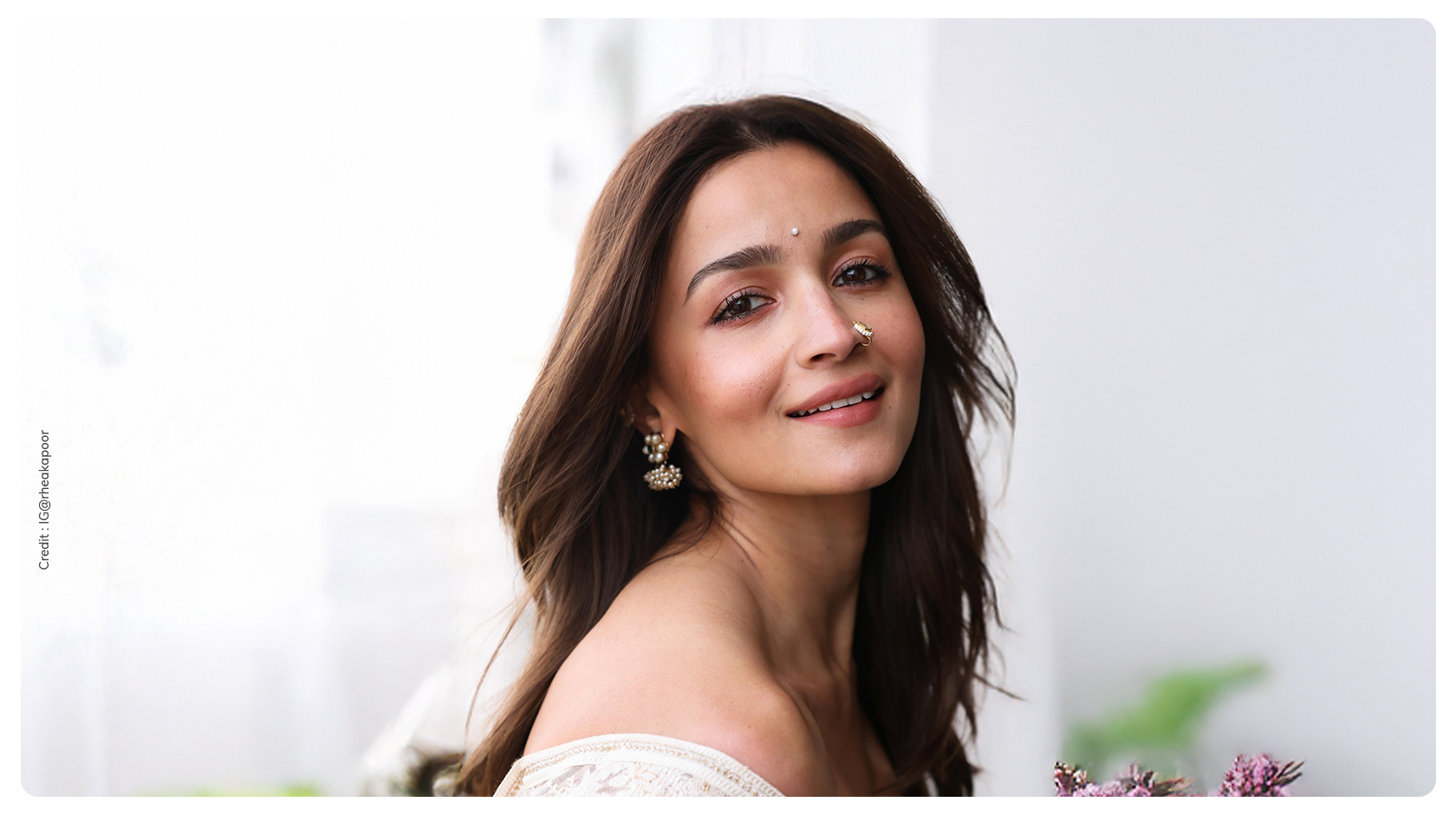
There is something quietly radical about a nose pin. It is small enough to be overlooked, yet impossible to ignore. It sits at the centre of the face, at the very place where breath enters the body, and for thousands of years, it has carried the weight of identity, devotion, culture, and beauty all at once. It has adorned queens and brides, goddesses in sculpture and heroines on screen. And now, in 2026, on the sun-drenched red carpet of Cannes, it is back louder and prouder than ever.
A Jewel Older Than Memory
The tradition of wearing nosepins, also known as naths, can be traced back to ancient texts, sculptures, and paintings dating back to the Indus Valley Civilization, around 2500–1500 BCE. In these artefacts, women are depicted adorning elaborate nosepins, indicating that the practice has been part of Indian tradition for thousands of years.
The question of origin, though, is a nuanced one. The nose pin came to India around the 16th century, likely through Mughal influence, and quickly became part of Indian culture, especially for women.

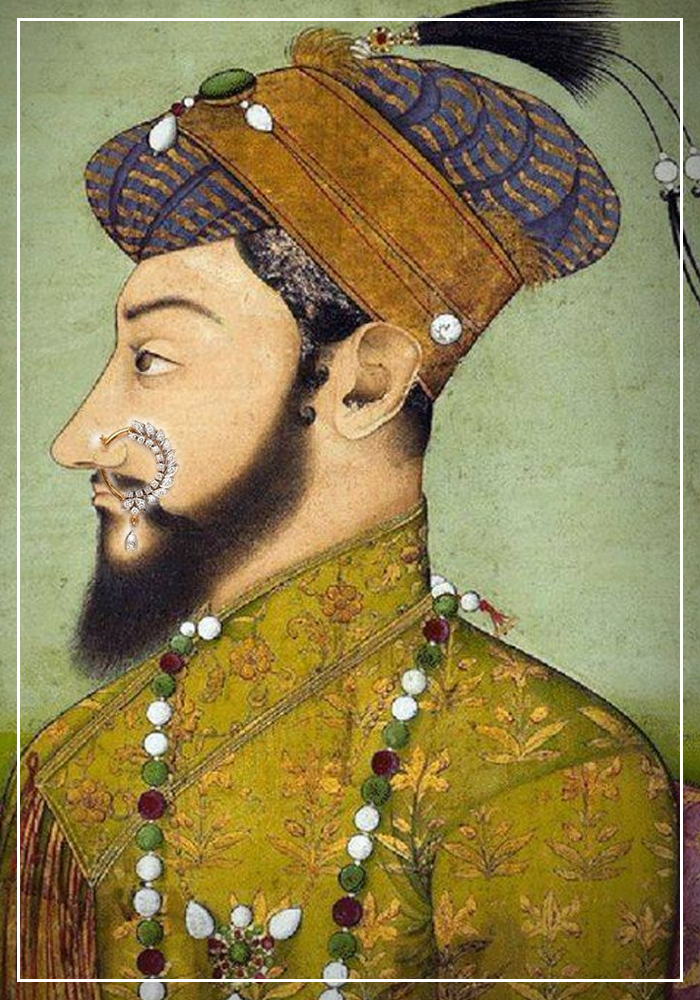

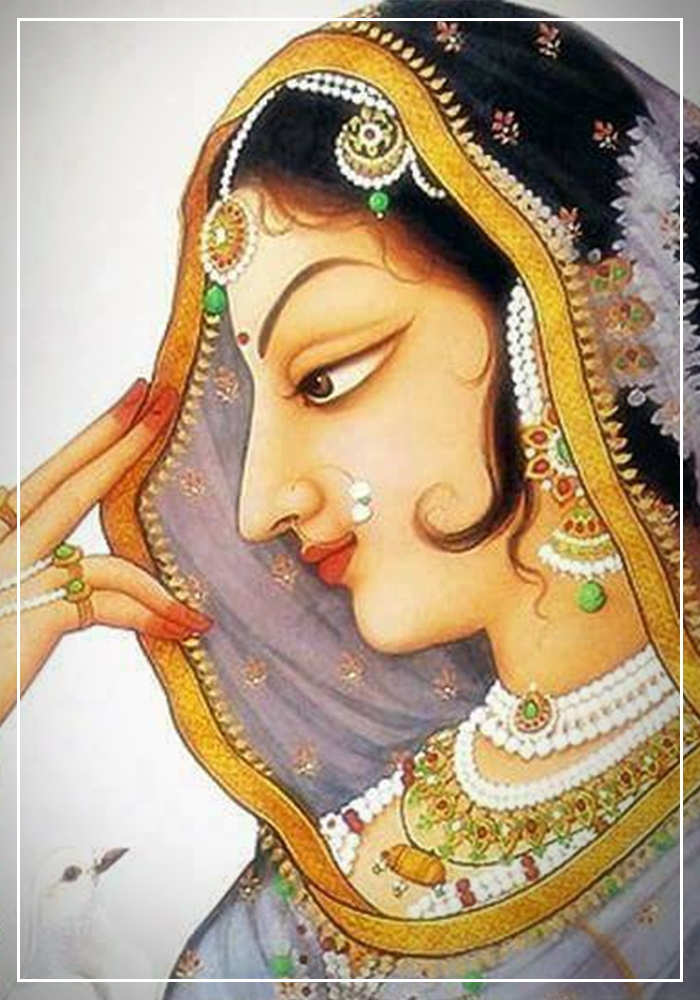
What started as royal fashion became a sacred tradition embedded in daily life and ceremony. Whether its roots lie in the Indus Valley or arrived with the Mughals from the Middle East, the nosepin was embraced by India so completely and for so long that it became entirely its own.
The significance of nosepins in Indian culture is also evident in various mythological stories and religious texts, where women are often described wearing nose ornaments as a symbol of beauty and marital status. Over the centuries, nosepins have evolved in design and style, reflecting changing fashion trends while still retaining their cultural and symbolic importance in Indian society.
The Many Faces of the Nath
India did not simply adopt the nosepin; it transformed it into a language. Every region speaks a slightly different dialect of it.
The Maharashtrian Nath is a larger version of the Nathni, with a bigger stud and chain. It is commonly worn by women in Maharashtra and is considered a part of their traditional attire, usually adorned with precious stones like pearls, rubies, or emeralds. The Phul nath, designed in the shape of a flower, is usually worn by women from Rajasthan and Gujarat during weddings and other traditional ceremonies. The Laung nath, which resembles a clove, is worn by women in North India, particularly in Punjab and Haryana.

Where you choose to pierce your nose is itself a reflection of your origins. States in North, West, and Central India favour the left nostril while South Indian ones prefer the right. Some cultures opt for both nostrils, think of the iconic singer MS Subbulakshmi and her signature style, while others add on a third in the form of a septum piercing.
In Hinduism, the left nostril is preferred, linking to Ayurveda, the left side connects to feminine energy and reproductive health. Wearing a nose pin here is believed to invoke blessings from Goddesses Parvati (marriage) and Lakshmi (wealth).
The bridal nath holds perhaps the most sacred place of all. This ornate nose ring is a key part of the solah shringar (16 adornments). It symbolises marital happiness and invites blessings from Goddess Parvati. The groom's ritual of removing it symbolises intimacy and union.
Bollywood's Long Love Affair with the Nath
Long before global runways took note, Bollywood was busy immortalising the nosepin on screen — not just as a costume accessory, but as a character in its own right. When a Hindi film heroine wears a nath, something shifts. She becomes rooted. She becomes recognisable. She becomes undeniably, powerfully desi.
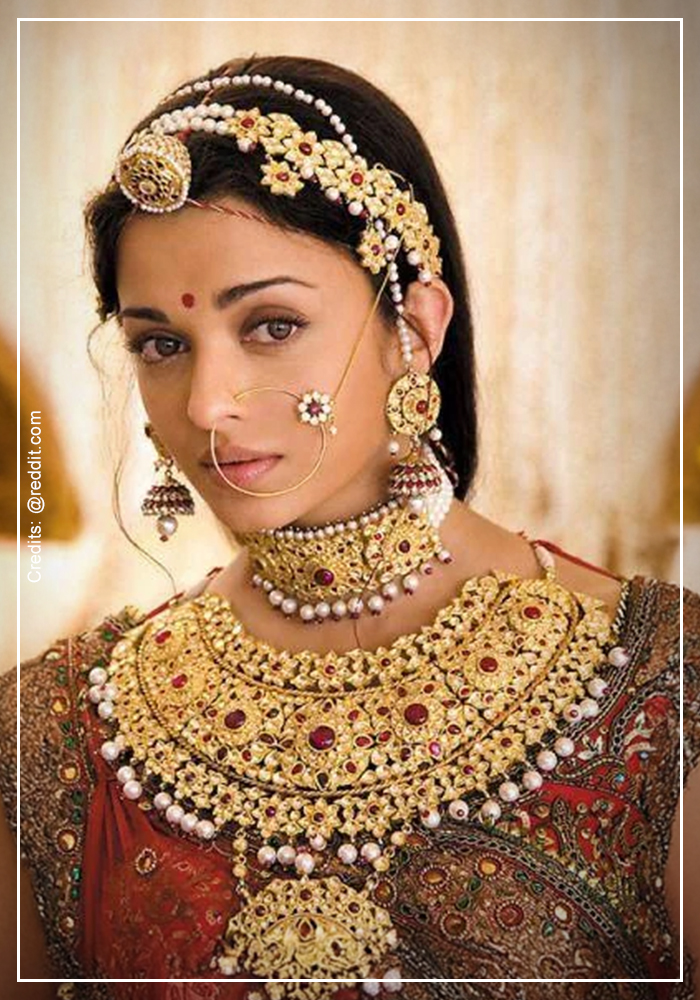
Aishwarya Rai in Jodhaa Akbar (2008)
Few nosepins in cinematic history have been as regal as Aishwarya Rai's nath as the Rajput princess Jodha. Paired with elaborate Mughal-era jewellery and silk-and-zardozi outfits, her nath was not merely an accessory, it was armour. It told you everything about who Jodha was before she said a word. The film remains a benchmark in how Indian period jewellery can be portrayed with authenticity and grandeur.
Kareena Kapoor in Ra.One — "Chammak Challo" (2011)
Kareena Kapoor Khan’s nosepin in the iconic "Chammak Challo" sequence was a different energy altogether — bold, playful, unapologetically glam. Set against sequinned costuming and high-octane choreography, the nath here was not bridal or demure. It was a statement of confident femininity, reminding audiences that the nosepin is as versatile as the woman who wears it.


Deepika Padukone in Bajirao Mastani (2015)
Deepika Padukone nose accessory as Mastani was as layered as the character herself — a warrior, a dancer, a lover. The jewellery in Bajirao Mastani was designed to blur the line between Mughal opulence and Maratha pride, and Deepika wore every piece with breathtaking ease. Her nath became part of the visual grammar of Mastani's very identity.
Anushka Sharma in Ae Dil Hai Mushkil (2016)
Anushka's nose pin as Alizeh was softer, more poetic, befitting a character who lived in the in-between spaces of love and longing. Styled with flowing kurtas and muted tones, the nosepin lent her character an almost classical grace. It was jewellery that whispered rather than shouted, and it was all the more affecting for it.

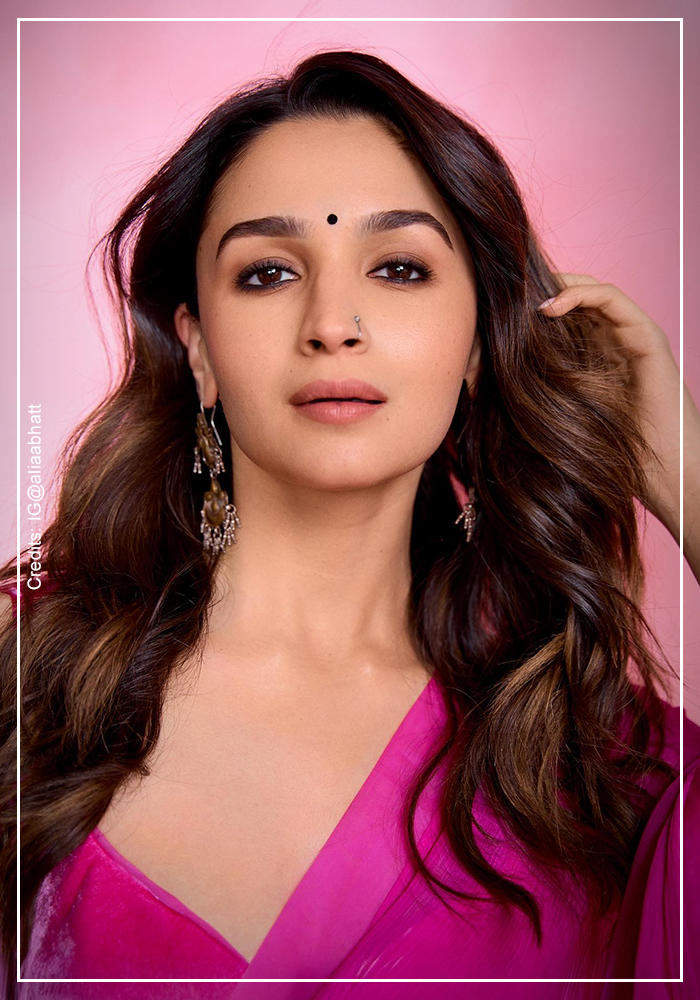
Alia Bhatt in Rocky Aur Rani Kii Prem Kahaani (2023)
Alia Bhatt's Rani was the nosepin's most recent cinematic champion before Cannes. Dripping in traditional jewellery, saris, and a personality as colourful as her wardrobe, Rani wore a nath that felt like a declaration of identity. Alia's nosepin that consisted of white beads appeared as if she were channelling Rani's energy from Rocky Aur Rani Kii Prem Kahaani.
How Two Indian Women Brought the Nath to Cannes 2026
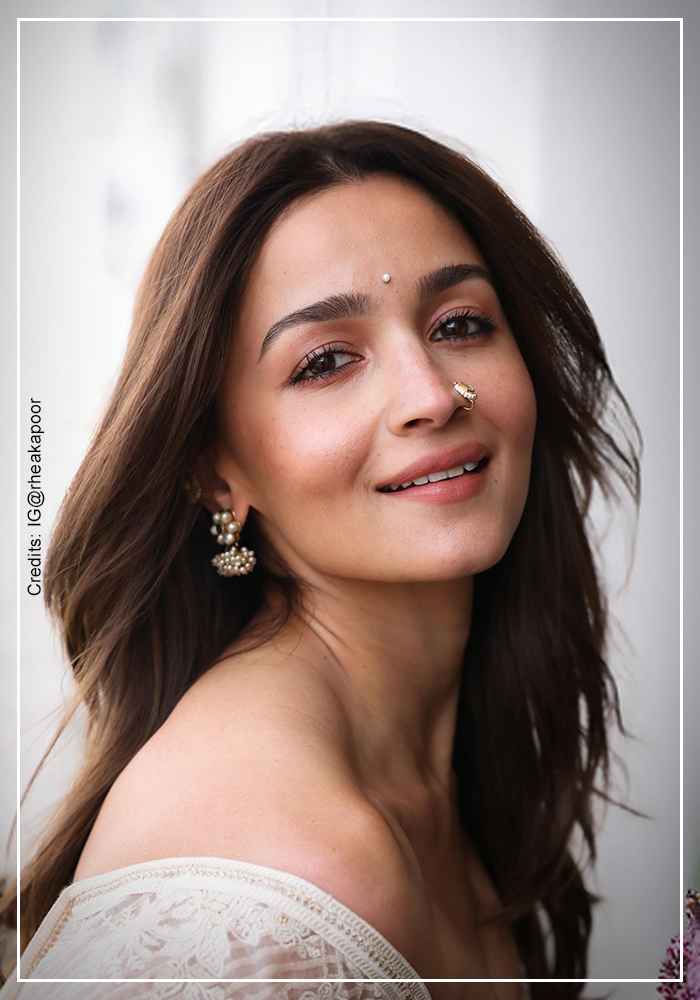
At Cannes 2026, the nath found a powerful revival on the global stage through two very different yet equally striking interpretations of Indian identity. Alia Bhatt embraced couture-meets-tradition in a custom ivory Tarun Tahiliani dupatta saree for the Bharat Pavilion inauguration, pairing her look with a delicate nose pin, bindi, hathphool, and payal, a combination that earned her the internet’s “Desi Bridgerton” title.
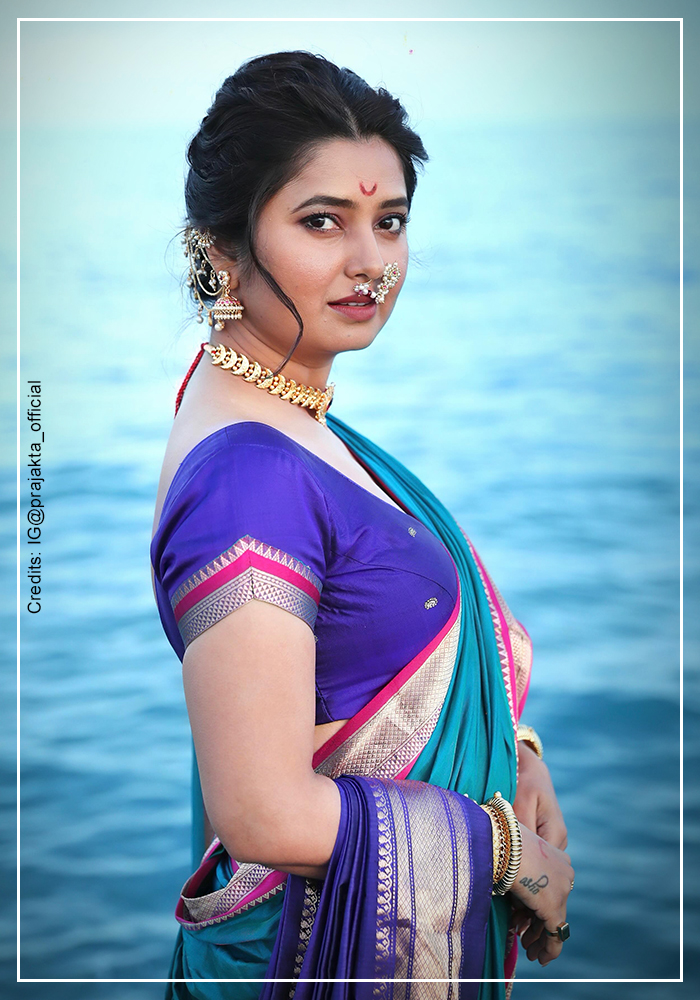
Meanwhile, Marathi actress Prajakta Mali chose heritage over convention, walking the red carpet in a royal blue-and-purple Nauvari saree styled with a traditional Maharashtrian nath that carried extraordinary history: a 115-year-old heirloom from the Sawant royal family of Akluj. Together, their appearances proved that the nosepin is no longer confined to tradition alone — it can be both couture and culture, modern and deeply rooted, all at once.
The Nose Pin's Place in India Today
The nosepin has never truly gone away in India. Walk through a wedding mandap, step into a classical dance recital, watch a festive puja — and you will find it there, gleaming, significant, alive. What has shifted is the context in which it is now being celebrated.

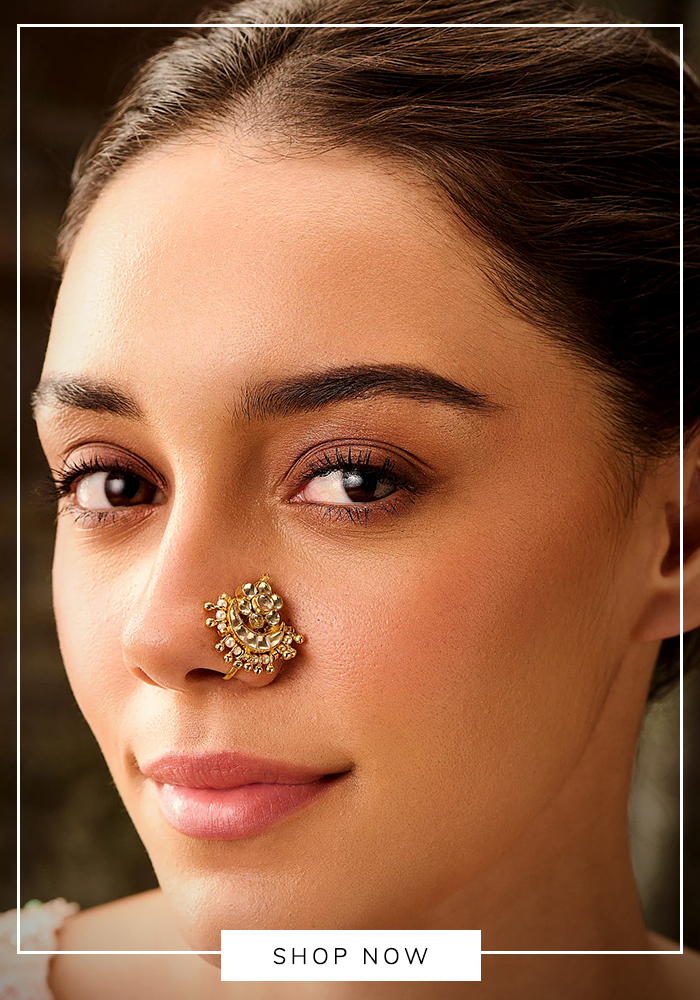
For generations, the nosepin was associated primarily with brides and grandmothers — the jewellery of tradition, worn out of obligation as much as choice. But today's young Indian women are reclaiming it on their own terms. It appears on office-goers pairing a tiny diamond stud with a blazer. It shows up on Instagram reels styled with co-ord sets. Despite changing fashion trends, the nosepin continues to be a timeless symbol of tradition and femininity in Indian society.
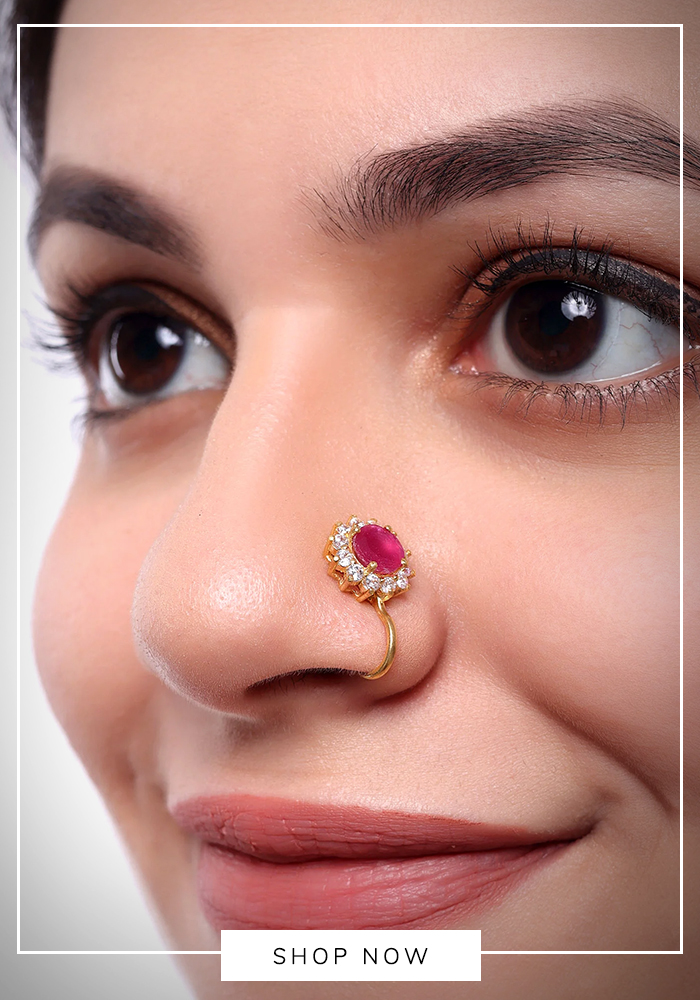
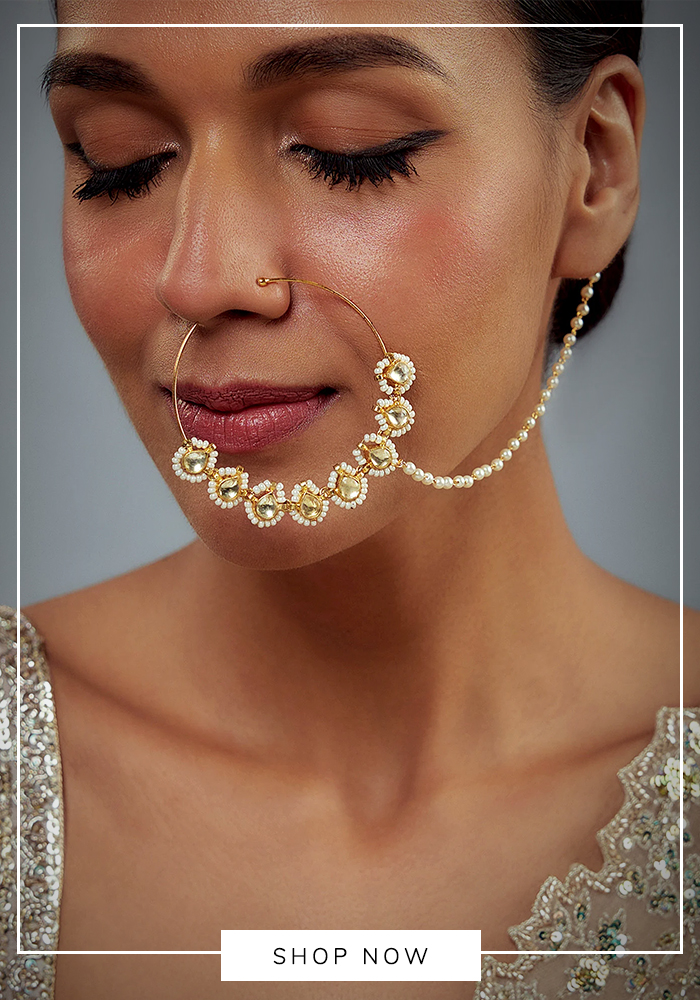
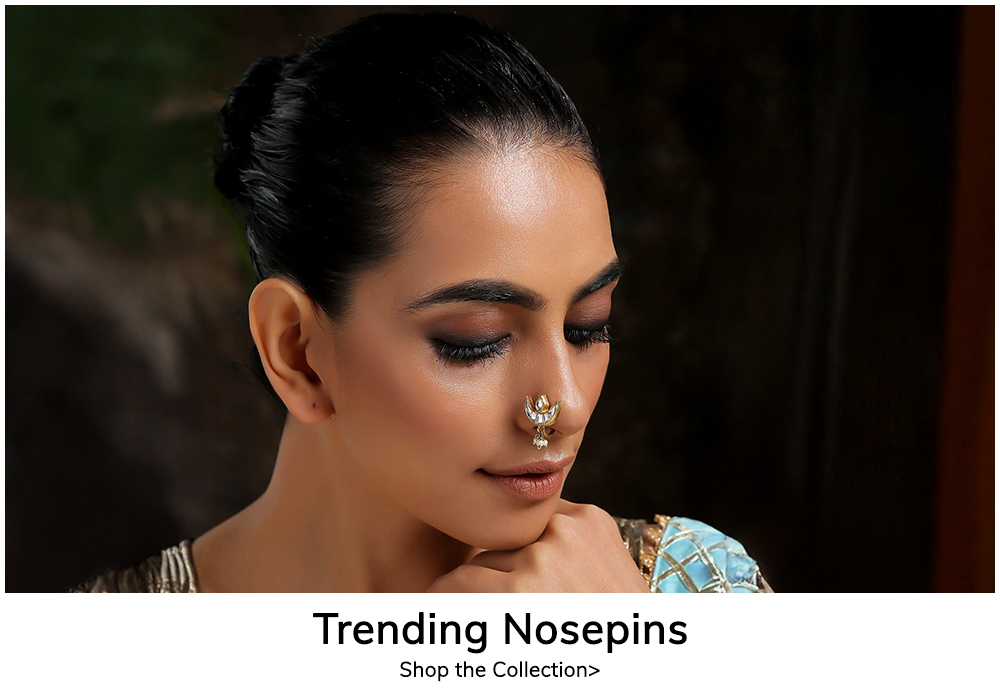
The jewellery market has reflected this renewed love. While some women prefer a more classic style that can be worn all day — like a natural diamond solitaire, a simple ring, or a mookuthi — others prefer more contemporary designs that can be changed as frequently as other jewellery. More elaborate designs are usually preserved for special occasions like weddings or religious ceremonies.
Why It Matters That the Nath Was at Cannes
There is a larger story being told here, beyond red carpet aesthetics. For decades, Indian actors on the international stage felt a pull toward Western silhouettes — gowns, suits, European couture — as if dressing "globally" meant dressing Western. The nosepin, the bindi, the payal, the nath — these were sometimes left at home, as if they needed to be translated before they could be understood abroad.

Alia Bhatt wearing a nath to inaugurate the Bharat Pavilion at Cannes, that is a very deliberate choice. It says: this is global. This, right here, is what India looks like when it is most itself. Prajakta Mali walking the red carpet in a 115-year-old royal Maharashtrian nath says something even more specific: my region, my history, my heritage, all of it is worthy of being seen.
Whether a simple silver nose pin or a grand wedding nath, its meaning is profound. The nose pin bridges the ancient and the contemporary, allowing wearers to connect to tradition, spirituality, and identity all at once.