


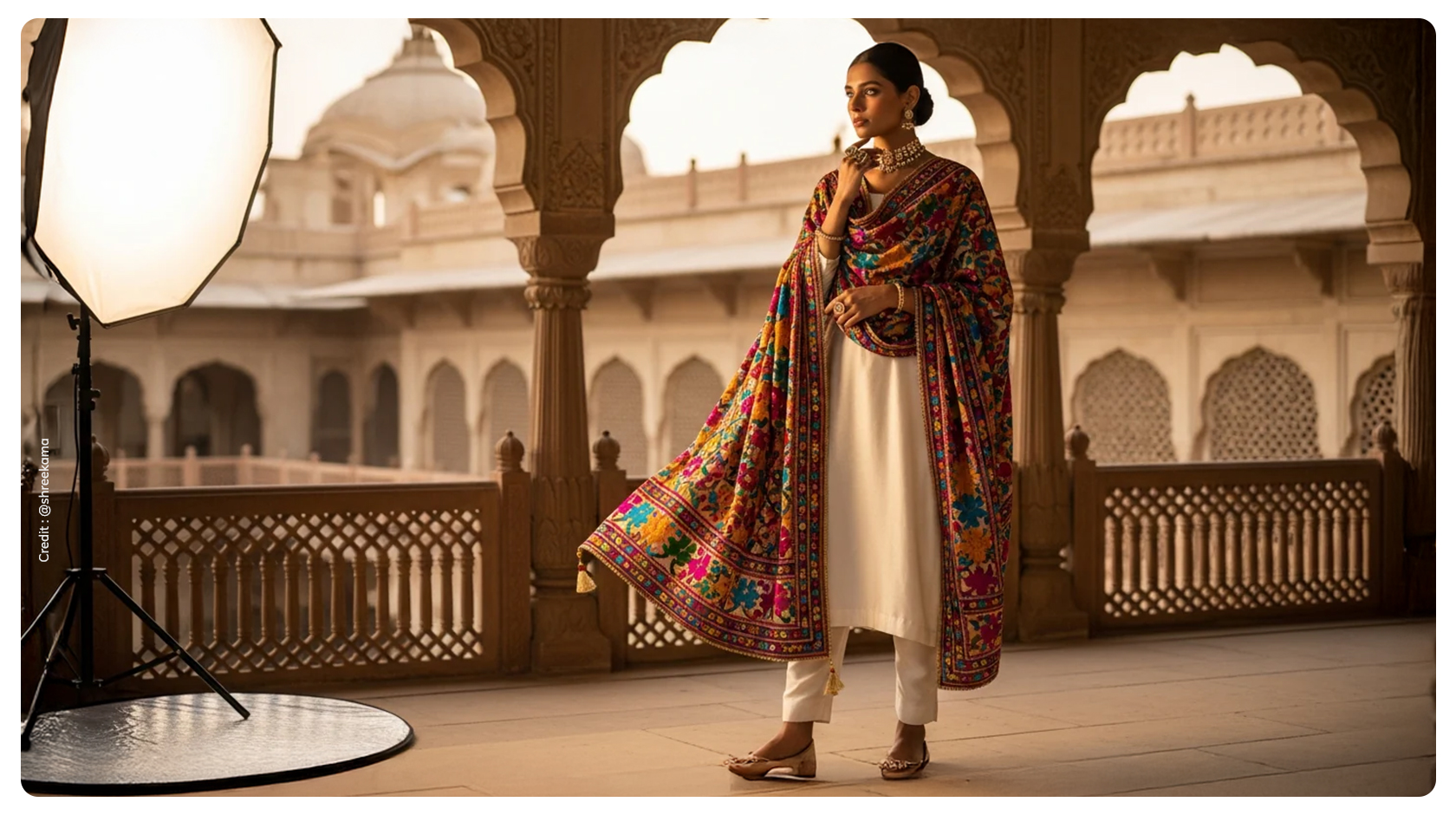
Your dupatta does more than complete an outfit. It sets the mood, frames your face, and decides whether your look feels casual, festive, or full-on royal. The good news? You can wear the same suit ten different ways just by changing how you drape it. Below are ten Punjabi dupatta styles, each matched to an occasion, fabric, and body type, so you always look balanced and feel comfortable.

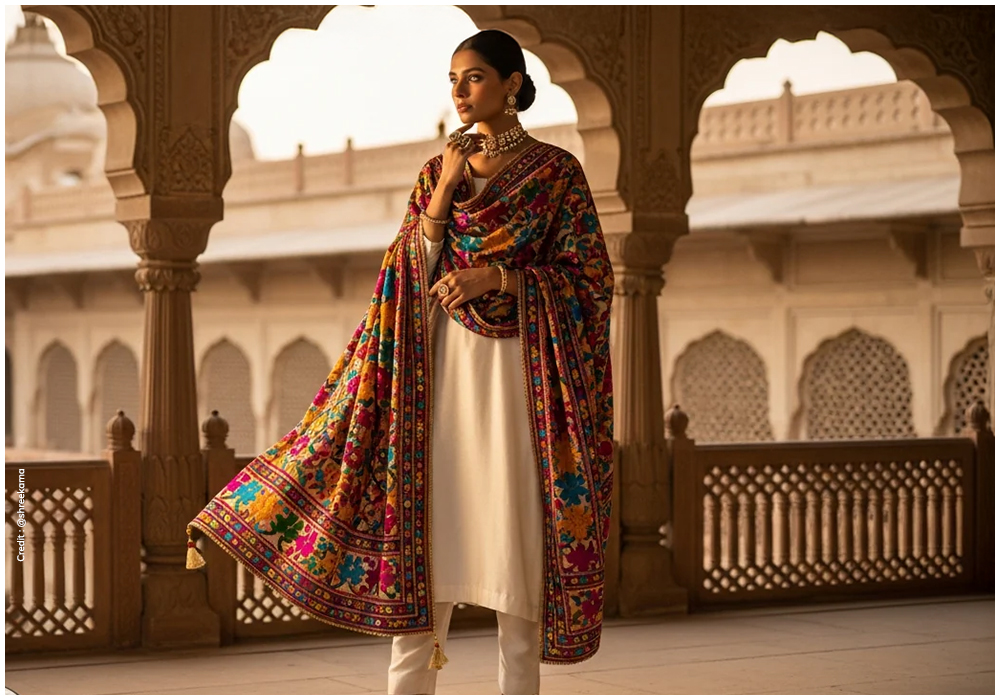
- Classic One-Shoulder Drape
Pleat the dupatta neatly and rest it over one shoulder. This works beautifully on everyday salwar suits and semi-formal days. A light cotton or chiffon dupatta sits flat and stays put with a single safety pin at the shoulder.
- Both-Shoulders Front Pleat
Drape evenly over both shoulders with crisp front pleats. This gives a polished, structured finish, perfect for office wear or family gatherings. It helps heavier fabrics look tidy and keeps movement easy.
- RajraniWrap for Patiala Suits
Pleat the dupatta, pin it on one shoulder, then pull the inner edge across to the other side to form a soft cowl. This wrap-around drape flatters Patiala suits and adds royal flair without bulk. Ideal for festive lunches and pujas.
- Around-the-Neck Stole Style
Fold lengthwise and loop it around your neck like a stole. This is your go-to for casual days and travel because it keeps your hands free. Lightweight cotton suit sets suit this relaxed look best.
- Belted Dupatta Drape
Drape over one shoulder, wrap loosely at the waist, and cinch with a slim belt. This modern style defines your waist and balances a fuller frame. Great for parties and festive wear where you want structure and a fashion-forward edge.
- Diagonal Drape for Anarkali Suits
Sweep the dupatta diagonally across the body and pin at the opposite hip. The clean line elongates your silhouette, making it a smart pick for petite frames and flowing Anarkali suits. Lovely for engagements and evening functions.
- Double Dupatta for Weddings
Layer one dupatta over a shoulder and a second across the opposite side. Mix a light fabric with a richer one to highlight embroidery. This regal pairing shines at weddings and sangeets where you want maximum impact.
- Side-Pinned Flowing Drape
Rest it on one shoulder and pin lightly at the waist, letting the rest fall free. The movement feels effortless, and the single pin keeps everything secure while you walk or dance. A reliable all-rounder for Punjabi suits.
- Heavy Dupatta Pleat-and-Pin
For zardozi or heavily worked dupattas, pleat tightly, then anchor with pins at both the shoulder and waist. Keep the kameez simple so the dupatta stays the star. This balances weight and prevents slipping during long events.
- Saree-Pallu Drape
Tuck one corner at your waist, take the fabric around the back, and bring the edge over your shoulder like a pallu. This fusion style turns a plain suit into a showstopper for receptions and special celebrations.
Final Tips for a Flattering, Secure Drape
Match fabric to drape: light chiffon for free-flowing looks, structured silk for pleated styles. Use transparent pins to lock heavy fabrics in place. And choose a drape that balances your shape, diagonal lines lengthen, belts define, and free falls add softness. Try a few, then make each style your own.

