


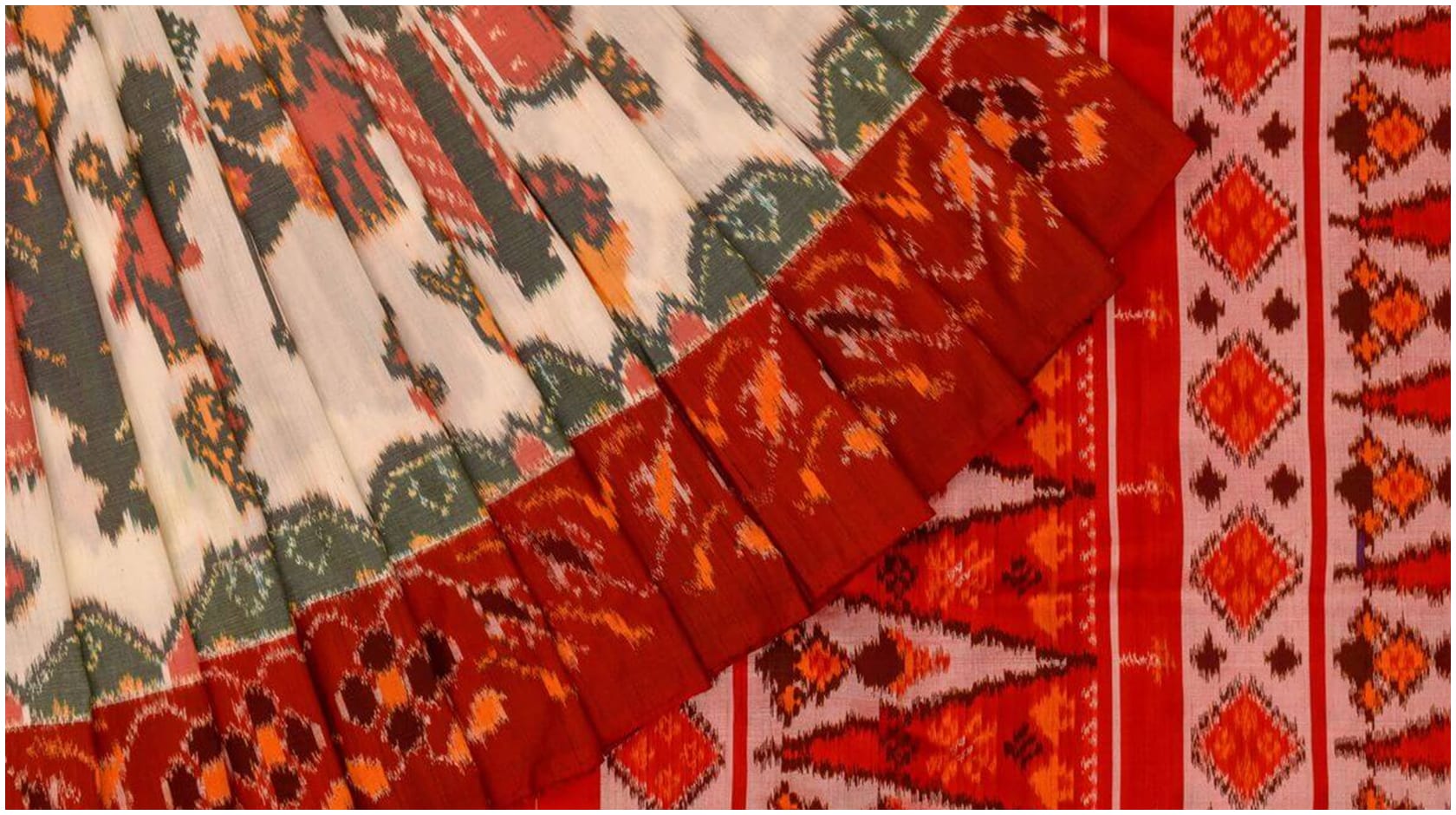

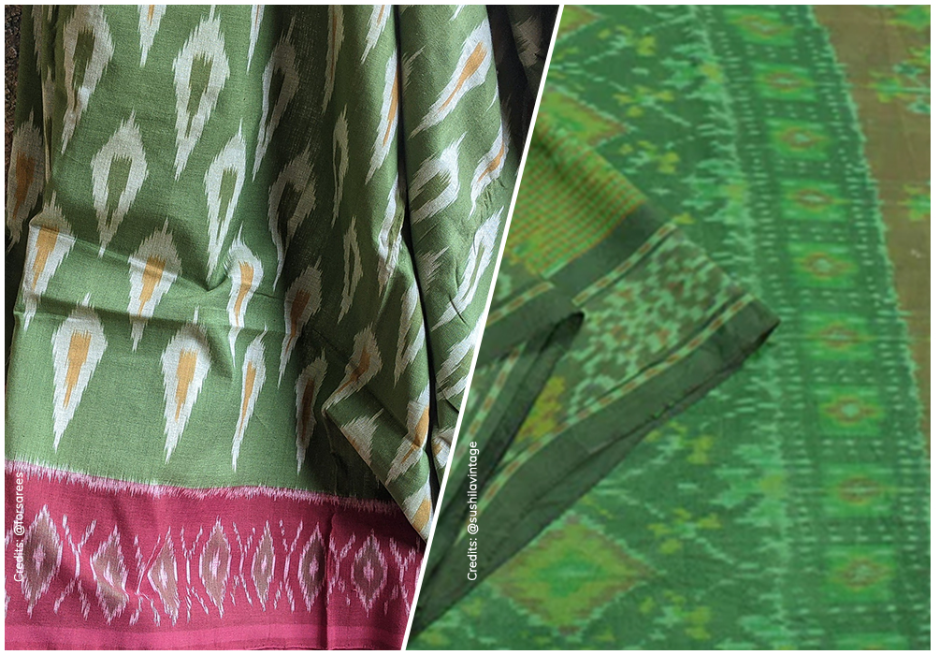
In the vibrant world of Indian handlooms, few textiles are as mesmerizing as those created with the Ikat technique. The intricate, blurry patterns have a unique charm, but within this ancient art form, one style stands out for its precision and geometric beauty: the Pochampally saree. Hailing from the town of Bhoodan Pochampally in Telangana, these sarees are a magnificent example of Ikat weaving and a testament to the incredible skill of their creators.
This blog post will unravel the threads that connect the general technique of Ikat to the specific artistry of Pochampally. We will explore the complex double ikat designs, the history behind these Telangana handlooms, and what makes a Pochampally saree a cherished heirloom. You will gain a new appreciation for the mathematical precision and creative soul woven into every piece.
Understanding the Art of Ikat
Before diving into the specifics of Pochampally, it is essential to understand the master technique behind it: Ikat. The word "Ikat" comes from the Indonesian word "mengikat," which means "to tie" or "to bind." This is a resist-dyeing method where bundles of yarn are tightly bound with waterproof material in a pre-determined pattern and then dyed. The bound sections resist the dye, while the unbound sections absorb the color.
This process can be repeated multiple times to create multi-colored patterns. Once the dyeing is complete, the yarns are unbound and then woven into fabric. It is this unique process of dyeing the threads before they are woven that gives Ikat its characteristic "feathery" or blurred edges. Unlike other dyeing methods where the pattern is printed on finished cloth, in Ikat, the design is embedded within the threads themselves. This requires immense foresight and skill from the artisan.
There are three main types of Ikat weaving:
- Warp Ikat: Only the warp (vertical) threads are dyed.
- Weft Ikat: Only the weft (horizontal) threads are dyed.
- Double Ikat: Both the warp and weft threads are resist-dyed before weaving. This is the most complex and prized form of Ikat.
Pochampally: The Ikat of Geometric Precision
While Ikat is practiced in various parts of the world, including Odisha and Gujarat in India, the style from Pochampally has a distinct identity. Known as Pochampally Ikat, it gained Geographical Indication (GI) status in 2005, protecting its unique heritage. What sets it apart is its strong emphasis on intricate, sharp geometric patterns.
The weavers of Pochampally are masters of creating complex designs featuring squares, diamonds, circles, and abstract motifs. Unlike the often curvilinear and blurry patterns of some other Ikat traditions, Pochampally Ikat is celebrated for its clarity and precision. This is a result of the weavers' exceptional ability to align the dyed threads on the loom with mathematical accuracy.
The region of Pochampally is particularly famous for its mastery of the double ikat designs. In this incredibly difficult technique, both the warp and weft threads are resist-dyed with such precision that when they are woven together, they form a perfectly matched pattern. Creating double ikat is like solving a complex puzzle on the loom. A single mistake in tying or dyeing can disrupt the entire design, making the finished product a true masterpiece of craftsmanship.
The Making of a Pochampally Saree
The creation of a Pochampally saree is a long and laborious process that involves the entire family or community of weavers. It is a symphony of calculation, skill, and artistic intuition.
Step 1: Designing and Graphing
The journey begins on paper. The master weaver first draws the intricate geometric design onto a graph paper. This graph serves as the blueprint for the entire dyeing process, dictating exactly which parts of the yarn need to be tied.
Step 2: Tying and Dyeing
Bundles of silk or cotton yarns are stretched out. Following the graph, artisans meticulously tie sections of the yarn with rubber strips or cotton threads. The bundles are then dipped into vats of dye. The process is repeated for each color in the design, with the yarn being tied and untied multiple times to achieve the desired pattern. This step alone can take several days.
Step 3: Preparing the Loom
Once the dyeing is complete, the threads are carefully arranged on the loom. This is the most critical stage, especially for double ikat designs. The weaver must align the patterned warp threads on the loom and then skillfully weave the patterned weft threads through them, ensuring that the designs match up perfectly. Even a slight misalignment can ruin the pattern's sharpness.
Step 4: Weaving
Using a pit loom or frame loom, the weaver brings the saree to life, thread by thread. The rhythmic clatter of the loom is the sound of centuries of tradition being woven into a contemporary masterpiece. A single Pochampally saree can take anywhere from a week to over a month to complete, depending on the complexity of the pattern.
The Cultural Significance of Pochampally Sarees
In Telangana, Pochampally sarees are more than just beautiful garments; they are a symbol of cultural identity and pride. They are worn during weddings, festivals, and other significant occasions. The vibrant colors and bold geometric patterns reflect the rich cultural heritage of the region.
The craft also provides a livelihood for thousands of artisans in Bhoodan Pochampally and the surrounding villages. In an effort to support this Telangana handloom tradition, the government and various organizations have worked to promote the craft on a global stage. The GI tag has been instrumental in protecting the weavers from imitation and ensuring that customers receive an authentic product.
Air India, the national carrier, once had its cabin crew wear specially designed Pochampally silk sarees, which brought the craft international recognition. This exposure has helped create a global market for these sarees, ensuring that this ancient art form continues to thrive.
A Legacy of Woven Geometry
A Pochampally saree is a celebration of human ingenuity. It represents the perfect marriage of art and mathematics, where abstract designs are brought to life through a complex and demanding process. The slight imperfections and feathered edges are not flaws but rather the signature of a true handwoven Ikat, a reminder of the human hands that tied, dyed, and wove each thread.
By choosing to wear a Pochampally saree, you are not just embracing a piece of fashion; you are becoming a custodian of a rich cultural legacy. You are supporting the artisan communities that keep this beautiful tradition of Ikat weaving alive and ensuring that the geometric magic of Pochampally continues to enchant the world for generations to come.

