


There is a tile-laying ritual happening in living rooms from Mumbai to Manhattan, and it has very little to do with luck. Mahjong, the century-old Chinese game of skill and pattern, has resurfaced as the social fixture of 2026, and it has arrived dressed for the occasion.
Hermès has a mahjong set. So does Prada, Ralph Lauren and Jonathan Adler. Sarah Jessica Parker plays. Julia Roberts plays. Drew Barrymore hosts. What was once an afternoon pastime associated with grandmothers and community halls is now a fixture of the considered home, the considered wardrobe and, increasingly, the considered evening.
For a generation raised on doomscrolling, mahjong offers something screens cannot: a table, four players, and hours of unhurried attention. That slowness is precisely the point, and it explains why the game has found its way into fashion's vocabulary rather than staying confined to game rooms.

A Game Built for the Table, Not the Trend Cycle
Mahjong was born in and around Shanghai in the mid-1800s, evolving from earlier card games into the tile-based form played today. Four players, 144 tiles, and a structure of skill, strategy and a measure of chance that has kept it relevant across three centuries.
What is different now is the room around the game. Hotels including The Standard, the Ace and the East Village outposts in New York now host mahjong nights as a draw in their own right. Interior designers report a rise in requests to design a dedicated mahjong corner within a home, the same way a client might once have asked for a reading nook or a bar cart. The game has moved from occasional pastime to architectural consideration, and that shift says something about how people want to spend an evening in 2026: present, seated, and dressed for it.


The Sets That Started the Conversation
No trend earns a place in fashion editorial without an object to anchor it, and mahjong has several. At the upper end, Hermès offers a set in solid mahogany and cassia wood, priced as a true collector's piece rather than a game. Prada's version arrives in Saffiano leather with acrylic resin tiles, a quieter, more architectural take built for a different kind of evening. Ralph Lauren, Jonathan Adler and a wave of independent ateliers have followed with sets in lacquer, lucite and monogrammed rack finishes, each one designed to live on a console table as comfortably as it lives mid-game.
The detail worth noting is craft, not price. The tiles are weighted by hand, the cases are stitched the way a handbag would be, and the boxes are built to be displayed, not stored away after one round. This is the same instinct that drives interest in hand-embroidered zardozi or hand-block printing: a respect for the object that took time to make.

What This Has to Do With Getting Dressed
Mahjong's revival sits inside a broader cultural turn toward what some have called “grandma hobbies,” analog pursuits like needlepoint, puzzles and watercolour that offer a counterweight to constant screen time. But where those hobbies stayed largely private, mahjong became a social ritual, and social rituals come with a dress code.
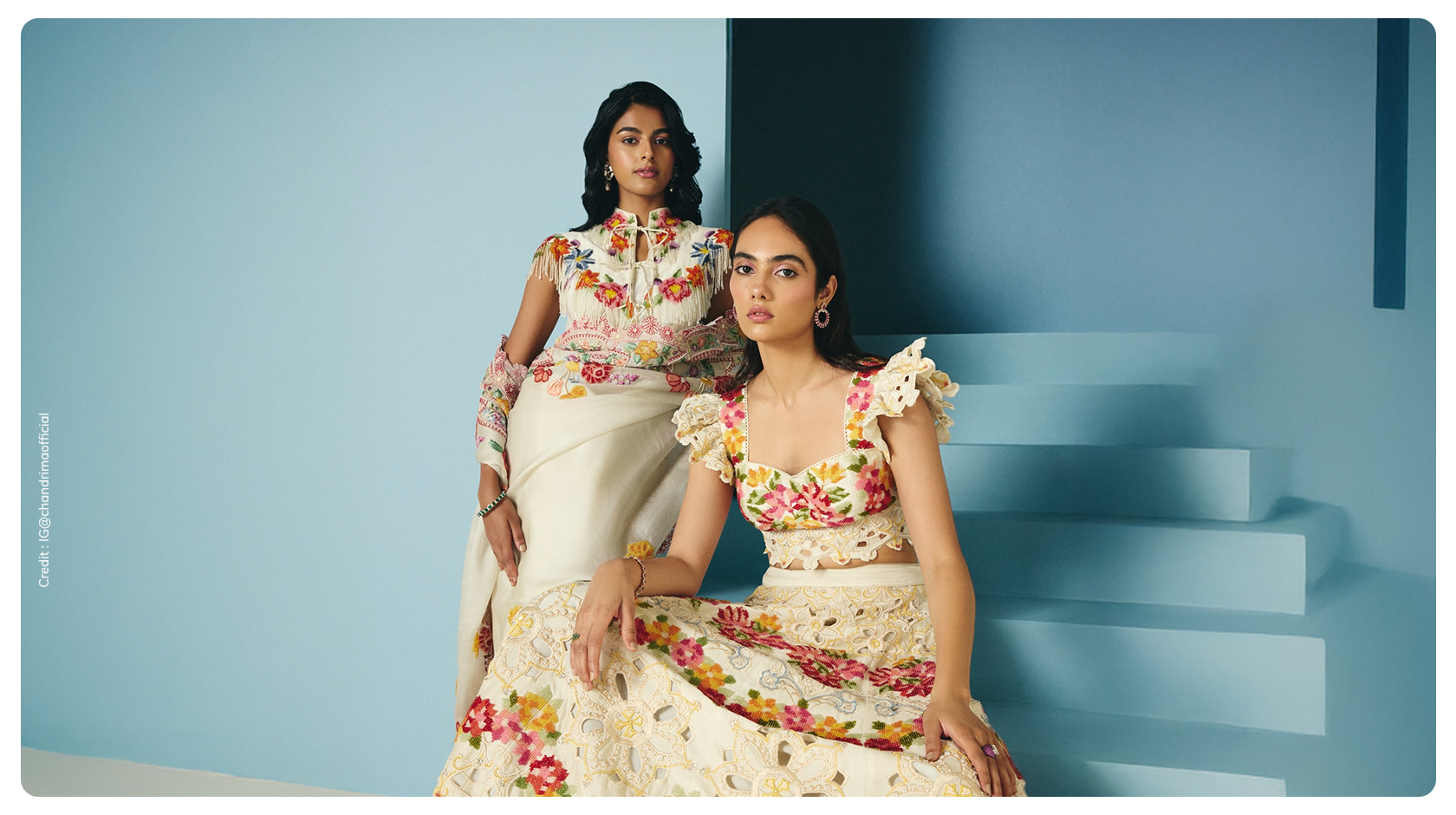
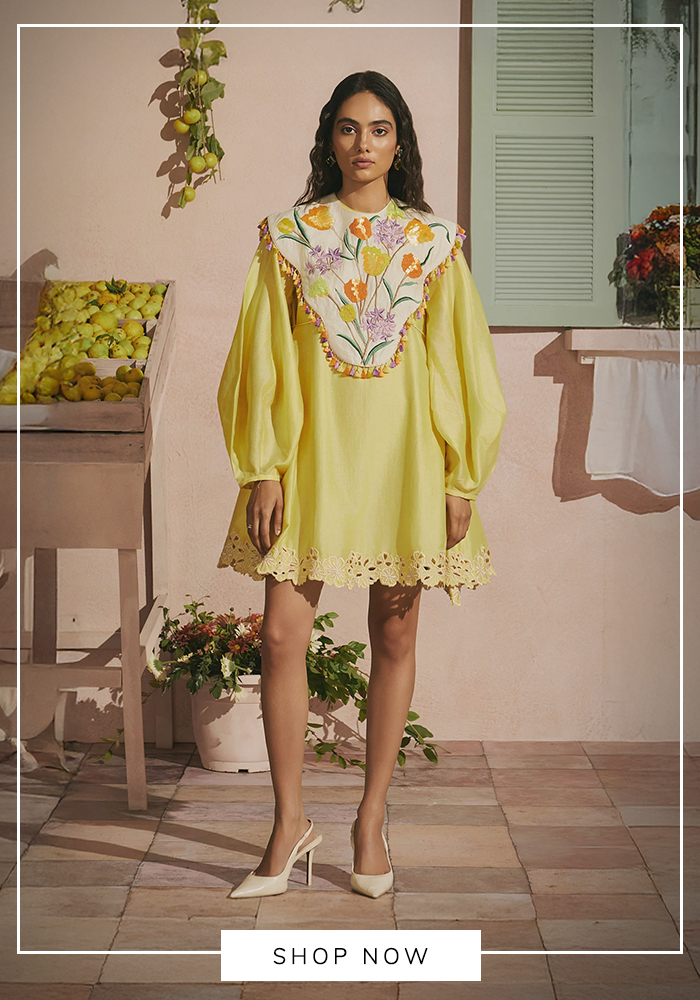
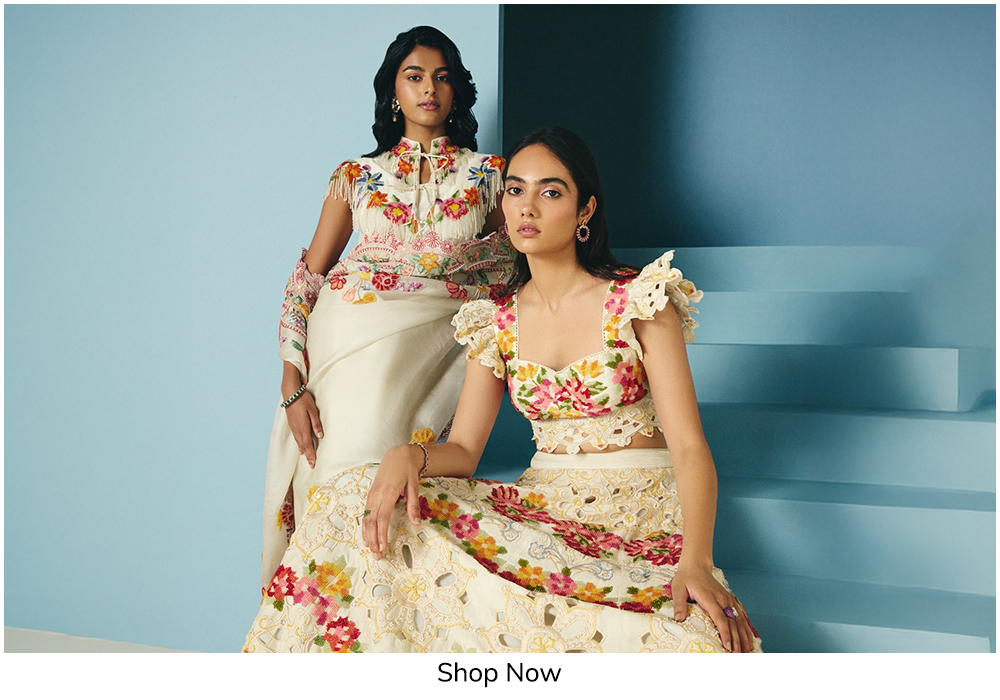
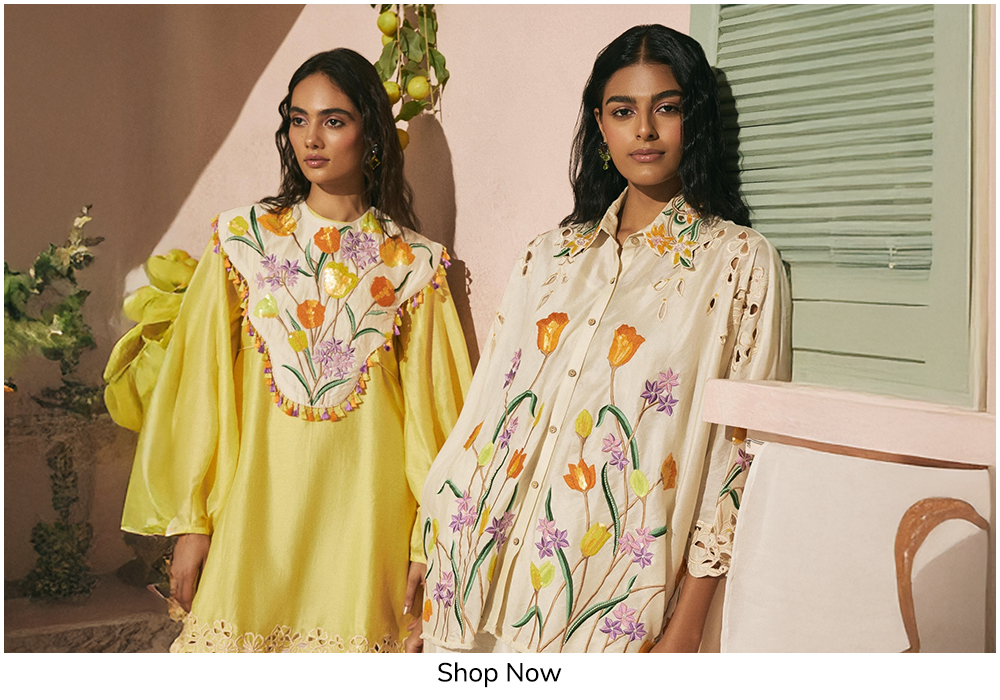
The emerging etiquette around mahjong style follows a clear logic, even if it has not been written down before now. The defining quality is comfort that still reads as considered. A round can run well past twenty minutes, and a full evening can stretch across several, so the silhouette that wins is the one that holds its shape without restricting movement at the table. Think a relaxed kurta set rather than a fitted sheath, separates that allow a player to lean forward and reach across the table without adjustment, fabric with enough structure to photograph well under the warm light of a games room.
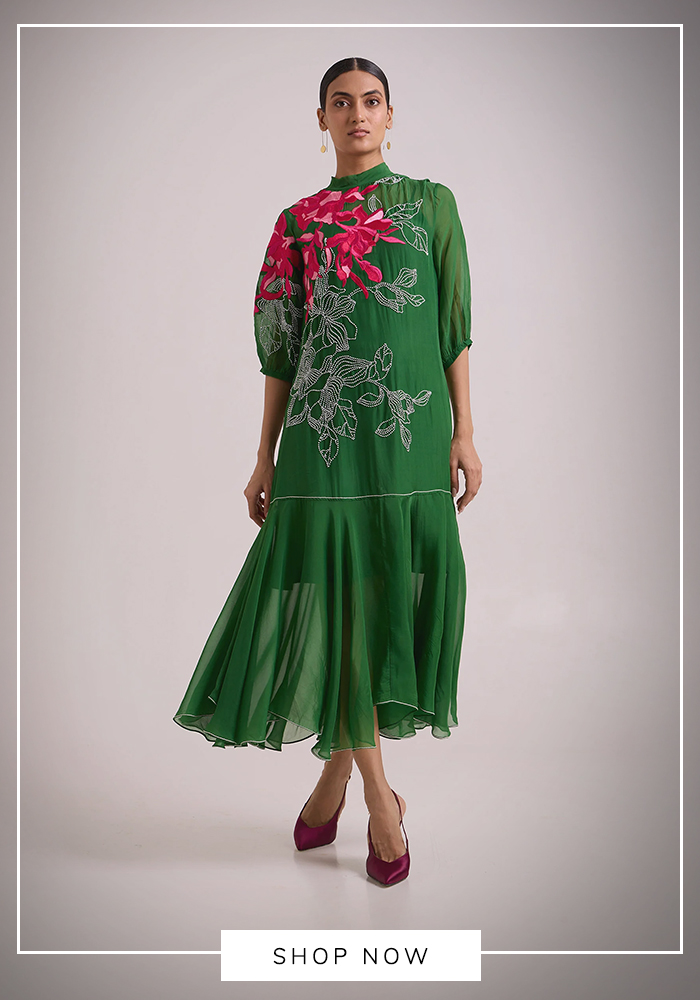
There is also a quieter layer of tradition worth understanding before borrowing it. In several mahjong circles, certain colours and objects carry meaning at the table. Some players avoid green, associated in parts of Chinese tradition with instability, while others lean on a personal token, a bracelet, a coin, a small piece of jewellery worn specifically for the game. None of this needs to be followed to the letter for a mahjong night to work, but it is worth knowing that the outfit is not purely decorative to everyone at the table. For some players, it is part of the ritual itself.
Hosting the Modern Mahjong Evening
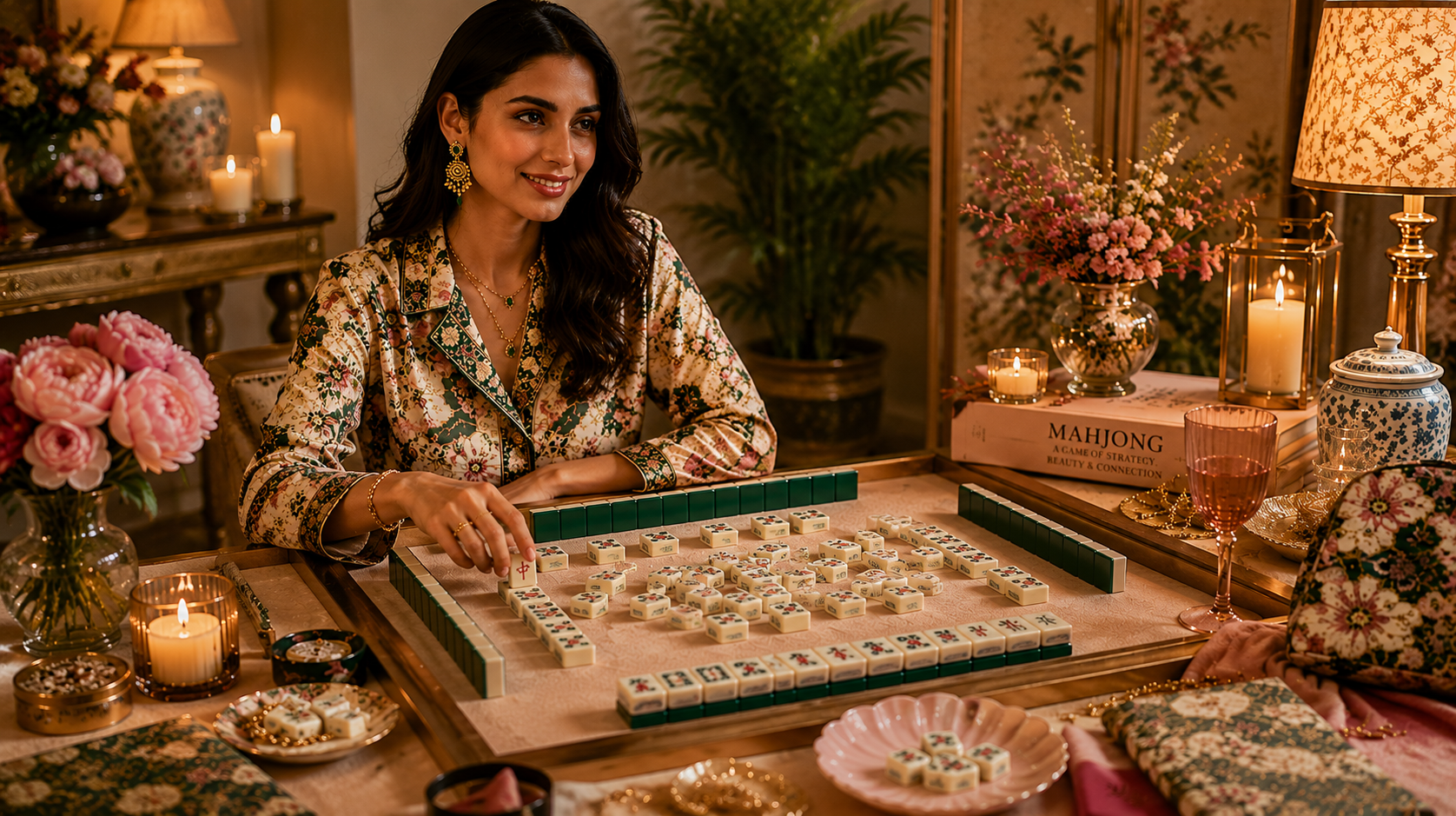
A well-dressed mahjong night starts before the tiles are laid. The most considered hosts are treating the evening the way they would treat a dinner party: a colour story for the table, soft lighting, a sequence of music that shifts from quiet to lively and back again as the night moves through its rounds.
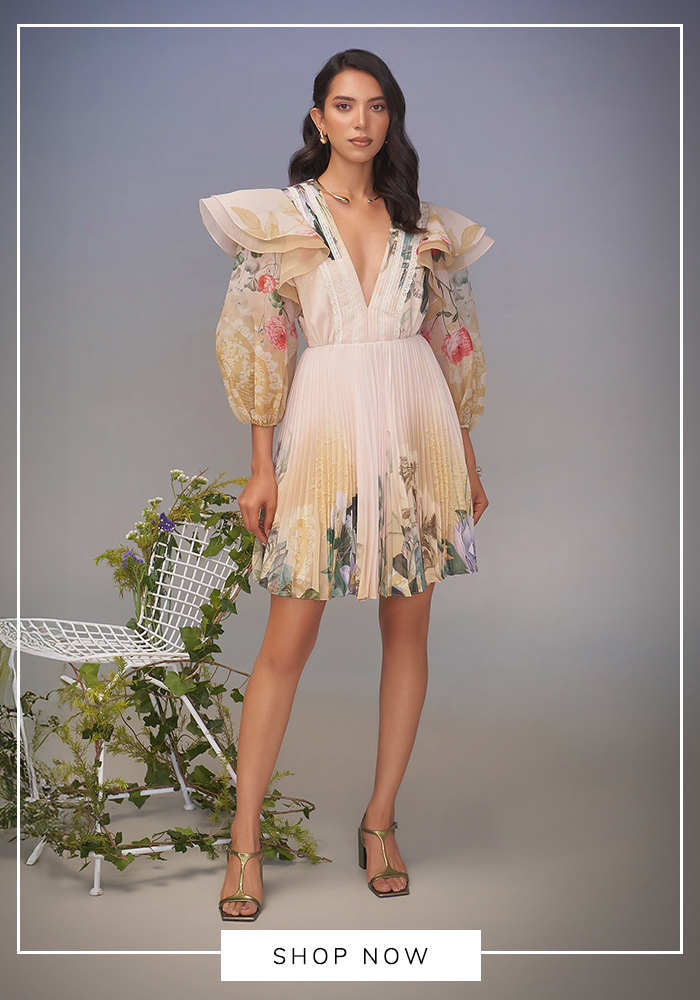
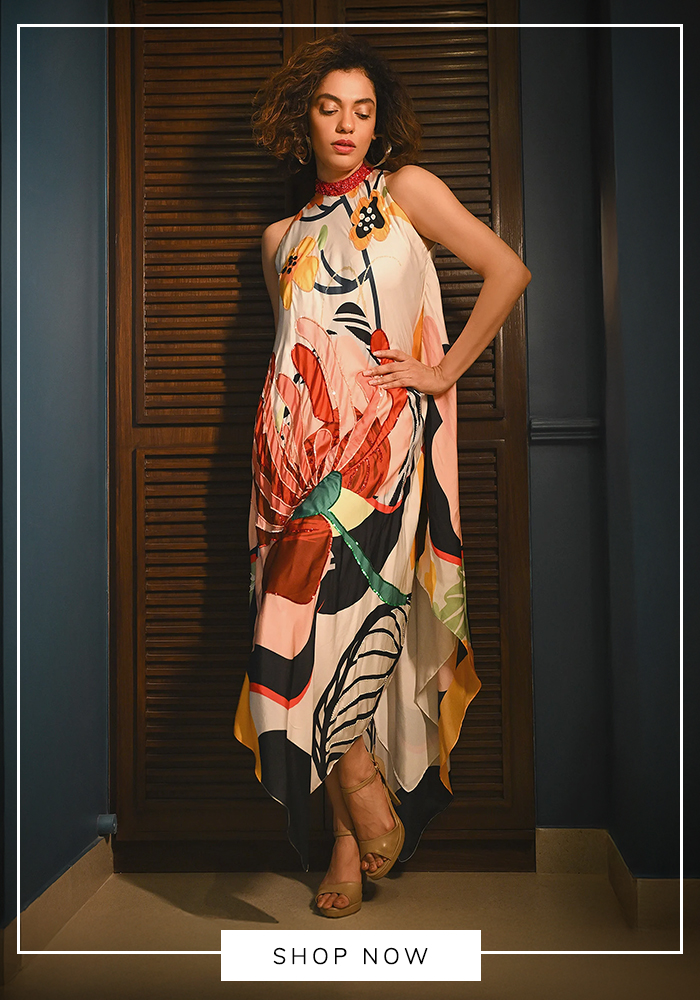
The wardrobe follows the same instinct. A co-ord set in a fabric with weight, raw silk, washed cotton, a fine matka, sits comfortably for hours and still feels appropriate when a guest looks up from their tiles. Jewellery should be considered carefully. Anything that catches on tile racks or fidgets during play works against the evening rather than for it, which is why many hosts are choosing a single statement piece, an ear cuff or a fine chain, rather than layering several.
For the women hosting and playing, the appeal of this moment is that it rewards restraint. A well-cut kurta set or a relaxed silk separate does more work here than an occasion-heavy outfit ever could, because the evening itself is the occasion, not a single dramatic entrance.
Why a Tile Game Has Editorial Staying Power
Trends that move quickly from runway to real life tend to share one quality: they offer a reason to dress up that has nothing to do with being seen. Mahjong gives people a reason to gather in person, dress with intention and put their phones away for a few hours, and that combination is rare enough in 2026 to have staying power well beyond a single season.
For now, the game continues to spread the way most lasting style moments do, slowly, through living rooms, hotel lounges and the kind of dinner table where someone eventually asks, only half joking, whether anyone brought a spare set.

