


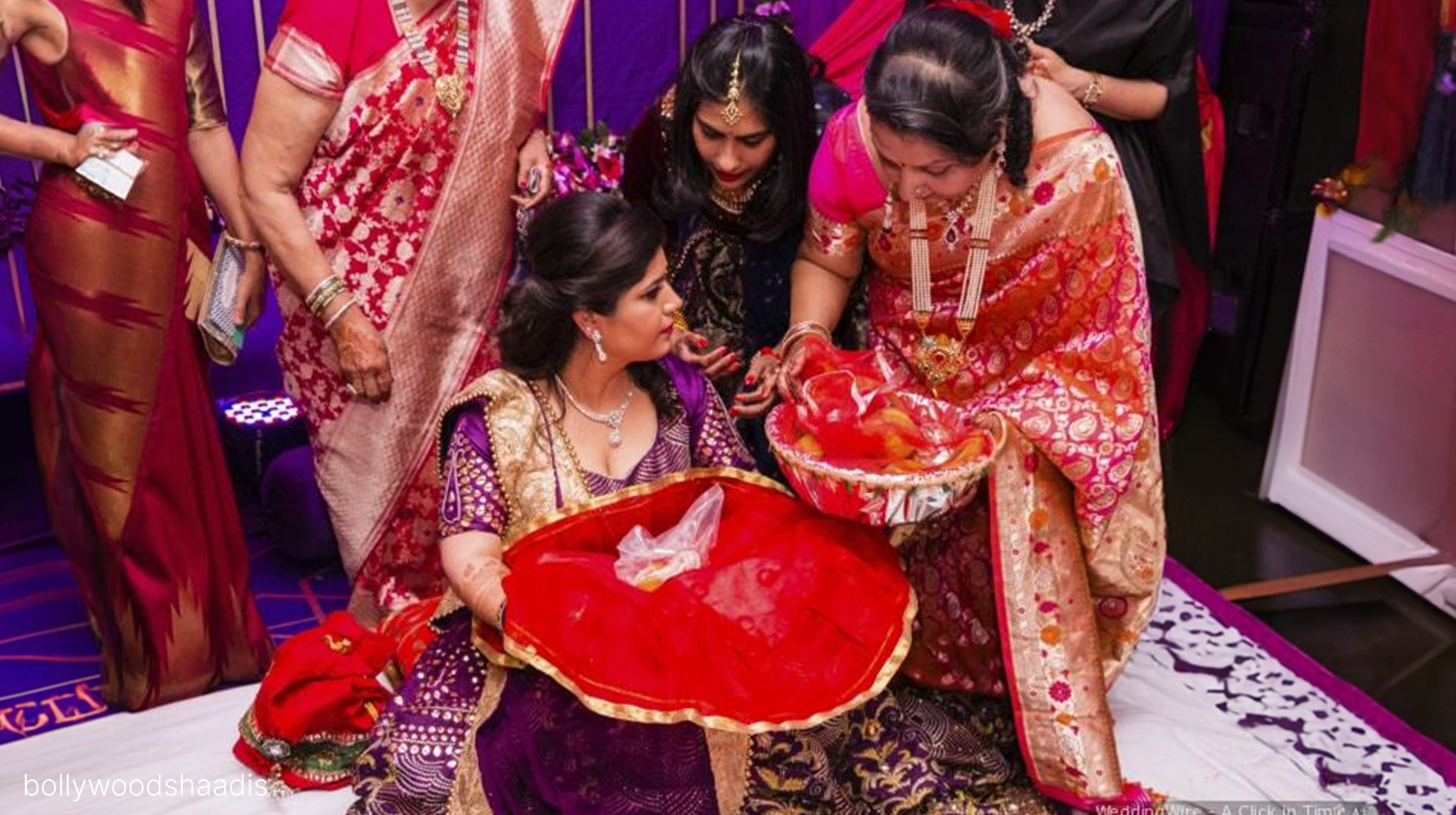
In Rajasthan a land where honor is worn like armor and tradition runs deeper than the desert sands no wedding ritual carries more cultural weight in its opening act than the Tilak Ceremony. Long before the Baraat rides out, before the Ghoomar is danced, and before the sacred fire witnesses the Saat Phere, there is this one foundational moment: the bride's family travels to the groom's home, presses a sacred mark upon his forehead, and declares to the world this man is chosen, this alliance is sealed, and our word is given. In Rajasthan, that word is everything.

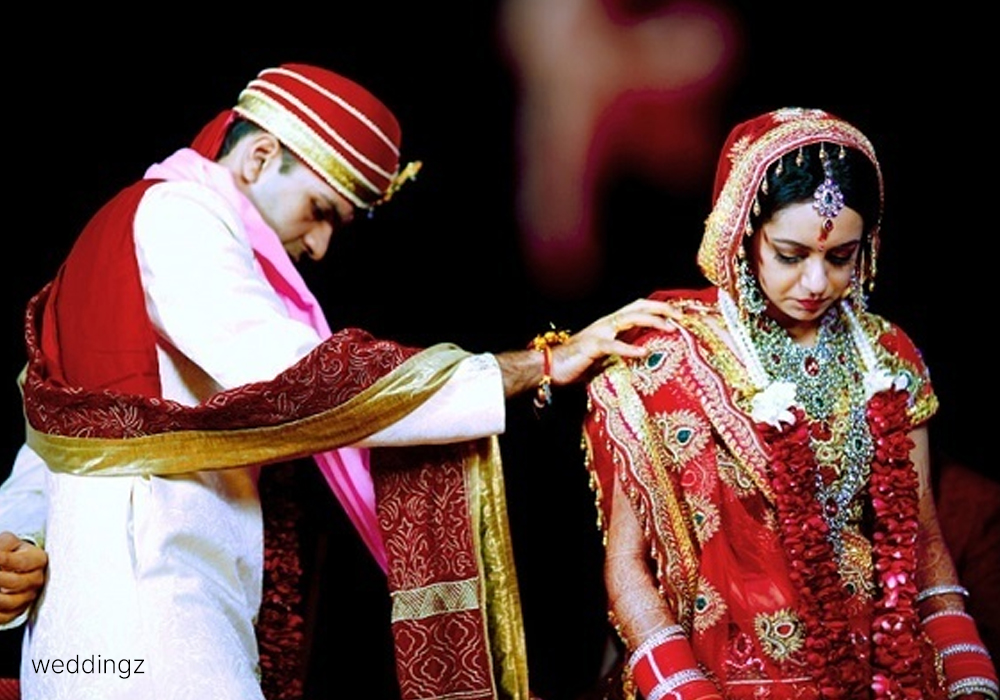
In 2026, as Rajasthani weddings dazzle the world with their royal grandeur, the Tilak ceremony remains their most solemn and culturally significant beginning.
What Is the Tilak Ceremony in Rajasthani Weddings?
The Tilak Ceremony also called Tika or Tilak Rasam in Rajasthani communities is a formal pre-wedding ritual in which the bride's family applies a sacred mark (tilak) on the groom's forehead, officially accepting him as the chosen husband for their daughter and sealing the marriage alliance between the two families.
In Rajasthan, the Tilak is not merely a ceremonial formality it is a binding declaration of clan honor (kul maryada). Once the tilak has been applied and gifts exchanged, both families are irrevocably committed to the wedding. To withdraw from the alliance after the Tilak is considered a serious breach of social and cultural honor a reflection of how deeply the ceremony is embedded in Rajasthan's warrior-aristocracy value system.
The Tilak ceremony is observed across all major Rajasthani communities Rajput, Marwari, Brahmin, Jat, Meena, and others though the scale, ritual details, and gifts exchanged vary significantly between communities and families.
Historical & Cultural Roots of the Tilak in Rajasthan
The Tilak ceremony in Rajasthan carries roots that stretch deep into the Kshatriya (warrior) tradition of the Rajput clans. In ancient Rajputana, when a bride's father chose a groom for his daughter, the act of applying tilak on the groom's forehead was equivalent to a royal proclamation an unambiguous, public, and irreversible statement of alliance between two clans.
This warrior-class origin gives the Rajasthani Tilak ceremony its distinctive character of gravity and formality quite different from the festive, music-filled Tilak celebrations seen in Bihar or Jharkhand. A Rajasthani Tilak ceremony is organized with the seriousness of a treaty signing between two great houses, because historically, that is precisely what it was.
In Marwari tradition, the Tilak also carries significant commercial symbolism the gift exchange at the ceremony has historically represented the first formal financial transaction between the two families, establishing the economic terms of the alliance alongside the social ones.
In Rajput tradition, the Tilak ceremony often involves the presentation of a sword, shield, or other warrior symbol to the groom alongside traditional gifts a practice that reflects the martial identity of Rajput clan culture even in a wedding context.
When Is the Tilak Ceremony Performed in Rajasthan?
The Rajasthani Tilak ceremony is performed weeks or months before the main wedding day making it a standalone, major ceremonial event rather than a minor pre-wedding ritual. The date is selected by the family priest in accordance with the wedding muhurat 2026 and an auspicious day on the Hindu Panchang (almanac).
In many Rajasthani families particularly Marwari households the Tilak ceremony is celebrated with a scale and preparation that rivals the wedding itself:
- Formal printed invitations are sent to extended family and community members
- A dedicated venue is arranged (the groom's home or a booked banquet hall)
- Professional catering is organized
- Musicians and sometimes Ghoomar dancers are engaged
The gap between the Tilak and the wedding day also serves a practical purpose in Rajasthani culture it allows time for the extensive logistical preparations of a Rajasthani wedding, which often involves guests traveling from multiple cities and states.
Who Performs the Tilak in Rajasthani Weddings?
The application of tilak in a Rajasthani wedding follows a specific hierarchy:
Primary applicant The bride's father is the first and primary applicant of the tilak. His act carries the highest ceremonial weight and represents the formal declaration of the alliance.
Maternal uncle (Mama) In many Rajasthani communities, the bride's Mama applies the tilak alongside or immediately after the father a reflection of the maternal family's co-guardianship role that is common across Indian wedding traditions.
Elder brothers and male relatives After the father and Mama, elder brothers and other senior male relatives of the bride's family may also apply tilak in sequence, each offering a personal blessing to the groom.
Family priest (Pandit/Kulguru) The family priest chants Vedic mantras throughout the application sequence and may apply a consecrated tilak at the beginning of the ceremony to invoke divine sanction.
How Is the Tilak Ceremony Performed in Rajasthan? Step-by-Step
Step 1 Preparation at the Bride's Home (Nikasi)
Before departing for the groom's home, the bride's family assembles the ceremonial procession called the Tilak Party. The preparation involves organizing the gifts (detailed in Step 5), arranging the ceremonial items, and dressing in formal attire. Senior women of the bride's family perform a small Ganesh Puja at home before the party departs, seeking blessings for the journey and the ceremony ahead.
Step 2 Arrival at the Groom's Home
The Tilak Party arrives at the groom's home or the designated venue often to the accompaniment of shehnai music played by musicians hired by the groom's family to welcome the guests. The groom's family receives the bride's family with garlands, sweets, and great warmth. Senior women from the groom's side perform a brief welcoming aarti for the arriving guests.
Step 3 Seating Arrangements & Puja Setup
Both families are seated in a formal arrangement the groom is placed at the center on a decorated chair or wooden chowki (ceremonial seat), surrounded by his male relatives. The bride's family is seated opposite. The family priest establishes a small puja setup between the two groups including a copper or brass plate (thali) holding kumkum (vermillion), sandalwood paste, rice grains, flowers, and a diya (oil lamp) which will be used for the tilak application.
Step 4 Ganesh Puja & Vedic Invocation
The priest begins the ceremony with a Ganesh Puja invoking Lord Ganesha as the remover of obstacles and seeking his blessings for the alliance being formally declared. He then recites the Sankalpa (statement of intent) on behalf of the bride's father announcing the names, gotras (lineages), and home villages of both families, formally registering the alliance in the presence of the divine.
Step 5 The Tilak Application (Main Ritual)
The most significant moment of the ceremony arrives. The bride's father approaches the groom with the ceremonial thali. He applies the tilak on the groom's forehead typically using:
- Kumkum (vermillion) the primary sacred mark
- Chandan (sandalwood paste) for purity and auspiciousness
- Akshat (rice grains mixed with turmeric) pressed onto the tilak as a symbol of prosperity
The application is performed with the right hand's ring finger considered the most auspicious finger for applying sacred marks in Hindu tradition. As the tilak is applied, the priest chants specific mantras blessing the groom and the alliance.
After the father, the Mama and other senior male relatives of the bride's family apply tilak in sequence. Each application is accompanied by quiet blessings and, in many families, a touch of the elder's right hand to the groom's head after the tilak a gesture of protection and affection.
Step 6 Gift Presentation (Nagda or Tilak Samagri)
Following the tilak application, the formal gift exchange begins. In Rajasthan, the gifts presented at the Tilak ceremony are called Tilak Samagri or Nagda and are among the most elaborate of any Indian pre-wedding tradition. Traditional Tilak Samagri includes:
- Sherwani or dhoti-kurta for the groom (always the most prominent gift)
- Gold or silver jewelry often a gold chain, ring, or bracelet
- Dry fruits and sweets arranged in decorated trays (thalis)
- Cash (Shagun) in auspicious denominations presented in a decorated envelope or silver box
- Pagdi (turban) in the clan's traditional style a deeply symbolic gift in Rajasthani culture
- Weapons (sword or dagger) in traditional Rajput families, a ceremonial sword or kirpan presented to the groom as a symbol of his warrior identity
- Silver items vessels, pooja items, or decorative pieces
- Sweets from the bride's region a culinary ambassador of the bride's home
In Marwari tradition, the gift exchange at the Tilak is particularly elaborate with specific items mandated by community custom and the financial standing of both families carefully considered and respected.
Step 7 Return Gifts from the Groom's Family
After receiving the Tilak Samagri, the groom's family presents return gifts to the bride's father and all visiting relatives typically including new clothing, sweets, dry fruits, and sometimes jewelry or cash. This reciprocal gifting is essential in Rajasthani tradition it signals the groom's family's equal enthusiasm for the alliance and their respect for their guests.
Step 8 Feast (Tilak Bhojan)
The ceremony concludes with an elaborate feast hosted by the groom's family for all visiting members of the bride's family and their procession. In Rajasthan, this feast is a serious expression of hospitality a multi-course meal reflecting the family's generosity and social standing. Traditional Rajasthani dishes including Dal Baati Churma, Gatte ki Sabzi, Ker Sangri, Mawa Kachori, and an array of sweets are served with great pride.
Significance of the Tilak Ceremony in Rajasthani Weddings
- Sealing of Clan Alliance (Kul Maryada)
In Rajasthan's deeply clan-conscious society, the Tilak ceremony is the moment two clans formally become allied. The weight of this alliance social, ceremonial, and historically even political cannot be overstated. The tilak mark is the seal on a covenant between two families.
- Public Declaration of the Groom's Selection
The tilak on the groom's forehead is the bride's family's loudest possible public statement: we have chosen this man, and we stand behind our choice. In a culture where family reputation is paramount, this public declaration carries enormous social significance.
- Formal Opening of the Wedding Season
In Rajasthan, the Tilak ceremony is understood as the official opening of the wedding the moment from which all other wedding preparations are formally sanctioned to proceed. The wedding date may be months away, but after the Tilak, both families begin their preparations in earnest.
- The Groom's Entry into the Bride's Family Circle
The tilak physically marks the groom as belonging, in a ceremonial sense, to the bride's family from this point forward. He is no longer an outsider being considered he is the chosen son-in-law, marked and accepted.
- Expression of Rajasthani Hospitality
The feast that follows the tilak is the groom's family's first major act of hospitality toward the bride's family as future relatives. In Rajasthani culture, where atithi devo bhava (the guest is God) is not a slogan but a lived practice, the quality and generosity of this feast carries significant social meaning.
Tilak Ceremony Across Rajasthani Communities
|
Community |
Distinctive Tilak Custom |
|
Rajput |
Ceremonial sword/dagger presented; warrior-class rituals observed |
|
Marwari |
Elaborate Nagda (gift list); Lagan Patrika (formal document) exchanged |
|
Brahmin |
Stricter Vedic rituals; more mantras; Gotra recitation central |
|
Jat |
Community elder witnesses; simpler ceremony; emphasis on feast |
|
Meena |
Nature-worship elements integrated; tribal elder may co-officiate |
|
Gujar |
Extended family procession; folk music accompaniment |
|
Bishnoi |
Eco-conscious elements; community witness; emphasis on simplicity |
Tilak Ceremony in Rajasthan vs. Bihar & Jharkhand: Key Differences
|
Aspect |
Rajasthan Tilak |
Bihar & Jharkhand Tilak |
|
Cultural tone |
Solemn, aristocratic, formal |
Festive, community-celebratory |
|
Primary applicant |
Bride's father with Mama |
Bride's father or senior male relative |
|
Gift exchange scale |
Elaborate; weapon gifting in Rajput tradition |
Extensive; jewelry and clothing dominant |
|
Music at ceremony |
Shehnai; formal |
Dhol, shehnai; celebratory folk songs |
|
Feast character |
Royal multi-course Rajasthani meal |
Traditional Bihari feast with regional dishes |
|
Timing gap to wedding |
Often months before wedding |
Weeks to months before |
|
Clan emphasis |
Extremely high (Rajput kul maryada) |
High (community witness essential) |
What to Wear to a Rajasthani Tilak Ceremony?
Bride's family (men): Formal sherwani, kurta-pajama, or dhoti-kurta. The bride's father and Mama should wear their finest traditional attire reflecting the family's dignity and the gravity of the occasion.
Bride's family (women): Silk sarees or heavily embroidered lehengas in festive colors red, maroon, royal blue, or emerald green. Bandhani (tie-dye) and Leheriya (wave-dyed) fabrics both iconic Rajasthani textiles are particularly appropriate and culturally resonant.
Groom: Traditionally dressed by his own family in formal kurta-pajama or sherwani ahead of the ceremony. In Rajput families, the groom may wear his clan's traditional attire including a safa (turban) in the clan's color.
Groom's family: Formal traditional Indian attire in festive colors sarees and suits for women; sherwanis and kurtas for men.
Modern Tilak Ceremonies in Rajasthani Weddings (2026)
The Rajasthani Tilak ceremony has evolved gracefully into 2026 while preserving its ceremonial core:
- Venue upgrade Many families now hold Tilak ceremonies at heritage havelis, palace hotels, or luxury banquet halls settings that amplify the royal aesthetic of the ceremony
- Themed décor Rajasthani folk art motifs, marigold installations, and Rajput-inspired setups create stunning visual backdrops for the ceremony
- Live folk music Manganiyar and Langa folk musicians are increasingly hired to perform at Tilak ceremonies, elevating the cultural atmosphere
- Cinematic documentation Pre-wedding photographers and videographers now specifically capture the Tilak as a standalone event, producing cinematic films of the ceremony
- Digital invitations E-invites in traditional Rajasthani art styles are sent to guests, blending digital convenience with cultural pride
Frequently Asked Questions (FAQ)
Q1. What is the Tilak ceremony in Rajasthani weddings? The Tilak ceremony in Rajasthani weddings is a formal pre-wedding ritual where the bride's family applies a sacred mark (tilak) on the groom's forehead at his home, officially sealing the marriage alliance between the two families. It is considered the most important pre-wedding ceremony in Rajasthani wedding tradition.
Q2. Who applies the tilak in a Rajasthani wedding? The bride's father is the primary applicant of the tilak, followed by the bride's maternal uncle (Mama) and other senior male relatives. The family priest guides the ritual with Vedic mantras throughout.
Q3. What gifts are given at a Rajasthani Tilak ceremony? The bride's family presents the groom with a sherwani or kurta, gold jewelry, cash (Shagun), a pagdi (turban), dry fruits, sweets, and in traditional Rajput families a ceremonial sword or dagger. The groom's family reciprocates with gifts of clothing, sweets, and cash.
Q4. How is the Rajasthani Tilak different from the Bihar Tilak? The Rajasthani Tilak is more formal and solemn reflecting the warrior-aristocracy culture of Rajputana with a ceremonial sword gifting tradition in Rajput families. The Bihar Tilak is more festive and celebratory, accompanied by dhol music and folk songs. Both ceremonies share the core ritual of tilak application by the bride's family.
Q5. What is the significance of the Pagdi (turban) gifted at the Rajasthani Tilak? The Pagdi gifted to the groom at the Tilak ceremony is one of the most culturally significant gifts in Rajasthani tradition. A turban in Rajasthani culture represents honor, identity, and belonging gifting one to the groom is the bride's family's way of saying he now belongs to their world of honor and respect.
Q6. Is the Tilak ceremony mandatory in all Rajasthani weddings? Yes, the Tilak ceremony is considered an essential and non-negotiable pre-wedding ritual across virtually all Hindu Rajasthani communities Rajput, Marwari, Brahmin, Jat, and others. It is the formal beginning of the wedding process and no wedding is considered properly initiated without it.

