



In the lush, misty hills of Arunachal Pradesh, weaving is not just a job; it is a way of life. For the diverse tribes of this region, the loom is a sacred tool, and the fabrics they create are a canvas for their history, beliefs, and artistic expression. One of the most striking examples of this heritage is the Mishmi textile.
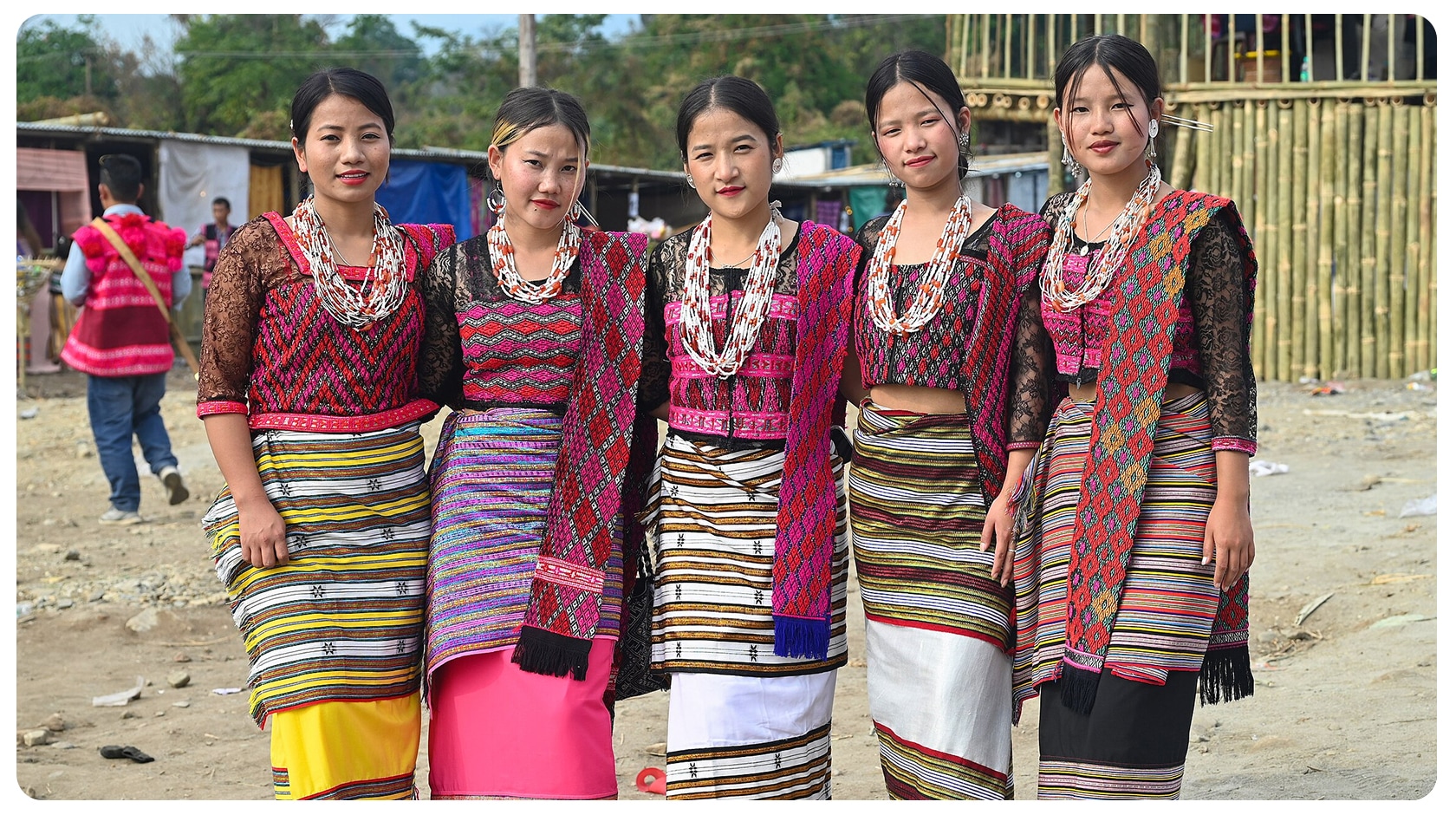
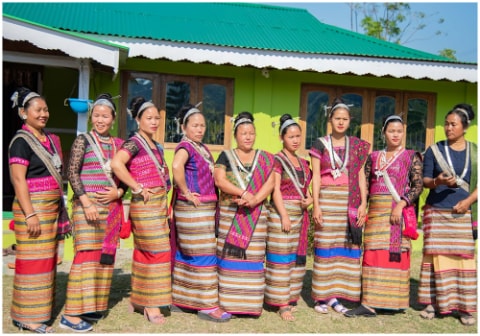
Woven by the Idu Mishmi, a sub-tribe of the larger Mishmi community, this fabric is immediately recognizable by its bold geometric patterns and vibrant, contrasting colors. It is a textile that tells a story, not just in its motifs but in the very threads it is made from. From shawls and skirts to bags and coats, the intricate designs of Mishmi weaving are a testament to the skill and cultural richness of the tribe.
This post will take you on a journey into the Dibang Valley to explore the origins of this unique craft, understand its fascinating making process, and see how this ancient tradition is surviving in the modern world.
What Are Mishmi Textiles?
Mishmi textiles are hand-woven fabrics created by the Idu Mishmi people of Arunachal Pradesh. They are known for their highly elaborate and symbolic designs, which are woven directly into the cloth.
Key features of Mishmi textiles include:
Geometric Patterns: The designs are not random. They consist of intricate combinations of diamonds, grids, stripes, and even shapes that resemble airplanes or fish scales.
Contrasting Colors: The patterns are brought to life with a palette of strong, contrasting colors, most commonly red, black, white, and blue.
Natural Fibers: Traditionally, the yarn for weaving was extracted from the stem of a wild nettle plant, making it a completely natural and sustainable fabric. Today, cotton and wool are also widely used.
This textile is incredibly versatile and is used to create a wide range of products, including skirts (gale), shirts, shawls, bags, and coats.
The Mythical Origins: A Story of a Fish and a Loom
While the exact historical origin of Mishmi weaving is hard to pinpoint, the tribe has a beautiful folk tale that explains how they learned to weave. The story is called ‘Hambrumai’.
The legend tells of a local fisherman named Kowonsa who catches a beautiful fish named Hambru. Delighted by its appearance, he decides to keep her in a gourd. The next day, he returns from fishing to find his hut filled with extraordinary fabrics woven with a fish-scale pattern. This miracle continues daily.
Curious, Kowonsa decides to stay home one day and hide. He is stunned to see the fish, Hambru, emerge from the gourd and transform into a beautiful girl. She carries a loom and begins to weave the magical fabric. Unbeknownst to Kowonsa, Hambru was cursed by an evil witch, and the curse could only be broken if someone saw her in her true human form.
When Kowonsa revealed himself, the curse was broken. They married, and Hambru began teaching the women of the village the art of weaving. One day, Kowonsa carelessly left her loom out in the courtyard, and a harsh wind broke it into pieces. The legend says that wherever the broken pieces of the loom landed, the people there learned the art of weaving. This is how the craft spread across the land.
This story beautifully connects the art of weaving to nature and mythology, highlighting its sacred place in the tribe's culture. The earliest official documentation of this craft dates back to 1959, in a report by the anthropologist Verrier Elwin, who described the intricate patterns and their deep social and religious meanings.
From Nettle Plant to Fabric: The Weaving Process
The traditional method of creating Mishmi textiles is a testament to the tribe's deep connection with their environment. It is a long, organic process that starts from scratch.
1. Harvesting the Yarn
The journey begins in the wild, with a nettle plant called malu. The weavers extract fibers from the stem of this plant. These fibers are dried and then carefully shaped into a ball of yarn.
2. Preparing and Dyeing
The ball of raw yarn is soaked in hot water. After a while, soda ash is added to the mixture, which helps clean and soften the fibers.
If the yarn needs to be colored, this is the stage where natural, plant-based dyes are added. The tribe has traditional knowledge of using local plants and roots to create vibrant shades of red, green, or black. The yarn is simmered in the dye bath for about 15-20 minutes, allowing it to absorb the color fully.
3. Washing and Drying
After dyeing, the yarn is removed and washed thoroughly with plain water to remove any excess dye. It is then left to dry completely. Once dry, the strong, colorful yarn is ready to be set up on the loom.
4. Weaving the Patterns
The weaving itself is done on a traditional loom. The complexity of Mishmi textiles comes from the way the patterns are created. While the base designs are simple—straight lines, stripes, and bands—the magic lies in how they are combined.
The weaver meticulously varies the size, color, and position of these lines to create the iconic geometric motifs. Diamonds are a particularly common and complex motif. Weavers create patterns of diamonds within diamonds, embellished diamonds, and intricate grids, all requiring immense focus and skill. Unlike printed fabrics, these designs are woven directly into the cloth, making them an integral part of the textile's structure.
Mishmi Textiles in the Modern Era
For generations, weaving has been a crucial part of the Mishmi economy and identity. The skill is passed down through families, and interestingly, it is practiced by both men and women, which is a unique feature in the region.
However, like many traditional crafts, Mishmi weaving has faced challenges.
1. Decline in Weavers: Over the years, the number of active weavers has declined. The work is intricate and time-consuming, and younger generations are often drawn to other, more modern professions. The craft is now primarily practiced in the more remote interior parts of the Dibang Valley.
2. Competition from Modern Textiles: Machine-made fabrics are cheaper and faster to produce, making it difficult for handloom weavers to compete on price.
A Ray of Hope: Preservation and Revival
The good news is that efforts are being made to protect and promote this incredible heritage.
In 2019, the Mishmi textile was granted a Geographical Indication (GI) tag. This legal status is a huge step forward. It officially recognizes the textile as originating from a specific geographical area (the Dibang Valley) and protects it from imitation. This means that only textiles woven by the Mishmi people using their traditional methods can be sold under this name, ensuring authenticity for buyers and better prices for the weavers.
This recognition has sparked renewed interest in the craft.
Modern Materials: Weavers are now experimenting with commercially available yarns in a wider range of colors. They are also using glittering threads and fine wool to adapt to contemporary fashion trends.
Designer Interest: The unique geometric patterns have caught the eye of fashion designers both in India and internationally, who are using the textile to create innovative, modern garments.
Conclusion
The Mishmi textile is far more than just a piece of patterned cloth. It is a woven legend, a reflection of a tribe’s connection to nature, and a vibrant symbol of Arunachal Pradesh's cultural identity. Every diamond pattern and every colored stripe is a word in a visual language that has been spoken for centuries.
By receiving the GI tag and gaining the attention of the modern fashion world, the craft is finding a new voice. Choosing to buy an authentic Mishmi product is not just a style choice; it is an act of supporting a community, preserving an ancient art form, and ensuring that the looms in the Dibang Valley continue to tell their stories for generations to come.

