


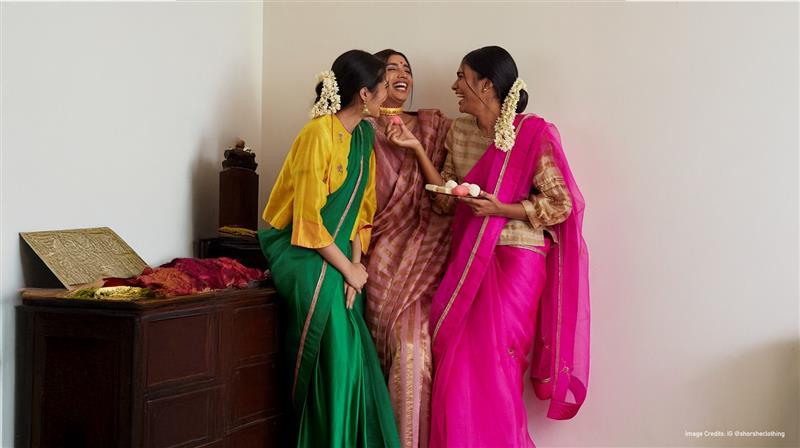
A saree (also spelled sari) is a long, unstitched piece of cloth typically between five and nine yards that is draped around the body in a variety of regional styles. It is one of the oldest and most recognisable garments in the world, worn by millions of women across India and South Asia for everyday wear, festivals, weddings, and formal occasions.
A saree is one of the most timeless expressions of Indian heritage. This five to nine yards of unstitched drape is traditionally wrapped around the waist, with one end elegantly thrown over the shoulder. A saree is worn with a fitted blouse and a petticoat and is styled in countless regional drapes, each having its own cultural significance.
Today, an Indian saree is worn for different occasions and rituals and even as modern fashion, making it a timeless garment that blends tradition with style.
History and Evolution of a Saree

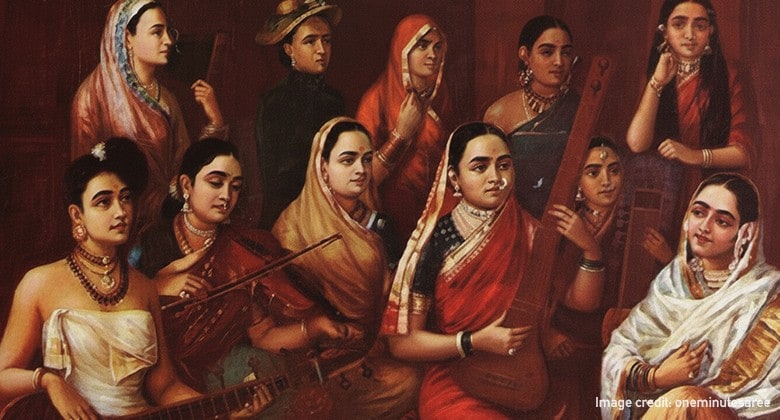
The saree’s origins trace back to the Indus Valley Civilisation, around 3,000 B.C. Ancient sculptures and Vedic texts reference draped garments resembling early saree forms an antariya (lower drape) paired with a stanapatta (breast band) that offered both comfort and modesty.
During the Maurya and Gupta periods, the saree evolved alongside India’s textile traditions. Regional drapes began to emerge, shaped by climate, culture, and local weaving techniques. The kachcha drape, still worn in parts of Maharashtra and South India, dates to this era.
The Mughal era (16th–18th century) elevated the saree into a luxury garment. Royal courts introduced silk, brocade, and velvet fabrics, along with intricate embellishments like zardozi embroidery, zari thread work, and Persian-inspired floral motifs. This period gave birth to iconic weaving traditions like the Banarasi saree.
British colonial rule introduced saree blouses and different types of saree fabrics and styles, whereas, in the post-independence era, it became a symbol of women's empowerment. Today, the saree bridges the gap between traditional and modernity with innovative drapes, contemporary styles and bold patterns, among others.
Components of a Saree

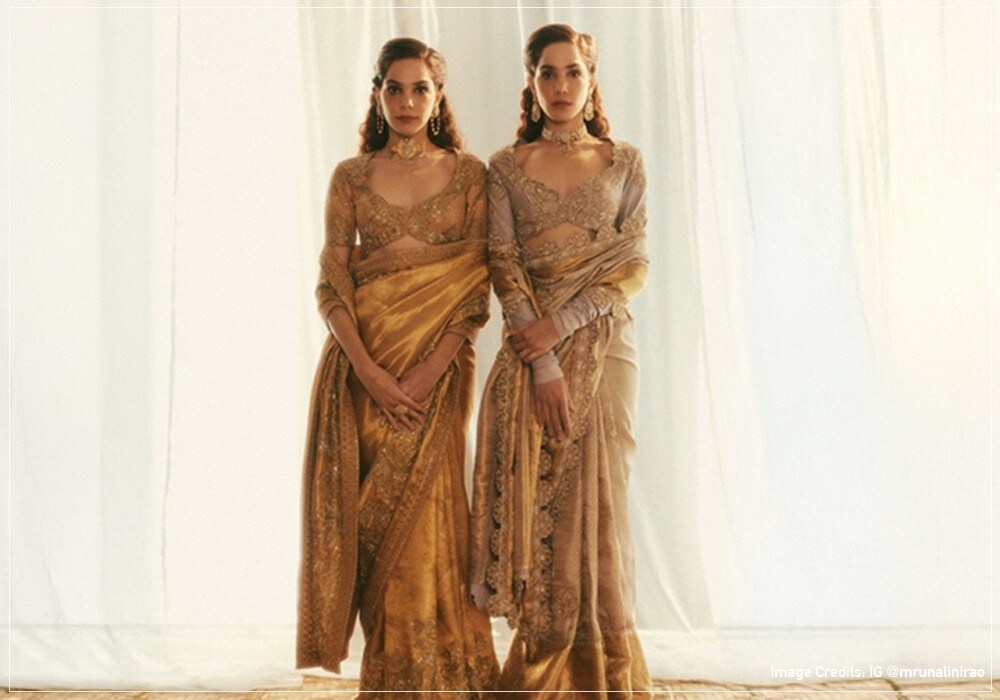
A saree is composed of several essential elements, each adding to its elegance. Being familiar with these components helps you drape them easily and ensure comfort and style.
| Component | Description | Quick tip |
|---|---|---|
| Saree drape | It is the main unstitched fabric, which usually measures between five to nine yards and is wrapped around the body. | Choose a fabric that drapes smoothly and flows gracefully. |
| Petticoat | A fitted skirt worn underneath that provides a secure base for tucking a saree. | Ensure it matches your saree’s color. |
| Pallu | The decorative end with intricate designs, motifs and embellishments. It is draped over the shoulder. | Experiment with different draping styles and use a pin to secure it neatly. |
| Borders | They frame the saree with contrasting colors, embroidery or zari work. | Keep the border straight while draping to get the perfect look. |
| Blouse | A fitted top paired with a saree, a blouse can have different patterns, necklines and sleeve styles. | Select a saree blouse design that fits your style. |
How to Wear a Saree?

Wearing a saree is an art. It is not just about folding the fabric, it's about following the right steps. But, before wearing a saree, ensure you have picked up the right one for the occasion. For example, choose a lightweight chiffon saree for daily wear. Alternatively, you can experiment with Indian wedding sarees in net or silk fabrics for a more regal look. Also, make sure you have pins and other accessories handy.
Once all these are checked at your end, you are ready to transform.
- Start with the blouse and the petticoat
Wear a well-fitted blouse and a petticoat. Ensure the petticoat is tied securely to the waist. - Tuck the saree at the waist
Begin with one end of the saree and tuck it into the petticoat at the right side of the waist. Wrap it once around your waist. - Make pleats
Gather the remaining saree and make 5–7 neat pleats. Take them together and tuck them into the petticoat. - Drape the pallu
Drape the pallu over your shoulder and adjust the length as needed. The draping style may vary across regions, each carrying their own cultural significance. - Adjust the borders
Ensure the saree borders are even and the pallu is neatly draped. - Secure with pins
Use safety pins to secure the pleats at the waist and the pallu on the shoulder, so that your saree looks regal and feels comfortable.
Popular Saree Types and Styles
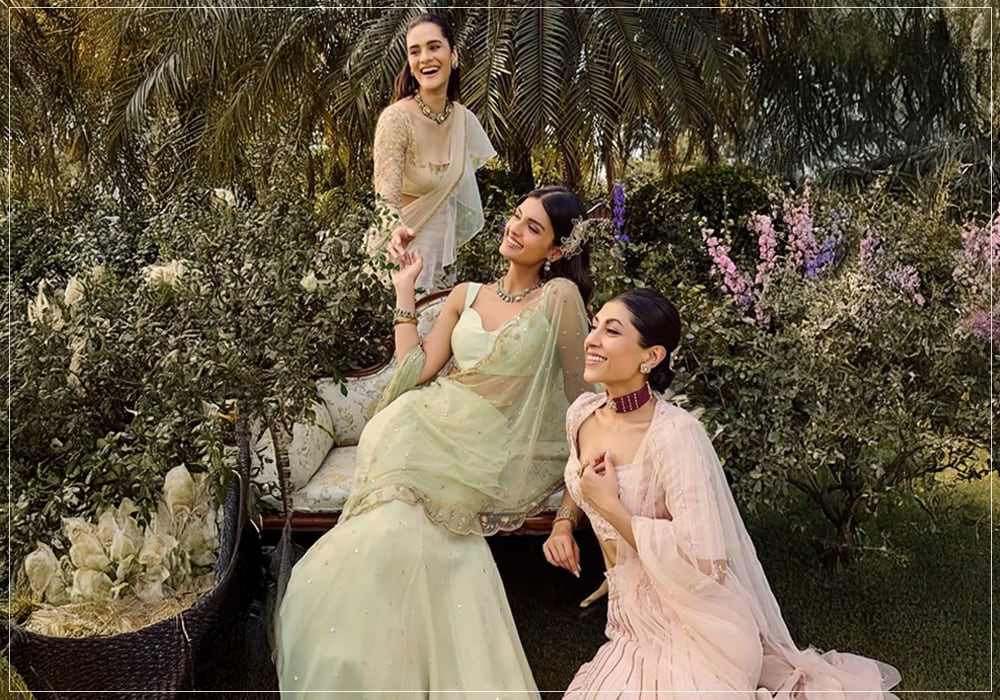
Here are a few most popular saree styles, highlighting the beauty of this timeless Indian attire.
- Banarasi saree: Originating from Varanasi, Banarasi sarees are famous for their luxurious silk, rich zari work, and intricate patterns.
- Mysore silk saree: These are luxurious, lightweight sarees known for their vibrant colors and gold borders.
- Paithani saree: Paithani sarees are a heritage of Maharashtra and stand out for their peacock motifs and handwoven pallu.
- Kanjeevarm saree: These sarees are crafted with pure silk and gold threadwork and are known for their richness.
- Bandhani saree: The saree is tied in small knots and then dyed, resulting in a vibrant pattern.
Apart from these region-specific saree styles, we can also classify them based on their fabric. Some of the most-loved saree fabrics include:
- Silk: For festive events and grand occasions
- Georgette: For casual gatherings and parties
- Organza: For formal events and modern appeal
- Chiffon: For everyday wear due to its lightweight drape
- Net: For festive and contemporary occasions
Saree Trends for 2025
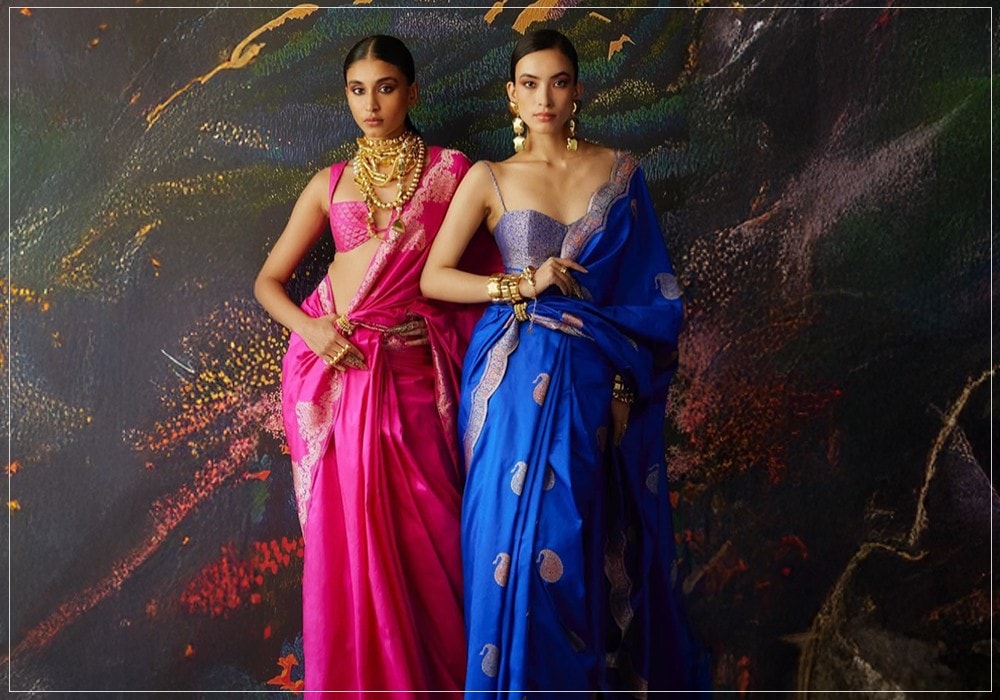
Sarees in 2025 are all about blending heritage with modern style. Let's look at some of the latest saree trends to stay stylish and comfortable:
1. Style
Pre-draped or ready-to-wear sarees with belts are the biggest trends this year. They are easy to wear and offer contemporary charm without losing the traditional touch. Moreover, pant-style sarees are redefining traditional draping by blending comfort with style.
2. Fabric
Sustainable fabrics like cotton and organza are in trend, combining eco-friendly choices with sheer elegance. With digital printing technology, georgette has also gained popularity due to new prints and textures.
3. Color
Colors like lime green, lavender, magenta and tangerine are ruling 2025, adding a playful, vibrant twist to both traditional and contemporary sarees. Earthy tones and soft pastels remain popular for day events.
Key Takeaway
A saree is not just a garment but an expression of India’s cultural identity. Styling a saree requires attention to detail, and you must follow the steps for an elegant look. From regional weaves like Banarasi, Kanjeevaram, and Paithani to trending fabrics such as georgette, chiffon, and organza, every style tells a story.
Understanding components like the drape, pleats, pallu, blouse, and borders helps achieve a graceful look. Whether you wish to opt for a saree for weddings, festive celebrations, or everyday elegance, this six-yard wonder remains versatile and relevant even in today’s fashion.
You can explore a wide range of designer sarees online at Aza Fashions. Our curated collection brings together traditional and modern elegance, making it easy for you to get the right pick for any occasion.
FAQs
1. What is the standard saree length?
The standard saree length is between five and nine yards, depending on the region. For example, the Nivi drape is a six-yard saree, whereas the Paithani is a nine-yard saree.
2. What is the difference between a saree and a lehenga?
A saree is an unstitched drape worn around the body, while a lehenga is a stitched skirt paired with a blouse and dupatta. Moreover, a saree can be draped in different styles, and a lehenga is a fixed outfit.
3. What accessories work best with sarees?
For everyday wear, you can complement your saree with minimal jewelry, and for festive occasions, opt for statement pieces and belts. Also, pair it with matching footwear and a handbag to enhance the overall look.

