India is often described as a land of unity in diversity, and nothing captures this sentiment quite like the saree. These six to nine yards of fabric are more than just a garment; they are a canvas that displays the rich heritage, artistry, and culture of the region they come from. Every state in India boasts its own unique weaving technique, fabric, and design language, making the world of sarees incredibly vast and fascinating.
For a saree enthusiast, building a collection is like curating a personal museum of art. Whether you are a bride-to-be, a fashion lover, or someone who simply appreciates the elegance of traditional wear, exploring regional drapes is a delightful journey. Here are 15 stunning sarees from across India that deserve a special spot in your wardrobe.
1. Banarasi Saree (Uttar Pradesh)
The Banarasi saree is the undisputed queen of North Indian weddings. Woven in the ancient city of Varanasi, these sarees are known for their heavy gold and silver zari work, fine silk, and opulent embroidery.
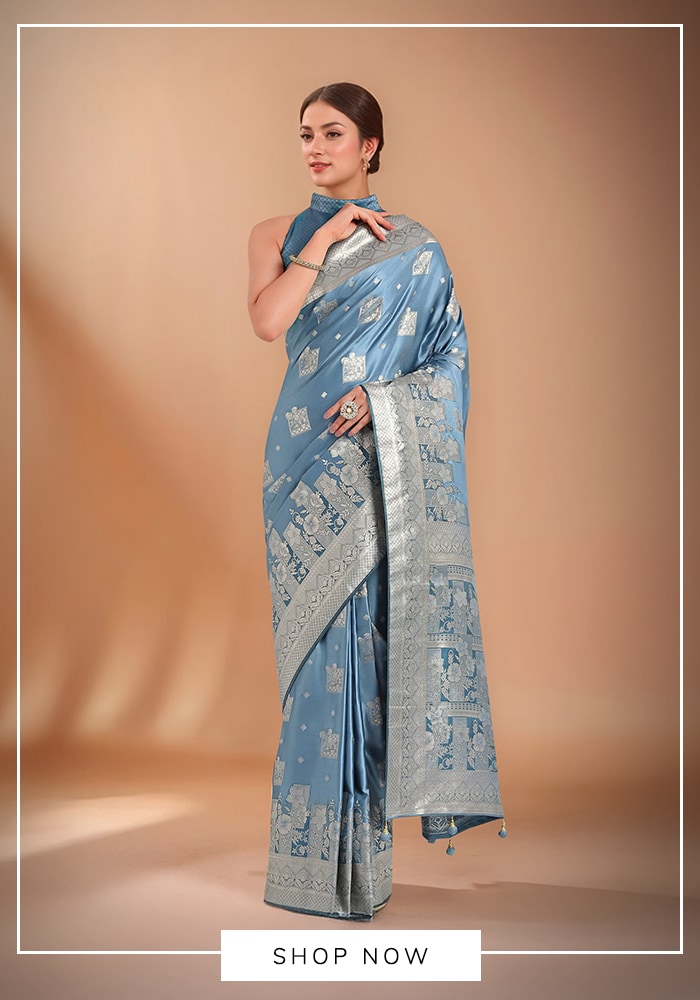
- Key Features: Elaborate floral motifs, paisleys, and Mughal-inspired designs.
- Why You Need It: It is the epitome of grandeur. A classic red or royal blue Banarasi is an heirloom piece that you can pass down for generations.
2. Kanjeevaram Saree (Tamil Nadu)
Moving down south, the Kanjeevaram saree (or Kanchipuram) is the answer to the Banarasi. Crafted in Tamil Nadu, these sarees are woven from pure mulberry silk and are renowned for their durability and natural sheen.
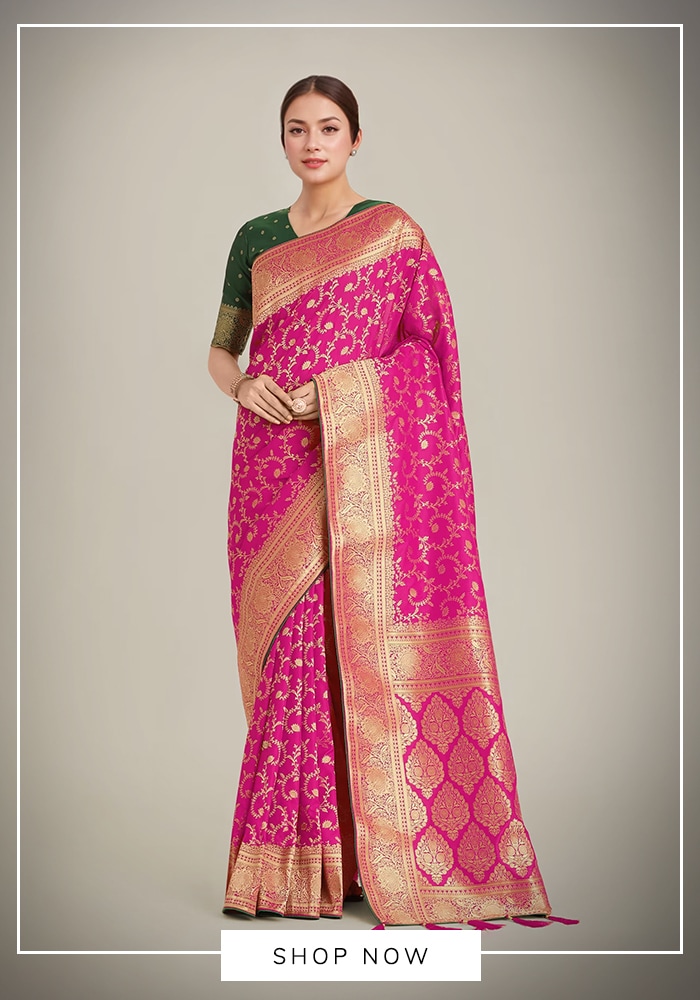
- Key Features: Broad, contrasting borders with temple borders, checks, and stripes. The body and border are often woven separately and interlocked.
- Why You Need It: It offers a rich, lustrous look that is perfect for religious ceremonies and festive gatherings.
3. Chanderi Saree (Madhya Pradesh)
If you prefer something lighter and airier, the Chanderi saree from the heart of India is a perfect choice. These sarees are known for their sheer texture, lightweight feel, and glossy transparency.
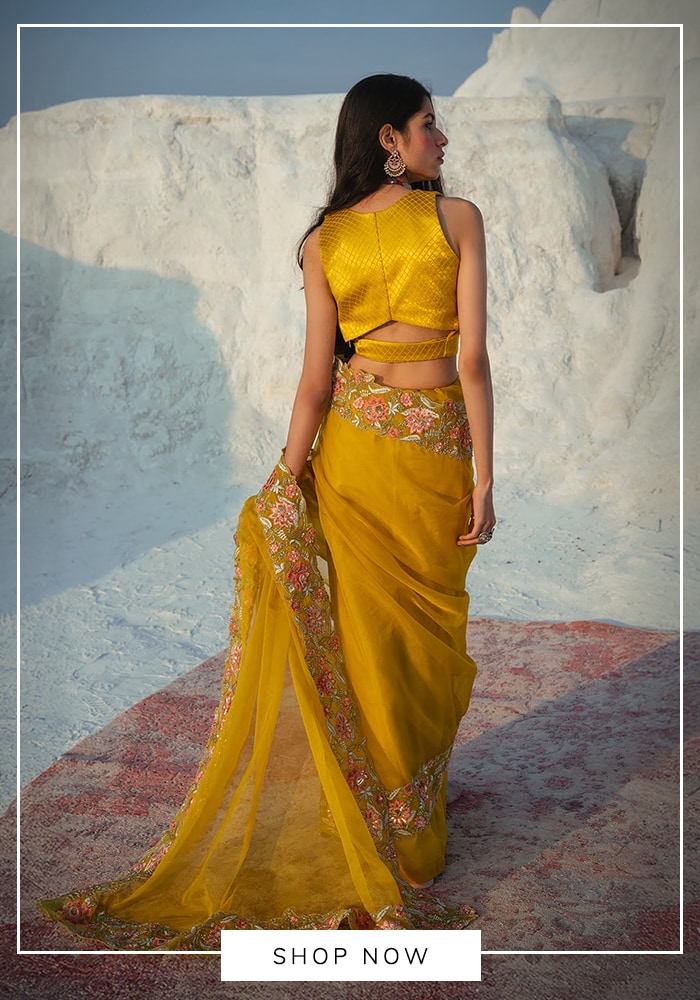
- Key Features: Motifs like coins (ashrafis), peacocks, and florals woven into cotton-silk or pure silk fabric.
- Why You Need It: It exudes understated elegance. A pastel Chanderi is ideal for summer weddings or formal office events.
4. Paithani Saree (Maharashtra)
A symbol of Maharashtrian culture, the Paithani saree is instantly recognizable by its vibrant colors and signature peacock motifs. Historically worn by royalty, it is considered one of the richest sarees in India.
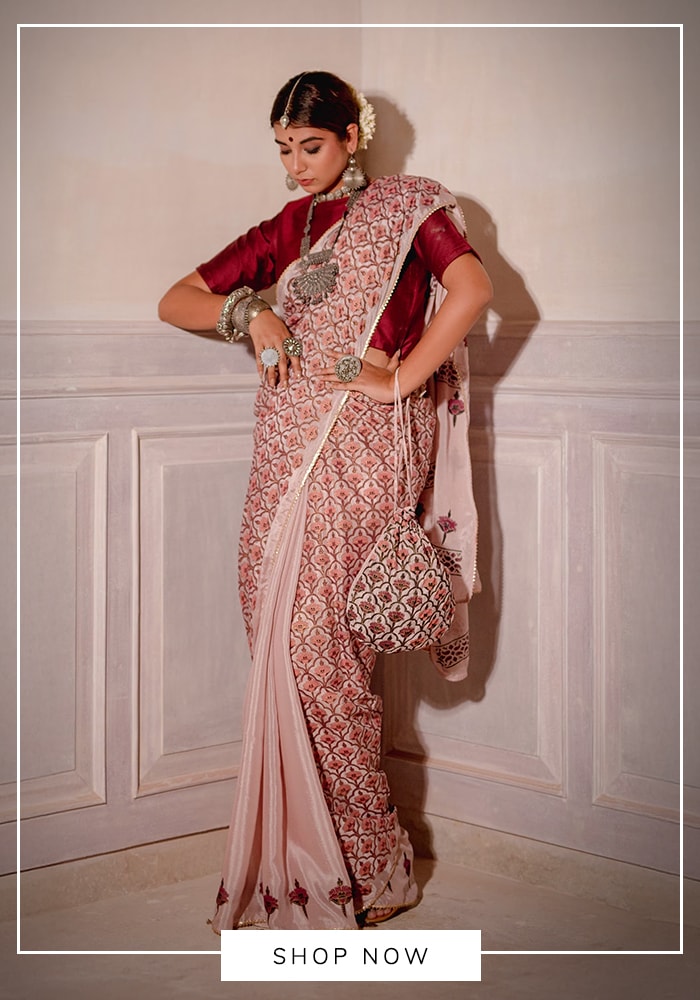
- Key Features: A grand pallu featuring colorful peacock designs and a kaleidoscope effect created by using different colored threads for weaving lengthwise and widthwise.
- Why You Need It: The vibrant color combinations like fuchsia and green or purple and orange make for striking photos.
5. Bandhani Saree (Gujarat and Rajasthan)
Bandhani comes from the word 'Bandhan', meaning to tie. This tie-dye textile art involves plucking the cloth with fingernails into many tiny bindings that form a figurative design.
- Key Features: Dotted patterns in bright colors like yellow, red, blue, and green. The texture has a unique crinkled look due to the tying process.
- Why You Need It: It adds a fun, festive, and colorful vibe to your collection. It’s perfect for Navratri and other joyous celebrations.
6. Patola Saree (Gujarat)
Patola sarees are the stuff of legends. Originating from Patan in Gujarat, these are double ikat sarees where the warp and weft threads are dyed before weaving.
- Key Features: Geometric patterns that look identical on both sides of the fabric. Authentic double ikat Patolas are rare and incredibly valuable.
- Why You Need It: It is a masterpiece of mathematical precision and weaving skill. Owning a Patola is a sign of true connoisseurship.
7. Kalamkari Saree (Andhra Pradesh)
Kalamkari literally means "pen craftsmanship." These sarees feature hand-painted or block-printed designs, traditionally using natural dyes.
- Key Features: Intricate storytelling designs depicting scenes from epics like the Ramayana and Mahabharata, or beautiful floral vines.
- Why You Need It: It is wearable art. A Kalamkari saree is sophisticated, artistic, and tells a story quite literally.
8. Mysore Silk Saree (Karnataka)
Known for its minimalistic design and buttery soft texture, the Mysore Silk saree is elegance personified. Produced by the Karnataka Silk Industries Corporation, it is famous for its purity.
- Key Features: Solid, vibrant colors with a simple gold zari border and distinct smoothness. They are very lightweight (usually 72 GSM).
- Why You Need It: It is fuss-free yet luxurious. If you want to look effortlessly chic without carrying a heavy drape, this is the one.
9. Pochampally Ikat (Telangana)
Famous for their geometric patterns, Pochampally sarees are woven in the Bhoodan Pochampally region. They use the ikat style of dyeing, where the yarn is dyed in specific patterns before weaving.
- Key Features: Distinctive "chowra" diamond patterns and jagged geometric shapes.
- Why You Need It: The bold patterns and texture give it a smart, formal look, making it excellent for workwear or corporate events.
10. Sambalpuri Saree (Odisha)
These handloom sarees from Odisha are known for their incorporation of traditional motifs like shells, wheels, and flowers, woven using the ikat technique.
- Key Features: The tie-dyed art is reflected in their intricate weaves known as Bandhakala. The fabric is usually cotton or silk.
- Why You Need It: They are comfortable, breathable, and deeply rooted in tribal artistry.
11. Baluchari Saree (West Bengal)
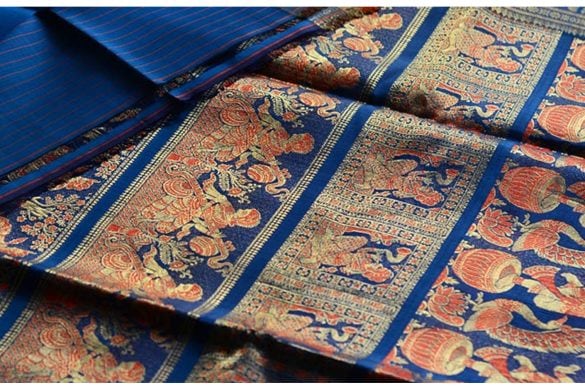
Hailing from Bishnupur in West Bengal, Baluchari sarees are famous for their elaborate pallus that depict mythological scenes.
- Key Features: Unlike Banarasi, these use silk threads (not zari) for the intricate designs. The themes often revolve around the Mahabharata or Ramayana.
- Why You Need It: It gives you a regal, intellectual look. It’s a great conversation starter because of the detailed artwork on the pallu.
12. Muga Silk Saree (Assam)
Muga silk is unique to the state of Assam and is known for its natural golden tint. It is one of the most durable silks in the world; it is said that Muga silk outlives the wearer.
- Key Features: A natural glossy golden color that becomes shinier with every wash. It often features traditional motifs in red or black thread.
- Why You Need It: You don't need to dye it; the natural gold is stunning on its own. It is rare, exclusive, and incredibly resilient.
13. Chikankari Saree (Uttar Pradesh)
While Chikankari is technically an embroidery style from Lucknow, sarees featuring this delicate work are a summer staple.
- Key Features: Intricate white thread embroidery (shadow work) on pastel shades of chiffon, georgette, or muslin.
- Why You Need It: It is the ultimate in grace and subtlety. Perfect for day events where you want to look cool and elegant.
14. Kasavu Saree (Kerala)
The traditional saree of Kerala, the Kasavu (or Set Mundu), is iconic in its simplicity.
- Key Features: Off-white or cream cotton body with a distinctive gold zari border.
- Why You Need It: It is synonymous with Onam and Vishu festivals. The pristine white and gold combination is divinely elegant and suits everyone.
15. Kota Doria (Rajasthan)
Perfect for the scorching Indian summer, Kota Doria sarees hail from Kota, Rajasthan.
- Key Features: A unique checkered pattern called khat formed by the weaving of cotton and silk threads. This creates a transparent, net-like look.
- Why You Need It: It is feather-light and airy. The blend of cotton provides strength, while the silk adds shine.
Bringing India to Your Wardrobe
Owning these sarees is like holding a piece of India's soul. They are versatile, timeless, and celebrate the incredible skill of our artisans. When looking to add these gems to your collection, authenticity is key. For those who want to explore a curated selection of authentic designer interpretations and traditional weaves, platforms like Aza Fashions offer a fantastic range to browse through from the comfort of your home.
Whether you start with a regal Kanjeevaram or a breezy Chanderi, each addition will bring its own charm and history to your personal style. Happy draping!