In the world of silk, some fabrics are known for their perfect sheen and smooth finish. But there is another kind of silk, one that celebrates texture, rawness, and a connection to nature. This is Bhagalpuri silk, a unique textile from the heart of Bihar that has earned the name "Peace Silk" for its special creation process.
This blog post will introduce you to the beautiful world of Bhagalpuri silk, also known as Tussar silk. We will journey to the ancient city of Bhagalpur, discover how this fabric is made without harming silkworms, and explore why its textured elegance has made it a favorite in both traditional and modern fashion. Get ready to fall in love with a silk that is as ethical as it is beautiful.
A Legacy from the Silk City
The story of Bhagalpuri silk begins in Bhagalpur, a city on the banks of the Ganges River in Bihar. For over 200 years, this city has been a major center for silk production, earning it the nickname "The Silk City of India." The craft of weaving Tussar silk has been passed down through generations of artisan families, making it a vital part of the region's cultural and economic identity.
The weavers of Bhagalpur are masters of their craft. They have perfected the art of turning wild cocoons into a fabric that is cherished for its deep colors and distinctive, uneven texture. Unlike the more common mulberry silk, which comes from domesticated silkworms, Bhagalpuri silk is produced from the cocoons of wild moths. This connection to nature is at the very core of what makes this traditional Bihar textile so special.
The Making of "Peace Silk"
The most remarkable aspect of Bhagalpuri silk is its eco-friendly production process. This is why it is often called "Peace Silk" or "Ahimsa Silk" (non-violent silk).
Most silk is made by boiling cocoons with the silkworm still inside to get one long, unbroken thread. However, the process for creating Bhagalpuri Tussar silk is different. Weavers wait for the silkworm moth to mature and naturally leave its cocoon. The empty cocoons are then collected and used to produce the silk yarn. Because no silkworms are harmed in this process, it is considered a more humane and ethical way of making silk.
After collecting the cocoons, they are boiled to soften them, and the silk fibers are spun into thread. This thread has a shorter fiber length compared to mulberry silk, which gives the final fabric its signature coarse and textured feel. The entire process, from collecting cocoons to weaving the final fabric on handlooms, is a testament to the community's respect for nature.
The Unique Beauty of Bhagalpuri Silk
Bhagalpuri silk is easy to recognize once you know what to look for. Its beauty lies in its natural imperfections and unique characteristics.
A Distinctive Texture
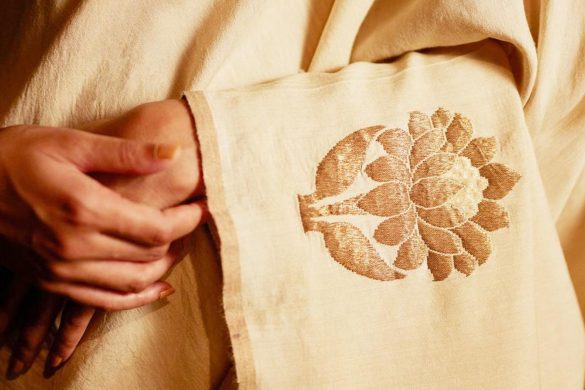
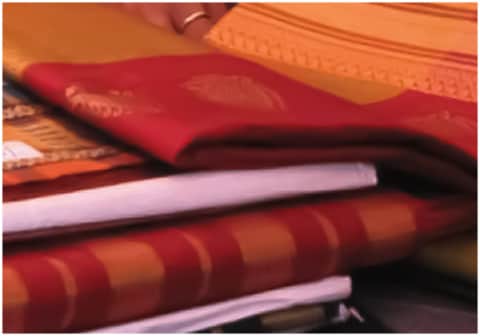
The first thing you will notice about Bhagalpuri silk is its texture. It is not smooth and slippery like other silks. Instead, it has a rich, coarse texture with a slightly matte finish. This raw feel gives the fabric a wonderful depth and character. It is lightweight and breathable, making it comfortable to wear in both warm and cool weather.
Rich, Earthy Colors
Because it is a natural fiber, Tussar silk has a natural deep gold or beige color. This beautiful base takes on dyes wonderfully, resulting in rich, earthy tones. Bhagalpuri textiles are famous for their vibrant yet natural-looking colors, which are often achieved using eco-friendly dyes. The fabric's uneven texture also causes the dye to be absorbed in a slightly varied way, creating a beautiful, multi-toned effect.
Versatility in Weaving
The weavers of Bhagalpur are incredibly skilled at creating a variety of textiles. While the classic plain Tussar silk is popular, they also weave fabrics with different patterns, stripes, and checks. The versatility of the yarn allows it to be blended with other fibers like cotton or wool, creating unique fabrics for different needs.
From Sarees to Modern Wardrobes
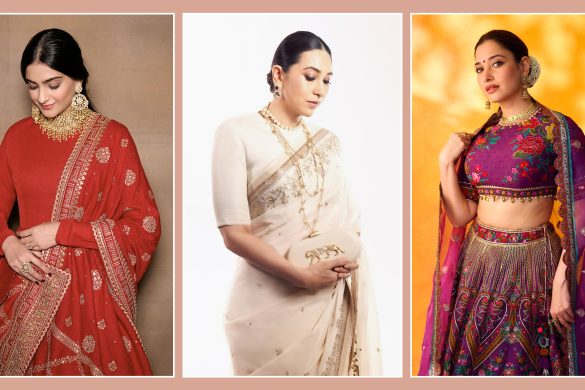
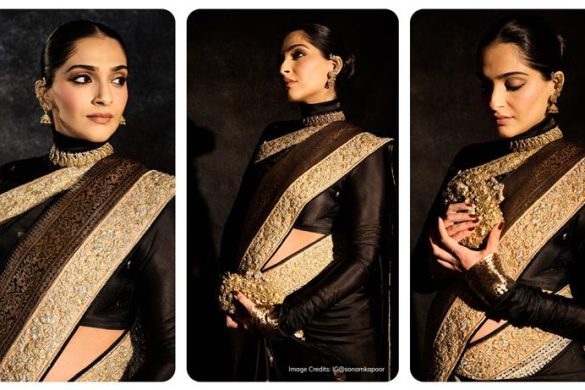
Traditionally, Bhagalpuri silk was most famous in the form of handwoven silk sarees. A Bhagalpuri silk saree is prized for its elegant drape, comfortable feel, and understated luxury. The natural texture of the fabric makes it a perfect canvas for block prints, hand painting, or subtle embroidery.
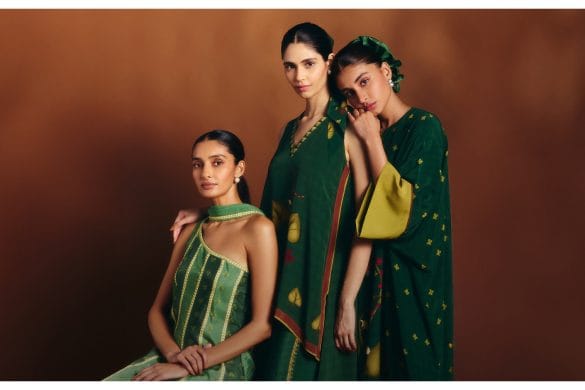
However, the appeal of this versatile fabric has spread far beyond sarees. Today, Bhagalpuri silk is used to create a wide range of products for the modern wardrobe and home.
- Apparel: Designers use it to make stylish kurtas, jackets, dresses, and trousers. Its unique texture adds a touch of sophistication to any outfit.
- Scarves and Stoles: Bhagalpuri silk scarves are incredibly popular. They are lightweight, soft, and add a pop of color and texture to both casual and formal wear.
- Home Decor: The fabric's durability and rich look make it a great choice for home furnishings like cushion covers, curtains, and bedspreads.
The growing demand for sustainable and ethically made products has also boosted the popularity of Bhagalpuri silk in the global fashion market. Fashion lovers who care about where their clothes come from are drawn to the story of "Peace Silk."
How to Care for Your Bhagalpuri Silk
To keep your Bhagalpuri silk looking beautiful for years, it needs a little care.
- Washing: It is always best to dry clean silk. If you must wash it at home, use cold water and a very mild detergent. Do not wring or twist the fabric.
- Drying: Roll the garment in a towel to absorb excess water, then hang it to dry in the shade. Direct sunlight can cause the natural colors to fade.
- Ironing: Iron on a low heat setting while the fabric is still slightly damp.
A Timeless Treasure
Bhagalpuri silk is more than just a fabric; it is a piece of living history. It represents a beautiful harmony between nature, tradition, and artistry. Its raw texture tells the story of wild cocoons, its ethical production process speaks of a deep respect for life, and its timeless elegance is a tribute to the skilled weavers of Bihar.
By choosing Bhagalpuri silk, you are not just adding a beautiful item to your collection. You are supporting a community of artisans and promoting a sustainable and compassionate approach to fashion. In a world of fast-moving trends, the enduring, natural charm of this traditional Bihar textile is a reminder that some things are beautiful precisely because they are perfectly imperfect.
Meta Information