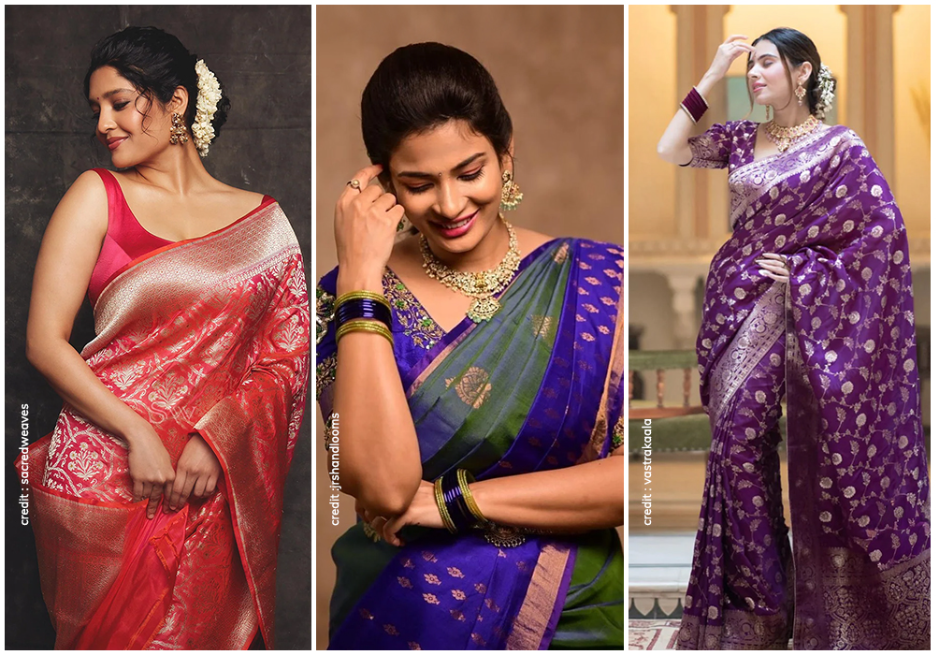
In the world of handwoven silk sarees, some creations feel almost magical. They are as light as a cloud, as soft as a whisper, and yet they shimmer with the grandeur of pure silk and gold. This is the world of Uppada Pattu sarees, a textile art from the coastal town of Uppada in Andhra Pradesh that perfectly blends luxury with comfort.
These sarees are not just garments; they are masterpieces of a centuries-old weaving tradition. This post will guide you through the exquisite craft of Uppada silk. We will explore the intricate Jamdani weaving technique that brings them to life, discover why they feel like "silk and air," and understand their cherished place in Indian culture as a symbol of timeless elegance.
Origins: The Pride of a Coastal Town
The story of Uppada Pattu begins in Uppadapu, a small fishing town in the East Godavari district of Andhra Pradesh. For generations, weavers in this region have practiced the art of handloom weaving. However, the Uppada silk saree as we know it today is a revival of an ancient and highly complex technique known as Jamdani.
While Jamdani has its roots in Bengal, the weavers of Uppada adapted and perfected it to create sarees that are incredibly lightweight without sacrificing richness. Their dedication to this laborious craft has turned the town into a hub for one of India's most sought-after sarees. In recognition of its unique origin and exceptional craftsmanship, Uppada Pattu was awarded a Geographical Indication (GI) tag. This tag authenticates that the saree is a genuine handwoven product from Uppada, protecting the weavers' legacy and assuring buyers of its quality.
The Magic of Jamdani Weaving
What makes an Uppada saree so special is that the intricate patterns are not printed or embroidered on top of the fabric. They are woven directly into the cloth as it is being made. This is the magic of the Jamdani weaving technique.
The process is incredibly slow and requires immense skill and coordination. Typically, two weavers work together on a single pit loom. One weaver manages the loom's main operations, while the other sits beside them and meticulously adds the design threads by hand. Using fine needles or shuttles, they interlace the pattern threads (often silk or zari) with the warp threads, creating motifs that seem to float on the sheer fabric.
The design is first drawn on paper and placed under the warp threads to act as a guide. The weavers count the threads to ensure the pattern is perfect. A single saree can take two to three weavers anywhere from a few weeks to several months to complete, depending on the complexity of the design. This dedication is what makes every Uppada saree a unique work of art.
Characteristics of Uppada Pattu Sarees
Uppada sarees are instantly recognizable for their distinct qualities that set them apart from other silk sarees.
As Light as Air
The most defining feature of an Uppada Pattu saree is its weight. Despite being made of pure silk and often featuring heavy zari work, the sarees are astonishingly light and airy. Weavers use very fine silk yarn for both the warp and weft, resulting in a fabric that is sheer, soft, and incredibly comfortable. This makes it a popular choice for long events and warm climates, allowing the wearer to look regal without feeling weighed down.
Intricate Motifs and Shimmering Zari
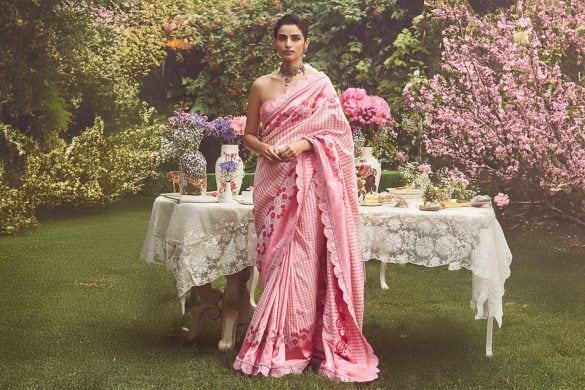
The designs on Uppada sarees are inspired by nature and traditional Indian geometry. You will find delicate motifs of flowers, leaves, creepers, swans, and peacocks gracefully woven across the body and pallu of the saree. These patterns are brought to life with fine silk or zari threads.
The zari—gold or silver-colored thread—is used to create lustrous borders and elaborate pallus. The contrast between the sheer silk body and the glittering zari work gives the saree a stunning, shimmering appearance. The motifs are so finely woven that they are clearly visible on both sides of the fabric.
Soft and Luxurious Texture
The combination of high-quality silk and the unique weaving technique results in a fabric that has a wonderfully soft and flowing texture. An Uppada saree drapes beautifully, accentuating the wearer's form with an elegant fluidity. The feel of the fabric against the skin is a mark of its pure, unadulterated quality.
The Role of Uppada Sarees in Indian Culture
Like many traditional Andhra Pradesh sarees, Uppada Pattu holds a special place in the cultural fabric of India. Its combination of lightweight comfort and rich appearance makes it a preferred choice for significant life events.
Weddings and Festive Occasions
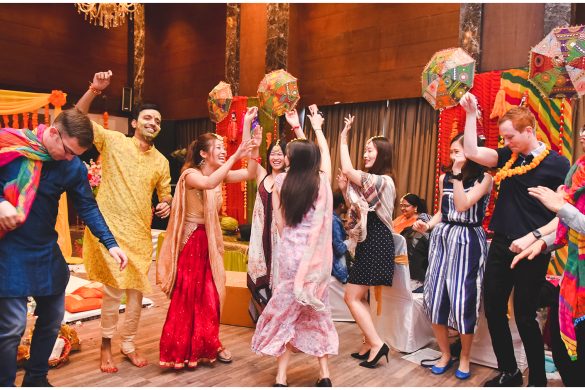
An Uppada Pattu saree is a popular choice for brides, especially for pre-wedding ceremonies. Its elegance makes it a sophisticated alternative to heavier Kanjivaram or Banarasi sarees. Guests at weddings and festivals also favor Uppada sarees for their festive look and comfortable feel, allowing them to celebrate in style and ease.
A Cherished Heirloom
Given the time and skill required to create one, an Uppada Pattu saree is more than just clothing; it is an investment in art and tradition. These sarees are often passed down through generations, becoming cherished family heirlooms. Their timeless designs ensure they never go out of style, making them as relevant and beautiful decades later as they were on the day they were woven.
Preserving a Woven Legacy
The art of creating Uppada Pattu sarees is a testament to the skill and perseverance of the weavers of Andhra Pradesh. In a world of fast fashion and machine-made textiles, the slow, meditative process of Jamdani weaving is a precious reminder of the value of human craftsmanship.
By choosing an authentic, GI-tagged Uppada saree, you are not only adding a piece of timeless beauty to your wardrobe but also supporting an entire community of artisans. You are helping to keep a magnificent tradition alive and ensuring that the story of this "woven air" continues to be told for generations to come. The next time you drape an Uppada saree, take a moment to appreciate the threads of history, artistry, and devotion woven into its very being.