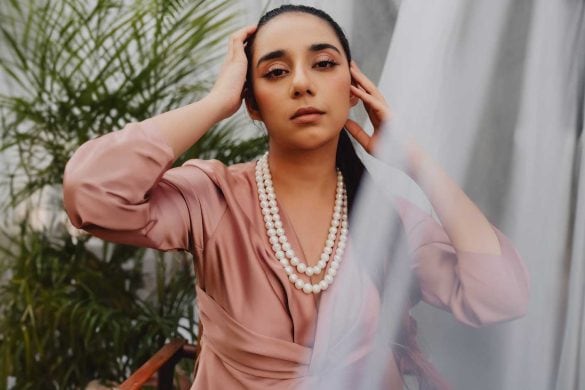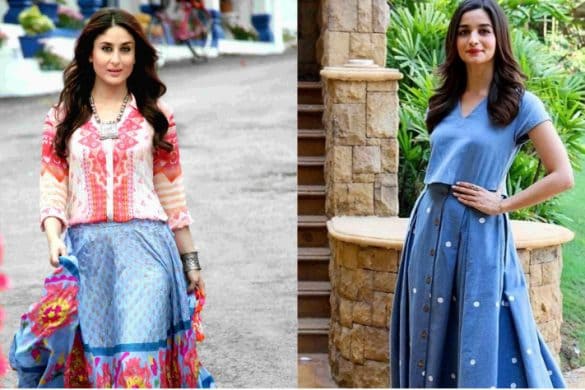
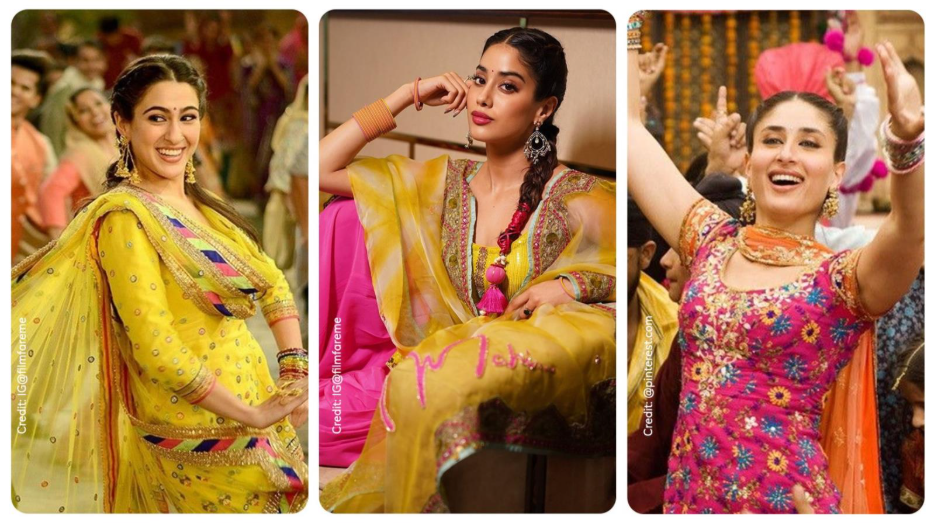
There is an infectious energy associated with Punjabi culture—it is bold, vibrant, and full of life. This spirit is perfectly captured in the traditional "Punjabi Kudi" look. Whether you have seen it in Bollywood blockbusters or at a lively North Indian wedding, the style is iconic. It is not just about wearing clothes; it is about embracing an attitude of joy and confidence.
At the heart of this look lies the salwar suit. But simply wearing a suit isn't enough to channel your inner Punjabi Kudi. It requires the right mix of colors, accessories, and styling to truly nail the aesthetic.
If you have ever wanted to recreate this spirited traditional style, you are in the right place. Here is your ultimate guide to achieving the perfect Punjabi Kudi look with salwar suits.
The Foundation: Choosing the Right Salwar Suit
The Punjabi look is never dull. It thrives on color, texture, and movement. When selecting your outfit, forget about subtle pastels or monochrome minimalism for a moment. This style demands attention.
1. Embrace Vibrant Colors
The first rule of traditional Indian fashion from Punjab is to embrace color. Think of the bright mustard fields and the colorful festivals of the region.
Phulkari Palette: Look for suits in bright yellows, hot pinks, tangerines, and royal blues.
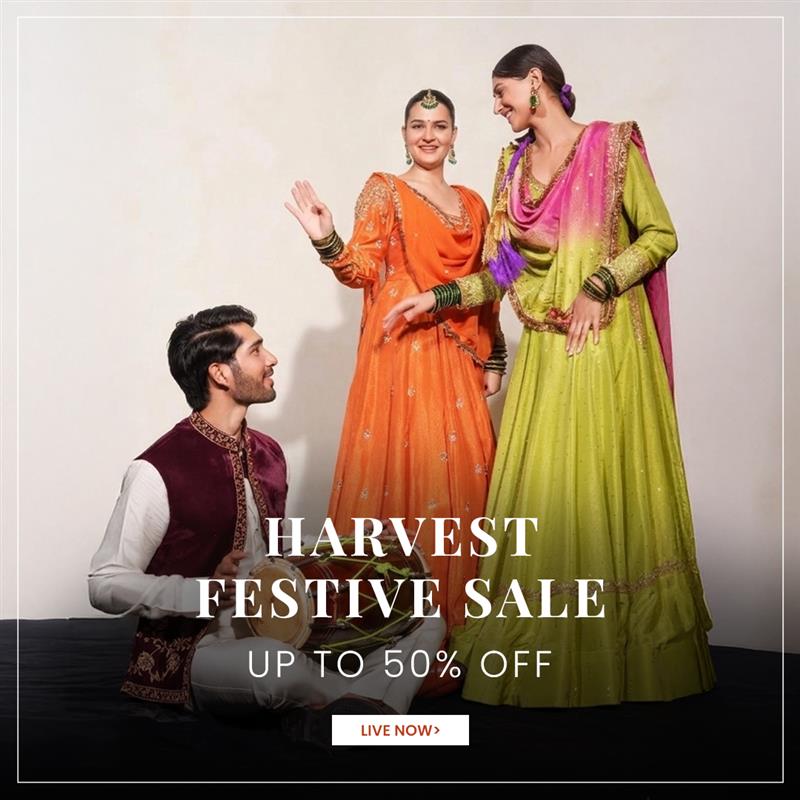
Contrast is Key: A hallmark of Punjabi suits is the contrast between the kurta, the salwar (bottoms), and the dupatta. For example, pair a lime green kurta with a magenta salwar and a heavily embroidered dupatta.
2. The Patiala Salwar
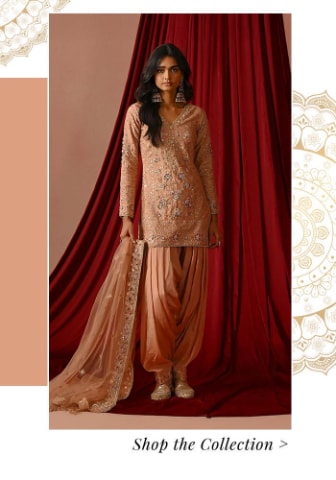
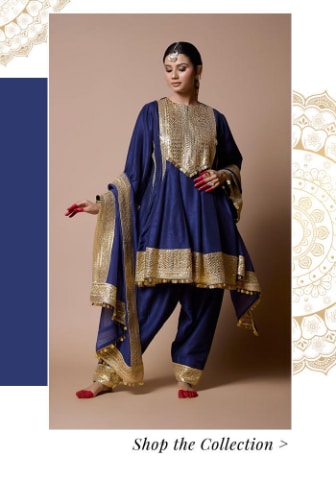
While there are many types of bottom wear, nothing says "Punjabi Kudi" like a Patiala salwar. This style features pleats upon pleats of fabric that drape beautifully, creating a voluminous and comfortable look. The heavy pleating at the waist tapers down to the ankle, allowing for easy movement—perfect for dancing the Bhangra!
3. Short Kurtas
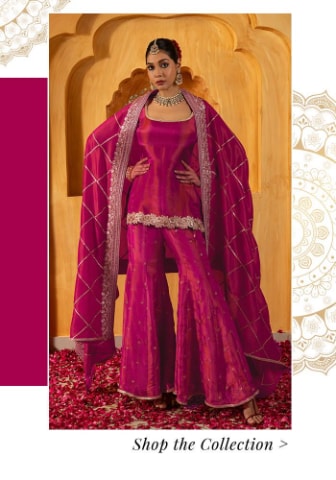
To show off the beautiful pleats of your Patiala salwar, opt for a shorter kurta. A kurta that ends just above the knees is ideal. It balances the volume of the bottoms and gives you that authentic traditional silhouette.
4. Phulkari Embroidery
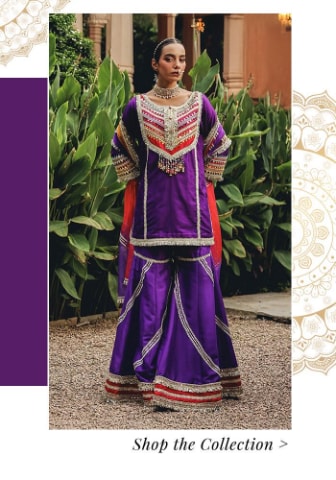
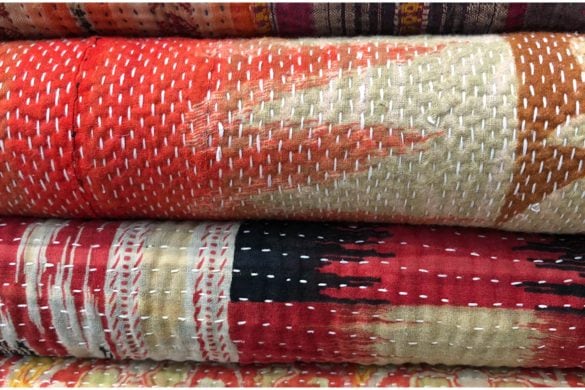
You cannot talk about Punjabi fashion without mentioning Phulkari. Literally meaning "flower work," this traditional embroidery technique uses vibrant threads to create geometric floral patterns. A suit with Phulkari work, or a plain suit paired with a heavy Phulkari dupatta, is an absolute essential for this look.
Accessories: More is More
The Punjabi Kudi look is incomplete without its signature accessories. This is not the time to be shy with jewelry.
The Jhumka Effect
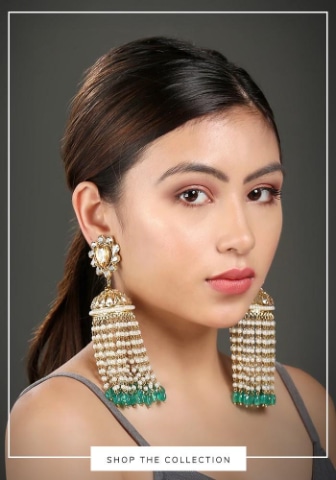
Large, dangling jhumkas are a non-negotiable part of this style. Whether they are gold, silver, or colorful enamel, they frame the face and add a playful swing to your movements. Look for "bali" style earrings or heavy traditional jhumkas with pearl drops.
Bangles and Choodas
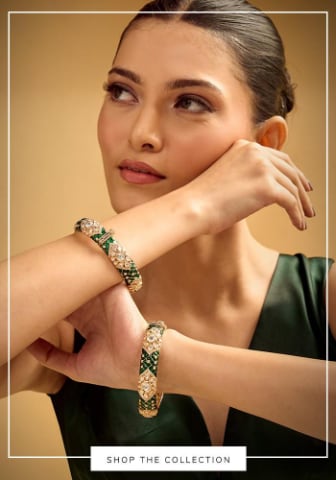
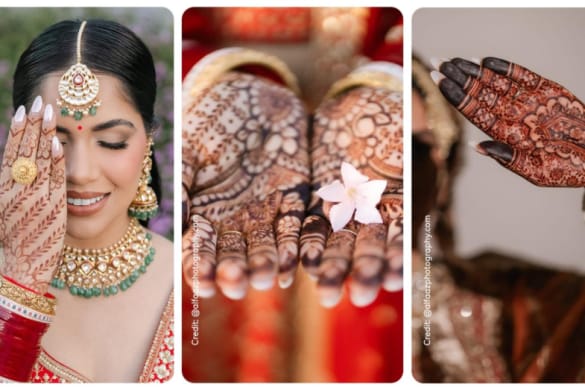
Empty wrists are a no-no. Stack up the bangles! You can mix and match glass bangles in colors that complement your suit. For a more festive vibe, look for "Kalire" or hanging ornaments attached to bangles, which are traditionally worn by brides but have found their way into festive fashion in smaller versions.
The Paranda
Hair accessories are crucial. The Paranda is a traditional hair ornament made of colorful threads and tassels braided into the hair. It adds length, volume, and a pop of color to your braid. Even if you don't have super long hair, a Paranda can help you achieve that classic long-braid look.
Juttis: The Perfect Footwear
Ditch the heels. The authentic footwear for salwar suits in this style is the Punjabi Jutti. These flat, handcrafted leather shoes are often embroidered with threads, beads, or sequins. They are comfortable enough to walk in all day and stylish enough to complete your ethnic ensemble.
Styling the Dupatta
The dupatta is not just an accessory here; it is the centerpiece.
The V-Shape Drape: Pin the dupatta on both shoulders so it falls in a deep 'V' shape across the chest. This is practical and keeps the dupatta secure while you move.
The One-Side Pleat: Pleat the dupatta neatly and pin it to one shoulder, letting it fall long. This works well if your dupatta has a heavy border.
The Head Cover: For a truly traditional touch, especially during religious ceremonies, you can drape the dupatta over your head.
Hair and Makeup: The Finishing Touches
To truly embody the Punjabi Kudi look, your beauty game needs to be on point.
The Braid (Choti)
A long, thick braid is the quintessential hairstyle. If you are using a Paranda, weave it into a three-strand braid. For a modern twist, you can try a fishtail braid or a French braid that ends in a traditional plait. Keep the front neat, or pull out a few face-framing strands for a softer look.
Bold Eyes
The eyes should do the talking. Use a generous amount of black kajal (kohl) on both the upper and lower waterlines. Smudge it slightly for a smoky effect. Winged eyeliner is also a great addition to elongate the eyes.
A Pop of Lip Color
Since the outfit is bright, your lips should balance the look. A bright pink, coral, or red lipstick works wonders. Avoid nude shades; you want your face to look fresh and lively.
The Bindi
A small, round bindi on the forehead brings the entire look together. It adds a focal point and enhances the traditional Indian aesthetic.
Conclusion
Achieving the Punjabi Kudi look is about celebrating vibrancy and tradition. It is a style that allows you to play with colors, textures, and accessories in a way that few other looks do. By choosing the right Patiala salwar suit, accessorizing with bold jhumkas and juttis, and styling your hair with a Paranda, you can transform yourself instantly.
So, the next time you have a wedding, a festival, or a cultural event to attend, don't just dress up—dress up with the spirit of Punjab. Put on that bright suit, wear your brightest smile, and get ready to turn heads.
Ready to find your perfect outfit? Explore the latest collection of ethnic wear at Aza Fashions and start building your Punjabi-inspired wardrobe today.