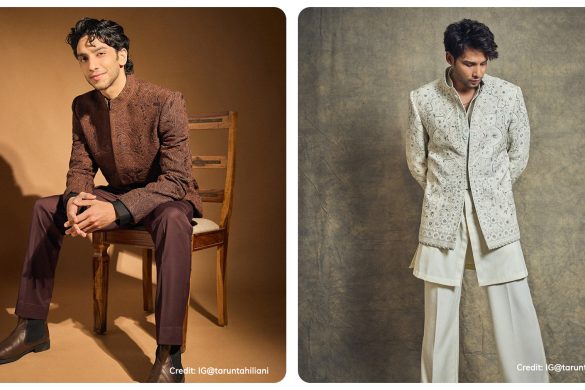
When it comes to Indian ethnic wear for men, the options can sometimes feel limited compared to women's fashion. However, dig a little deeper, and you will find a treasure trove of royal garments that have stood the test of time. One such garment is the Achkan.
Often confused with the Sherwani, the Achkan is a classic piece of attire that exudes elegance, royalty, and sophistication. Whether you are a groom-to-be, a wedding guest, or simply someone who loves traditional fashion, understanding the Achkan can elevate your style game significantly.
In this guide, we will explore the rich history of the Achkan, how it differs from other traditional coats, its unique design elements, and how it fits into the modern man's wardrobe.
What is an Achkan?
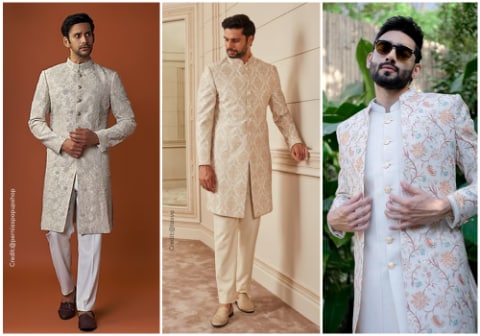
At its core, an Achkan is a knee-length jacket worn by men in the Indian subcontinent. It is a type of long coat that is synonymous with nobility and formal occasions. The word itself is derived from "Angrakha," which translates to "body protector."
While it looks very similar to a Sherwani, the Achkan has subtle differences in fit and tailoring. It is historically known as "Baghal bandi" because of its side opening. In different parts of India and neighboring regions, it goes by various names:
- Daura: In Nepal and Northeast India.
- Cholu or Chola: In the Indian Himalayas.
- Angi: In the southern parts of India.
It is a garment that bridges the gap between ancient tradition and modern formal wear, offering a silhouette that is both sharp and culturally rooted.
A History Woven in Royalty
The story of the Achkan is as old as civilization itself in India. References to similar garments can be traced back to the Mauryan period, where Greek literature mentions men and women wearing ensembles that resembled the Achkan.
Over centuries, the Achkan evolved. It became a staple in the courts of kings and nobles. By the medieval period, it was firmly established as a garment of status. It wasn't just clothing; it was a statement of power and refinement.
While the Sherwani became more associated with the Muslim aristocracy and later the general population, the Achkan found immense favor among the Hindu nobility, particularly in regions like Rajasthan, Punjab, and Hyderabad.
Perhaps the most famous evolution of the Achkan in modern history is the Nehru Jacket. The shorter, sleeveless jacket popularized by India's first Prime Minister, Jawaharlal Nehru, is essentially a derivative of the traditional Achkan, showcasing just how versatile and enduring this style is.
Design Elements: What Makes an Achkan Unique?
You might be wondering, "How do I spot an Achkan?" It is all in the details. Unlike a standard western suit or even a Kurta, the Achkan has specific design features that define its look.
1. The Baghal Bandi (Side Opening)
The most distinctive feature of a traditional Achkan is the "Baghal bandi" style. This means the opening of the jacket is not strictly in the center but often veers to the side. It is typically secured with drawstrings or buttons, giving it an asymmetrical and regal look.
2. The Fabric
Because it is a formal garment, Achkans are rarely made from simple cotton. They are crafted from rich, tactile fabrics that hold their shape and offer a luxurious sheen. Common fabrics include:
- Silk: For a classic, shiny finish.
- Jacquard: For textured, self-patterned designs.
- Brocade: For a heavy, rich feel perfect for winter weddings.
3. Embellishments
An Achkan is often a canvas for Indian craftsmanship. It is common to see them adorned with traditional embroidery techniques such as:
- Gota Patti: Gold or silver ribbon work.
- Zardozi: Metal embroidery that adds weight and grandeur.
- Zari: Fine gold or silver threads woven into the fabric.
- Badla Work: Flattened metal wire embroidery.
4. The Silhouette
The Achkan is tailored to be more fitted than a loose Kurta but less structured than a western suit jacket. It is designed to enhance the wearer's silhouette, offering a lean and tall appearance.
How to Wear an Achkan: Styling Tips
Traditionally, the styling of an Achkan was quite specific. It was often worn with a sash known as a "patka" or a waist belt called a "Kamar bandh" or "Dora." These accessories were wrapped around the waist to accentuate the form and hold ceremonial swords or daggers.
Today, styling is a bit different but equally elegant.
The Bottom Wear
While Sherwanis can be paired with various bottoms, Achkans have always looked best with streamlined options.
- Churidar: The most classic pairing. The gathered fabric at the ankles balances the structured look of the coat.
- Dhoti: For a more traditional and bold look, a Dhoti adds a touch of old-world charm.
The Footwear
Your shoes can make or break the look. Avoid sports shoes or western dress shoes. instead, opt for:
- Mojaris or Juttis: Traditional embroidered footwear that complements the heavy fabric of the Achkan.
Accessories
Since the Achkan itself is ornate, keep accessories minimal yet impactful.
- Pocket Square: A contrasting pocket square can add a pop of color.
- Brooch or Mala: A string of pearls or a jeweled brooch can add a royal touch without looking overdone.
The Achkan vs. The Sherwani
This is the most common question: "What is the difference?"
While they are cousins in the world of fashion, the differences lie in the cut and the fabric weight.
- Length: Achkans are typically knee-length, whereas Sherwanis can sometimes be longer, reaching below the knees.
- Fit: Achkans tend to be more fitted and streamlined. Sherwanis can be slightly boxier.
- Fabric: Achkans are often lighter and more unlined, making them slightly less bulky than the heavily padded Sherwani.
Modern Relevance: The Achkan Today
In today's fashion landscape, the Achkan has seen a massive resurgence. It is no longer just a "groom's outfit." It has become a symbol of sophisticated Indian masculinity.
Designers are constantly reinventing the Achkan. You can now find deconstructed versions that are lighter and easier to wear for cocktail parties or sangeets.
- Contemporary Cuts: Designers like Siddartha Tytler are experimenting with the tailoring, giving the ancient garment a modern, edgy twist.
- Minimalist Styles: Brands like Talking Threads Men focus on clean cuts and solid colors, removing the heavy embroidery for a look that is understated yet powerful.
- Fusion Wear: The influence of the Achkan is seen in fusion wear, where the side-opening silhouette is applied to shirts and shorter jackets.
The Achkan is primarily worn during winter festivities in North India (Delhi, Punjab, Uttar Pradesh) and Hyderabad due to its thick fabric and layered style. However, with lighter fabrics being used today, it is becoming a year-round option for evening events.
Why Choose an Achkan?
If you are debating between a suit and traditional wear, here is why the Achkan wins:
- Cultural Connection: It connects you to a lineage of royalty and history.
- Flattering Fit: The structured cut is universally flattering, making you look taller and broader.
- Versatility: Depending on the fabric and embroidery, it can be worn to your own wedding or a friend's formal dinner.
Conclusion
The Achkan is more than just a piece of clothing; it is a legacy. From the ancient Mauryan era to the modern fashion runways, it has evolved while keeping its soul intact. It represents a distinct style that is undeniably Indian—regal, detailed, and dignified.
So, the next time you receive an invitation to a wedding or a formal festive event, consider skipping the standard suit. embrace the royal heritage of India and step out in an Achkan. You won't just be wearing a jacket; you will be wearing a piece of history.