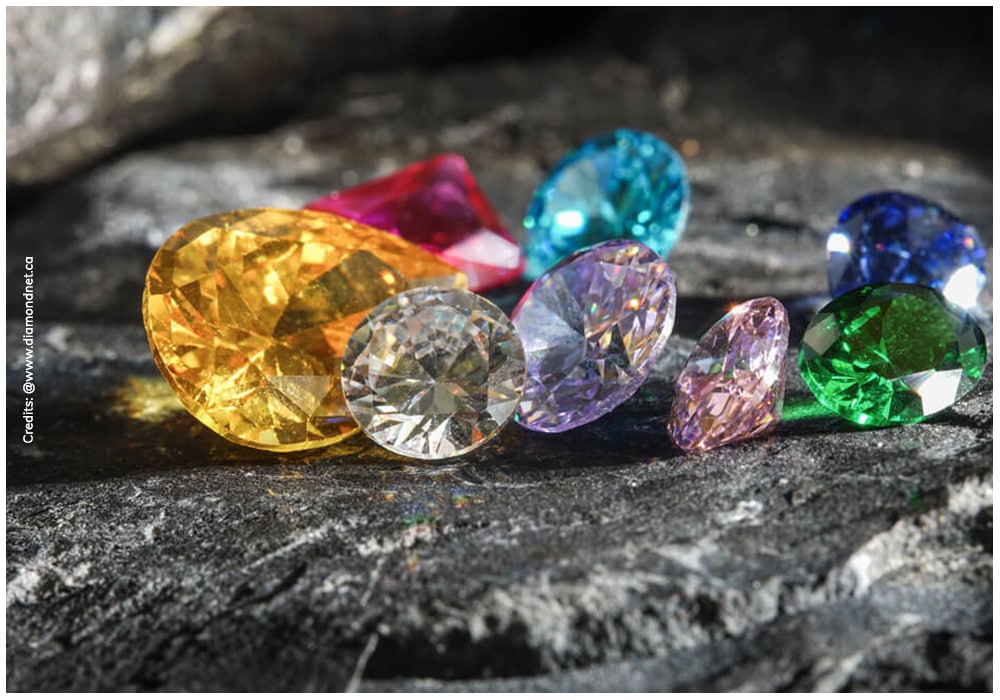
Think of the last time you saw a diamond. It was likely a brilliant, clear stone, sparkling with white light. Now, imagine that same brilliance soaked in the deep hue of a summer ocean or the soft blush of a rose petal. This is the world of fancy colored diamonds, a sector of the gemstone market that has captivated investors and collectors alike.
While traditional colorless diamonds have their place, colored diamonds offer a level of rarity that drives immense value. But does beauty equate to financial gain? Whether you are a seasoned investor diversifying your portfolio or a designer jewellery lover looking for an asset that holds its worth, understanding the market is crucial.
In this guide, we will explore why a colored diamond investment might be the right move for you. We will explain how colored diamonds are produced, break down the value of different colors with accurate prices, discuss their impressive value growth over time, and touch upon the rising trend of lab-grown alternatives.
How Are Colored Diamonds Produced?
The production of colored diamonds is a marvel of nature, resulting from unique geological conditions deep within the earth:
- Yellow Diamonds: Their color comes from nitrogen atoms that become part of the diamond's carbon structure, absorbing blue light and creating a yellow hue.
- Blue Diamonds: Form when boron atoms are present among the carbon atoms, giving them their stunning blue color.
- Pink and Red Diamonds: Created by extreme pressure and heat, causing distortions in the crystal lattice, known as “plastic deformation.” This structural twist reflects pink or red light.
- Green Diamonds: Naturally occur when the diamond is exposed to radiation as it travels to the earth’s surface, which changes its crystal structure to reflect green tones.
Because the formation conditions are so unusual, colored diamonds are exceptionally rare—only about 1 in 10,000 mined diamonds have a noticeable color.
The Case for Colored Diamond Investment
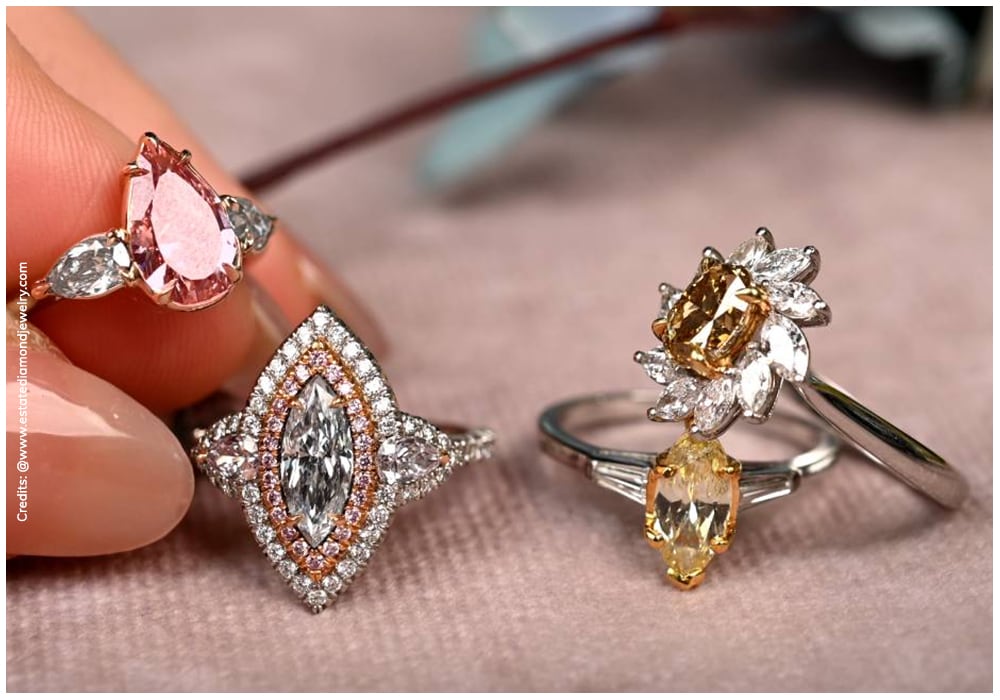
Unlike mass market gemstones, investment-grade fancy colored diamonds are valued for their rarity and unique internal qualities. Their extraordinary scarcity has fueled remarkable growth in value. Over the last 20 years, prices for fancy colored diamonds have increased by a staggering 205%.
- Pink diamonds have risen by around 391% since 2005.
- Blue diamonds have also shown significant increases, often fetching record prices at auction.
- Yellow diamonds are a more accessible option—have seen a robust 48% price growth.
These impressive figures highlight the long-term value potential of fancy colored diamonds compared to many traditional assets.
Analyzing the Spectrum: Colors, Rarity, and Price Ranges
Not all colored diamonds are created equally. The investment potential varies dramatically depending on the color intensity and rarity. Here are the most sought-after types and their updated, cross-checked price ranges. (Conversion rate: 1 USD = ₹83 INR)
Pink Diamonds
- Rarity: Extremely High. After the closure of the Argyle Mine (2020), supply is now very limited.
- Price Range: High-quality pink diamonds can range from ₹8,300,000 to ₹83,000,000 per carat ($100,000 to over $1,000,000), depending on color intensity (Fancy Intense or Vivid).
- Investment Outlook: Excellent. Their rarity and soaring demand continue to push prices higher.
Blue Diamonds
- Rarity: Very High. Mostly sourced from Cullinan mine, South Africa.
- Price Range: Medium-toned 1-carat blue diamonds start around ₹16,600,000 ($200,000) per carat. Deeper vivid blue diamonds regularly fetch upwards of ₹83,000,000 ($1,000,000+) per carat at auction.
- Investment Outlook: Very Strong. Trophy assets prized at global auctions.
Yellow Diamonds
- Rarity: Moderate to High (depending on saturation). Also known as “Canary” diamonds.
- Price Range: Lighter yellow diamonds start at ₹249,000 to ₹415,000 per carat ($3,000–$5,000 per carat). Fancy Vivid Yellow stones can command ₹1,245,000+ per carat ($15,000+ per carat).
- Investment Outlook: Stable growth with more accessible entry points.
Red Diamonds
- Rarity: Extreme. Fewer than 30 true red stones are known worldwide.
- Price Range: When available, red diamonds easily sell for ₹83,000,000+ per carat ($1,000,000+ per carat).
- Investment Outlook: Ultra-niche, reserved for collectors.
Green Diamonds
- Rarity: Exceptional, especially if naturally colored.
- Price Range: Because of their rarity and difficulty in verifying natural origin, prices are extremely variable but usually start from ₹16,600,000 ($200,000) per carat and may far exceed that for highly saturated stones.
- Investment Outlook: High-risk, high-reward. Best for experienced investors.
Consistent Value Growth in a Volatile World
During the financial crisis of 2008, while many traditional investments suffered, top-quality colored diamonds either held their value or rose in price. As tangible, rare, non-correlated assets, they are often used as a hedge against inflation and currency fluctuations. If you’re looking for a “long hold” asset (recommended time frame: 5–10+ years), colored diamonds are a compelling choice, though selling rare stones can take time to find the right buyer.
Lab-Grown Colored Diamonds: How Are They Made?
Lab-grown diamonds are created using two main technological processes:
- High Pressure, High Temperature (HPHT): Simulates the natural conditions of the earth’s mantle. Carbon atoms are subjected to intense heat and pressure, sometimes with added trace elements to influence color.
- Chemical Vapor Deposition (CVD): Carbon-rich gases are broken down, depositing carbon atoms onto a seed crystal to grow a diamond. Colors can be created or enhanced by adjusting gases or post-growth treatments.
Lab-grown colored diamonds are optically and chemically identical to mined ones but lack natural rarity. As a result, they are far more affordable:
- Lab-grown pink, blue, or yellow diamonds: Usually priced from ₹83,000 to ₹830,000 per carat ($1,000–$10,000 per carat), depending on color and quality—often under a tenth the price of their natural counterparts.
While lab-grown diamonds don’t offer the same investment value due to unlimited producibility, they’re a popular choice for those who want beauty, ethical assurance, and value for money.
Discover Exquisite Gems with Araiya by Aza
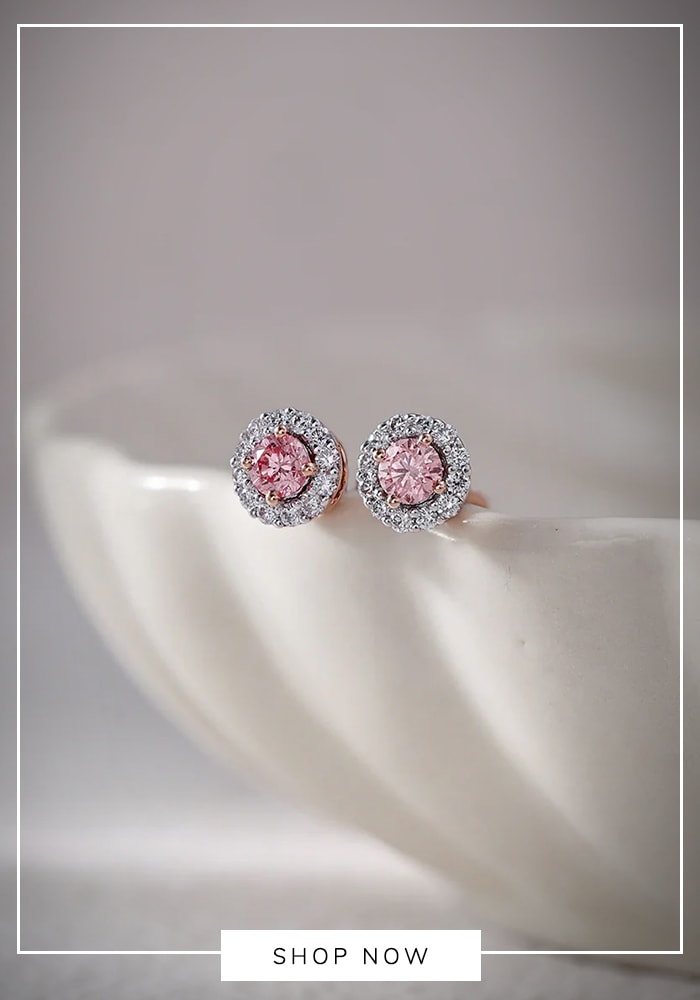
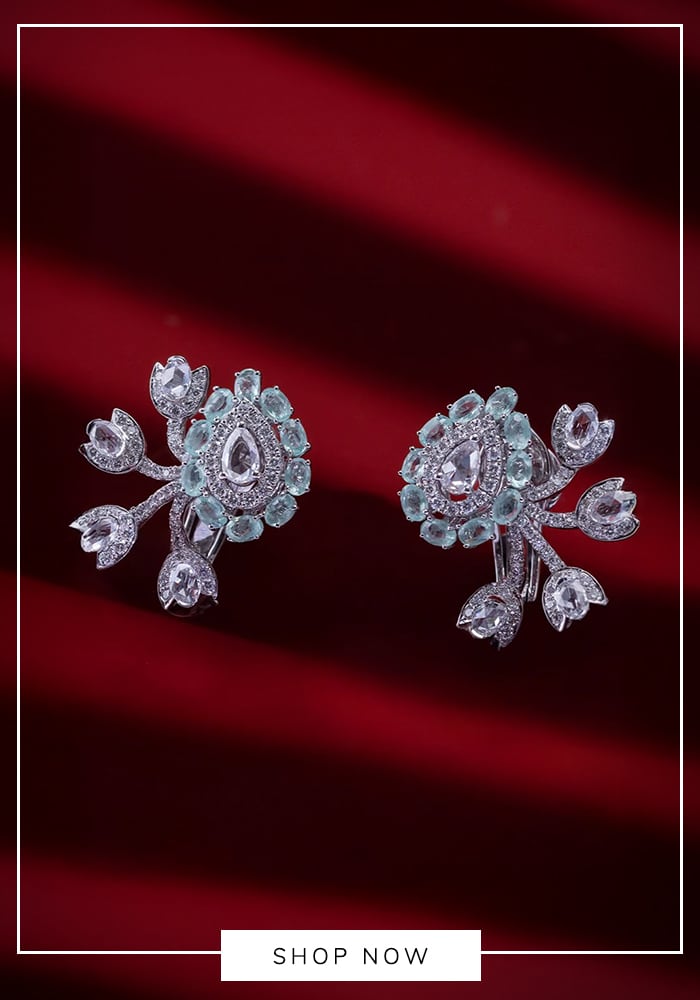
If you want to invest in natural or explore stunning lab-grown colored diamonds, trust and expertise are vital. Araiya by Aza specializes in curating certified, investment-quality-colored diamonds and fine jewellery. Their transparency, rigorous sourcing, and tasteful collections ensure you get beauty, longevity, and peace of mind with every purchase.

Are colored diamonds a good investment? If you choose the right color, quality, and buy from trusted experts, the answer is yes. Whether you’re enchanted by the unmatched rarity of a vivid pink or the warm glow of a Canary yellow, these gems have proven their worth year after year.
Be sure to consult with industry experts, review certifications, and compare offerings from trusted brands like Araiya by Aza. Whether you’re into an appreciating asset or a show-stopping piece for your collection, colored diamonds shine as an exceptional opportunity.