From Bandhani, born in the deserts of Gujarat and Rajasthan, to Chikankari crafted in the lanes of Lucknow and from Banarasi silks, woven in Varanasi, to block prints hand-pressed in the workshops of Ajrakhpur and Jaipur, Indian textiles are living stories of patience, artistry, innovation, and heritage. In the era where fleeting trends dominate, there’s a significant inclination towards Made in India initiatives, Indian craftsmanship, paying ode to handmade textiles, artisanal crafts and regional weaves that carry centuries-old techniques.
Ahead of India’s 79th Independence Day celebration, let’s take you through some of the most treasured crafts of the country. Along the way, you will explore their origins, how they are made and why they still matter today after years of being discovered and fresh new ideas to incorporate them in your wardrobe.
And because every craft deserves to be worn, loved, and celebrated, we’ve curated the best of these heritage weaves and luxury Indian fashion for you at Aza, where tradition meets marries glamour, and every piece tells a story worth wearing.
Discover India’s Finest Weaves & Embellishments – Curated Exclusively by Aza
The revival of such heritage textile craft is not only for the sake of nostalgia but primarily because of conscious luxury. Indian craftsmanship is an exquisite cocktail of sustainable practices, cultural legacy and a beauty that modern technology can replicate but without a soul and the magic.
Each embroidery stitch that makes a Chikankari piece a success, each thread of a handloom saree and every hand-blocked print highlight hours and sometimes weeks of skilled craftsmanship that is passed down through generations.
Banarasi Weaves
“Crafted by Hand, Honored by Time”
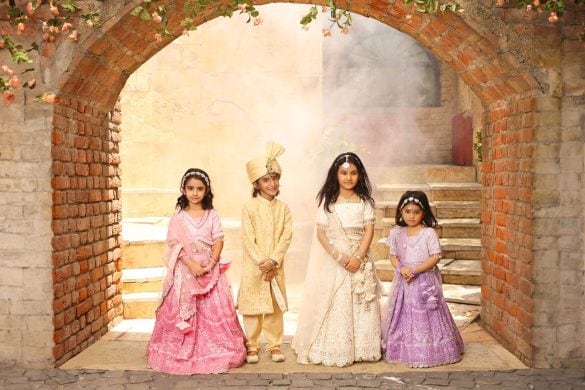
At Aza, we bring the splendour of Banarasi weaving to every wardrobe — from timeless heirlooms to contemporary statements, and for every age group. Our curated Banarasi collection features exquisite apparel for women, men, and kids, designed to suit both grand celebrations and everyday elegance.
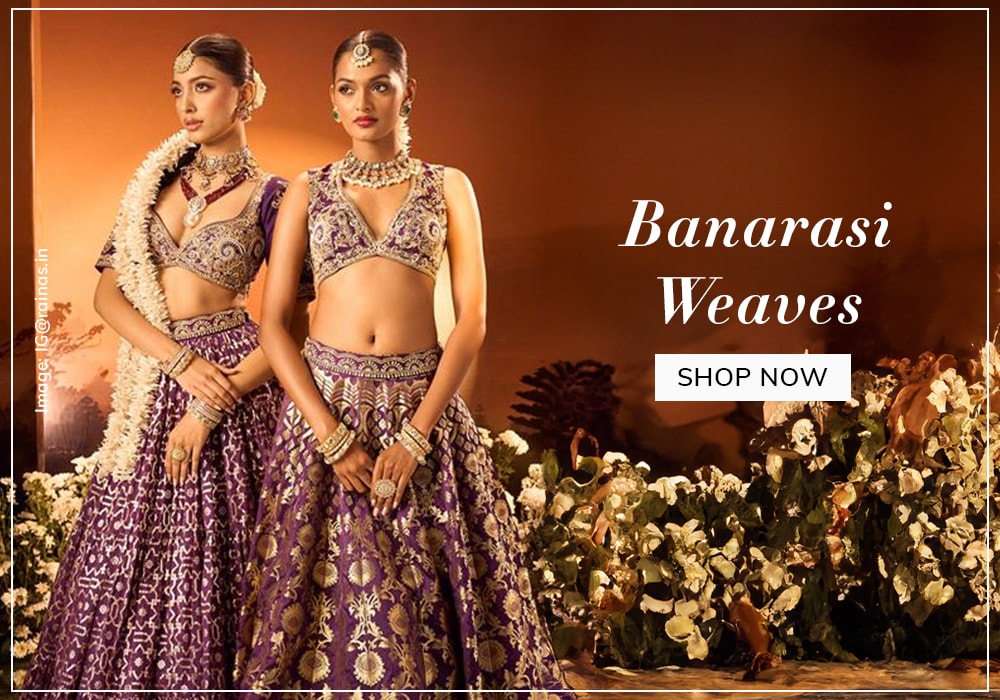
This collection celebrates the work of some of India’s finest designers, including Ekaya Banaras, Jigar Mali, Kasturi Kundal, Lajjoo C, Neha Khullar, Punit Balana, Saksham Neharicka, and more — each bringing their unique vision to the rich heritage of Banarasi craftsmanship.
The Origin Story of Banarasi
The art of Banarasi was born in the holy city of Varanasi, where the Ganga flows past ghats steeped in history. Crafted by skilled artisans, its rich brocades and shimmering gold and silver zari threads are more than fabrics; they are woven heirlooms passed down through generations.
The Many Weaves of Banarasi Silk
Traditionally handwoven, Banarasi silks come in various weaves ranging from Katan (pure silk with intricate motifs), Shattir (for contemporary patterns) to Organza with Zari (lightweight and sheer), and Georgette Banarasi (soft and fluid). Recognizable for its Mughal-inspired designs like floral jaals, paisleys, and ornate borders, each saree can take from 15 days to over six months to complete.
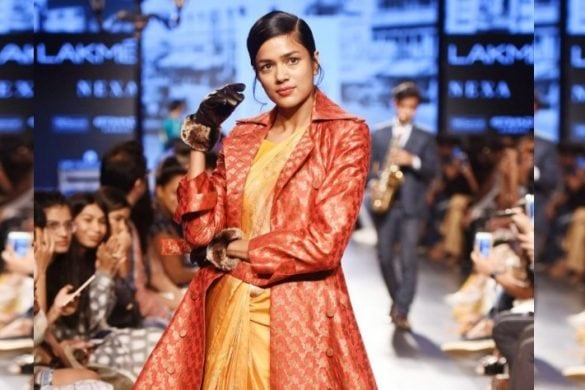
The Banarari saree was once reserved for weddings, but now Banarasi weaving is being reimagined by the new-age designers into Banarasi lehenga, jackets, and modern silhouettes. Hence, it could easily find a place in the modern wardrobes while preserving its heritage charm.
Why Banarasi Silk Remains a Bridal Favourite
The opulent sheen, distinct textures and the regal-invoking intricate Mughal-inspired motifs are what take credit for the longstanding popularity of Banarasi silk saree amongst brides of all generations. The use of gold and silver zari work on the banarasi sarees or lehengas for bride is believed to embody prosperity and blessing, making it an auspicious option for every bridal trousseau.
Bandhani Treasures
“Dots of Tradition, Draped in Grace”
Bandhani Treasures at Aza celebrate the timeless charm of Gujarat and Rajasthan’s iconic tie-resist dyeing art, reimagined for today’s wardrobes. From traditional sarees and Indian lehengas to chic co-ords, dresses for women, and accessories, this edit blends heritage patterns with modern silhouettes.
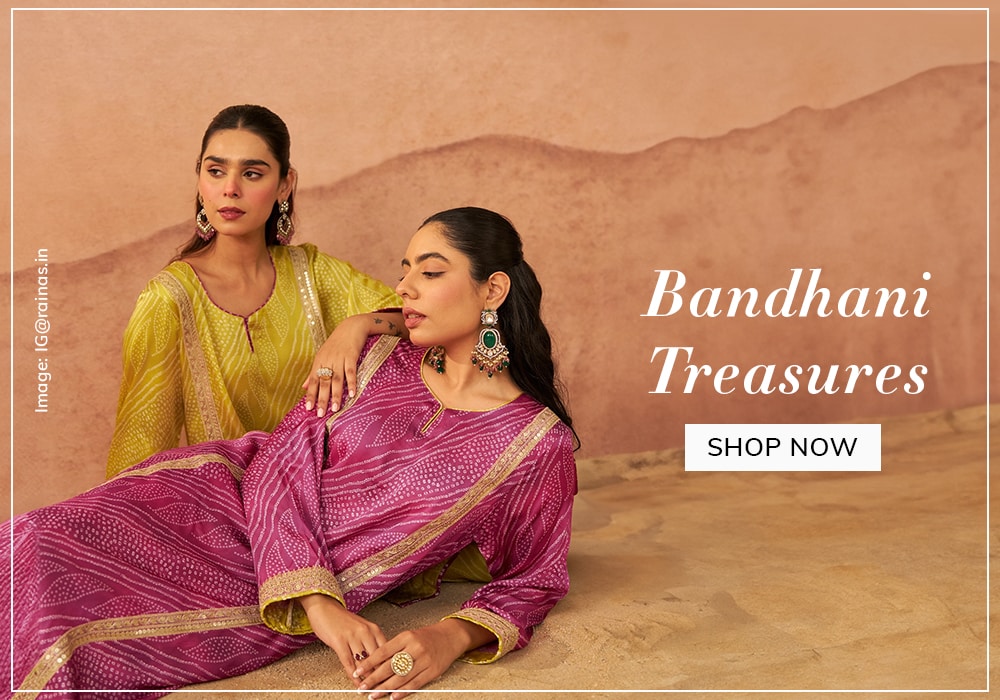
Featuring creations by celebrated designers like Anita Dongre, Angad Singh, Drishti & Zahabia, Gopi Baid, Etasha by Asha Jain, Isha Gupta Tayal, Mrunalini Rao, Ritu Kumar, and more, each piece captures the intricate artistry of hand-tied Bandhani while offering styles for weddings, festive occasions, and everyday elegance.
Bandhani Beginnings
The art of Bandhani has flourished in the sun-soaked deserts of Gujarat and the royal courts of Rajasthan for centuries as a symbol of thoughtful artistry, festivity and tradition. Distinguished for its delicate dotted patterns and the bursts of joyful shades, this tie-dye resist dyeing craft on Indian clothing underlines the cultural heartbeat of Western India.
How It’s Made: The Plucking & Tying Technique
The process of Bandhani art begins with artisans pinching small portions of fabric and knotting them tightly before soaking them in dye. These knotted fabrics then resist color penetration, leaving behind the signature dotted designs when the thread is separated. Based on complexity, a single Bandhani piece can showcase thousands of hand-tied dots, taking weeks to complete.
Bandhani vs. Tye-Dye: The Key Difference
Technically, both tie-dye and Bandhani art include creating patterns by restricting certain portions of the fabric from soaking dye. However, Bandhani is an Indian craft from Gujarat and Rajasthan that has been prevalent for centuries and involves the use of tiny, intricate hand-tied dots to create detailed motifs. Tie-dye, on the other hand is a more modern and broader technique that is globally practised, often creating abstract and bold patterns with larger color sections.
Modern Twists on a Heritage Craft
Gone are the days when only Bandhani lehengas, red Indian sarees and dupattas featured the signature print. Nowadays, you can the Bandhani print on co-ord sets, jackets, and accessories too. Recently, Bollywood actress Alia Bhatt was seen paying tribute to this ancient art form by wearing a Bandhani lehenga at her friend’s wedding.
Chikankari Classics
“Lucknow’s Legacy in Every Stitch”
Aza’s Chikankari Classics curation celebrates the poetic elegance of Lucknow’s most treasured craft. This collection brings together timeless and contemporary interpretations of the centuries-old hand embroidery, featuring designers like Dolly J, Kritika Dawar, Monk & Mei by Sonia Anand, and House of Chikankari.
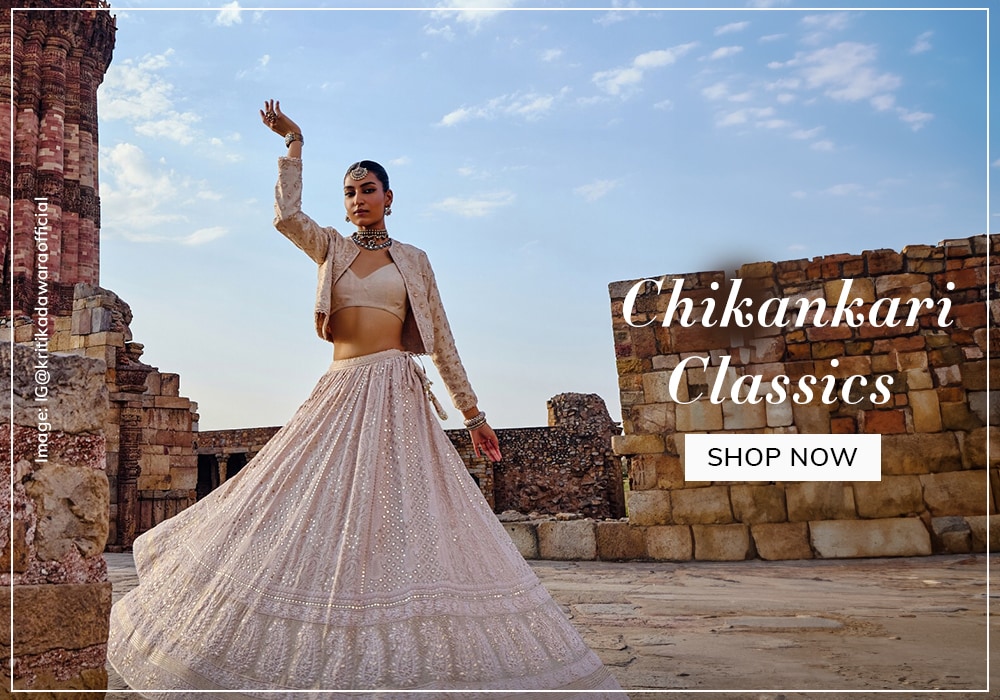
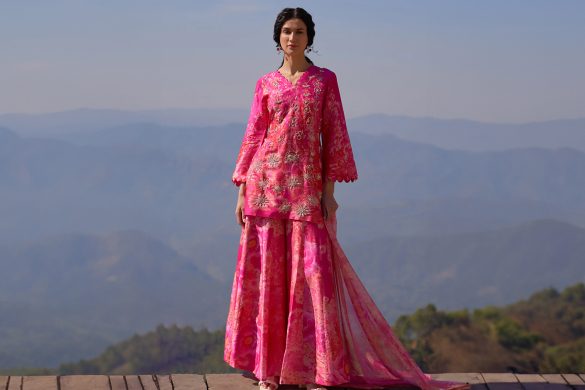
From airy hand embroidered Chikankari kurta and flowing shararas to occasion-ready gowns and contemporary co-ords, each piece blends artisanal finesse with modern design sensibilities, making it perfect for weddings, festive gatherings, or everyday sophistication.
Origin & Evolution of Lucknow’s Chikankari
Mughal empress Nur Jahan introduced Chikankari in the early 17th century after which it began flourishing in Awadh’s royal courts. Crafted traditionally using white thread on fine muslin cloth, the Persian-inspired Chikankari embroidery evolved as a symbol of nobility and elegance.
Signature Stitches of Chikankari
The beauty and charm of Chikankari lie in its types of hand-embroidery techniques, each adding a distinctive texture. The tiny knots referred to as the ‘phanda’ and the floral motifs, or the ‘keel kangan’ are some of the most popular. Other types that have gained huge momentum in the fashion landscape over the years are ‘jaali’ or the net-like patterns, and ‘murri’ (rice-shaped stitches), both of which reflect the finesse and artistry of the timeless craft.
Chikankari in Contemporary Fashion
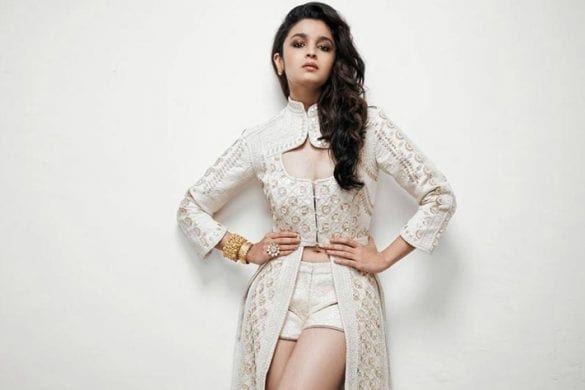
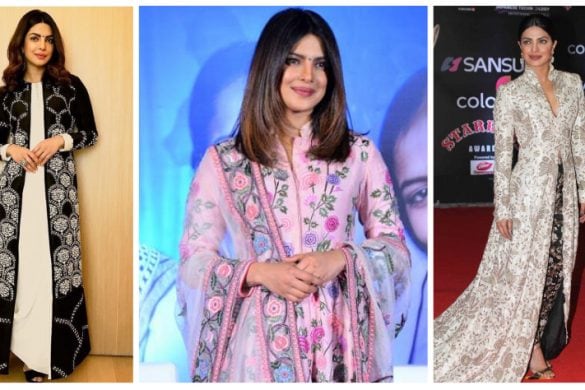
The Chikankari embroidery was once featured only on traditional kurtas, but over time, it has found expression in festive co-ords, sarees, shararas, jackets, dresses, and more. Designers are blending the delicate embroidery with modern cuts, vibrant hues, and luxe fabrics, making it a favourite for both everyday elegance and special occasions.
Gota Glam
“Where Gold Threads Marry Modern Shine”
Aza’s Gota Glam curate is not only a collection containing handpicked styles but a compiled tribute to the timeless allure of festive opulence, mirrorwork and gold threads. Bringing together India’s most iconic designers, this edit throws spotlight on gota patti in its most extravagant form.
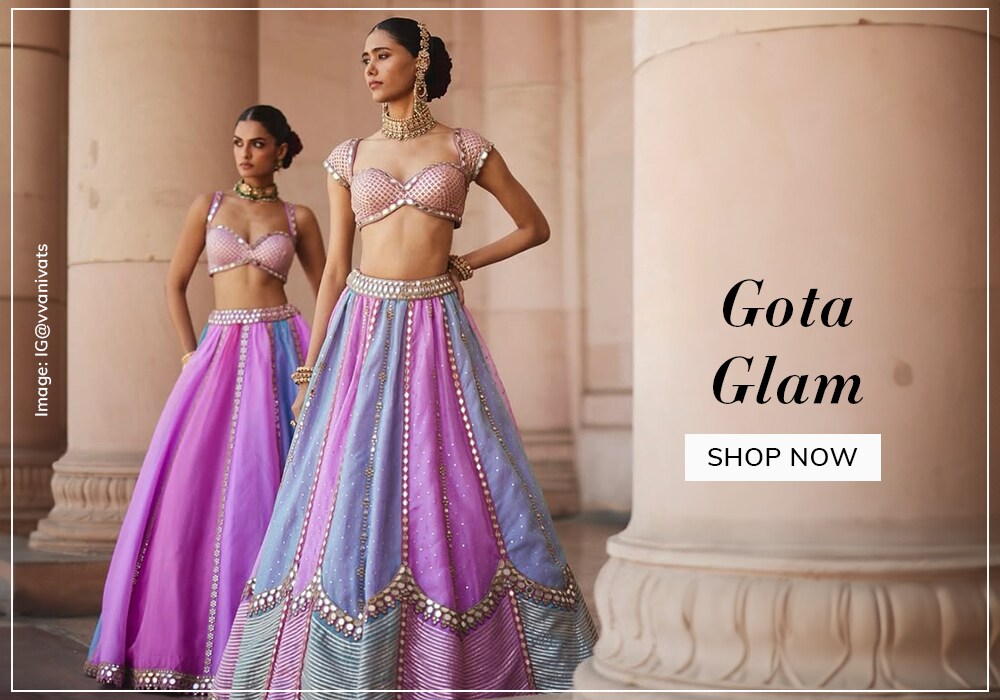
From the mirror-drenched magic of Abhinav Mishra to the edgy style quotient of Anamika Khanna, Gopi Vaid and ITRH’s statement-making aesthetics and more, Gota Glam features a vast palette of styles, including genuine gota patti lehenga India that combine tradition with trend. Whether it is a sangeet-ready lehenga or a dreamy sharara set, Gota Glam by Aza is your go-getter for all things festive, fabulous, and full of sparkle.
The Origins of Gota Patti
Gota Patti, also known as the embroidery of royalty, finds its roots to the desert lands of Rajasthan. Originating in the royal courts of the Mughal era and later embraced by Rajput royalty, this meticulous craft was traditionally used to embellish celebratory attires, especially for weddings and festivals.
Gota Patti began using real gold and silver ribbons on chiffon and silk. However, over time, the originals were replaced by the metallic-coated gota, while preserving the shimmer. Rooted in cities like Jaipur and Udaipur, Gota Patti symbolizes festive elegance and timeless tradition.
Gota Patti Goes Contemporary
Gota Patti is no longer solely seen on traditional wear but is making bold moves on gowns, bouses and jackets too. From shimmering cropped jackets to embellished blouses and fusion gowns, designers are redefining this classic craft with a fresh and fashion-forward edge.
Block Print Edit
“Hand-Stamped Stories on Fabric”
Aza’s Block Print Edit is a curated celebration of traditional artistry marrying modern style. The designer collection brings together timeless block-printed pieces from Indian sarees to lehenga choli, kurta sets and beyond that pay ode to heritage while seamlessly slotting into the modern wardrobe.
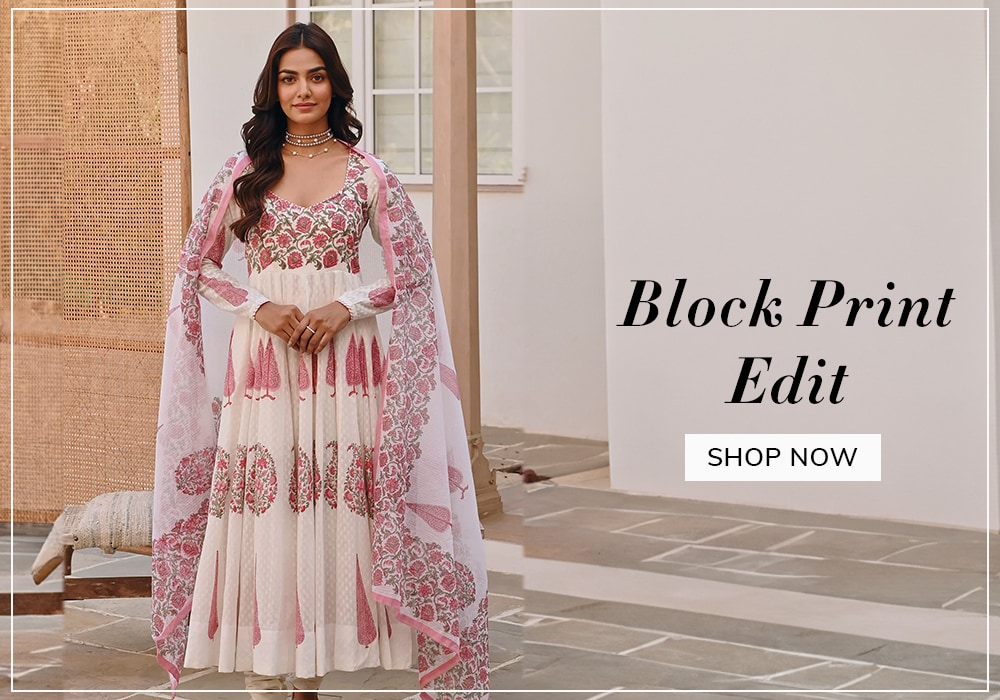
From the show-stopping expressions of Punit Balana to the intricate elegance of Torani, Devnaagri and Etasha by Asha Jain and more, the pieces from the curate are proof that block prints can be royal, bohemian, festive or fiercely modern.
The Origin Story of Hand Block Printing
Hand block printing is one of the oldest ways of decorating textiles, with roots in Indian tracing back over 4500 years. The Indus Valley Civilisation has recorded its earliest ruins, indicating the prevalence of advanced dyeing and printing techniques. But it was in the 12th century that the craft flourished in parts of Rajasthan and Gujarat.
Naturally Dyed and Authentically Made
What sets block printing apart from other Indian textile crafts is its commitment to sustainability and tradition. Each design is stamped with hand-carved wooden blocks, that are chiseled meticulously by artisans to create beautiful motifs. These blocks are then dipped in natural dyes, which are extracted from roots, minerals and plants, adding an organic and earthy charm to the prints.
Prints on the Global Stage
From runways to everyday streets, Indian prints are witnessing a major fashion moment globally. International designers and labels are embracing the beauty of handcrafted patterns because of their artisanal appeal and sustainability. Whether it a block-print co-ord set, designer skirt set, a roomy boho block print dress, or a printed saree, prints are now seen as fashion-forward and expressive and not just traditional.
Handloom Heritage
“The Soul of Indian Textiles”
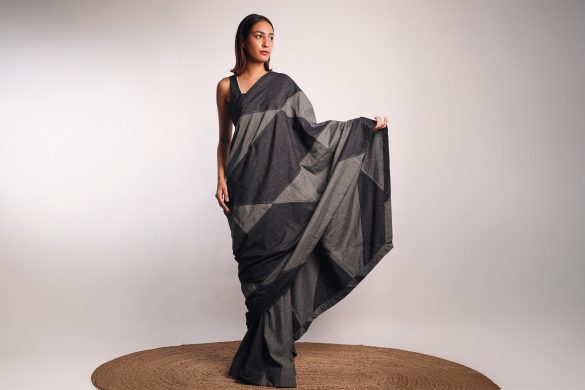
At Aza, our Handloom Heritage curation brings together the finest of India’s weaving traditions, blending time-honoured craftsmanship with contemporary appeal. From rich silks to airy cottons, the collection features statement sarees, elegant suits, versatile jackets, and festive ensembles for all occasions.
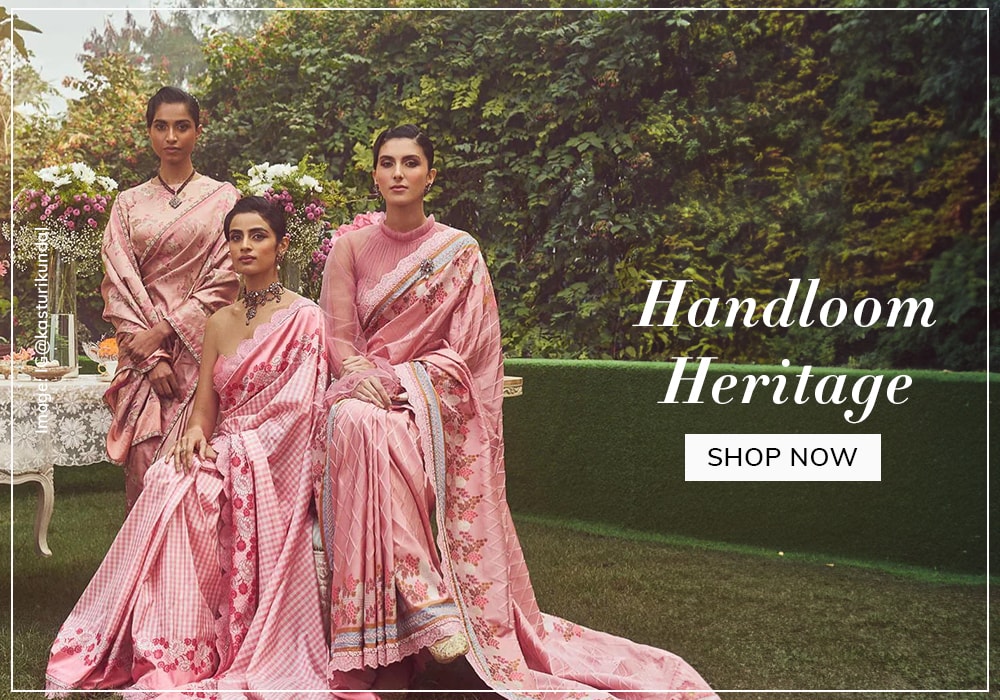
Designers like Ekaya Banaras, Neha Khullar, Punit Balana, Ritu Kumar, and Sawan Gandhi champion this artistry, reinterpreting age-old techniques into silhouettes that resonate with modern wardrobes.
The Timeless Journey of Indian Handloom
Indian handloom weaving dates back thousands of years back, with references cited in ancient scriptures like the Rigveda and depictions found on Indus Valley artefacts. What began as a necessity transpired into a sophisticated art form, molded by regional traditions, regal patronage and trade routes that transported Indian textiles across the seas.
Each weaving cluster, from the silk looms of Kanchipuram to the cotton Jamdani workshops of Bengal developed its own unique identity, motifs, and techniques, turning every fabric into a cultural heirloom.
Regional Treasures of Indian Handloom
India’s handloom legacy is much more than mere textiles; it is rather about regional pride, artistry and identity. From the rich elegance of Kanchipuram silks in Tamil Nadu to the minimalist sophistication of Maheshwari weaves from Madhya Pradesh, each fabric tells stories of tradition.
The airy grace of Chandani or Chanderi speaks of royal patronage and Mughal artistry whereas the vibrant geometrics of Pochampally Ikkat from Telangana highlight the precision dyeing and bright aesthetics. Every weave highlights the land, climate, and the community it comes from, making handloom not only a craft but a living cultural memory.
Designers Reviving Handloom Legacy
Several iconic designers have put efforts in bringing the handloom legacy back to the red carpets and runways and modern wardrobes worldwide. Labels like Rimzim Dadu and Raw Mango are not only designing handloom sarees and other silhouettes but are preserving heritage too.
Crafted to Last: The New Language of Luxury
Today’s definition of luxury emphasises more on meaning, soul, and the story rather than flashy logos. Leaning towards Indian crafts like block print and handloom is not just a style statement but a celebration of individuality, ethics and heritage. Each piece supports the local artisans and carries the charm of signature craftsmanship, reflecting a fashion that feels good both ethnically and emotionally.
Explore India’s Crafted Legacy at Aza Fashions
Step into a world where every thread narrates a story and every print carries ancient historical tales. Aza’s curated collections celebrate India’s rich craft heritage, ranging from timeless block prints to intricate handloom sarees, all designed by the skilled artisans across the country. Discover pieces that are rooted in tradition and are handmade with love and precision, designed for the modern wardrobe.