 India's textile heritage is a vibrant mosaic of regional weaves, each telling a story of its culture and history. In the coastal state of Odisha, one such treasure is the Berhampuri Patta saree. Also known as the "Phoda Kumbha," this saree is a masterpiece of Odissi weaving, celebrated for its unique temple motifs and the fascinating tradition of being woven in pairs. For centuries, this silk saree was the pride of royalty and an essential offering in temples. Its brilliant colors, intricate borders, and rich pallu make it a statement of elegance and tradition. Even today, in a world of fast fashion, the Berhampuri Patta holds its own as a symbol of exquisite craftsmanship. This guide will take you to the historic city of Berhampur to explore the story of this royal weave, from its sacred origins and meticulous creation process to its place in the modern wardrobe.
What is a Berhampuri Patta Saree?
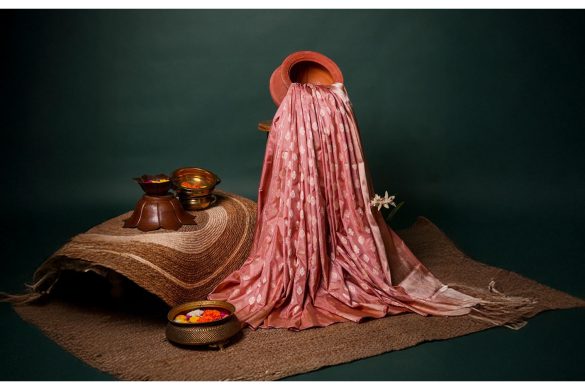
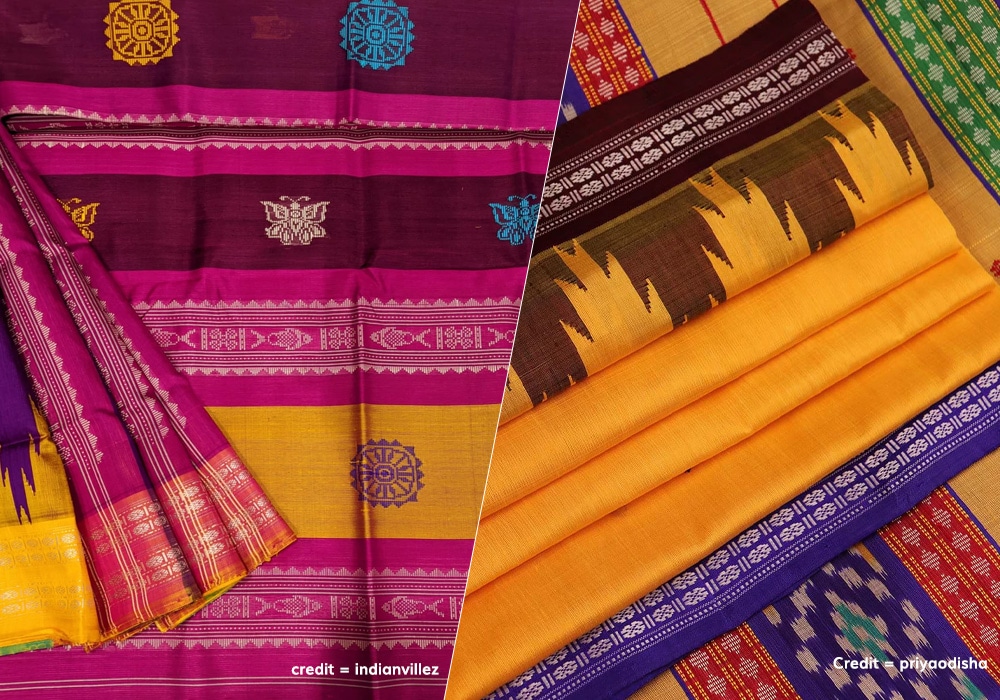
The Berhampuri Patta is a handloom silk saree that originates from the city of Berhampur in the Ganjam district of Odisha. It is renowned for its distinctive design, which features a Kumbha, or temple spire motif, woven along the border. This gives the saree a sacred and traditional identity. One of the most unique aspects of the Berhampuri Patta is that it is traditionally woven as a pair. For every saree created for the woman, a matching silk joda (dhoti or stole) is woven for the man. This signifies unity and was often used by couples during religious ceremonies and weddings. The sarees are known for their vibrant, contrasting colors and a heavily decorated pallu (the decorative end piece).A Weave with Royal and Divine Connections
The history of the Berhampuri Patta is as rich as its silk. The craft is believed to have flourished as early as the 14th century under the patronage of the Mohuri kingdom. The kings of this dynasty, who ruled the Ganjam region, were great patrons of art and weaving. Legend has it that the Berhampuri Patta was first commissioned by a Mohuri king specifically for temple rituals. The saree was used to adorn the deity of the "Mohuri Kahlua" temple, a goddess worshipped by the royal family. The temple was said to be located in a secret cave, and only the king was permitted to enter and perform the worship, for which he used this special silk textile. This divine association gave the saree a sacred status. For a long time, it was primarily used in religious ceremonies and by the royal family. The fact that a single saree could take up to twenty days to weave made it a luxury item, a symbol of status and devotion. The craft was so highly regarded that it was even exported to Southeast Asia during its peak.The Art of Weaving: A Labor of Love
The creation of a Berhampuri Patta saree is a testament to the weaver's patience and skill. The entire process is done by hand on a traditional pit loom, with no machinery involved.1. Preparing the Silk Threads
The process begins with pure silk threads. These threads are carefully dyed in brilliant colors, often using natural dyes in traditional methods. The selection of contrasting colors for the body, border, and pallu is a key part of the design process.2. Weaving on the Pit Loom
The weaver operates a pit loom, a type of handloom where the weaver's feet are in a pit below the ground to operate the pedals.- The Body: The body of the saree is often kept plain, which allows the intricate border and pallu to stand out.
- The Border (Kumbha): The most distinctive feature, the temple border, is woven using an interlocking technique. The sharp, spire-like motifs are created with incredible precision. The style is often a Ganga-Jamuna border, meaning the two borders of the saree are in different colors.
- The Pallu: Weaving the pallu is the most time-consuming part. It is richly decorated with elaborate motifs and patterns, often reflecting the colors of the border.
Design Elements and Symbolism
The designs on a Berhampuri Patta are deeply rooted in Odishan culture, mythology, and nature.- Phoda Kumbha (Temple Border): This is the defining feature. The jagged, triangular spires mimic the architecture of Odisha's famous temples. This motif gives the saree its sacred feel.
- Zari Work: Fine zari (metallic thread) is used to create delicate patterns, especially in the pallu, adding a touch of shimmer and luxury.
- Contrasting Colors: The sarees are known for their bold and vibrant color combinations. A deep-colored body might be paired with a bright, contrasting border and pallu, creating a striking visual effect.
- Plain Body: The simplicity of the plain body acts as a perfect canvas, drawing all attention to the magnificently woven borders and pallu.
A Protected Heritage: The GI Tag
In recognition of its unique origin and traditional craftsmanship, the Berhampuri Patta was granted the Geographical Indication (GI) tag by the Government of India. This tag certifies that an authentic Berhampuri Patta can only be made in the Berhampur region of Odisha. This protection is crucial for preserving the livelihood of the weavers and ensuring that customers receive an authentic handloom product, not a machine-made imitation.Berhampuri Patta in the Modern Era
While the core design of the Berhampuri Patta has remained true to its roots, the craft has seen some evolution to cater to modern tastes.- Changing Color Palette: While traditional sarees featured loud, stark colors, there is now a demand for softer, pastel shades. Weavers have started producing sarees in colors like pastel pink, light yellow, and sky blue to appeal to a younger audience.
- A Timeless Classic: Despite these minor changes, the fundamental design remains a classic. A Berhampuri Patta is a prized possession in an Odia bride's trousseau and a staple for festive and formal occasions. Its understated elegance makes it a favorite among saree connoisseurs across India.
- Designer Interventions: Some designers have collaborated with weavers to create contemporary interpretations, but they are careful not to alter the core identity of the weave. The goal is to innovate while keeping the soul of the Phoda Kumbha intact.