Few weddings in India carry the cultural weight, ceremonial richness, and raw emotional power of a wedding from Bihar or Jharkhand. Rooted in thousands of years of Maithili, Bhojpuri, Magahi, and indigenous tribal tradition, weddings in these two states are living archives of India's oldest civilizational memory. They are loud, layered, deeply spiritual, and profoundly community-driven events where every song, every ritual, and every grain of turmeric carries a meaning that stretches back generations.
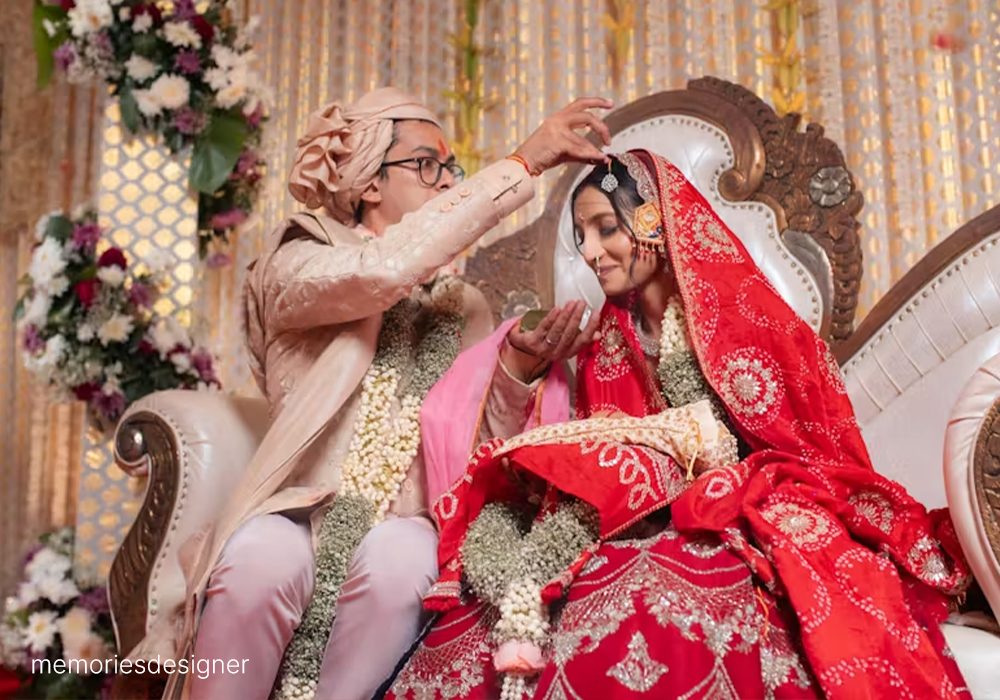
In 2026, as Bihar and Jharkhand weddings gain wider national recognition, this complete guide covers every tradition, ritual, and cultural detail you need to know.
What Makes Bihar & Jharkhand Weddings Unique?
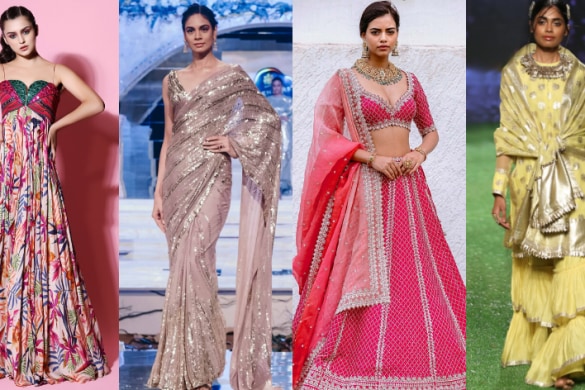
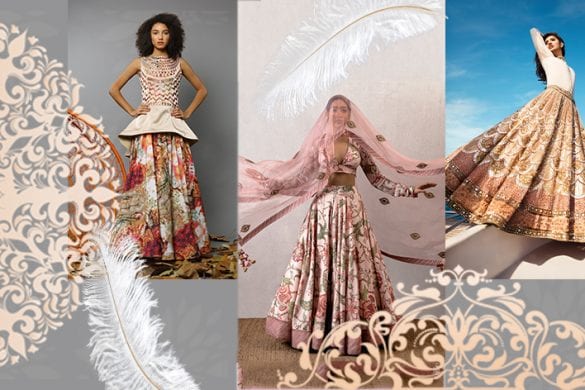
Bihar and Jharkhand share deep cultural and geographic roots Jharkhand was carved out of Bihar in 2000 and their wedding traditions reflect this shared heritage while also showcasing distinct regional identities.For guest and family wear across these rituals, see Lashkaraa's wedding wear at Aza.
Bihar weddings are heavily influenced by three great cultural streams: Maithili tradition (from the Mithila region, birthplace of Goddess Sita), Bhojpuri culture (from western Bihar, rich in folk music and dance), and Magahi tradition (from the Magadh heartland, the ancient seat of Indian empires). These streams give Bihar weddings their extraordinary diversity a wedding in Darbhanga looks and feels different from one in Patna or Gaya, yet all are unmistakably Bihari.
Jharkhand weddings blend these Bihari Brahminical traditions with the vibrant customs of its 32 recognized tribal communities including the Santali, Munda, Ho, Oraon, and Kharia creating a wedding culture that is arguably the most diverse in Eastern India. Tribal weddings in Jharkhand feature nature worship, oral vow-taking in native languages, community feasts, and folk art that predates recorded history.
What unites all weddings across both states is a shared reverence for family hierarchy, community witness, maternal family honor, and the sacred power of ritual song particularly the Sohar, Vivah Geet, and Samchakawa folk song traditions that have been sung by women at weddings for centuries.
Pre-Wedding Rituals in Bihar & Jharkhand
Kuanr Bhet (First Meeting & Proposal)
The wedding process traditionally begins with Kuanr Bhet the formal first meeting between the two families. The groom's family visits the bride's home to see the bride (and vice versa in progressive families), followed by discussions between elders about the suitability of the match. If both sides agree, the alliance moves forward.
Janam Patri Milan (Horoscope Matching)
Before any formal commitment, family priests from both sides perform Janam Patri Milan the detailed matching of the bride and groom's horoscopes. Planetary positions, gotra (lineage) compatibility, and birth star (nakshatra) alignment are all assessed. A favorable match is considered essential in most Hindu Bihar-Jharkhand families before proceeding to engagement.
Tilak Ceremony (Formal Engagement)
The Tilak ceremony is the most important pre-wedding ritual in Bihar and Jharkhand the moment the marriage alliance is formally sealed. The bride's father or senior male relative visits the groom's home with the bride's family party, carrying gifts including clothing, jewelry, cash, dry fruits, and sweets. The Tilak a sacred mark of kumkum or sandalwood paste is applied on the groom's forehead by the bride's family, formally declaring him as the chosen husband.
Once the Tilak is applied and gifts are exchanged, the marriage is socially and spiritually confirmed. The Tilak ceremony in Bihar and Jharkhand weddings is considered as significant as the wedding itself many families celebrate it with a feast nearly as elaborate as the main wedding day.
Haldi (Pithi) Ceremony
In the days before the wedding, both the bride and groom undergo a Haldi ceremony at their respective homes. A paste of turmeric, mustard oil, and besan (gram flour) is applied to the bride and groom by female relatives while wedding folk songs are sung. The yellow color of turmeric is considered auspicious, and the ritual is believed to bless the couple with health, glow, and protection from the evil eye.
In Maithili tradition, this ritual is called Pithi and is performed with great ceremony the paste is applied in a specific sequence starting with the senior-most female relative and moving to younger women.
Mehendi Ceremony
The night before the wedding, the bride's hands and feet are adorned with intricate mehendi (henna) designs by a professional mehendi artist or talented female relatives. In Bhojpuri tradition, the groom's name is hidden within the mehendi design a beloved custom where the groom searches for his name on the wedding night. The darkness and intricacy of the mehendi is believed to indicate the depth of the mother-in-law's love for the bride.
Matkor (Earth Worship Ritual)
Matkor is one of the most ancient and distinctive pre-wedding rituals in Bihar and Jharkhand an act of worshipping the earth (Dharti Mata) before the wedding. Female relatives of the bride and groom carry small pots to a nearby river, pond, or designated spot, where they dig up sacred earth (mitti) and collect water. This earth is brought home and used to make the sacred wedding hearth (chulha) on which the havan (fire ritual) will be performed. Matkor acknowledges that all life and all ceremony is rooted in the earth.
Gauri Pooja (Bride's Prayer to the Goddess)
On the eve of the wedding, the bride performs Gauri Pooja a heartfelt prayer to Goddess Gauri (Parvati) seeking her blessings for a happy and devoted marriage. The ritual draws on the mythology of Goddess Parvati's own devoted worship of Lord Shiva. In Bihar and Jharkhand, this ceremony is intimate and women-only the bride prays quietly while female relatives sing devotional songs around her.
The Main Wedding Day: Core Rituals
Dwarpuja (Welcome at the Gate)
When the groom's procession (Baraat) arrives at the bride's home, the first ritual performed is Dwarpuja a formal welcome ceremony at the entrance. The bride's mother performs an aarti, applies tilak on the groom's forehead, and offers him sweets. In many Bihar families, the bride's brothers playfully block the gate and demand a token payment (Dwar Dakhina) from the groom before allowing him to enter a moment of great laughter and good-natured negotiation that both families remember fondly.
Mandap Ceremony (Vivah Mandap)
The main wedding ceremony takes place under the Vivah Mandap a decorated wedding canopy constructed with bamboo poles, banana leaves, mango leaves, and marigold garlands. The priest establishes the sacred fire (havan kund) at the center of the mandap, and both the bride and groom are seated facing it. The ceremony begins with the invocation of Lord Ganesha, followed by prayers to the Navgrahas (nine planets) and the family deity.
Kanyadaan (Giving Away the Bride)
Kanyadaan is the most sacred and emotionally charged moment of the Bihar-Jharkhand wedding. The bride's father takes his daughter's right hand, places it in the groom's hand, pours sacred water (Gangajal or holy water) over their joined hands, and formally gives her away with Vedic mantras. The priest chants prayers as the father makes his declaration an act considered the holiest gift a father can offer in Hindu tradition.
In Maithili tradition, Kanyadaan is preceded by a ritual called Sampradan where the bride's maternal uncle (Mama) also participates, standing beside the bride's father as a witness and co-guardian.
Saptapadi (Seven Sacred Steps)
The bride and groom take seven steps together around the sacred fire each step accompanied by a specific vow chanted by the priest. The seven vows cover nourishment, strength, prosperity, happiness, progeny, health, and lifelong friendship. In Bihar tradition, the groom leads the bride for the first six steps and the bride leads for the seventh symbolizing her authority in the domain of the home.
Sindoor Daan (Vermillion Ceremony)
The groom applies sindoor (vermillion) in the bride's hair parting the single most significant act of the wedding ceremony that transforms the bride into a married woman. In Bihar and Jharkhand, sindoor is applied generously and is accompanied by loud cheering, the blowing of conch shells (shankh), and the playing of shehnai and dhol. The moment is electric and unforgettable.
Mangalsutra (Sacred Necklace)
Immediately after the Sindoor Daan, the groom ties the Mangalsutra a sacred black and gold beaded necklace around the bride's neck. The Mangalsutra is the permanent, wearable symbol of marriage in Bihar and Jharkhand households and is worn by the bride every day of her married life.
Post-Wedding Rituals in Bihar & Jharkhand
Vidaai (Bride's Farewell)
Vidaai the bride's farewell from her parental home is one of the most emotionally overwhelming moments of the entire wedding. The bride throws a fistful of puffed rice (laja) backward over her head three times as she leaves, symbolizing her gratitude to her parental home and her wish for their prosperity. She departs weeping, supported by her brothers and female relatives, while the entire gathering is moved to tears. The Vidaai is accompanied by traditional Vivah Geet (farewell songs) sung by the women of the family.
Griha Pravesh (Entry into the New Home)
Upon arriving at the groom's home, the bride performs Griha Pravesh the formal entry into her new household. She tips over a small pot of rice with her right foot at the threshold, symbolizing abundance entering the home with her. The groom's mother performs an aarti, and the bride is welcomed with great warmth. She is then taken to offer prayers at the family's home temple or pooja room.
Aashirwad Ceremony (Blessings from Elders)
In the days following the wedding, close family members from both sides gather for the Aashirwad ceremony a blessing event where the couple touches the feet of every elder family member and receives their formal blessings for their new life together. Cash gifts, jewelry, and household items are presented to the couple as wedding gifts during this ceremony.
Shathi Pooja (Sixth Day Ritual)
On the sixth day after the wedding, many Bihar and Jharkhand families perform Shathi Pooja a prayer to Goddess Shashti, the deity who protects newborns and new beginnings. This ritual marks the formal conclusion of the wedding ceremonies and is observed with a small family gathering, prayers, and a shared meal.
Traditional Wedding Attire in Bihar & Jharkhand
Bride
The traditional Bihar bride is adorned in a red silk saree or lehenga, embroidered with gold zari work. In Maithili tradition, the bride may wear a Madhubani-painted saree featuring the iconic folk art style of the Mithila region. The bridal look is completed with:
- Maang Tikka a forehead ornament
- Nath (nose ring) large and ornate, often connected to the ear by a gold chain
- Chura (red and white bangles) worn for months after the wedding
- Payal (silver anklets)
- Haar (gold necklace) and Kangan (gold bangles)
In Jharkhand's tribal communities, the bride may wear handwoven tribal textiles in red and white with traditional silver jewelry that carries clan-specific designs.
Groom
The traditional groom wears a white or cream dhoti-kurta with a sherwani draped over, a safa (turban) in saffron or gold, and a sehra (floral veil) across his face the sehra being considered a protective shield for the groom during the procession.
Wedding Music & Folk Traditions
Music is the lifeblood of a Bihar-Jharkhand wedding. The folk song traditions are extraordinary in their variety and beauty:
- Sohar songs sung to celebrate the groom's birth and arrival; an auspicious genre sung only on special occasions
- Vivah Geet wedding songs covering every ritual from Tilak to Vidaai
- Samchakawa satirical, humorous songs sung by the bride's female relatives teasing the groom and his family; a beloved tradition that leads to much laughter
- Kohbar Geet songs sung during the sacred Kohbar (bridal chamber) rituals involving Madhubani art
- Kajri and Birha regional folk forms sung particularly at Bhojpuri weddings
The dhol, nagara, shehnai, and harmonium are the primary instruments at Bihar-Jharkhand weddings, creating a sound that is unmistakably Eastern Indian in character.
Madhubani Art in Bihar Weddings
A uniquely Bihar contribution to Indian wedding culture is the tradition of Madhubani (Mithila) painting at weddings. In the Mithila region, the walls of the wedding home are traditionally painted with elaborate Madhubani motifs lotus flowers, fish (the symbol of fertility and prosperity in Maithili culture), Lord Rama and Goddess Sita, peacocks, and geometric patterns. The Kohbar (bridal chamber) is decorated with these paintings, and the art itself is considered an act of blessing and protection for the newly married couple.
Tribal Wedding Traditions in Jharkhand
Jharkhand's 32 tribal communities each bring their own distinct wedding customs:
Tribe | Distinctive Wedding Custom |
Santali | Vows exchanged under a sacred tree; village elder officiates |
Munda | Bride price (Gono) system; Akhra (community dance ground) celebrations |
Ho | Ritual exchange of sal tree leaves as wedding tokens |
Oraon | Nature worship; marriage only during Sarhul festival season in some clans |
Kharia | Seven-circle ritual around sacred fire with tribal mantras |
Birhor | Nomadic traditions; minimal ceremony, community witness-based |
Frequently Asked Questions (FAQ)
Q1. What is a traditional Bihar-Jharkhand wedding called? A traditional wedding in Bihar and Jharkhand is called Biyah (in Bhojpuri and Maithili dialects) or Vivah in formal Sanskrit usage. It is a multi-day Hindu ceremony governed by Vedic rituals and regional folk traditions.
Q2. What is the most important pre-wedding ritual in Bihar? The Tilak ceremony is considered the most important pre-wedding ritual in Bihar and Jharkhand. It is the formal engagement event where the bride's family applies tilak on the groom's forehead and exchanges gifts, officially sealing the marriage alliance.
Q3. What is Madhubani art and why is it significant in Bihar weddings? Madhubani (Mithila) painting is a traditional folk art form from the Mithila region of Bihar. In weddings, these paintings decorate the walls and bridal chamber of the wedding home, featuring auspicious motifs like lotus flowers, fish, and Lord Rama-Sita acting as a form of artistic blessing for the couple.
Q4. What is the Matkor ritual in Bihar weddings? Matkor is an ancient pre-wedding ritual where female relatives collect sacred earth and water from a nearby body of water. This earth is used to create the sacred wedding hearth (chulha) for the havan, grounding the ceremony in the worship of Dharti Mata (Mother Earth).
Q5. How are Jharkhand tribal weddings different from Hindu Bihar weddings? Jharkhand tribal weddings (Santali, Munda, Ho, etc.) involve nature worship, oral vows in native tribal languages, community elder officiants, and bride price systems rather than Vedic mantras and dowry. They are governed by tribal customary law and celebrated with community feasts and folk music unique to each tribe.
Q6. What is Samchakawa in Bihar weddings? Samchakawa is a tradition of humorous, satirical folk songs sung by the bride's female relatives during the wedding typically poking fun at the groom and his family. It is one of the most entertaining traditions at Bihar weddings and is met with great laughter and good spirits by both families.