Bihar, a land steeped in ancient history and spiritual significance, is the historic heartland of India. It is where empires rose and fell, where the Buddha attained enlightenment, and where one of the world's oldest universities, Nalanda, flourished. This profound legacy of knowledge, spirituality, and power is not just confined to archaeological sites; it is vibrantly alive in the state's rich cultural traditions, most notably its iconic Madhubani art and exquisite handloom textiles.
The region's climate, with its hot summers and fertile Gangetic plains, has influenced a preference for lightweight, breathable fabrics like cotton and the famous Tussar silk. At the same time, Bihar’s history as a center of learning and art has nurtured unique craft traditions that are revered for their intricate storytelling and raw, earthy beauty. Today, these ancient art forms continue to inspire modern fashion, weaving a narrative of cultural depth and timeless elegance into contemporary wardrobes.
Traditional Clothing / Ethnic Wear
The traditional attire of Bihar is a reflection of its culture, simple, elegant, and deeply connected to its agrarian roots and artistic soul. As a graceful expression of Indian wear, the garments are designed for comfort and practicality, yet they also serve as a canvas for the state's incredible craftsmanship.
Women’s Attire
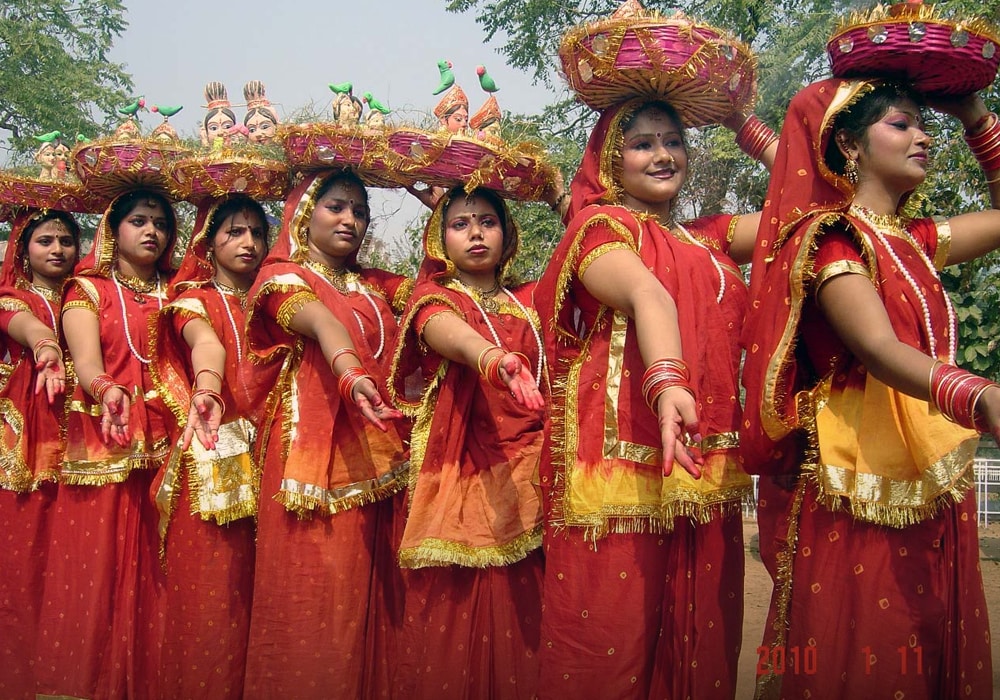
The saree is the most prominent garment for women in Bihar, with a special emphasis on the region's unique silk varieties.
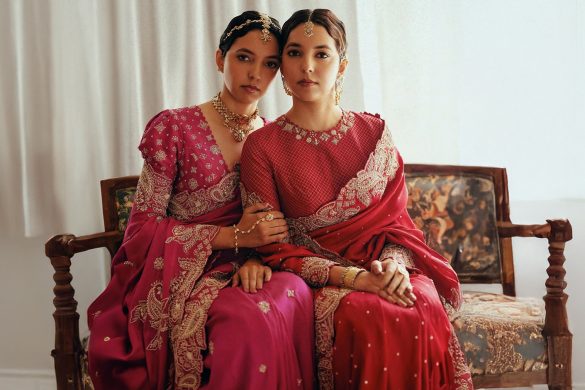
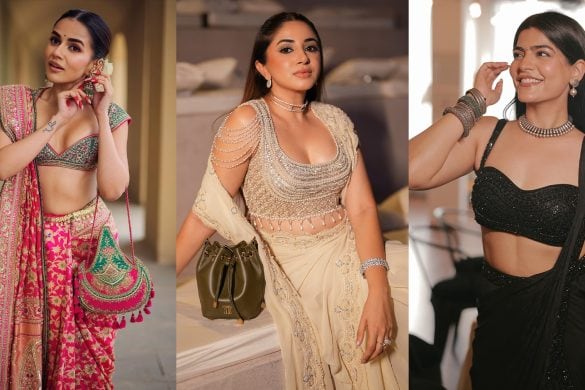
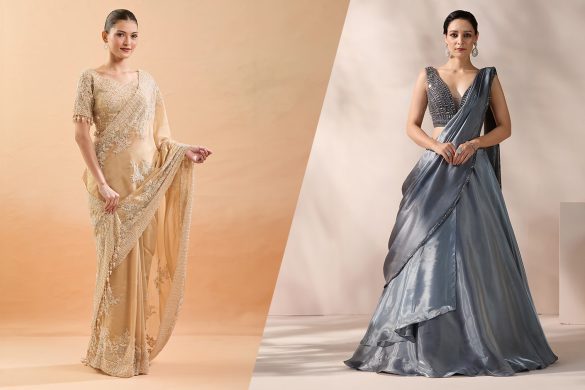
- Sarees: Bihar is renowned for its Tussar silk sarees, also known as "wild silk," which have a rich texture and natural golden sheen. Bhagalpuri silk sarees, from the "Silk City" of Bhagalpur, are equally famous for their unique texture and dyeing techniques. These sarees are often adorned with Madhubani motifs, depicting scenes from nature and mythology.
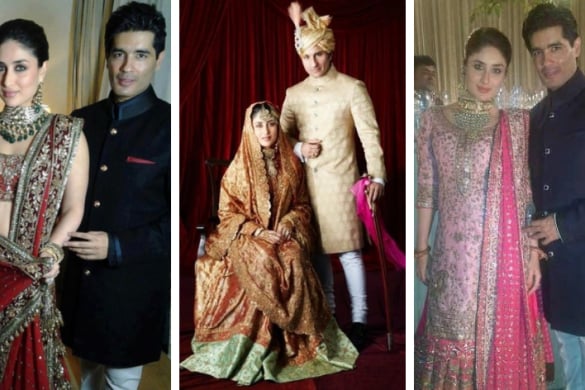
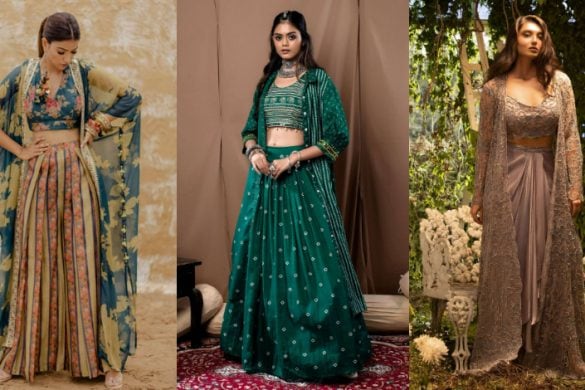
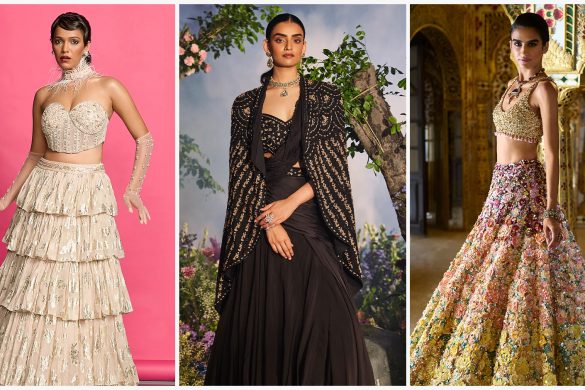
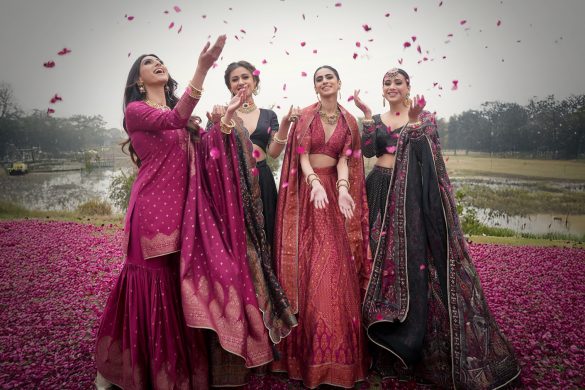
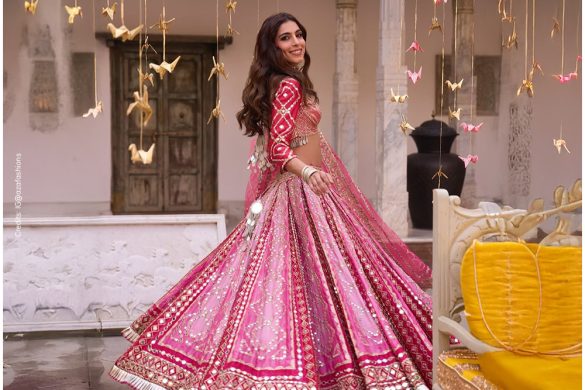
- Lehenga-Choli: For weddings and festive occasions, the lehenga-choli is also a popular choice, often made from rich silks and embellished with traditional embroidery.
- Fabrics and Colors: Tussar silk and fine cotton are the primary fabrics. The color palette often features earthy tones, natural dyes, and vibrant hues, with motifs drawn from nature, folklore, and religious texts.
Men’s Attire
Men's traditional wear in Bihar is straightforward, dignified, and perfectly suited to the climate and rural lifestyle.
- Dhoti and Kurta: The most common traditional outfit is the dhoti, a draped lower garment, paired with a kurta. This simple and comfortable ensemble is a staple for both daily wear and formal occasions.
- Gamchha: The gamchha is a versatile cotton towel, typically with a checkered pattern, that is an indispensable accessory for men. It is used as a towel, a head covering, or a scarf, symbolizing the agrarian identity of the region.
Jewelry & Accessories
Bihari jewelry is known for its traditional designs, often crafted from silver and other metals.
- Silver Ornaments: Silver jewelry is very popular, with women wearing pieces like the hansuli (a rigid choker), heavy bangles, and intricate anklets (payal).
- Bangles: Stacks of colorful glass or lac bangles are a common sight, adding a touch of vibrancy to everyday attire.
- Tikli and Nath: For brides, the tikli (a forehead ornament) and the nath (nose ring) are essential parts of the wedding attire.
Crafts, Textile Techniques & Prints
Bihar is home to some of India's most celebrated and visually distinct folk arts and textile traditions, passed down through generations.
- Madhubani Painting (Mithila Art): This is perhaps Bihar's most famous cultural export. Originating from the Mithila region, this art form is characterized by its intricate line drawings and vibrant patterns, created using natural pigments. Traditionally painted on walls and floors, Madhubani art is now widely used to decorate sarees, dupattas, and other textiles, with motifs depicting gods, nature, and scenes from daily life.
- Tussar Silk Weaving: Bihar is a major producer of Tussar silk, a variety produced from silkworms that live in the wild. The weaving process is labor-intensive, resulting in a fabric that is valued for its rich texture, natural deep gold color, and breathability.
- Bhagalpuri Silk Production: Known for its unique, slightly coarse texture, Bhagalpuri silk (or "peace silk") is often produced using a process that allows the silkworm to leave the cocoon before it is boiled. This results in a fabric that is both beautiful and part of a more humane sericulture process.
Cultural Context – Lifestyle, Tradition & Heritage Influences
The clothing and crafts of Bihar are deeply woven into its geography, history, and social customs. The hot, subtropical climate makes lightweight fabrics like cotton and Tussar silk a practical choice for year-round comfort. The simple, loose-fitting dhoti-kurta and the airy drape of a saree are ideal for the agrarian lifestyle.
Bihar's history as the heart of ancient empires like the Mauryan and Gupta dynasties created a fertile ground for arts and culture to flourish. The region's deep connection to Buddhism and Jainism also influenced its art, promoting themes of nature, peace, and spirituality. Folk traditions, especially the vibrant Chhath Puja festival, are occasions where traditional attire is worn with great pride and devotion. Madhubani painting, traditionally practiced by women, is a powerful form of cultural expression and storytelling, passed down from mother to daughter.
When & How These Styles Are Worn Today
While steeped in tradition, Bihari styles have found their place in the modern world, celebrated for their artistic and rustic charm.
- Everyday vs. Special Occasions: A simple cotton saree or salwar kameez is common for daily wear. For weddings, festivals, and other ceremonies, women don luxurious Tussar or Bhagalpuri silk sarees, often featuring elaborate Madhubani painting or embroidery.
- Modern Reinterpretations: Madhubani art has transcended its traditional medium and is now a popular motif in contemporary fashion. You can find it on dresses, jackets, scarves, and even home decor. Bhagalpuri silk is used by designers to create modern silhouettes like stoles, tunics, and fusion wear.
Styling Tips:
- Pair a Madhubani-painted dupatta or scarf with a solid-colored kurta or dress to make the art the focal point of your outfit.
- Style a Tussar silk saree with traditional silver jewelry for an elegant, earthy look.
- Incorporate a Bhagalpuri silk stole into your workwear for a touch of ethnic sophistication.
Why It Matters – Heritage, Identity & Fashion Inspiration
Preserving the craft traditions of Bihar is about safeguarding a priceless cultural legacy and supporting the artisan communities that depend on these skills for their livelihood. Each Madhubani painting is a narrative, and every handwoven Tussar saree is a testament to the harmony between nature and human craftsmanship.
In an era of fast fashion, the authentic, handcrafted, and sustainable nature of Bihari textiles offers a powerful and meaningful alternative. These crafts inspire global fashion with their raw beauty, intricate storytelling, and timeless appeal, proving that true style is rooted in culture and artistry.
Discover the Artistic Soul of Bihar
Bihar's stylistic heritage is a captivating story of history, spirituality, and folk art. From the intricate lines of a Madhubani painting to the natural golden glow of a Tussar silk saree, every element speaks of a land with a deep and resilient cultural soul.
We encourage you to explore this world of rustic elegance. Consider adding a piece of Bihar's artistic tradition to your wardrobe, whether it’s a hand-painted scarf, a beautiful silk saree, or a contemporary piece inspired by its crafts. By doing so, you are not only embracing a unique aesthetic but also helping to celebrate and sustain a magnificent artistic heritage.