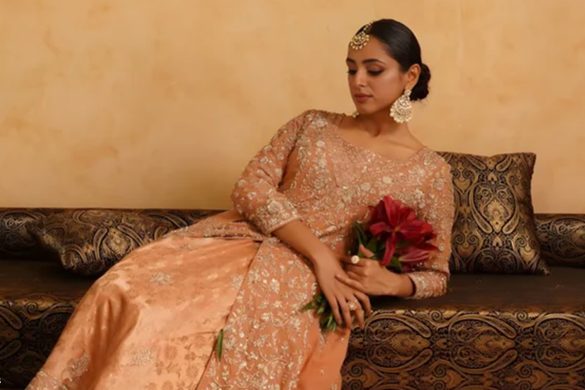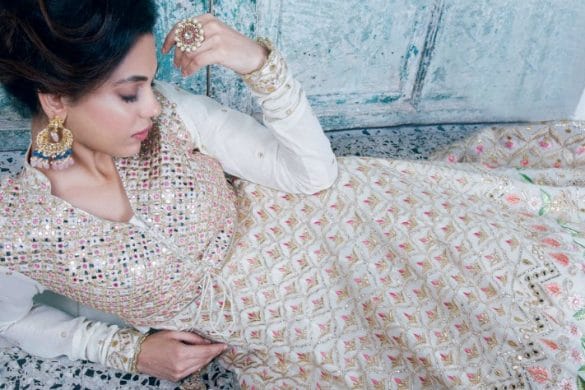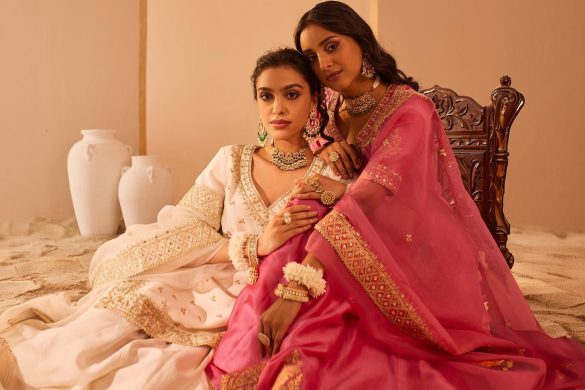
Your wedding lehenga might be the star of the show, but your bridal dupatta acts as the crowning glory. A beautifully draped dupatta frames your face, adds volume to your outfit, and brings a sense of tradition to your overall look. How you pin and tuck this delicate piece of fabric can completely change the vibe of your wedding ensemble.
For centuries, women across different regions have styled their dupattas to reflect their unique cultural heritage. From the royal courts of Hyderabad to the colorful landscapes of Rajasthan, every draping style tells a unique story. Choosing the right drape honors these traditions while highlighting your beautiful bridal jewelry and outfit details.
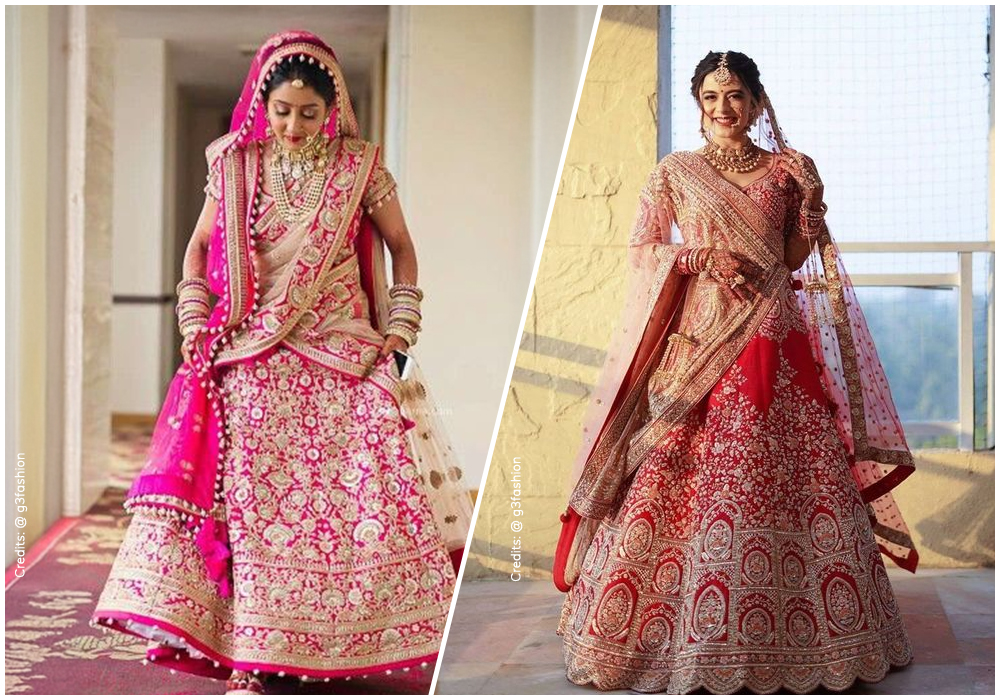
If you want to add a touch of history and elegance to your big day, we have you covered. Here are 11 heritage-inspired bridal dupatta draping styles every bride-to-be should know.
- The Classic Double Dupatta Drape
The double dupatta style has become a massive favorite among modern brides, but its roots lie deep in royal Indian history. For this look, you use two separate dupattas. You drape one heavy dupatta across your shoulders or chest, while a lighter, sheer dupatta rests gracefully on your head.
This style balances the weight of heavy bridal embroidery. The sheer fabric on your head ensures you stay comfortable throughout the ceremony. It also frames your face beautifully for photographs. If your lehenga skirt features intricate work, the double drape ensures the design remains visible.
- The Royal GujaratiSeedhaPallu
The traditional Gujarati drape, known as the "Seedha Pallu," places the dupatta over the right shoulder. Instead of falling loosely down your back, you bring the fabric to the front and spread it across your body, tucking the end into your waist on the left side.
This heritage style highlights the heavy embroidery on the dupatta itself. It works wonderfully if you have a heavily embellished blouse and want to show off the intricate border of your dupatta. It brings a very traditional, modest, and regal charm to the bridal look.
- The Traditional Punjabi Pinned Look
Punjabi brides often rely on a single, heavily embroidered dupatta. For this heritage drape, you secure the fabric firmly to your head with hairpins. You then drape one side across your chest and pin it neatly to your opposite shoulder.
This style represents grace and modesty. It keeps your hands completely free, allowing you to easily participate in wedding rituals. If your lehenga features a heavily embroidered border, this style complements it perfectly without hiding the skirt.
- The Elegant Bengali Toss
Bengali brides traditionally wear Banarasi silk sarees, but you can easily adapt this heritage drape for a lehenga. You pin the dupatta to your left shoulder, bring the fabric across your back, and pull it under your right arm. Finally, you toss the decorated end back over your left shoulder.
Historically, brides attached an intricate silver key or a bunch of trinkets to the edge of the fabric to keep it weighed down. This draping style looks incredibly elegant and nostalgic. It allows you to showcase statement necklaces and heavy traditional chokers.
- The Hyderabadi Khada Dupatta
The Khada Dupatta holds a special place in Nizami culture. This style requires a very long dupatta, typically around six meters. You tuck the fabric into the back of your lehenga skirt, bring it forward across your chest in an intricate loop, and finally drape it over your head.
This drape offers a highly regal, royal aesthetic. It flatters every body type and adds a layer of majestic volume to the bridal outfit. If you are wearing a traditional tissue or net dupatta with heavy zari borders, the Khada Dupatta style will make you look like royalty.
- TheKamarbandh(Belted) Drape
To honor ancient Indian temple traditions, many brides use a heavy metallic waist belt known as a kamarbandh. You pleat the dupatta neatly over one shoulder and secure it flat against your waist using the belt. You can then use a second, lighter dupatta for your head.
This drape highlights your waistline beautifully. It provides a neat, structured silhouette that prevents your outfit from looking bulky. It perfectly complements South Indian temple jewelry and gives a modern edge to a highly traditional accessory.
- The RajasthaniOdhniStyle
The traditional Rajasthani drape focuses heavily on modesty and bright, colorful patterns. You tuck one corner of the dupatta into your front waistline, wrap it around your back, pull it over your head, and let the remaining fabric drape across your front bodice.
This style perfectly showcases traditional crafts like gota patti, bandhani, or leheriya prints. It offers a wonderful way to display rich cultural textiles while adding a vibrant pop of color to your bridal attire.
- The South Indian Half-Saree Drape
If you love the look of a traditional Kanjeevaram saree but want the comfort of a lehenga, this drape is for you. You tuck one end of the dupatta into your waist at the back, wrap it fully around your lower body, and pleat it diagonally over your left shoulder.
This heritage drape instantly transforms your lehenga into a classic half-saree. It works best with silk dupattas that have wide, contrasting borders. It perfectly blends the ease of a modern skirt with the timeless elegance of a saree.
- The Cape Style Drape
While it feels modern, the cape's drape draws inspiration from ancient royal robes. You simply pin the dupatta securely at both shoulders and let the fabric fall smoothly and freely down your back.
This style works magic for pre-wedding events like the Sangeet or Reception. It gives you a majestic, princess-like train as you walk. Best of all, it keeps your arms completely free for dancing and greeting your guests comfortably.
- The MaharashtrianNauvari-Inspired Drape
Taking cues from the traditional Maharashtrian Nauvari saree, this drape is crisp, clean, and highly structured. You pleat the dupatta narrowly, pin it firmly to your left shoulder, and wrap it closely around your bodice, tucking the end neatly at your waist.
This drape requires precision, but the result looks incredibly sharp. It flatters the figure and keeps the heavy fabric firmly out of your way. It is a fantastic choice if you want a fuss-free ceremony look that still feels deeply rooted in Indian culture.
- The Free-Flowing One-Shoulder Sweep
Sometimes, simplicity makes the biggest impact. For this look, you neatly pin the dupatta to one shoulder and let both ends fall freely—one down your back and one down your front.
This style traces back to ancient elegant dressing where women allowed rich fabrics to flow naturally. It highlights the entire length of your dupatta border and showcases the delicate inner lining. It provides a soft, romantic, and effortlessly graceful finish to your bridal look.
Find Your Perfect Match
Your wedding day provides the perfect opportunity to honor tradition while expressing your personal style. Whether you choose the regal Hyderabadi Khada Dupatta or the structured Kamarbandh drape, your dupatta will tie your entire bridal look together.
During your fitting sessions, ask your stylist to help you test two or three different draping styles. Walk around, sit down, and see how the fabric moves with you. The perfect heritage drape will not only look stunning but will also make you feel confident, comfortable, and ready to walk down the aisle.