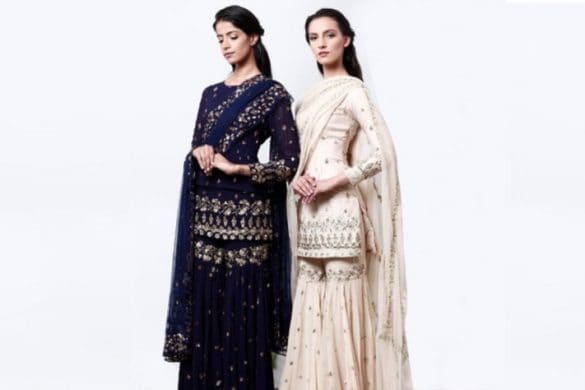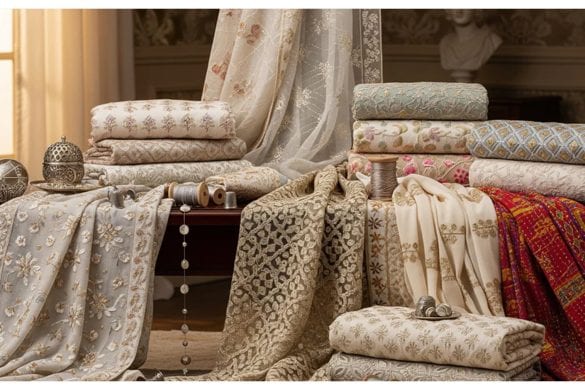
As winter approaches, the desire for warm, comfortable, and stylish clothing takes center stage. In the world of premium winter fabrics, two names consistently stand out: Cashmere and Merino wool. Both are celebrated for their exceptional qualities, yet they offer distinct experiences. Choosing between them can be a difficult decision for anyone looking to invest in high-quality winter wear. Which one should you choose for winter Cashmere or Merino wool?
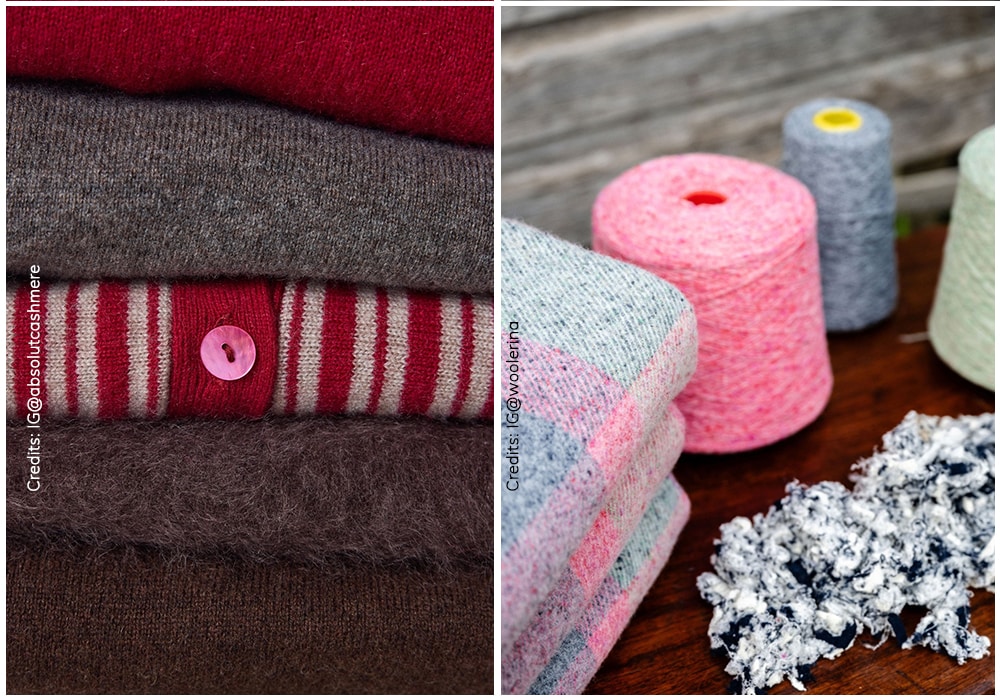
This guide breaks down everything you need to know about these two luxurious materials. We will compare their softness, warmth, durability, and price to help you decide which fabric best fits your lifestyle and needs.
What Is Cashmere?
Cashmere is a fiber obtained from the fine, downy undercoat of Cashmere goats. These goats are found in regions across Central Asia, with the most sought-after fibers coming from the Himalayas. The process of harvesting cashmere is delicate and labor-intensive, as the soft fibers must be carefully separated from the coarser outer hair.
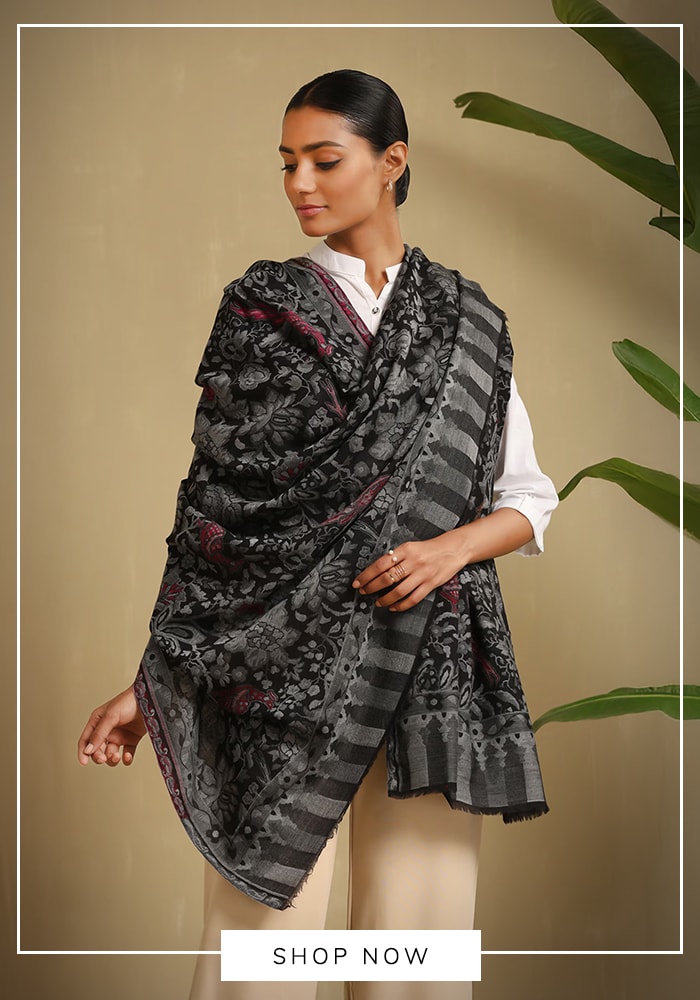
This material is renowned for its incredible softness, lightweight feel, and exceptional warmth. It is a symbol of luxury and is often used to create high-end shawls, elegant sweaters, and designer winter accessories that feel incredibly gentle against the skin.
What Is Merino Wool?
Merino wool comes from a specific breed of sheep called the Merino, which originated in Spain but is now primarily raised in Australia and New Zealand. Unlike traditional wool, which can be coarse and itchy, Merino wool fibers are much finer and more flexible.
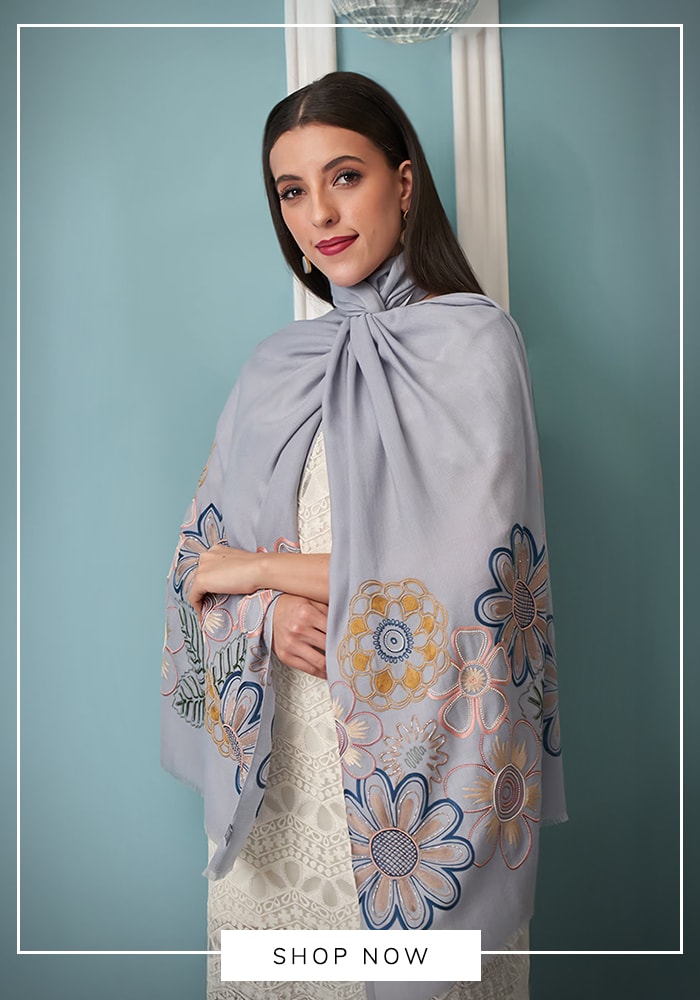
This fabric is prized for its remarkable ability to regulate body temperature. It keeps you warm in the cold and cool in the heat. Merino wool is also known for its softness, breathability, and impressive durability. These qualities make it a popular choice for everything from high-performance trekking gear and thermal base layers to stylish everyday winter clothing.
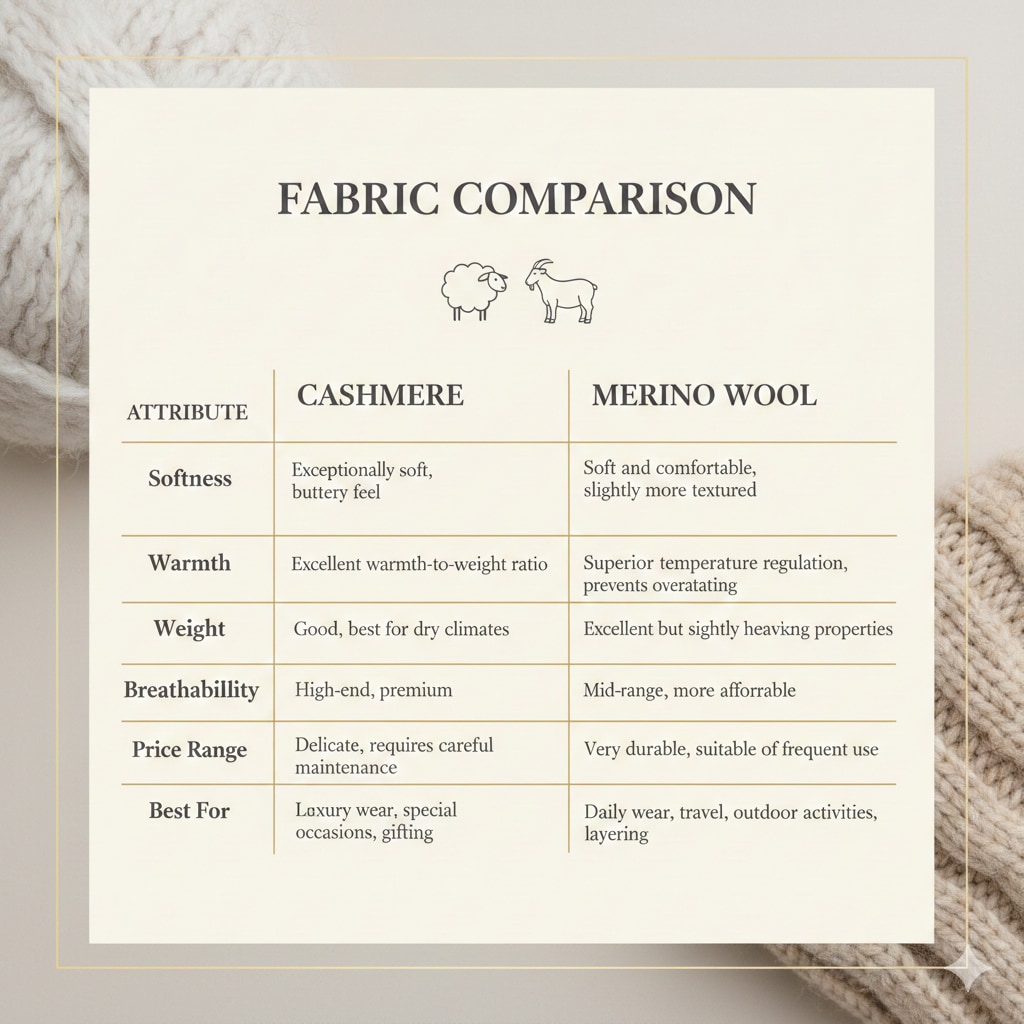
Cashmere vs. Merino Wool: A Quick Comparison
Softness: Which Fabric Feels Better?
When it comes to pure, unadulterated softness, cashmere is the undisputed champion. Its fibers are incredibly fine, often measuring as little as 14-16 microns in diameter. This gives cashmere its signature buttery, silky feel that is gentle enough for the most sensitive skin. It drapes beautifully and feels like a soft caress.
Merino wool is also very soft, especially high-grade "ultrafine" Merino, which can rival cashmere in feel. However, most Merino wool has a slightly more substantial and textured feel. While it is far from the itchiness of traditional wool, it doesn't quite reach the cloud-like softness of premium cashmere.
For pure luxury and a fabric that feels exquisite against your skin, choose cashmere. For everyday comfort that is both soft and practical, Merino wool is an excellent choice.
Warmth: Who Wins the Heat Battle?
Both fabrics are fantastic insulators, but they function in slightly different ways.
Cashmere provides exceptional warmth for its weight. The fibers have a natural crimp that creates tiny air pockets, trapping body heat very effectively. This makes a lightweight cashmere sweater surprisingly warm, providing insulation without the bulk. It's perfect for staying cozy in dry, cold conditions.
Merino wool, on the other hand, is a master of temperature regulation. It not only keeps you warm but also prevents you from overheating. The fibers can absorb a significant amount of moisture vapor and move it away from your skin, a process that releases heat to keep you warm. When you start to get too hot, it transports sweat away from your body to cool you down. This makes it ideal for layering and for activities where your body temperature might fluctuate. For extreme cold, layering with Merino wool is often more effective than wearing a single thick garment.
Breathability & Moisture Control
Here, Merino wool truly shines. Its moisture-wicking ability is second to none. The fibers can absorb up to 30% of their own weight in moisture without feeling damp, pulling sweat away from your skin and releasing it into the air. This makes Merino wool perfect for trekking, long travel days, and any winter activity that might make you perspire. It keeps you dry, comfortable, and odor-free.
Cashmere is also breathable, allowing air to circulate and preventing a stuffy feeling. However, it doesn't manage moisture as effectively as Merino wool. It’s best suited for cold, dry climates where heavy perspiration isn't a concern.
Durability: Which Lasts Longer?
Durability is a key differentiator between the two. Merino wool is a naturally resilient and elastic fiber. It can be bent and stretched thousands of times without breaking, allowing garments to retain their shape after years of wear and washing. This makes it an ideal choice for clothing that will see frequent use, like daily sweaters or base layers.
Cashmere is a more delicate fiber. Its luxurious softness comes at the cost of strength. Cashmere garments are prone to pilling and can lose their shape if not cared for properly. With gentle hand-washing and proper storage, a high-quality cashmere piece can last for many years, but it is not built for rough, everyday wear. For added strength, some brands offer cashmere blends with wool or silk.
Price Difference: Budget vs. Luxury
The price gap between cashmere and Merino wool is significant. Cashmere is one of the most expensive natural fibers in the world. This is due to the limited supply a single Cashmere goat produces only a small amount of usable fiber each year and the intensive manual labor required to harvest and process it.
Merino wool is much more accessible and affordable. Merino sheep can be shorn annually, yielding a large amount of wool, and the production process is more streamlined. This makes it a fantastic value for its performance and quality.
Invest in cashmere for timeless, special-occasion pieces where luxury is the priority. Invest in Merino wool for high-performance, durable wardrobe staples you can rely on day after day.
Best Use Cases: When to Choose Which Fabric?
Your choice should ultimately depend on your lifestyle and the occasion.
Choose Cashmere For:
- Luxury Winter Outfits: A cashmere coat or sweater elevates any look.
- Shawls & Premium Sweaters: Perfect for a touch of elegance and warmth.
- Weddings & Festive Looks: Ideal for formal events where style is paramount.
- Gifting: A cashmere scarf or sweater is a classic and cherished gift.
Choose Merino Wool For:
- Daily Winter Wear: Its durability makes it perfect for office or casual wear.
- Travel & Long Hours: Stay comfortable and fresh on long journeys.
- Trekking & Hiking: Its performance features are essential for outdoor activity.
- Performance Thermals: The best choice for a warm, dry base layer.
Care & Maintenance: Cashmere vs. Merino
Proper care will extend the life of your garments.
- Washing: Hand-wash both in cool water with a gentle detergent. For Merino, you can often use a machine's wool cycle. Never wring them out; gently squeeze out excess water.
- Drying: Lay both flat on a towel, away from direct sunlight or heat, to dry. Hanging can stretch the fibers and distort the shape.
- Pilling: Both fabrics can pill. Use a fabric shaver or a cashmere comb to gently remove pills.
- Storing: Store folded in a cool, dry place. Use cedar balls or lavender sachets to deter moths.
Sustainability: Which Fabric Is More Eco-Friendly?
The environmental impact of both fabrics is a growing consideration for consumers.
The rising demand for cashmere has led to concerns about overgrazing in regions like Mongolia, which can lead to desertification. However, many luxury brands are now focusing on sourcing ethically and sustainably produced cashmere.
Merino wool production often has a more robust sustainability framework. Certifications like the Responsible Wool Standard (RWS) ensure that the sheep are treated humanely and that the land is managed responsibly. Look for brands that are transparent about their sourcing and cruelty-free practices.
Common Myths to Bust
- “Merino wool is itchy.” Unlike traditional wool, Merino fibers are extremely fine and flexible, making them soft and comfortable against the skin.
- “Cashmere is only for the rich.” While premium cashmere is expensive, more affordable options and blends are available, making it a more accessible luxury.
- “Cashmere and Pashmina are the same.” This is a common point of confusion. Pashmina is a type of fine cashmere sourced from a specific goat in the Himalayas. All pashmina is cashmere, but not all cashmere is pashmina.
- “Merino wool is only for sportswear.” While its performance properties are perfect for activewear, its softness and style make it equally suitable for fashionable everyday clothing.
Conclusion: The Perfect Fabric for You
In the battle between cashmere and Merino wool, there is no single winner. The best choice depends entirely on your priorities.
If you are seeking unparalleled softness, lightweight warmth, and a touch of timeless luxury for special occasions, cashmere is your ideal companion. It’s an investment in elegance and comfort.
If you need a versatile, durable, and high-performing fabric for daily wear, travel, and outdoor adventures, Merino wool is the practical and powerful choice. It delivers exceptional comfort and functionality without compromise.
Ultimately, there’s no wrong answer, only what fits your winter style and comfort. Many of the best-dressed individuals have both in their closets, ready for any occasion the cold weather brings.
Frequently Asked Questions
Which is warmer: Cashmere or Merino wool?
Cashmere is technically warmer for its weight, offering excellent insulation in a very light package. However, Merino wool is better at regulating temperature, keeping you warm without overheating, which can be more practical for active situations.
Is Merino wool good for Indian winters?
Yes, Merino wool is excellent for Indian winters. Its temperature-regulating properties make it suitable for the varying climates across the country, from the mild winters of the south to the colder conditions in the north.
Why is Cashmere so expensive?
Cashmere is expensive due to its rarity and the labor-intensive production process. A single goat produces very little usable fiber each year, and it must be harvested and sorted by hand.
Can Merino wool be worn daily?
Absolutely. Merino wool is highly durable, resilient, and odor-resistant, making it a perfect fabric for everyday sweaters, socks, and base layers.
Is Cashmere suitable for sensitive skin?
Yes, high-quality cashmere is one of the softest, most hypoallergenic fibers available, making it an excellent choice for people with sensitive skin.