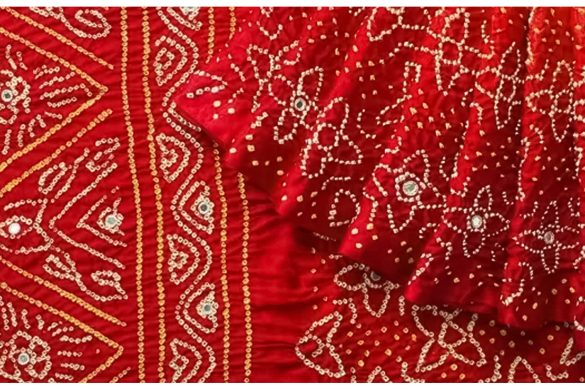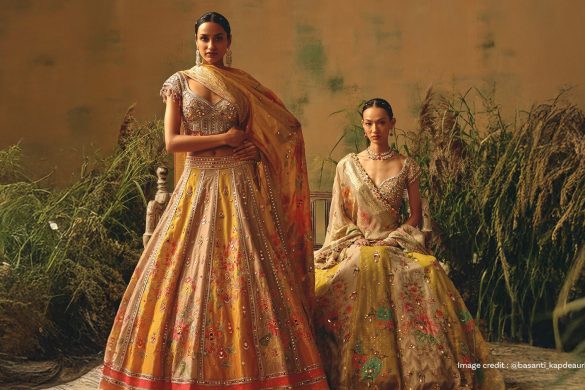
April brings a special, vibrant energy to the streets and neighborhoods of Malaysia. As the traditional Tamil calendar turns to the first day of the month of Chithirai, homes fill with the fragrant scent of jasmine, the rich aroma of roasted spices, and the dazzling colors of woven silk. This important day marks the arrival of Puthandu, the Tamil New Year. For the Malaysian Tamil community, this festival serves as a powerful reminder of their roots and a joyful celebration of the year ahead.
The Cultural Significance of Puthandu
Puthandu represents a time of renewal, new opportunities, and deep gratitude. Falling in mid-April, the festival aligns with the solar cycle and the beginning of the spring season in the traditional calendar. While Tamil communities worldwide observe this day, the celebration in Malaysia carries its own unique and beautiful flavor. The Malaysian celebration blends ancient traditions brought from South India centuries ago with the multicultural harmony of modern Malaysian life. It is not uncommon to see friends, colleagues, and neighbors from diverse ethnic backgrounds joining the festivities. This reflects the true spirit of Malaysian unity. For the Tamil community, Puthandu provides a dedicated time for families to reconnect under one roof, forgive past grievances, and collectively look forward to a peaceful, prosperous future.
Meaningful Rituals to Welcome the New Year
The celebration of Puthandu revolves around practices that set a positive, hopeful tone for the next twelve months. Every ritual carries deep symbolic meaning, designed to invite wealth, health, and happiness into the home.
The Kanni Tray: Waking Up to Prosperity
The new year actually begins before dawn with a beautiful tradition known as Kanni, which translates to "first sight." Families carefully prepare a special tray the night before the festival. This tray holds highly auspicious items, including gold jewelry, silver coins, a mirror, betel leaves, and fresh, unblemished fruits like bananas, mangoes, and jackfruit. When family members wake up on the morning of Puthandu, the very first thing they look at is this decorative tray. Seeing these powerful symbols of abundance first thing in the new year sets an expectation of prosperity and good fortune for the many months to come.
Kolam: Art at the Doorstep
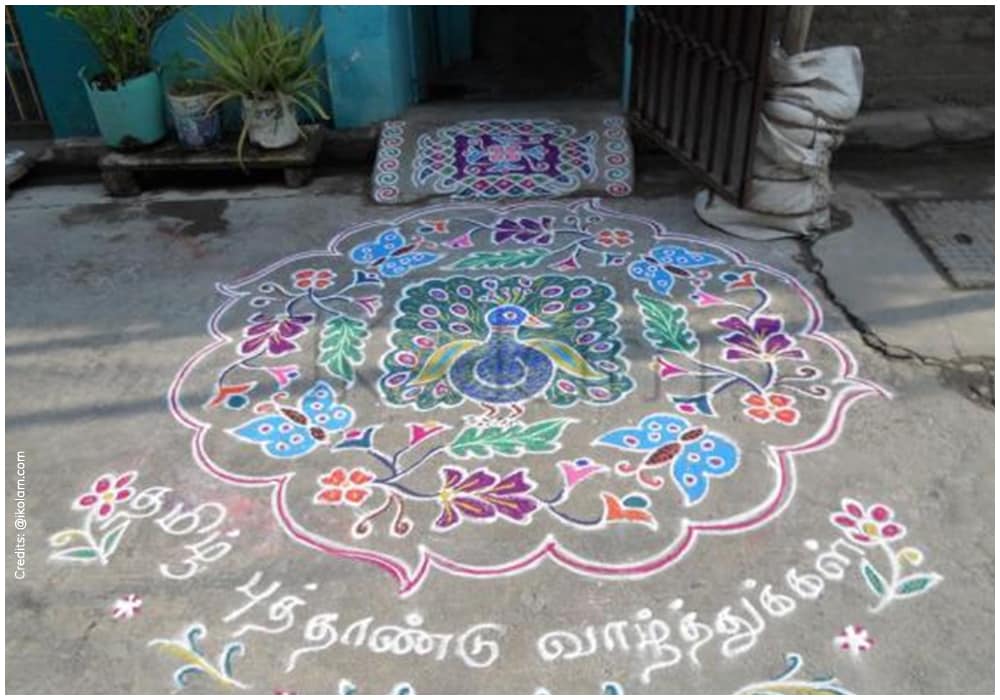
Step outside any Tamil home on Puthandu, and you will immediately notice a stunning kolam. Families use brightly colored rice flour to draw intricate, geometric patterns on the ground right at the entrance of their homes. These beautiful, temporary designs serve two important purposes. First, they act as a vibrant welcome mat for Lakshmi, the Hindu goddess of wealth and prosperity, inviting her blessings into the house. Second, the edible rice flour feeds small insects and birds. This serves as a quiet act of daily charity and shows a deep respect for all living creatures sharing our environment.
Temple Visits and Community Blessings
After completing their morning rituals at home, families dress in their finest new clothes and head to the local Hindu temple. Major temples across Malaysia, such as the historic Sri Mahamariamman Temple in Kuala Lumpur, become bustling hubs of joyful activity. Priests conduct special prayer ceremonies and read from the Panchangam, the traditional Hindu almanac. This reading predicts the fortunes, weather patterns, and astrological outlook for the coming year. Listening to the Panchangam guides the community on what to expect and how to navigate the year ahead with wisdom.
A Feast for the Senses: Traditional Puthandu Foods
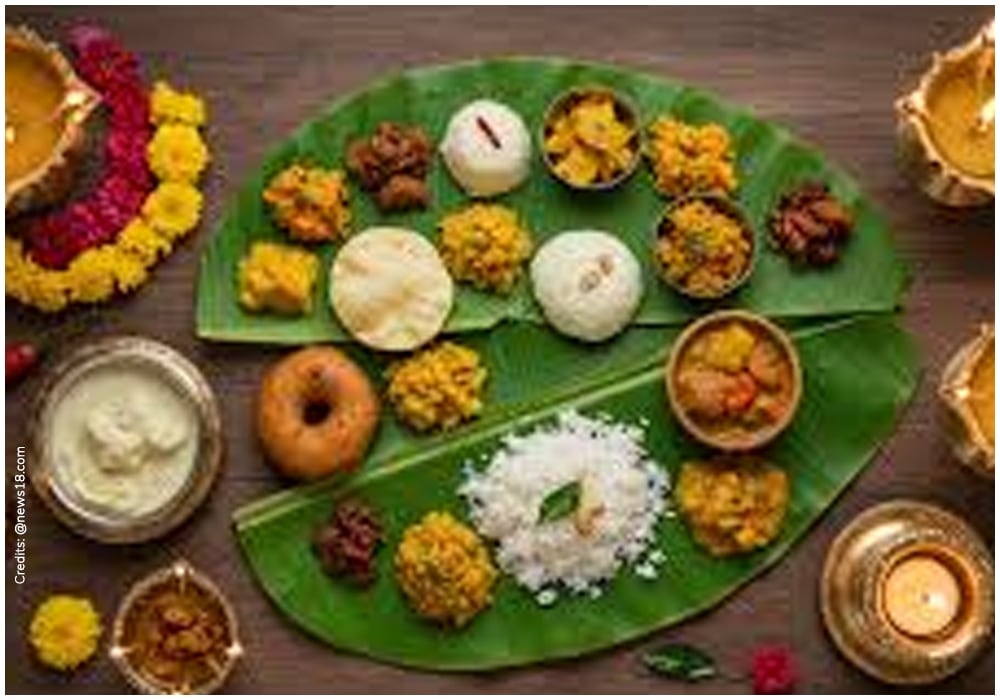
No Malaysian festival is complete without an incredible feast, and Puthandu delivers a truly spectacular culinary experience. Families traditionally serve these festive meals on fresh, green banana leaves. This eco-friendly tradition not only looks beautiful but actually enhances the flavor of the hot food placed upon it.
The Balance of Life: Mango Pachadi
The undisputed star of the Puthandu meal is Mango Pachadi. This highly unique, symbolic dish combines raw green mangoes, sweet jaggery, bitter neem flowers, sour tamarind, and spicy red chilies. When you eat Mango Pachadi, you taste sweet, sour, bitter, and spicy notes all in a single bite. This dish serves as a profound philosophical reminder that life will always bring a mixture of experiences. By eating it on the very first day of the year, individuals accept that they must face both great joy and inevitable sorrow with equal grace and resilience.
Staples of the Feast: Sambar, Rasam, and Payasam
Alongside the pachadi, the banana leaf holds a wide variety of delicious, freshly prepared vegetarian dishes that delight the senses. Sambar takes center stage during the main course. This thick, comforting lentil stew features a hearty mix of vegetables like drumsticks and carrots, boiled with a special blend of roasted spices. Families generously pour the hot sambar over a large mound of freshly steamed white rice. Next comes Rasam, a thin, peppery, and highly tangy soup made with a base of tamarind and crushed tomatoes. Rasam aids heavily in digestion and provides a wonderful, warming contrast to the heavier, richer dishes on the leaf. To finish the heavy meal on a perfectly sweet note, hosts serve Payasam. This rich, creamy dessert uses a base of milk and jaggery, thickened with either rice or roasted vermicelli noodles. Infused with aromatic cardamom and generously topped with ghee-roasted cashews and plump raisins, Payasam guarantees the new year starts with sweetness and immense joy.
What to Wear for Puthandu
Puthandu is the perfect time to showcase elegant and traditional attire. Each style of saree has its own unique beauty, and wearing them honors the rich heritage of Tamil culture. Here are some popular choices for women celebrating Puthandu:
Kanjeevaram Sarees
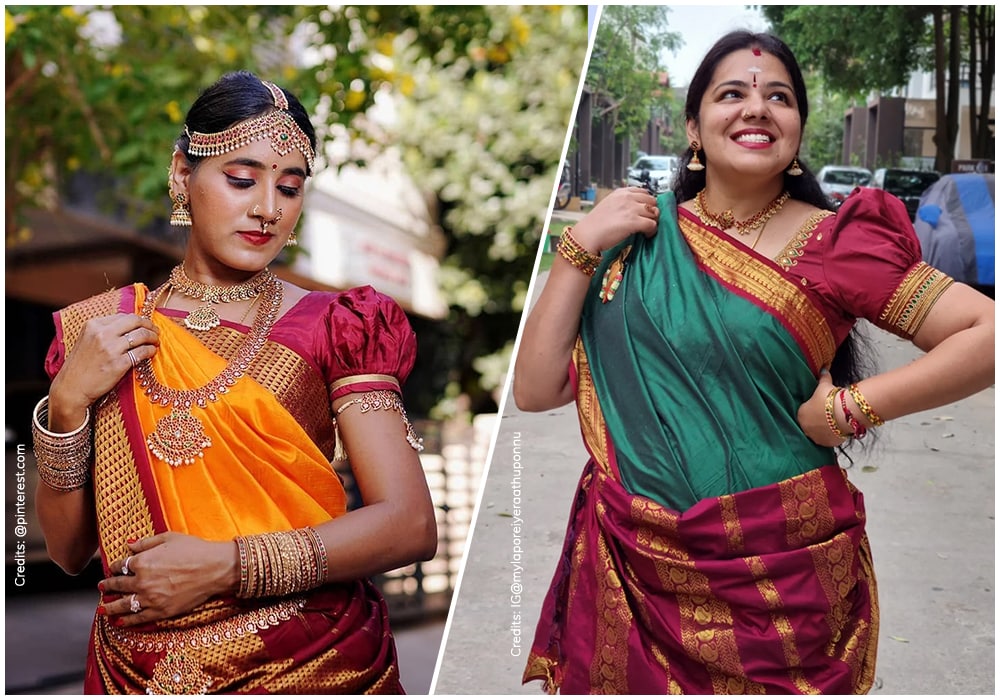
Kanjeevaram sarees are renowned for their grandeur and timeless appeal. Woven in Kanchipuram, Tamil Nadu, these sarees feature bold colors, broad contrast borders, and elaborate zari work. The richness of silk and the intricate craftsmanship make them a top choice for festive occasions like Puthandu. Many women treasure these sarees as family heirlooms, passing them down through generations.


Silk Sarees
Traditional silk sarees are always in vogue during Puthandu. Aside from Kanjeevaram, other varieties like Mysore silk, Banarasi silk, and Arani silk offer stunning patterns and a graceful drape. Their sheen and elegance add a festive sparkle, making them a popular selection for family gatherings and temple visits.
Cotton Sarees
Cotton sarees are valued for their comfort and breathability—especially in Malaysia’s warm climate. These sarees often feature delicate prints or handloom designs, making them ideal for understated daytime celebrations or prayers at the temple. Though simple, cotton sarees exude charm and reflect everyday elegance.
Chanderi Silk Sarees
Chanderi silk sarees, originating from Madhya Pradesh, are celebrated for their lightweight texture and subtle shimmer. They often showcase delicate motifs and fine zari work, striking a perfect balance between tradition and comfort. Their airy feel and elegant look make them suitable for both formal and semi-formal Puthandu events.


Showcasing Heritage Through Traditional Attire
Puthandu provides the perfect occasion to wear brand-new traditional garments. The clothing worn during the festival showcases the incredible craftsmanship of Tamil weavers and honors centuries of fashion heritage. Buying and wearing new clothes signifies leaving the old behind and embracing a fresh start.
Elegance for Women: Kanjeevaram and Madisar Sarees
Women typically wear sarees, the timeless, graceful staple of Indian fashion. For the new year, many women choose to wear Kanjeevaram sarees. Woven in the temple town of Kanchipuram in Tamil Nadu, these luxurious, heavy silk sarees feature brilliant, contrasting colors and wide, intricate borders woven with pure gold or silver zari threads. They represent the height of elegance and are often passed down through generations as deeply cherished family heirlooms. For married Tamil Brahmin women, the Madisar saree remains a vital, highly respected part of the celebration. Instead of the standard six yards of fabric, a Madisar requires a full nine yards. Women drape it in a very specific, complex style that involves tying the fabric securely around the waist and legs. Wearing the Madisar connects the wearer directly to ancient religious customs and displays a profound respect for cultural modesty and tradition.
Puthandu in Malaysia represents much more than just a simple change in the calendar year. It stands as a vibrant, living connection to a rich Tamil heritage. From the deeply meaningful, multi-flavored bite of Mango Pachadi to the intricate, golden folds of a Kanjeevaram saree, every single element of the festival tells a powerful story of cultural resilience, family bonds, and community pride.
The celebration perfectly highlights how the Tamil community has preserved its ancient traditions while beautifully integrating them into the diverse, welcoming cultural landscape of Malaysia.
If you find yourself in Malaysia during mid-April, keep an eye out for local Tamil community events, cultural performances, or public temple celebrations. Better yet, if a friend or colleague invites you to a Puthandu open house, accept the invitation eagerly. Taste the incredible traditional food, admire the beautiful, welcoming kolams at the doorstep, and experience the unmatched warmth of a community joyfully welcoming a brand new year