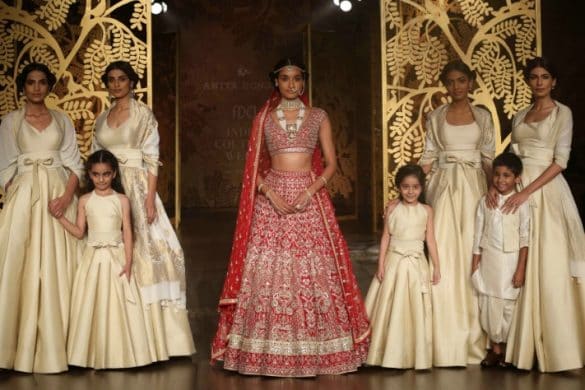
The modern bride wants it all: tradition, style, and a touch of drama. A major trend answering this call is the double dupatta lehenga style. It transforms a bridal outfit from beautiful to breathtaking. Celebrity brides like Kiara Advani and Anushka Sharma have shown how two dupattas can create a regal, layered, and unforgettable look. This style adds grace, enhances photographs, and allows for incredible personalization. It beautifully merges tradition with contemporary flair, making it a favorite for brides everywhere.
This guide explores everything you need to know about mastering the double dupatta style. We will cover draping techniques, fabric choices, color combinations, and practical tips to help you create a stunning bridal look with an elegant indian lehenga.
What Is a Double Dupatta Style?
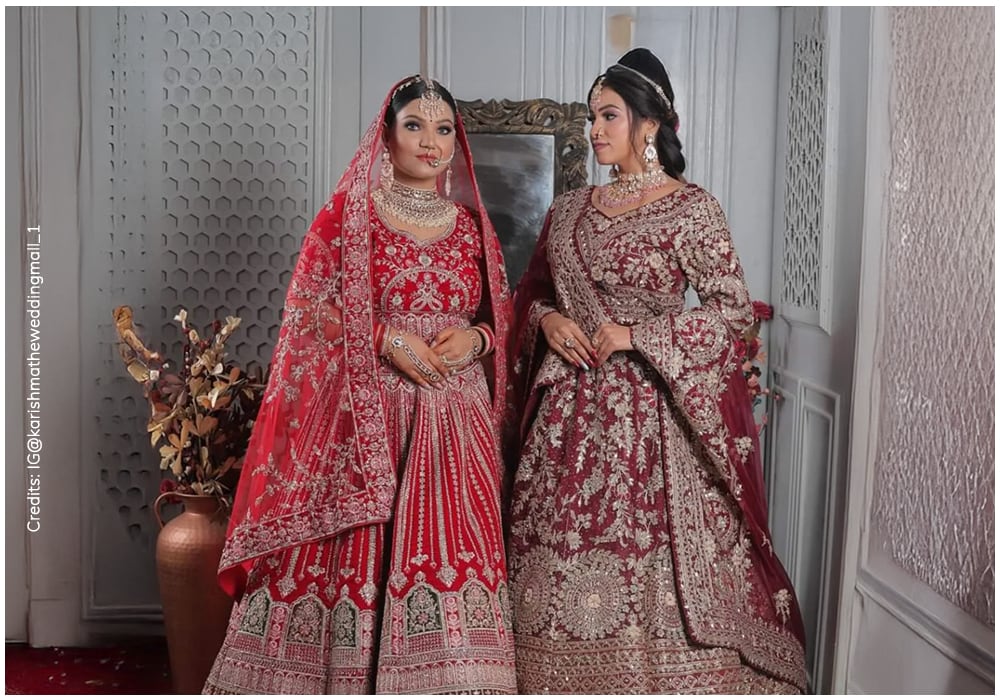
This trend involves using two dupattas instead of the traditional one with your bridal lehenga. Each dupatta serves a distinct purpose, combining function with high fashion.
Meaning & Concept
The concept is simple yet effective. One dupatta is typically used for draping over the body across a shoulder, around the waist, or in another creative style. The second dupatta is usually lighter and serves as a veil, gracefully covering the head. This dual approach provides coverage while also creating a layered, dimensional silhouette that looks incredible both in person and in photos.
Origin of the Trend
The double dupatta style is not entirely new. Its roots trace back to the opulent drapes seen in Mughal and Rajasthani royal courts, where layering fabrics signified wealth and status. Modern fashion has revived this tradition, with couturiers like Sabyasachi Mukherjee popularizing it through Bollywood and celebrity weddings. This revival has cemented the double dupatta as a symbol of modern bridal luxury.
Why Brides Choose Double Dupatta
The benefits of wearing two dupattas go far beyond just aesthetics. Brides are embracing this trend for several practical and stylistic reasons.
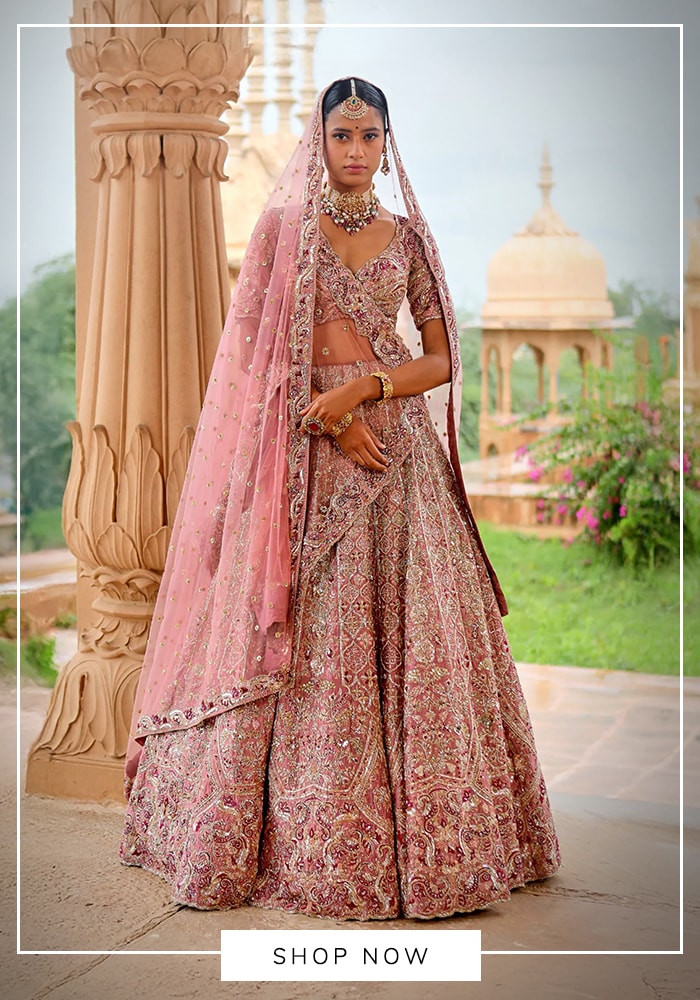
Royal & Elegant Bridal Appeal
There is no denying the regal elegance that a double dupatta brings. The layered fabrics, especially when one is a veil, create a majestic aura reminiscent of historical queens and princesses.
More Structured Look in Photos & Walk
A well-draped second dupatta adds structure and movement. It frames the bride beautifully, creating stunning lines for photography and adding a graceful flow as she walks down the aisle.
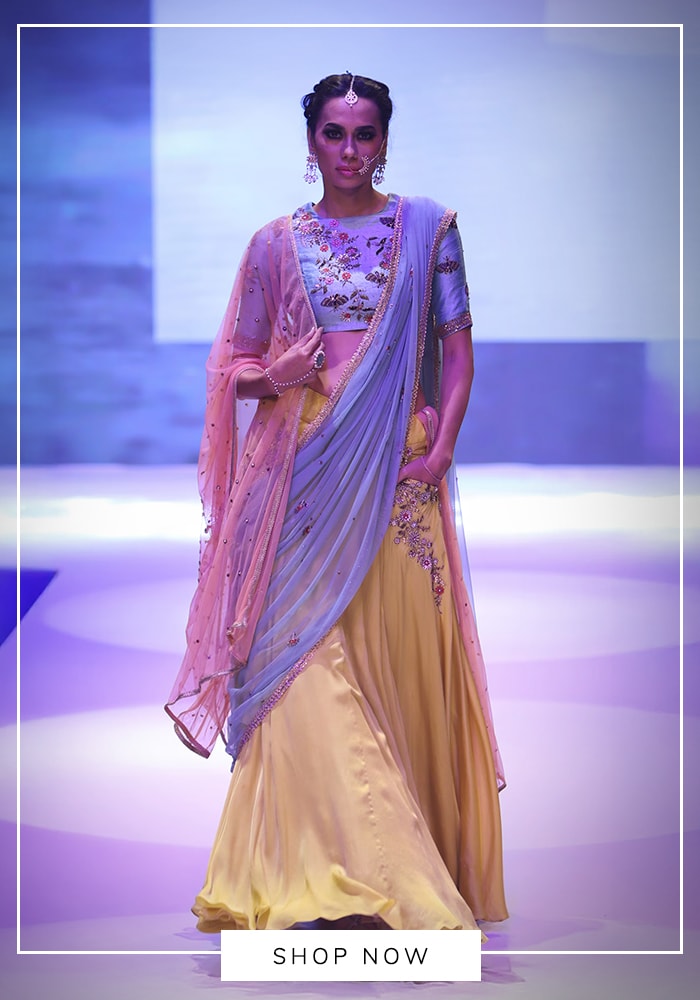
Additional Coverage & Comfort
For brides seeking more modesty or coverage during religious ceremonies, a second dupatta is a perfect solution. It can be draped to cover the midriff or shoulders without compromising the lehenga's design.
Opportunity to Mix Colors & Textures
Two dupattas offer a canvas for creativity. You can play with contrasting colors, different fabrics, or varied embellishments to add depth and personality to your bridal ensemble.
Adds Dimension & Layering to the Lehenga
Layering is a key element of high fashion. The double dupatta adds visual interest and dimension, making the entire outfit look more curated and luxurious.
Types of Double Dupatta Draping Styles
How you drape your dupattas can completely change your look. Here are some of the most popular styles for modern brides.
The Classic Veil + Shoulder Drape Style
This is the most common and timeless approach. One dupatta, often the heavier one, is pleated and pinned neatly on one shoulder. The second, lighter dupatta is pinned on the head as a veil.
One Dupatta on Head + One on Waist
A style popular in North Indian weddings, this involves a veil and a second dupatta tucked at the waist and draped over the opposite shoulder or arm. It cinches the waist and accentuates the lehenga skirt.
Cape-Style Dupatta + Traditional Drape
For a contemporary twist, one dupatta can be draped over both shoulders like a cape. This creates a powerful, modern silhouette while the second dupatta can be carried on an arm or used as a shorter veil.
Cross-Body Sabyasachi-Style Draping
Made famous by designer Sabyasachi, this style involves draping one dupatta diagonally across the torso. The second dupatta serves as a head veil, creating a signature look that is both traditional and chic.
Gujarati Pallu + Veil Dupatta
Perfect for cultural ceremonies, this style incorporates the traditional Gujarati seedha pallu drape for one dupatta, with the front pallu falling from the right shoulder. The second dupatta is worn as a veil.
One Heavy Dupatta + One Lightweight Sheer Dupatta
To create balance, many brides pair a heavily embroidered or bordered dupatta with a simple, sheer one. The heavy piece is draped on the body, while the lightweight one is used for the head to avoid strain.
Matching Color Dupattas vs. Contrast Dupattas
You can either opt for two dupattas in the same color for a cohesive, monotone look or choose a contrasting color for the second dupatta to add a pop of visual interest.
Open Pallu Drape + Head Dupatta
If your main dupatta has intricate embroidery you want to show off, you can drape it in an open pallu style over one shoulder and arm. The second dupatta remains on the head as a simple veil.
Choosing the Right Fabric for Double Dupatta Look
The fabric of your dupattas is crucial for achieving the perfect drape and comfort.
- Net: Lightweight and sheer, net is the ideal choice for a veil dupatta. It sits comfortably on the head without adding weight and allows your hairstyle and jewelry to be seen.
- Organza: Crisp and modern, organza holds its shape well, making it great for creating structured, contemporary drapes.
- Silk: For a touch of royalty, a silk dupatta is unmatched. Its natural sheen and rich feel make it perfect for the body drape.
- Georgette/Chiffon: These fabrics are soft, flowy, and easy to drape, making them excellent choices for styles that require elegant movement.
- Tissue: With its metallic shine and ethereal lightness, tissue fabric is a trending choice for brides who want a glamorous, modern finish.
Color & Embellishment Combinations
The right combination of colors and embellishments can elevate your double dupatta style.
- Monotone Double Dupatta Look: Using two dupattas of the same color creates a sophisticated, seamless look.
- Red + Gold Combination: A timeless choice for traditional brides, pairing a red lehenga with red and gold dupattas is eternally classic.
- Pastel + Embellished Dupatta: For a soft, romantic look, pair a pastel lehenga with a matching sheer dupatta and a second, more embellished one.
- Contrasting Veil Dupatta Trend: A popular trend is to wear a veil in a contrasting color, such as a blush pink veil with a red lehenga.
- Embroidered Borders + Sheer Veil Dupatta: A heavily bordered dupatta for the body paired with a simple sheer veil with a delicate border is a balanced and elegant choice.
Celebrity-Inspired Double Dupatta Looks
Celebrity brides have provided endless inspiration for the double dupatta trend.
- Deepika Padukone: Her Kanjeevaram look featured a beautiful coordinated set, while for another ceremony, she draped a magnificent dupatta with the "Sada Saubhagyavati Bhava" inscription.
- Alia Bhatt: For her minimalist wedding look, Alia wore a sheer organza veil with her ivory saree, showcasing a subtle and elegant take on the trend.
- Priyanka Chopra: Priyanka’s all-red Sabyasachi lehenga was paired with two red dupattas, one a meticulously crafted shoulder drape and the other a dramatic, long veil.
- Katrina Kaif: Katrina opted for a classic monotone red lehenga with two dupattas in the same shade, creating a cohesive and regal bridal look.
- Anushka Sharma: Anushka’s iconic soft pastel lehenga was complemented by a sheer veil and a lightly embroidered body dupatta, setting the trend for pastel bridal wear.
Double Dupatta Draping for Different Bridal Occasions
You can adapt the double dupatta style for various wedding functions.
- Wedding Day: Go all out with a heavy body dupatta and a dramatic veil for the main ceremony.
- Engagement or Roka: Choose lighter fabrics and a simpler drape for a chic and elegant look.
- Sangeet / Cocktail: Experiment with a cape-style drape or a pre-draped dupatta for a modern, hands-free style perfect for dancing.
- Reception Look: Opt for a lightweight, shimmery dupatta paired with a simple head veil for a glamorous yet comfortable look.
- Haldi/Mehendi: Use lightweight floral or bandhani dupattas in bright, fun colors for a playful and practical double dupatta style.
How to Secure a Double Dupatta Properly
Proper pinning is key to keeping your dupattas in place throughout the festivities.
- Right Pinning for Veil: Use small, discreet pins along the hairline to secure the veil. For heavier veils, an extra pin at the crown of the head can provide support.
- Hidden Pin Tricks: For the shoulder drape, pin the dupatta from underneath the blouse to hide the safety pins.
- Balancing Heavy Dupattas: Ensure the weight is evenly distributed. If one dupatta is very heavy, keep the other one extremely light.
- Jewelry Placement: Arrange your necklaces and earrings after your dupattas are draped to ensure everything sits perfectly.
- Avoid Overloading: Let the double dupattas be the star. Keep accessories refined to avoid a cluttered look.
Trending Designer Double Dupatta Bridal Lehengas
These designers are masters of the double dupatta trend:
- Sabyasachi: The pioneer of the modern double dupatta revival.
- Manish Malhotra: Known for his glamorous, contemporary interpretations.
- Anita Dongre: Offers elegant and often lighter options with traditional motifs.
- Tarun Tahiliani: Master of drape and structure, creating ethereal looks.
- Falguni Shane Peacock: Known for extravagant, feather and crystal-embellished designs.
- Rimple & Harpreet Narula: Celebrated for their vintage-inspired, heavily detailed creations.
Common Mistakes to Avoid
- Heavy Dupatta on Head: This can cause neck strain and headaches. Always use the lighter dupatta as a veil.
- Too Many Colors: Clashing colors can look chaotic. Stick to a cohesive color palette.
- Uneven Draping: Poorly draped dupattas can look bulky. Get professional help to ensure a neat finish.
- Wrong Fabric Combination: Avoid pairing two very stiff or two very limp fabrics together.
- Overuse of Accessories: With two dupattas, your look is already statement-making. Don't overdo the jewelry.
Frequently Asked Questions
What is the best double dupatta look for brides?
The classic veil and shoulder drape is timeless and suits most brides. It’s elegant, comfortable, and photographs beautifully.
Should both dupattas be heavy?
No. It is best to balance a heavier, embellished dupatta for the body with a lightweight, sheer dupatta for the head to ensure comfort and a graceful drape.
Which fabric is best for a veil dupatta?
Sheer fabrics like net, organza, or tissue are ideal for a veil. They are lightweight and allow your hair and makeup to show through.
How to drape double dupatta for a royal bridal look?
For a royal look, opt for rich fabrics like silk or velvet for the body dupatta. Drape it neatly over one shoulder and add a long, trailing veil made of sheer net for a majestic effect.
Is double dupatta suitable for petite brides?
Yes! Petite brides can absolutely wear a double dupatta. The key is to choose lightweight fabrics and avoid overly voluminous drapes that can overwhelm a smaller frame. A sleek shoulder drape and a simple veil work wonderfully.