A Dhuti-Panjabi is the traditional Bengali menswear combo for Durga Puja, pairing a draped dhuti with a kurta-style Panjabi top. Cotton works best for daytime pandal hopping, while silk or tussar suits evening events like Ashtami and Navami. Pair it with Nagra juttis or sandals, keep accessories minimal, and consider a Nehru jacket for an added festive layer.
Durga Puja outfits for men have a rhythm of their own. The five days move from morning rituals to evening adda sessions, and the Dhuti-Panjabi adapts to all of it, if you know how to style it right. Get the fabric, fit, and layering wrong, and you'll either overheat by noon or look underdressed by evening.
Here's how to get the Dhuti-Panjabi right for every day of the Puja.
What is a Dhuti-Panjabi and why is it worn for Durga Puja?
The Dhuti-Panjabi is Bengal's answer to festive menswear. The dhuti (or dhoti) is an unstitched length of cotton or silk fabric, draped and pleated around the waist and legs. The Panjabi is the upper garment, essentially a long kurta with a relaxed silhouette, often collarless, worn loose over the dhuti.
Together, they've been a staple of Bengali households for generations. The Dhuti-Panjabi shows up at Puja pandals, weddings, and religious ceremonies because it strikes a balance most modern outfits can't. It's traditional enough to feel appropriate for rituals, yet comfortable enough for hours of standing, walking, and greeting relatives.
For Durga Puja specifically, the Dhuti-Panjabi carries symbolic weight too. Many men choose to wear it during Anjali or Pushpanjali, mirroring the significance that Garad sarees hold for women during the same rituals.
How should you style the Dhuti-Panjabi for different Puja days?
Not every day of Durga Puja calls for the same outfit, and treating all five days the same is where a lot of men go wrong.
Panchami and Shashthi are lower-key days, mostly involving pandal visits and casual outings. A simple cotton Dhuti-Panjabi in white, cream, or a light pastel works well here. Keep the drape loose and skip the heavier accessories.
Saptami and Ashtami are when things get more ritual-heavy. This is the moment for a white or off-white dhuti, sometimes with a red border to echo the same red-and-white symbolism seen in Garad sarees. A well-fitted Panjabi with subtle embroidery or a Jamdani weave adds a bit of visual presence without overdoing it.
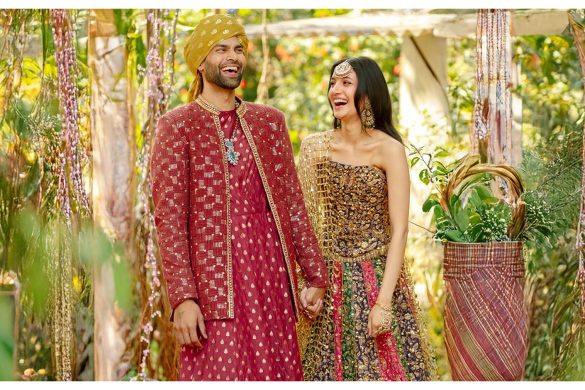
Navami and Dashami are your evening-heavy days, full of adda, feasting, and farewells to the goddess. This is where richer fabrics come in. Think tussar silk, deep jewel tones, or Panjabis with zari detailing. A Nehru jacket over the Panjabi instantly elevates the look for evening gatherings.
Which fabrics work best for a Dhuti-Panjabi?
Fabric choice makes or breaks the Dhuti-Panjabi experience, especially given how humid Bengal gets during Puja season.
Cotton is the most practical option for daytime wear. It breathes well, drapes easily, and holds up through hours of pandal hopping without wilting.
Silk brings the formality up a notch. Tussar and matka silk are popular choices for Ashtami and Navami evenings, offering a subtle sheen without feeling too heavy.
Linen blends have become a modern favorite too. They offer the crispness of linen with better drape than pure linen alone, making them a solid middle ground between comfort and elegance.
Are Nehru jackets and embellished kurtas good modern alternatives?
Traditionalists will always default to the classic Dhuti-Panjabi, but plenty of men are mixing it up these days.
A Nehru jacket layered over a Panjabi (worn with either a dhuti or straight-fit pants) has become a go-to for evening events. It adds structure and a slightly more contemporary silhouette while keeping the festive spirit intact.
Embellished kurtas, featuring embroidery, zari work, or mirror detailing, are another popular swap, especially for Navami or Dashami celebrations. They photograph well and pair easily with Nagra shoes or loafers.
If you're building out a full Puja wardrobe, it's worth browsing Aza Fashions' menswear edit for pieces that bridge tradition and modern tailoring.
What footwear and accessories complete a Dhuti-Panjabi look?
Footwear can make or break the final look. Nagra juttis are the classic pairing, offering both comfort and a traditional finish. For a more contemporary spin, leather sandals or loafers work just as well, particularly with embellished kurtas or Nehru jacket looks.
Keep accessories minimal. A simple pocket square, a statement brooch on the Nehru jacket, or a classic wristwatch is usually enough. Overloading a Dhuti-Panjabi with jewelry tends to compete with the outfit rather than complement it. If you want to add a festive touch, browse Aza Fashions' accessories collection for pieces that work well with traditional menswear.
Where should you shop for Durga Puja menswear?
Whether you're after a classic white cotton Dhuti-Panjabi or a richer silk set for Ashtami evenings, having options across fabrics, colors, and fits matters. Aza Fashions' men's collection offers a range spanning traditional Panjabis, Nehru jackets, and festive kurtas suited to every day of the Puja calendar.
FAQs
What's the difference between a dhoti and a dhuti?
They refer to the same garment. "Dhuti" is the Bengali pronunciation, while "dhoti" is used more broadly across other Indian regions.
Can I wear a Dhuti-Panjabi if I'm not used to draping traditional wear?
Yes. Many modern versions come pre-stitched or with easy-drape styles, so you get the traditional look without needing draping expertise.
Is silk or cotton better for Durga Puja?
Cotton is better suited for daytime events due to Bengal's humidity, while silk works well for evening occasions like Ashtami and Navami when a dressier look is expected.
Do I need a Nehru jacket for Durga Puja?
No, but it's a popular way to elevate a Dhuti-Panjabi for evening events without straying too far from tradition.
What colors are traditional for Durga Puja menswear?
White and off-white are the most traditional choices, often paired with a red border for rituals like Anjali. Richer colors like maroon, deep blue, and gold are common for evening celebrations.