There's a particular kind of nervous excitement that comes with celebrating your first festival as someone's wife. Chhath Puja, with its early morning arghya and quiet discipline, has a way of making everything feel more meaningful when you're experiencing it for the first time as a bride. The rituals haven't changed, but something about doing them with a mangalsutra on your wrist and your husband's family around you makes the whole thing feel new again.
This is also the moment when what you wear starts to matter in a different way. Choosing Chhath Puja outfits for newlyweds isn't just about looking festive. It's about honoring a tradition that's older than most families can trace, while still feeling like yourself inside it. Whether you lean toward a classic red saree or a softer, more contemporary silhouette, this guide walks through outfit ideas that balance ritual, comfort, and the kind of quiet glamour a first Chhath Puja deserves.
Why a Red Saree Still Wins for a Bride's First Chhath Puja
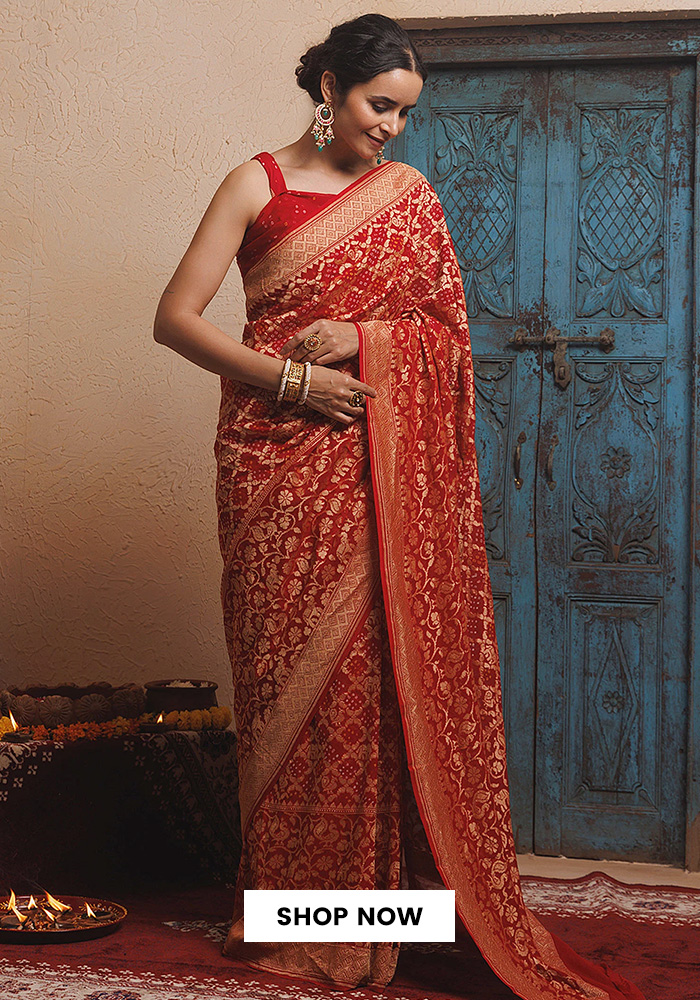
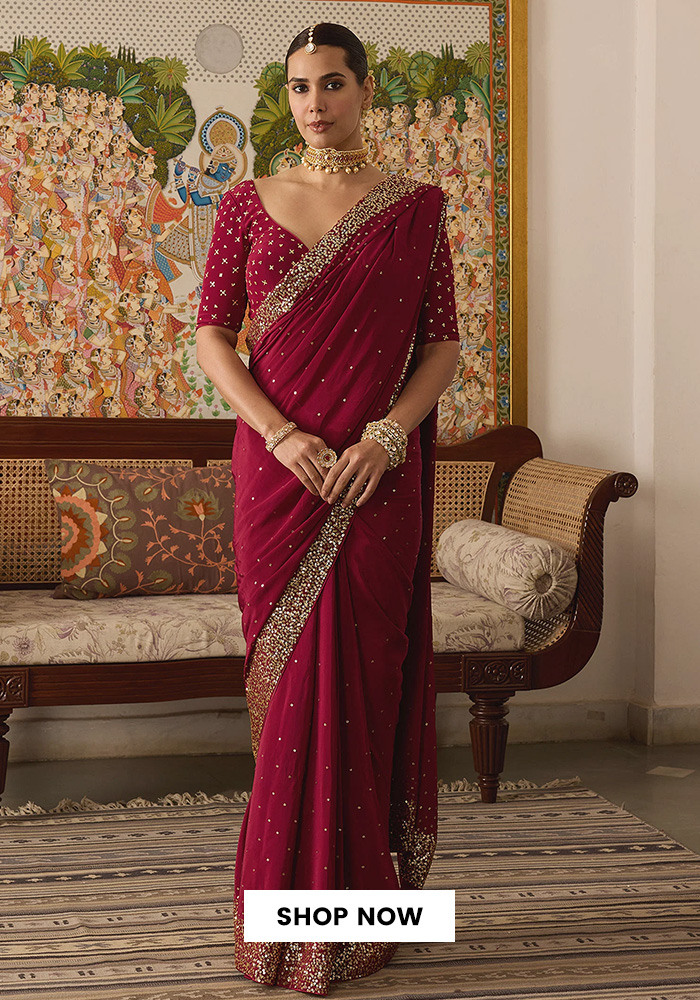
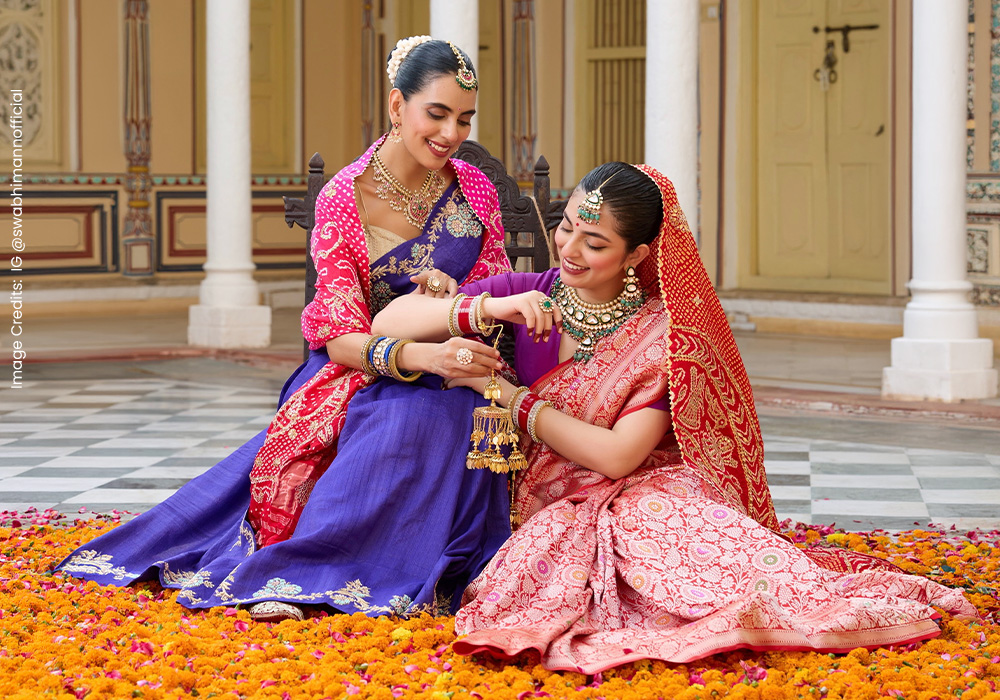
There's a reason red sarees remain the default choice for newlywed brides during festive occasions, and it's not just tradition for tradition's sake. A Banarasi silk saree in deep red, with its signature zari border and woven motifs, has a weight and sheen that photographs beautifully in both the soft evening light of the first arghya and the golden haze of sunrise the next morning. Kanjivaram sarees offer a slightly different texture story, with their contrasting pallus and temple borders that feel distinctly South Indian but translate well across regions.
For a first Chhath Puja after marriage, red also carries sentimental weight. It echoes bridal wear without repeating it, which is exactly the balance most brides are looking for. Pair it with a structured blouse and minimal pleats so standing near the water for extended periods doesn't become a styling headache.
Silk Sarees in Jewel Tones for a Quieter Kind of Elegance
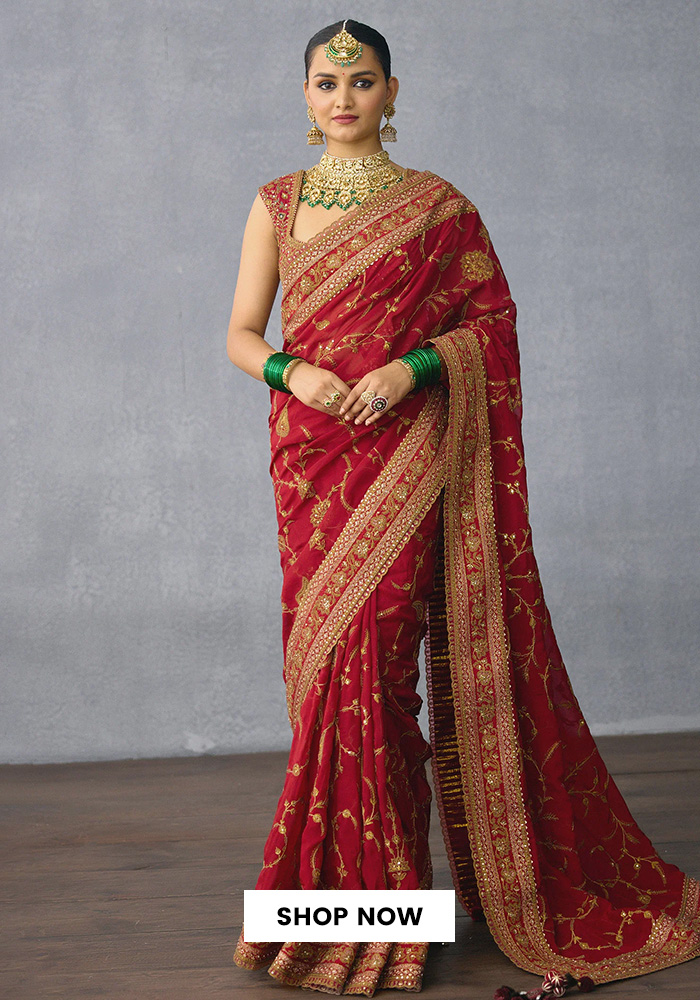
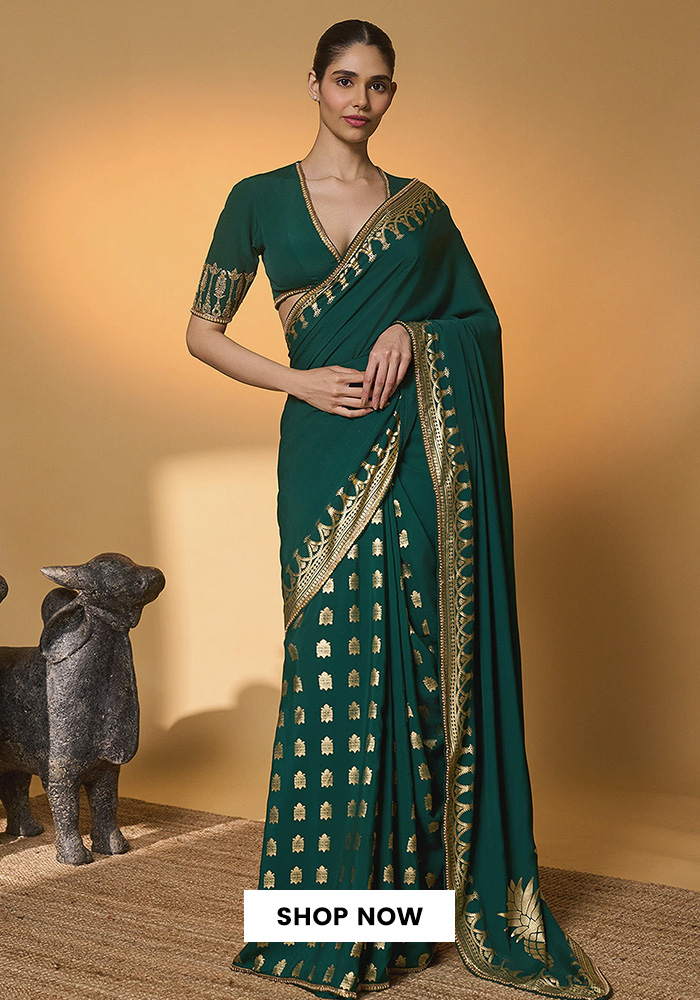
Not every bride wants to repeat red so soon after her wedding, and that's where jewel-toned silk sarees come in. Maroon, mustard, bottle green, and wine shades carry the same heritage weaving techniques, often from the same weaving clusters producing Banarasi and Kanjivaram silks, but feel less like a repeat performance of wedding day dressing.
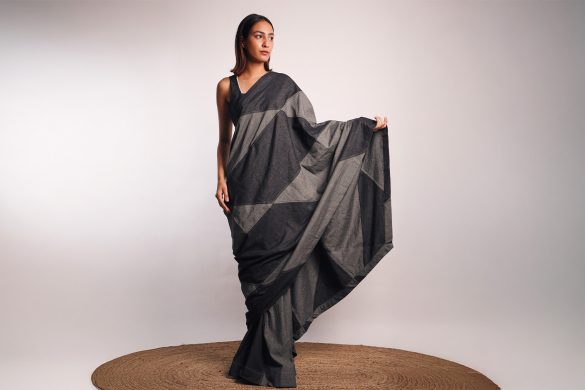
These sarees tend to have traditional motifs like paisleys, florals, and temple borders woven directly into the fabric, which means the richness comes from texture rather than added embellishment. That makes them a smart choice for anyone looking for Chhath Puja sarees that feel ceremonial without being overworked.
Lehengas for the Bride Who Wants a Dressed-Up Moment
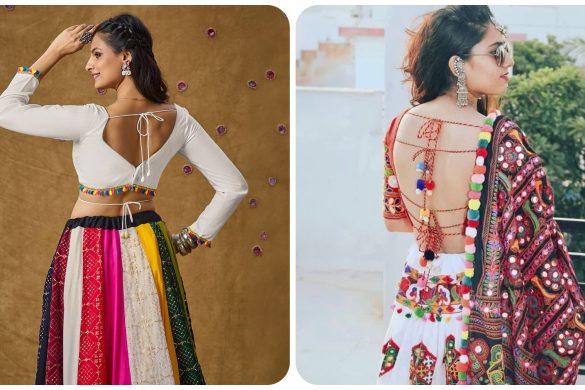
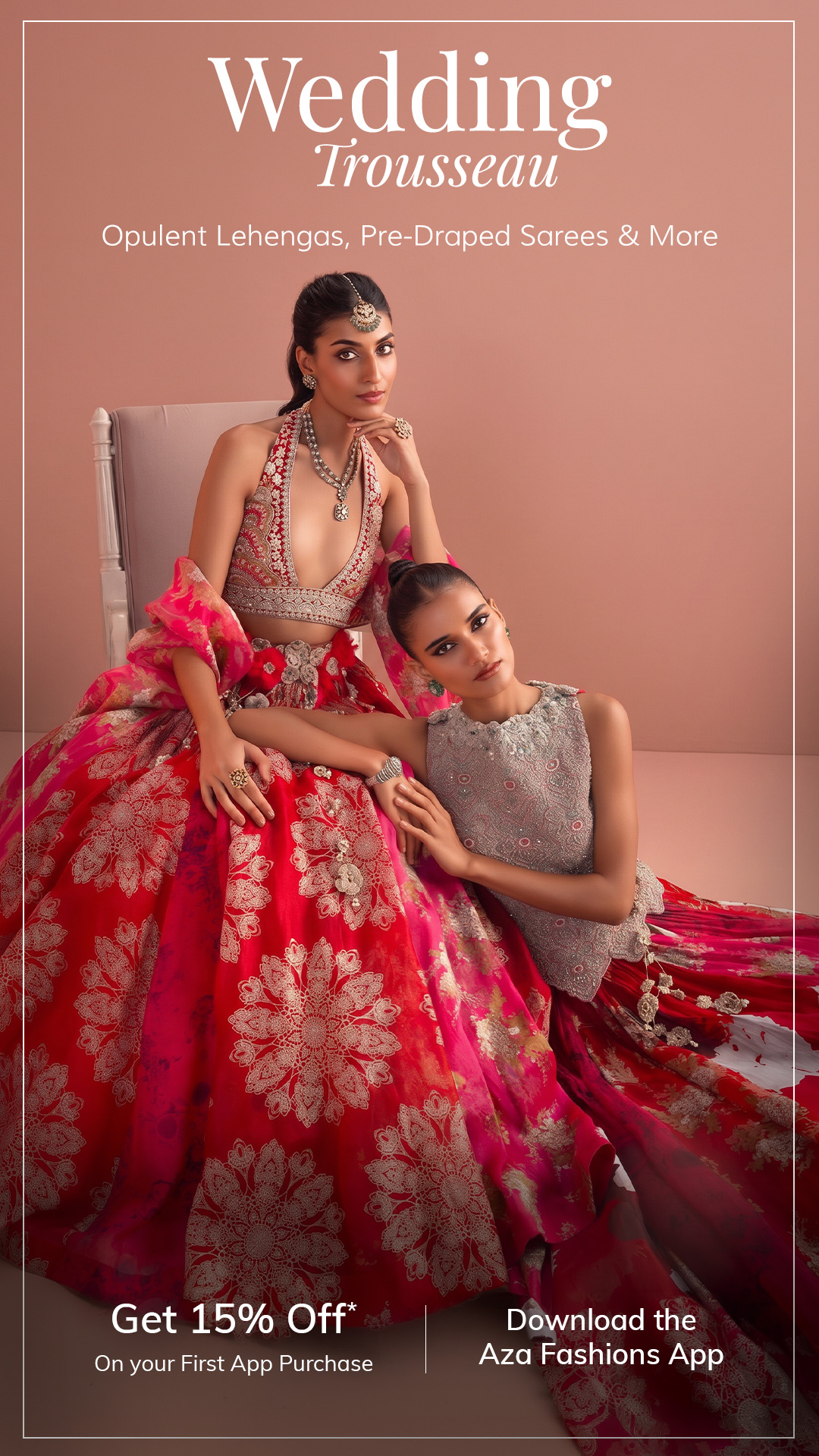
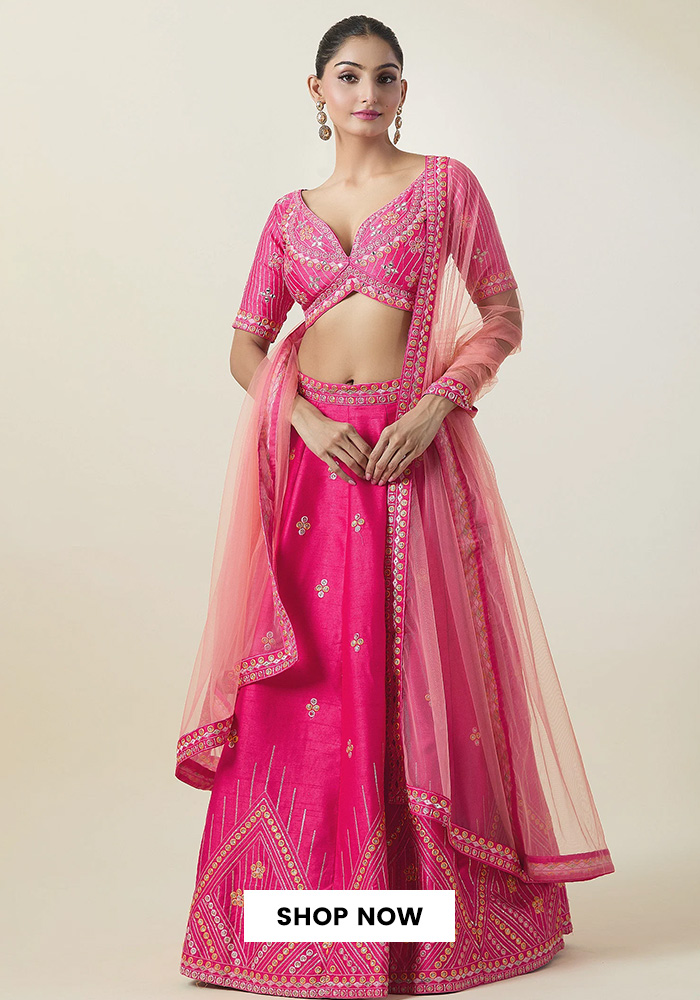
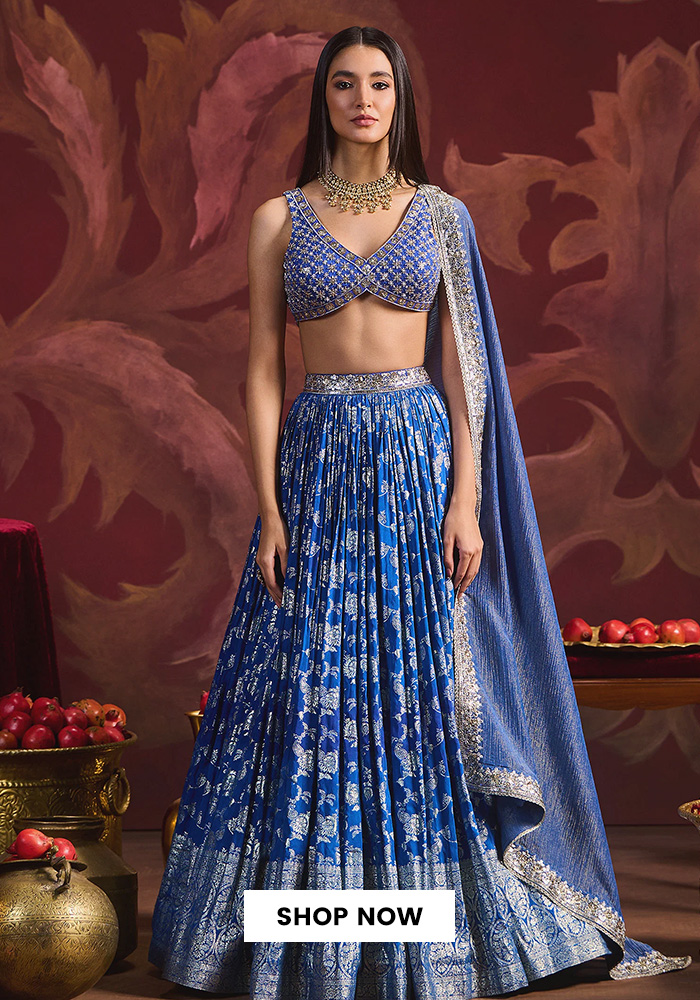
If your family's Chhath celebrations tend to extend into shared meals, photos, and a bit of socializing, a classic lehenga might suit the occasion better than a saree. Festive lehengas built for this kind of event usually favor rich fabrics like raw silk or silk-cotton blends, finished with traditional embroidery techniques like zardozi or resham work along the hem and bodice.
The key is choosing a silhouette that still allows for easy movement. A flared lehenga with a well-fitted blouse and a dupatta that drapes rather than restricts gives you that festive, dressed-up feeling without compromising on the practical demands of the ritual.
Anarkalis for Effortless, Flowing Grace
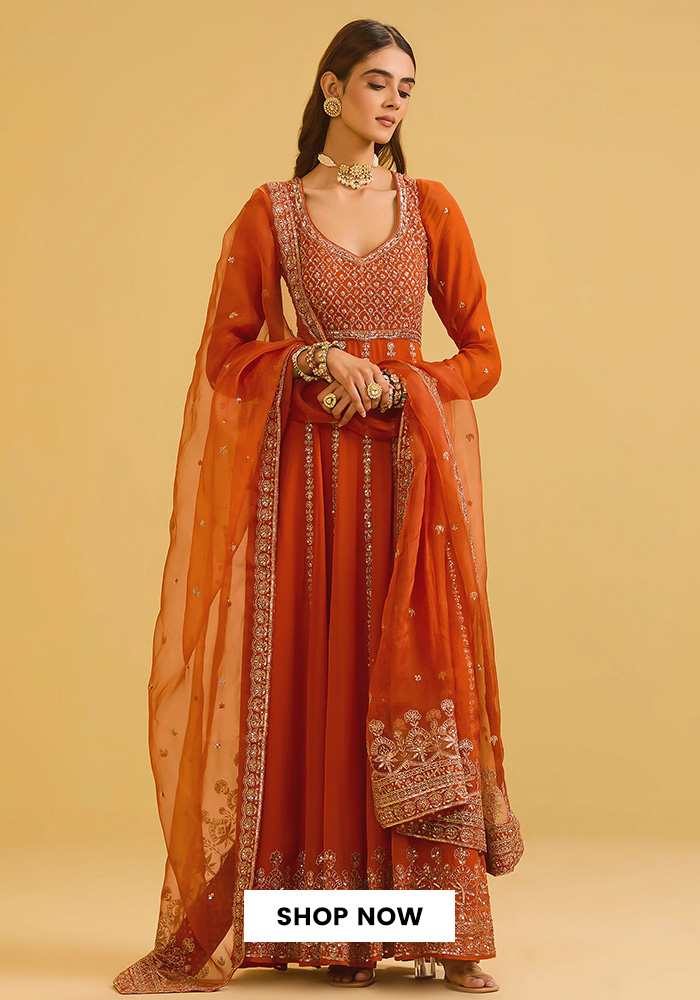
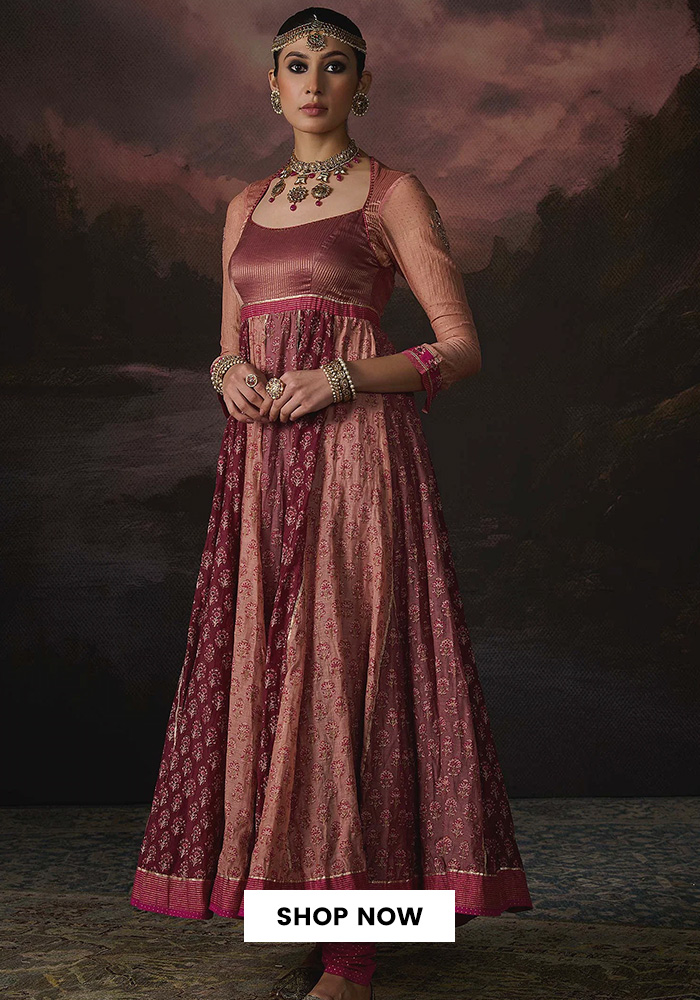
Floor-length Anarkalis have quietly become one of the most popular Chhath Puja outfit ideas for brides who want something graceful but less structured than a lehenga. The flowing silhouette moves beautifully, which matters when you're navigating riverbanks or crowded puja spaces, and the empire waistline tends to be forgiving after a day of fasting.
Look for Anarkalis with delicate thread or sequin embroidery concentrated around the neckline and hem, paired with a contrasting dupatta in a complementary jewel tone. It's a silhouette that photographs well standing still and moving, which is a small but real advantage during a ritual-heavy day.
Traditional Suit Sets That Bring Comfort Without Losing Charm
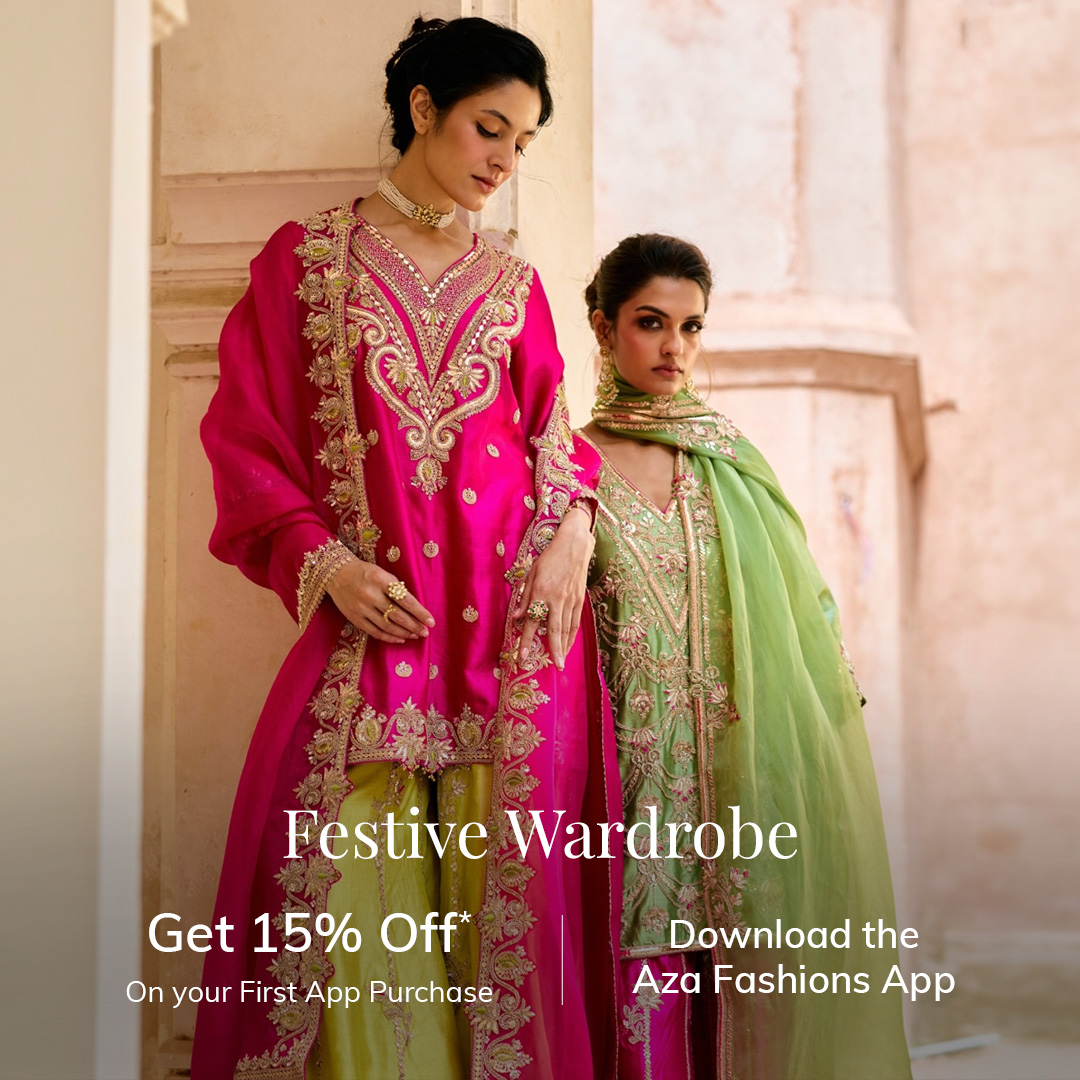
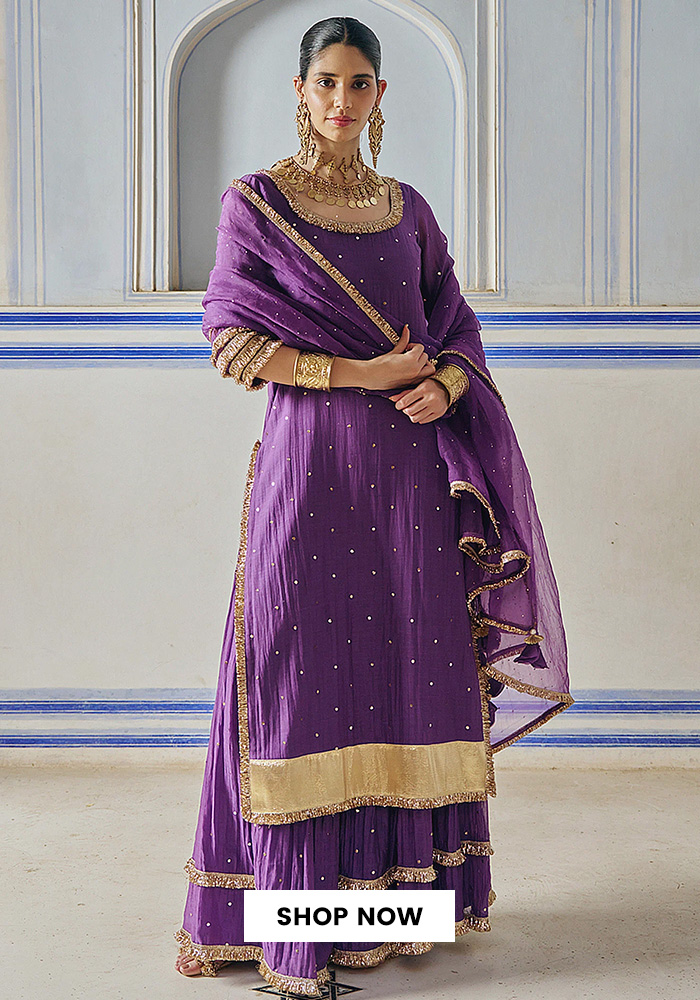
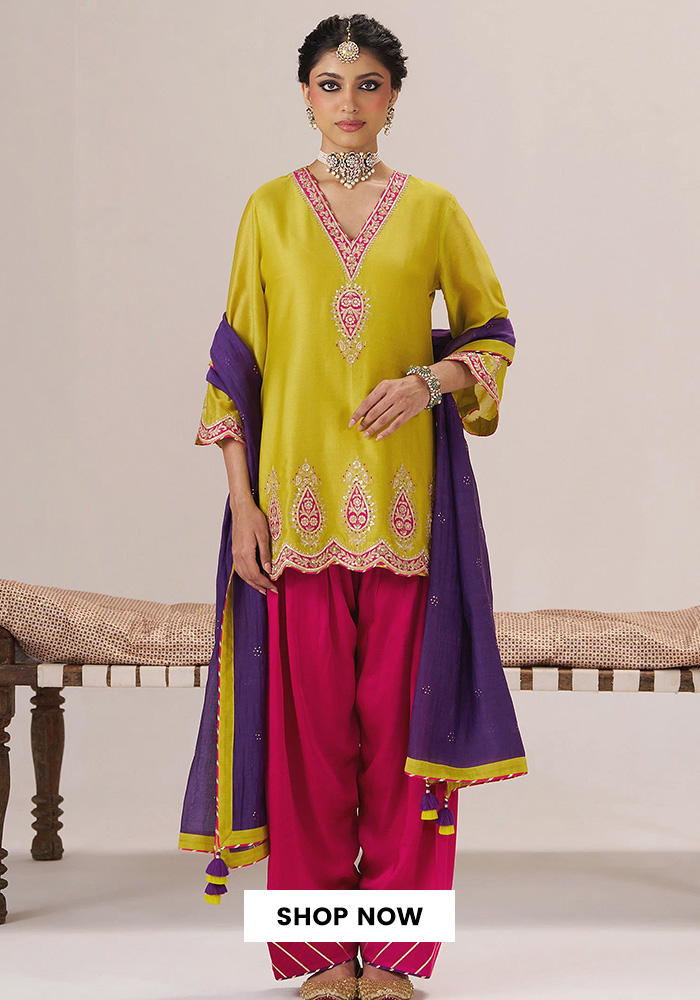
For brides who prioritize ease above all else, particularly given the early mornings and long hours Chhath demands, traditional suit sets deserve more credit than they usually get. Kurta sets, sharara sets, and gharara ensembles in festive fabrics like silk-blends or chanderi offer structure and comfort in equal measure.
Detailing like gota-patti work, mirror embellishments, and thread embroidery keep these outfits looking distinctly festive, even though they're fundamentally more wearable than a saree or lehenga. For a first Chhath Puja after marriage, a well-chosen suit set in a rich color like wine or deep teal can feel just as celebratory as more traditional options, without sacrificing comfort during the actual rituals.
Jewellery and Styling Details That Complete the Look
The outfit is only part of the picture. Gold jewellery, whether it's a statement necklace or simple jhumkas, adds the finishing touch that signals newlywed status without overpowering the outfit itself. A maang tikka works particularly well with Anarkalis and sarees, while stacked bangles suit both lehengas and suit sets.
Traditional sindoor and bindi remain central to the newlywed look, and most brides opt for a simple hairstyle, braided or left open with fresh flowers, that can hold up through hours of standing and moving. Footwear should lean practical: comfortable juttis or flats rather than heels, given how much of Chhath happens standing near water.
Making This Festival Yours
Your first Chhath Puja as a bride isn't just another ritual on the calendar. It's a quiet marker of a new chapter, celebrated in the company of people who are still becoming your family. Whatever silhouette you choose, the goal is the same: an outfit that feels rooted in tradition but unmistakably yours.
If you're still figuring out exactly what that looks like, Aza's edit of designer ethnic wear is a good place to start. From richly woven silk sarees to embroidered lehengas and festive suit sets, Aza brings together pieces designed for exactly this kind of occasion, where tradition and personal style are meant to sit comfortably side by side.