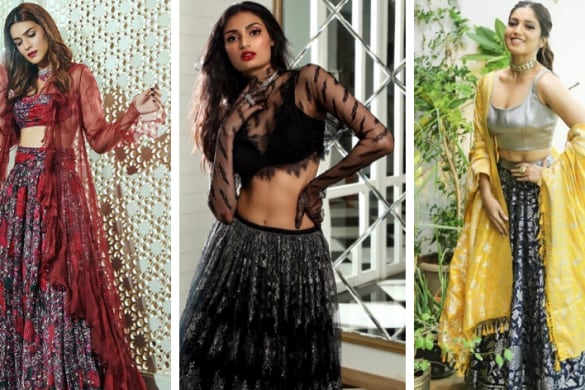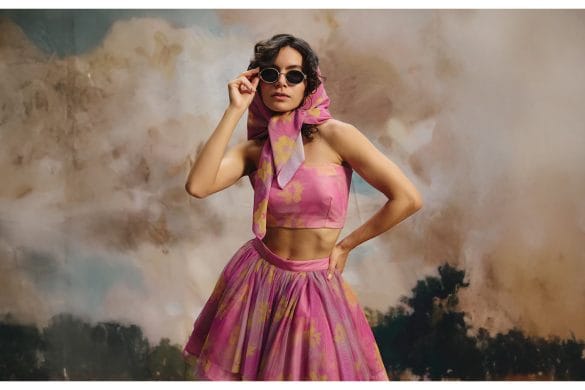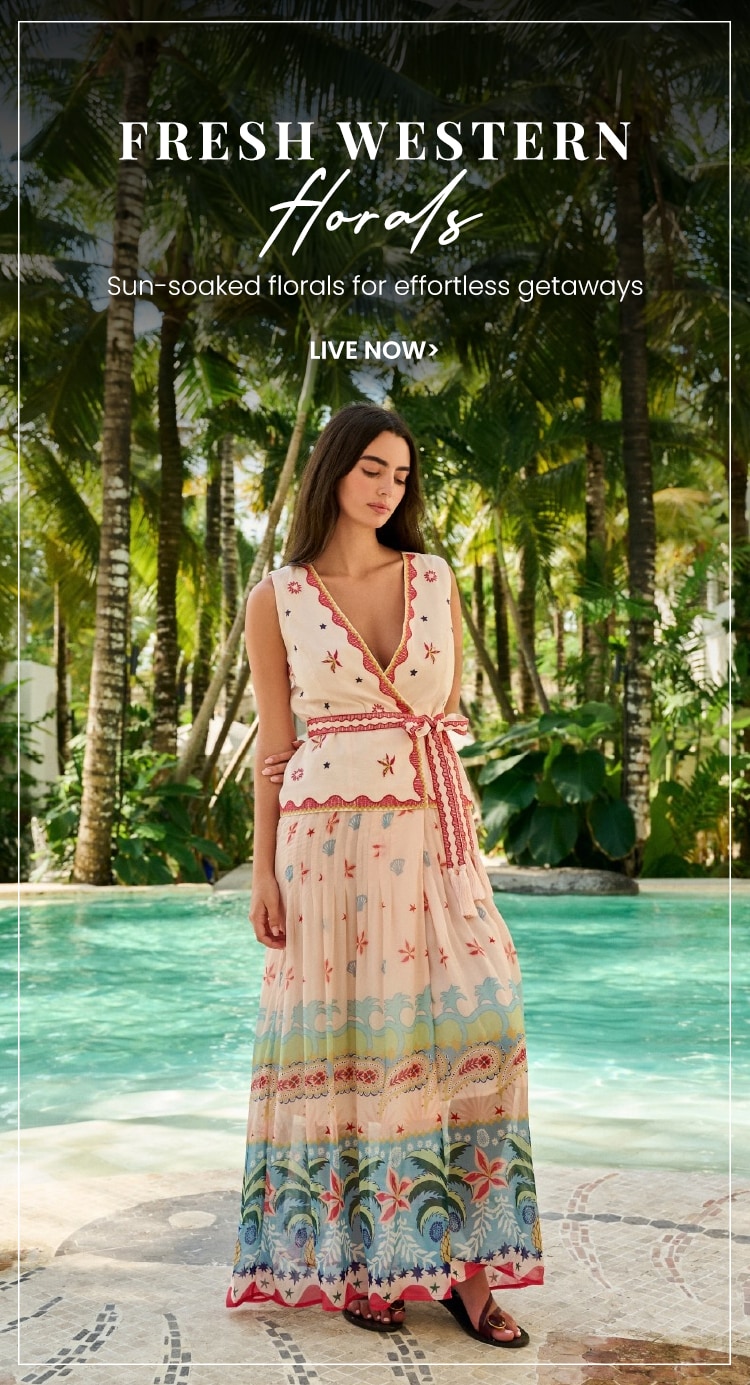
Florals are the undisputed, timeless core of Indian fashion. We see them everywhere, from breezy summer kurtas to the heaviest bridal trousseaus. But a print is just a print—it is the embroidery that gives a flower its depth, texture, and cultural identity.
The beauty of floral embroidery in Indian fashion lies in its incredible diversity. Different regions and artisanal communities interpret petals and vines through distinct techniques. Some lean toward delicate, airy minimalism, while others embrace bold, unapologetic opulence.
Understanding the sheer variety of Indian embroidery techniques transforms how you shop, style, and appreciate your wardrobe. Whether you are looking for understated elegance or hunting for the perfect floral lehenga embroidery, here is an editorially rich guide to the traditional and modern floral craftsmanship you need to know.
The Classics: Heritage Floral Craftsmanship
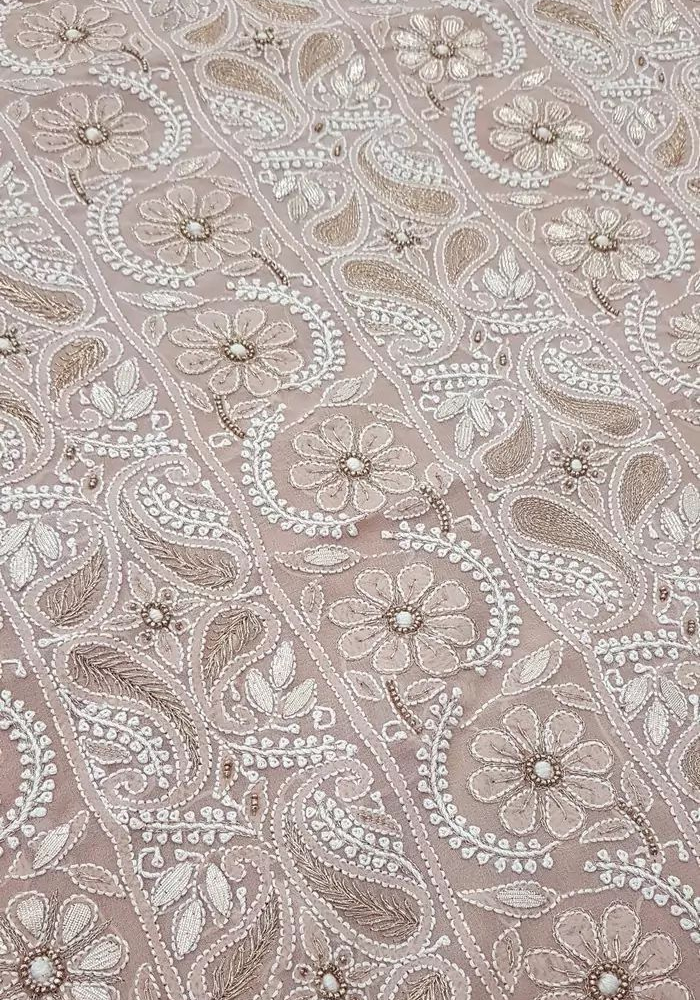
1. Chikankari Floral Embroidery
Originating from Lucknow, chikankari floral embroidery offers a gossamer, shadow-like effect. Artisans use techniques like bakhiya, phanda, and murri to create soft floral motifs on breathable fabrics like cotton, muslin, and georgette. It offers unmatched elegance for summer days and understated evening wear.
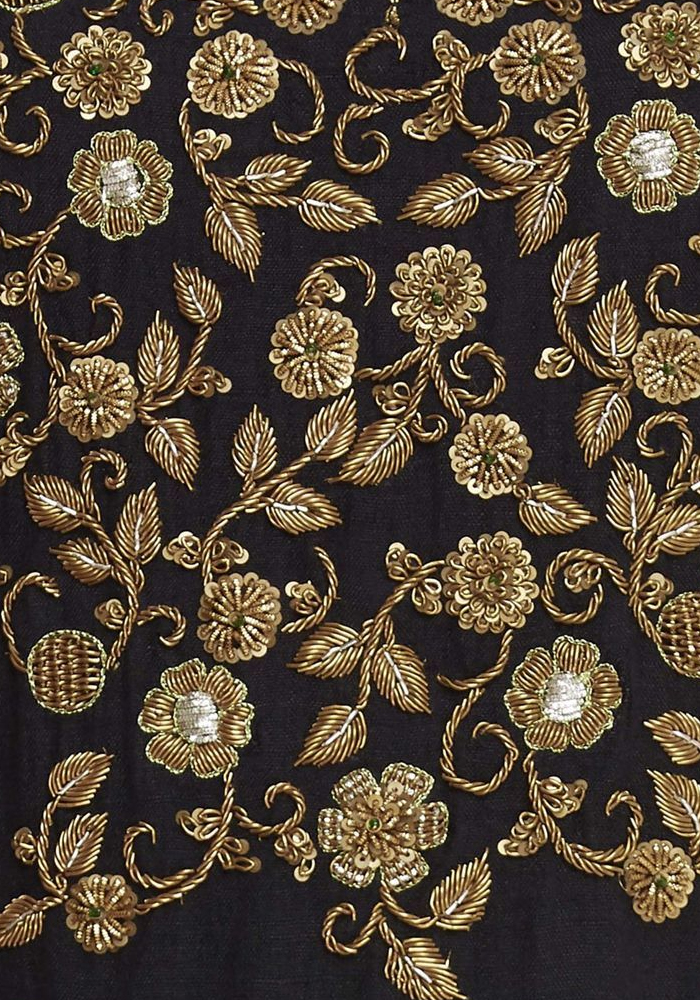
2. Zardozi Floral Embroidery
When you need royal opulence, you turn to zardozi floral work. This heavy metallic embroidery uses gold and silver threads, often mixed with pearls, stones, and sequins. Designers like Jayanti Reddy champion zardozi to create magnificent, Mughal-inspired botanicals that are a staple for bridal and couture collections.
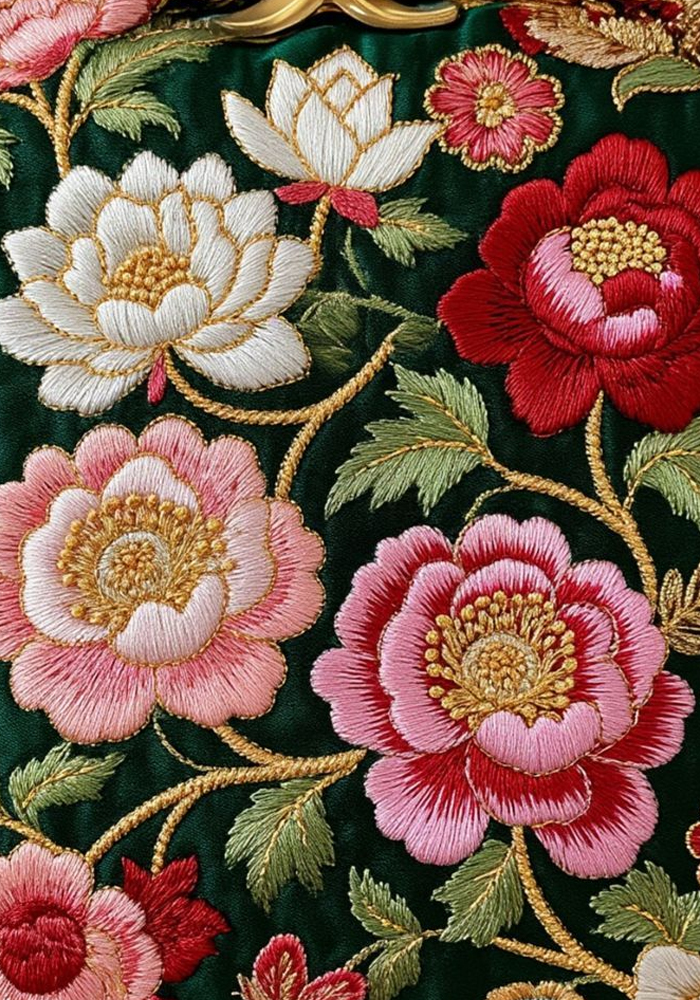
3. Aari Floral Embroidery
Using a specialized hooked needle, aari work relies on a continuous chain stitch to create fluid, graceful 3D floral patterns. Often accented with zari, beads, and sequins, aari is celebrated for its intricate detailing and is highly popular on lehengas and sweeping dupattas.
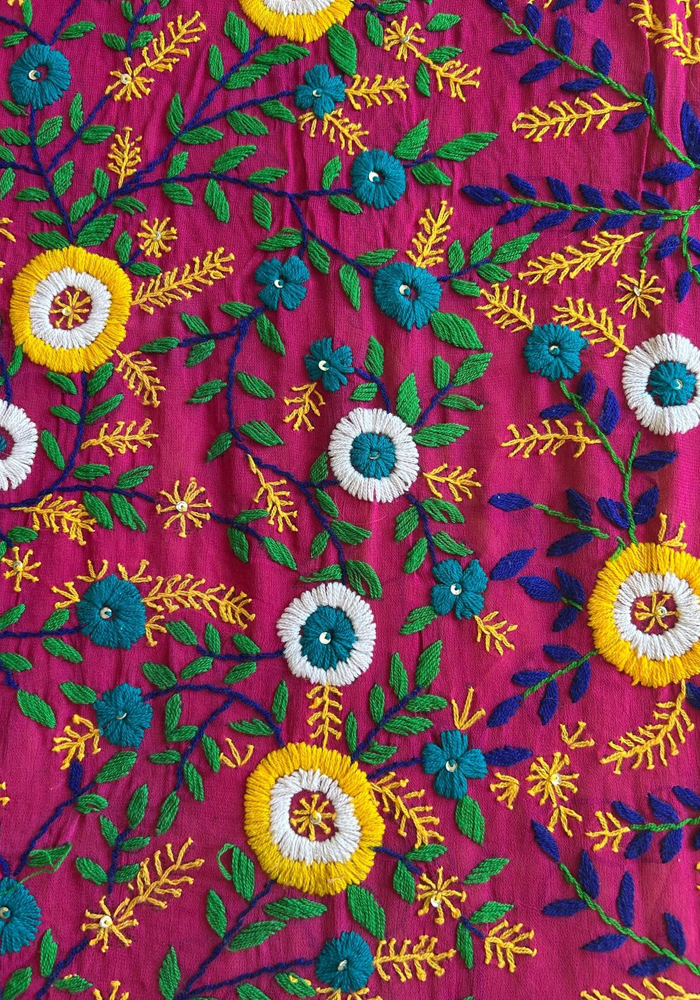
4. Phulkari
Hailing from Punjab, Phulkari literally translates to "flower work." Rather than realistic petals, this technique uses bright, untwisted silk threads on handwoven cotton to create geometric floral interpretations. Labels like Torani often draw rich inspiration from Phulkari, celebrating its festive, surface-covering density.
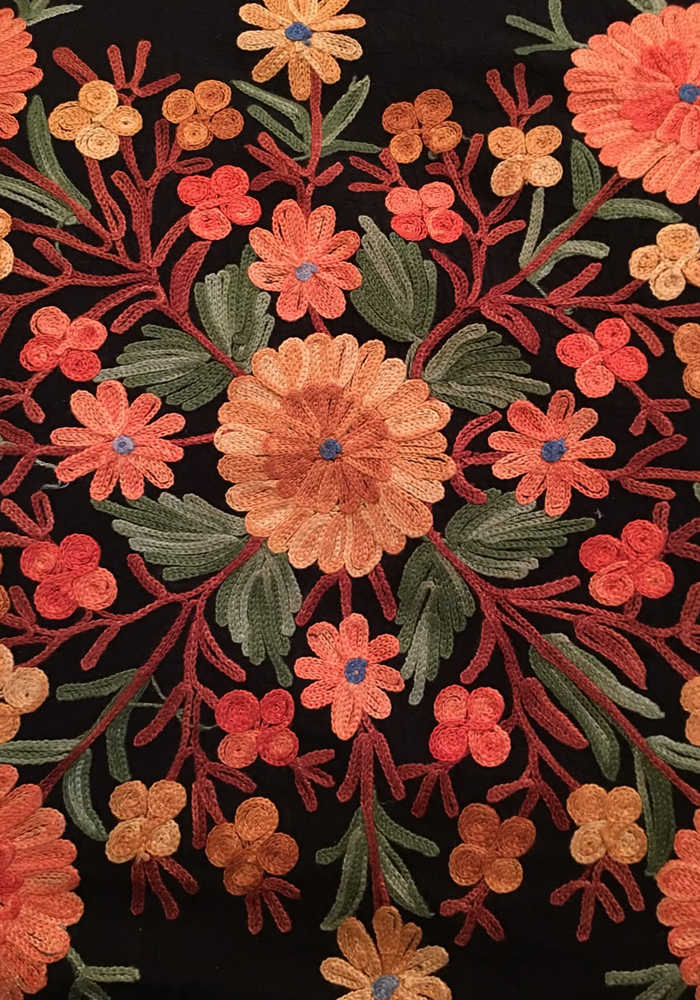
5. Kashmiri Crewel Embroidery
Crewel work uses thick wool thread stitched onto heavier fabrics. The motifs take direct inspiration from the lush Kashmiri landscape, featuring sprawling chinar leaves and blossoming vines. It provides an earthy, heavily textured finish perfect for winter shawls and structured jackets.
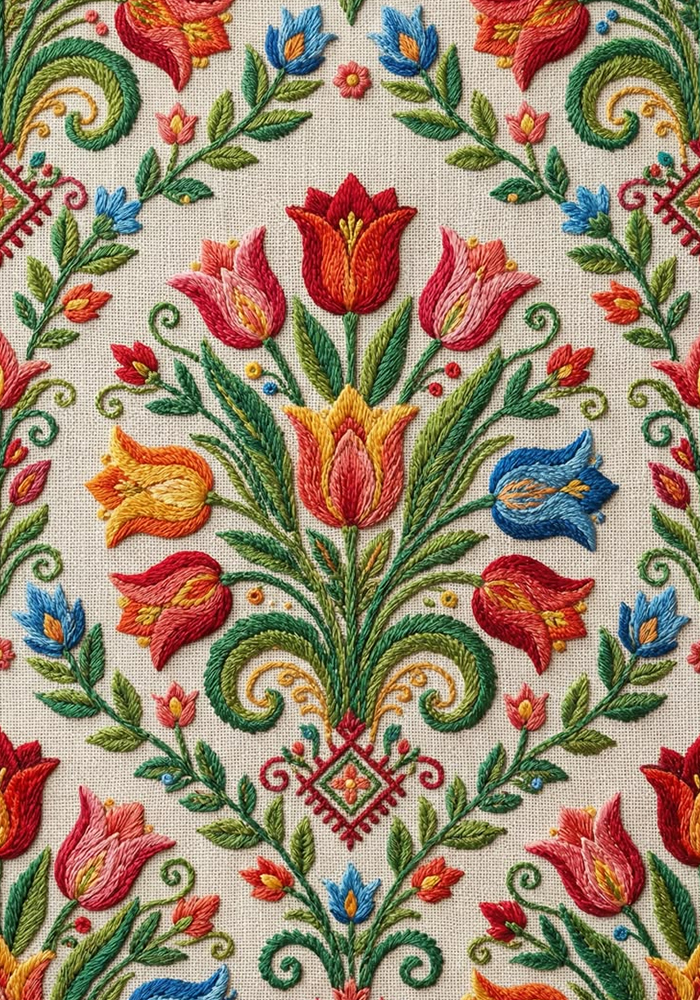
6. Kashida Floral Embroidery
Finer and more delicate than crewel, Kashida is another Kashmiri treasure. It relies heavily on smooth satin stitches to create vibrant, nature-inspired florals. The result is an elegant, minimal aesthetic that flows beautifully across fine silks and wools.
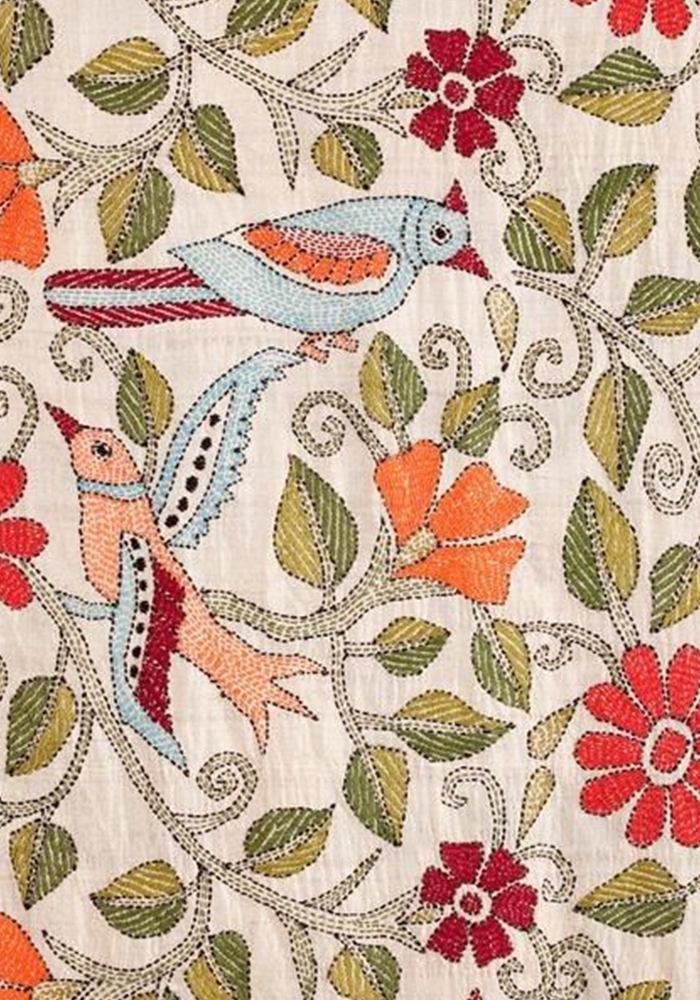
7. Kantha Floral Embroidery
Rooted in West Bengal, Kantha uses a simple running stitch to form layered, expressive floral patterns. Historically an upcycling technique, Kantha offers an organic, slightly imperfect aesthetic that holds massive appeal for contemporary, bohemian-inspired fashion.
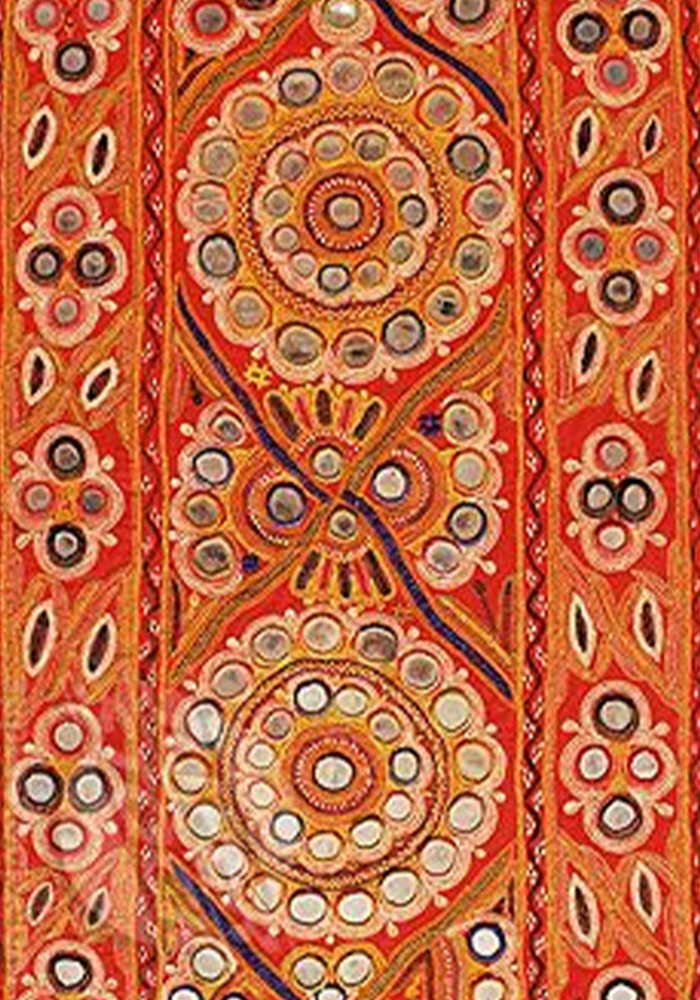
8. Mirror Work with Floral Motifs
Originating in Gujarat and Rajasthan, this technique arranges reflective shisha (mirrors) into floral patterns, binding them with vibrant threadwork. It is highly festive, catching the light beautifully during evening celebrations.
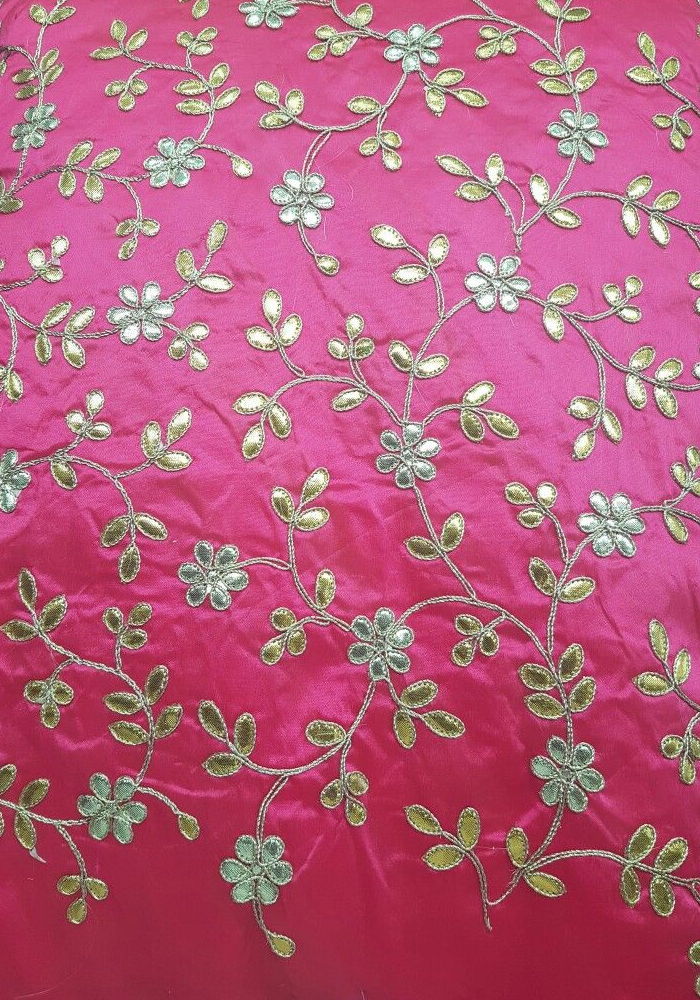
9. Gota Patti Floral Work
Gota Patti is a distinctive Rajasthani appliqué technique that folds and stitches metallic gold or silver ribbons into stylized floral shapes. Designers like Punit Balana and Anita Dongre use gota patti extensively, creating lightweight yet incredibly festive lehengas and dupattas.
10. Resham Floral Embroidery
Resham refers simply to silk thread embroidery. It is highly versatile, crossing multiple regional boundaries to create everything from subtle, monochromatic flowers to highly detailed, multi-colored botanicals suitable for any occasion.
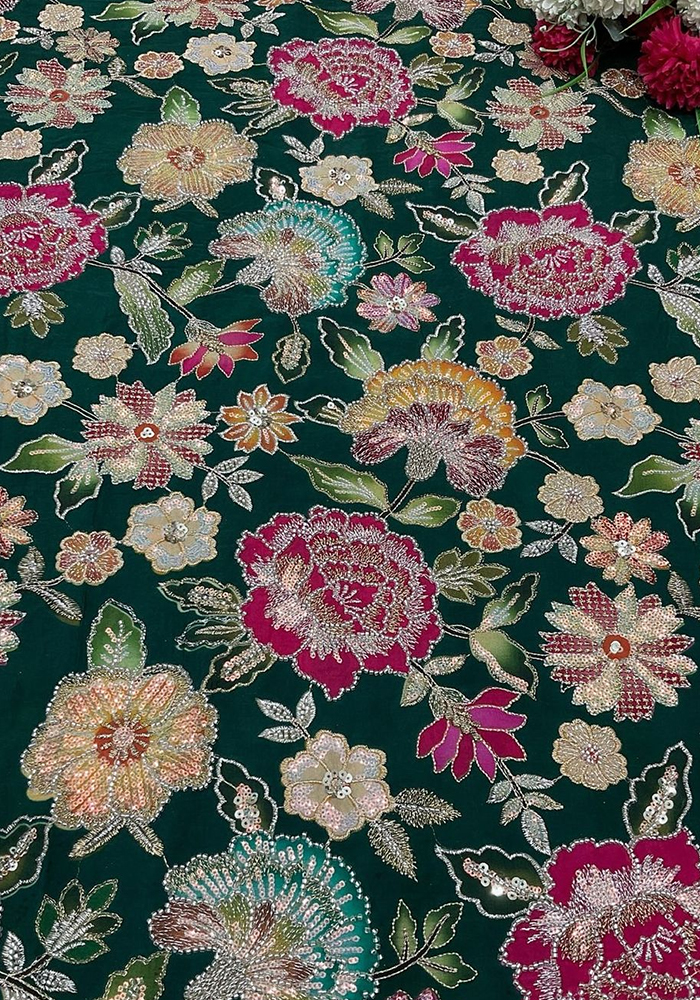
Modern Innovations and Couture Techniques
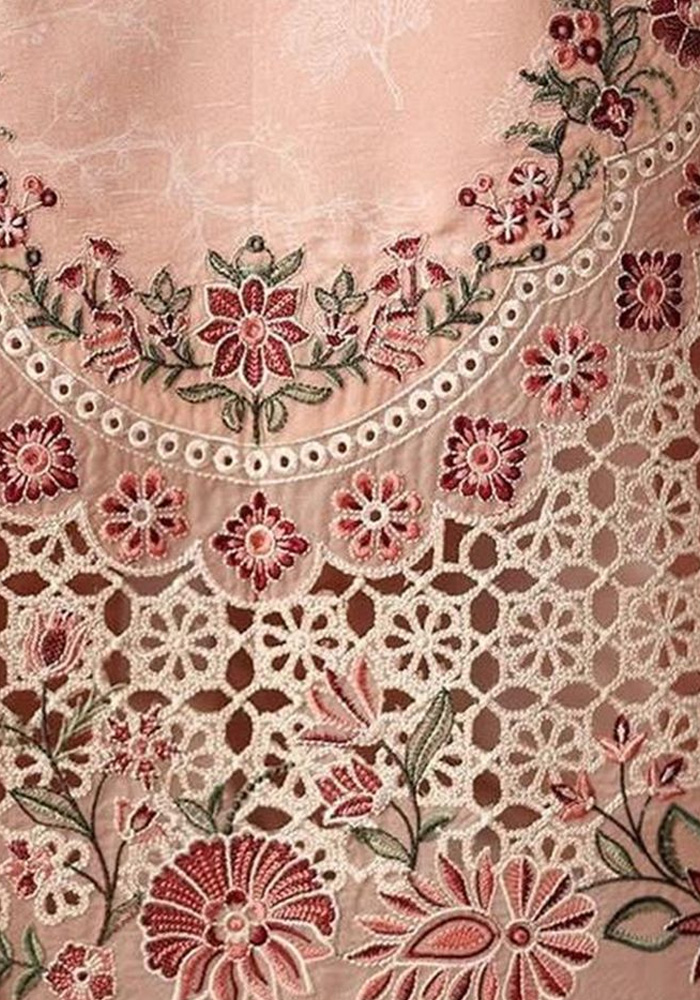
11. Cutwork Floral Embroidery
Cutwork adds beautiful dimension and negative space to a garment. Artisans embroider floral borders and then meticulously cut away the fabric in between, leaving a lace-like floral cage that looks stunning on saree borders and chic blouse sleeves.
12. Appliqué Floral Embroidery
Found in regions like Odisha and Rajasthan, appliqué involves stitching contrast fabric patches onto a base cloth to form bold, graphic floral stories. It is striking, playful, and visually commanding.
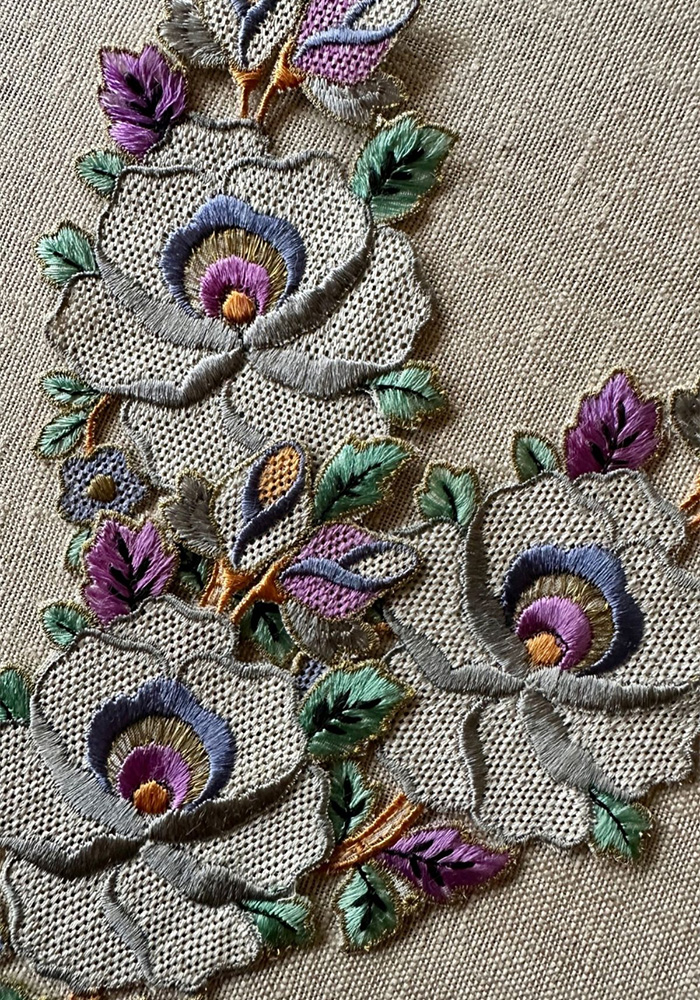
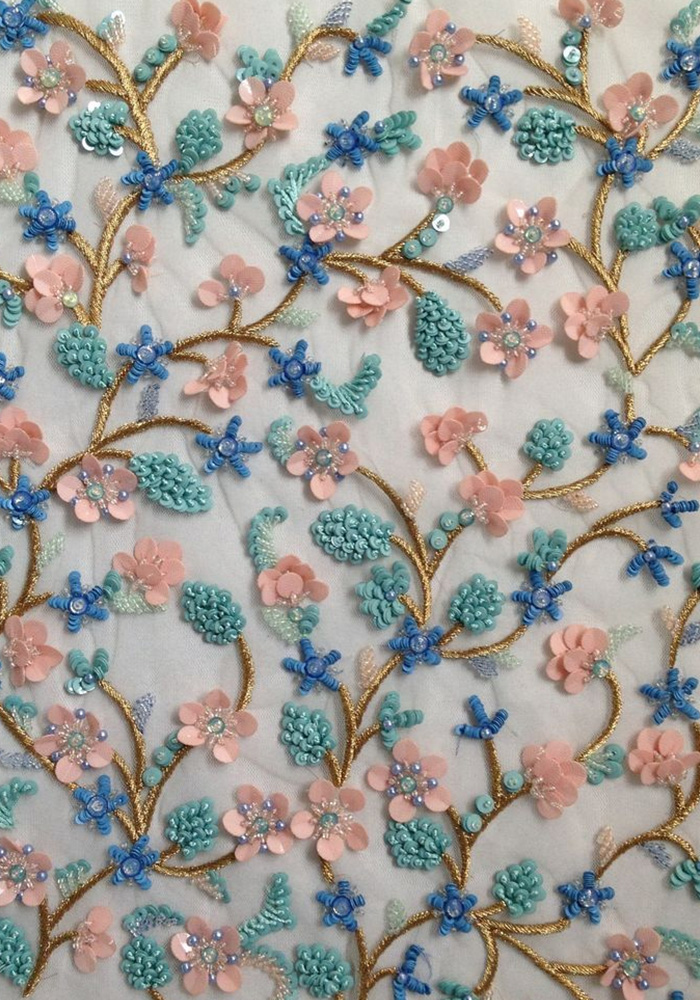
13. Bead & Sequin Floral Embroidery
For pure cocktail glamour, artisans construct 3D floral effects using thousands of beads, sequins, and crystals. This technique adds undeniable shine and modern texture to high-fashion couture wear.
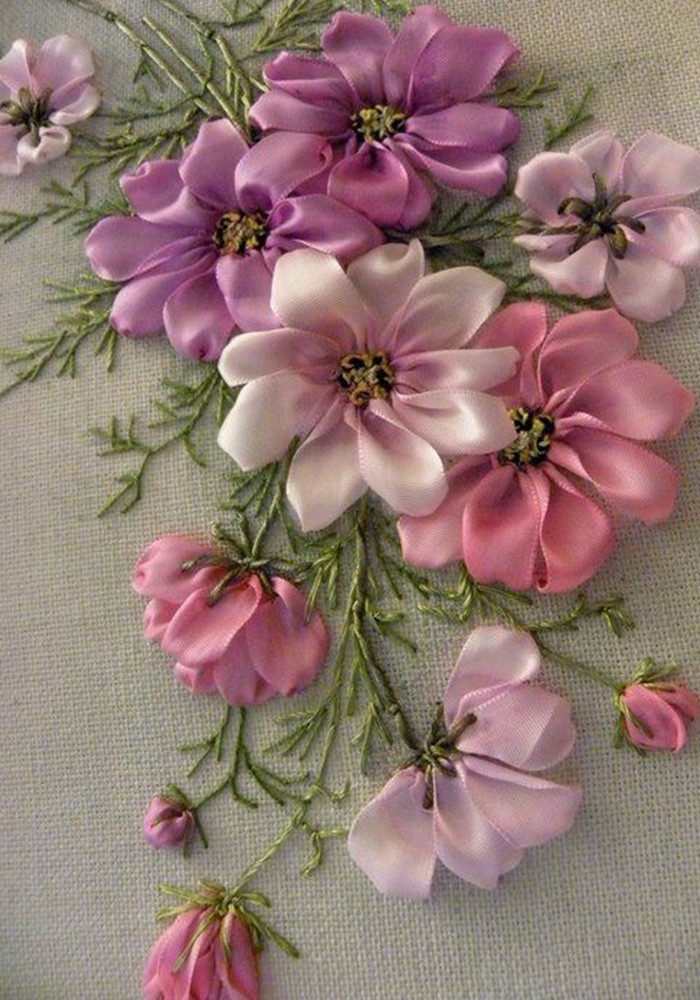
14. Ribbon Embroidery
Though less traditional, ribbon embroidery is making waves in niche Indian couture. Using silk ribbons instead of thread, this technique yields soft, raised, deeply romantic 3D flowers.
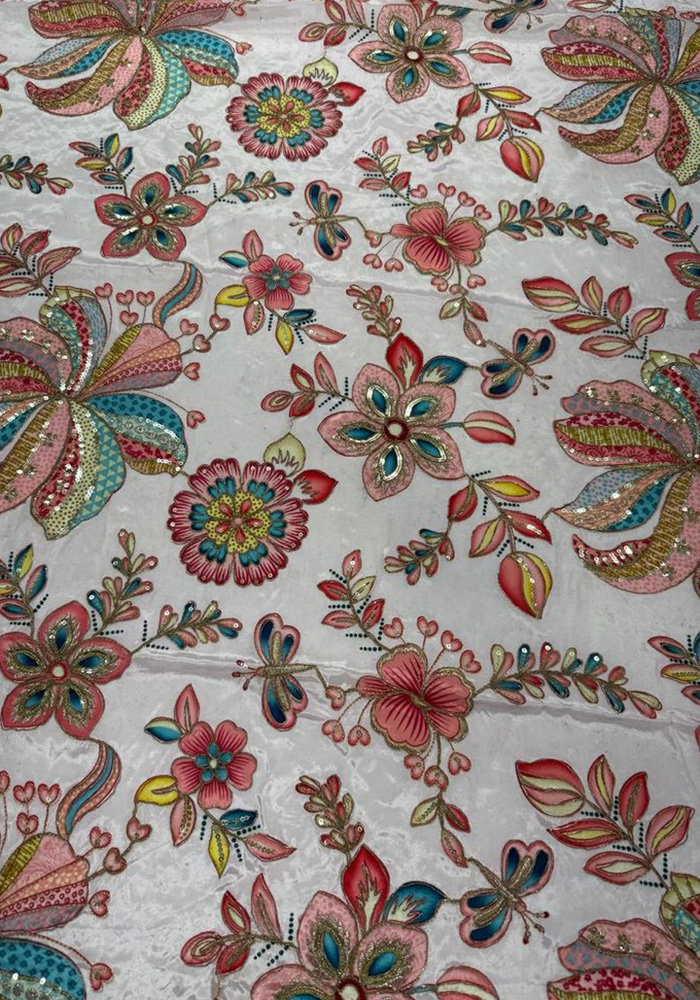
15. Digital + Hand Embroidery Fusion
Modern designers like Aisha Rao and Itrh brilliantly merge scalable technology with raw craftsmanship. They start with vibrant, digitally printed florals and enhance them selectively with hand embroidery, creating a modern, high-impact aesthetic.
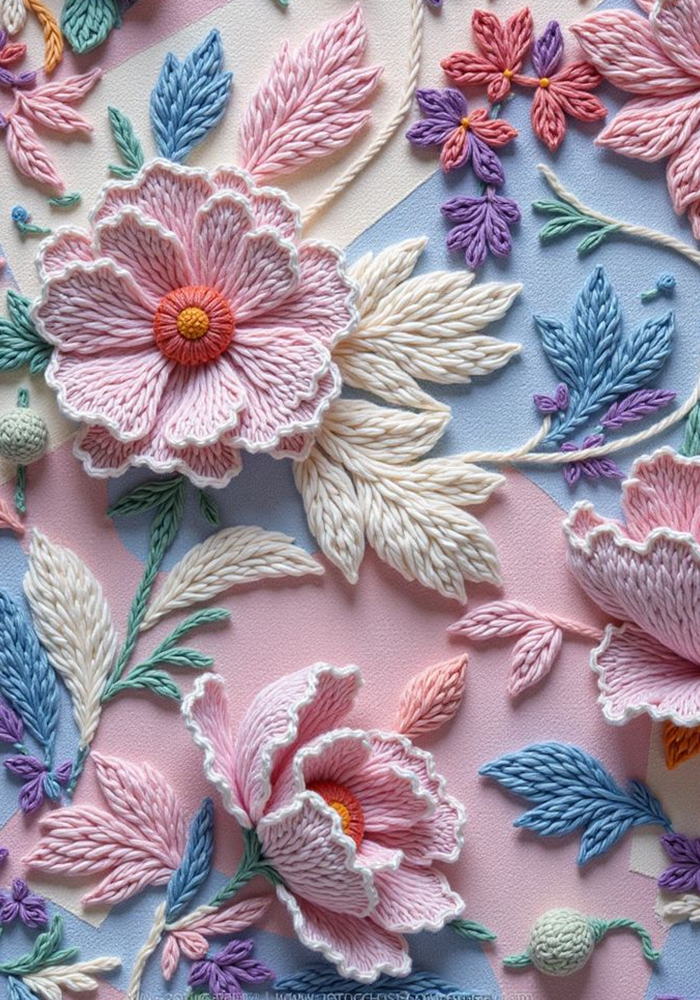
16. 3D Floral Embroidery
Taking texture to the absolute limit, 3D floral embroidery features sculpted petals, intense fabric manipulation, and protruding blooms. Visionaries like Rahul Mishra have put this technique on the global map, turning traditional floral motifs into walking, experimental art.
How to Choose the Right Floral Embroidery
With so many types of embroidery in India, narrowing down your choice requires a strategic eye. Keep these styling rules in mind:
- Consider the Occasion (Weight): Light techniques like chikankari, threadwork, and kantha are perfect for daytime events and intimate pujas. For evening receptions and weddings, opt for the heavy, light-catching drama of zardozi, gota patti, or beadwork.
- Determine the Placement: Do you want all-over maximalism or scattered elegance? A fully embroidered aari lehenga makes a massive statement, while strategically placed cutwork or 3D florals on a blouse keeps the look restrained and modern.
- Pick Your Palette: Pastel threads highlight the intricacies of resham and ribbon work beautifully. If you prefer deep jewel tones, metallic zardozi and bright Phulkari threads provide the necessary contrast to make the motifs pop.
- Mind Your Body Type (Scale): Large, sprawling appliqué or 3D florals draw immediate attention and add volume. If you prefer a more streamlined silhouette, choose dense, smaller motifs like fine kashida or micro-sequin florals that draw the eye up and down smoothly.
Floral embroidery is much more than mere decoration. It is a wearable reflection of regional heritage and evolving design sensibilities. From the meticulous shadow-work of a Lucknowi artisan to the sculptural masterpieces walking global runways, the techniques used to craft these petals tell a rich story of skill and patience.
Whether your personal style leans minimal or maximal, traditional or experimental, there is a floral embroidery style waiting to bloom in your wardrobe. Embrace the craftsmanship, and let these incredible textiles bring your next outfit to life.