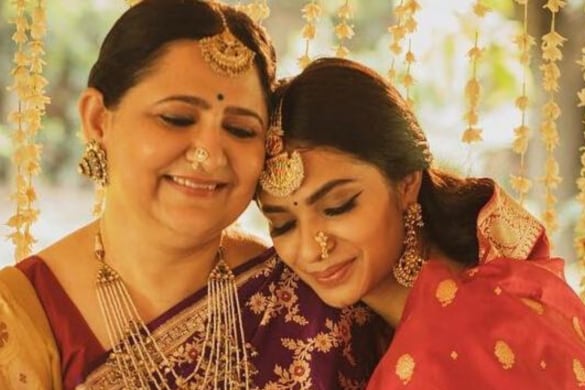
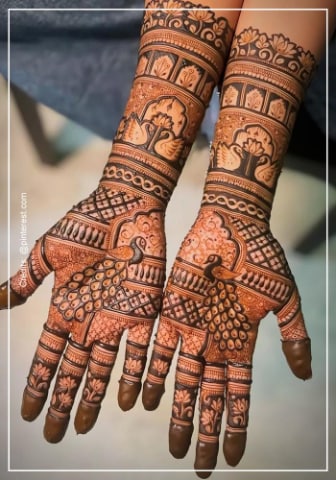
There is a special kind of magic in the air during a Mehndi ceremony. The earthy scent of fresh henna paste, the sound of dhol, and the laughter of friends create an atmosphere of pure joy. But for the bride, there is also a quiet anticipation. You wait patiently for hours as intricate patterns are drawn on your hands and feet, wondering: How dark will the color be?
In Indian culture, a dark mehndi stain is more than just beautiful; it is symbolic. Old folklore says that the darker the stain on a bride's hands, the deeper her groom's love for her will be. Others say it signifies a strong bond with the mother-in-law. While these are charming myths, every bride still secretly wishes for that deep, rich mahogany color to complement her bridal lehenga.
However, getting that perfect stain requires more than just good luck. It takes preparation and care. If you are wondering how to make wedding mehndi last longer and look its best, you are in the right place. Here is your complete guide to achieving the perfect bridal henna stain.
Why Does Mehndi Fade?
Before we dive into the tips, it helps to understand how henna works. Henna (Lawsonia inermis) contains a dye molecule called lawsone. When you apply the paste, this dye binds to the proteins in your skin.
The skin on your palms and soles is thicker, which is why the stain is usually darkest there. However, as your skin naturally exfoliates and renews itself, the dye fades. Water, soap, and friction speed up this process. The goal is to help the dye penetrate deep and protect the skin from shedding too quickly.
Phase 1: Pre-Application Prep
The secret to long-lasting mehndi starts days before the artist even arrives. Think of your skin as a canvas; the smoother and cleaner it is, the better the art will look.
1. Schedule Your Manicure Early
Do not book your manicure and pedicure for the day after your mehndi ceremony! The soaking, scrubbing, and massaging involved in a manicure will fade your fresh henna instantly.
- Tip: Get all your grooming—waxing, manicures, and pedicures—done at least 2 to 3 days before the mehndi function.
2. Say No to Lotions and Oils
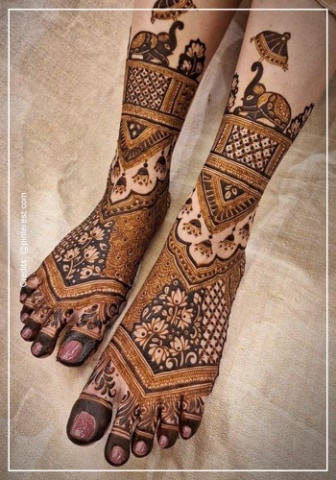
On the day of the ceremony, skip the body lotion, hand cream, or oils. These products create a slippery barrier on your skin. This barrier prevents the henna dye from absorbing properly, leading to a light or patchy stain.
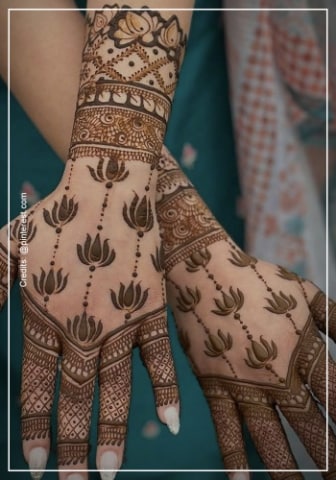
- Tip: Wash your hands and feet thoroughly with soap and water just before you sit down for the application to remove any natural oils.
3. Dress Comfortably
This is a practical tip for longevity. If you are uncomfortable, you will fidget, which can smudge the wet design. Wear something breathable and sleeveless or with short sleeves.
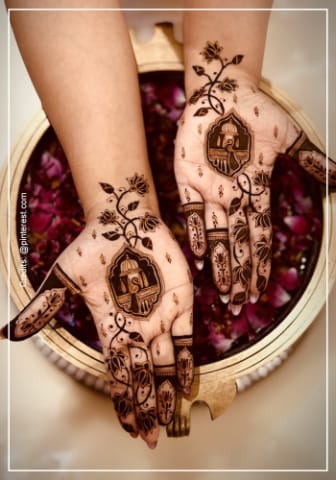
- Style Check: Explore the breezy and beautiful collection of sleeveless kurtas and lehengas at Aza Fashions to find an outfit that keeps you cool and photo-ready.
Phase 2: The Aftercare Rituals
Once the design is applied, the real work begins. This is the crucial window where the dye oxidizes and deepens.
4. The Lemon and Sugar Sealant
This is the oldest trick in the book because it works. Once your mehndi begins to dry and crack, it can fall off the skin before the dye has set.
- The Recipe: Mix lemon juice and sugar in a small bowl until it creates a sticky syrup.
- Application: Use a cotton ball to gently dab this mixture over the dried mehndi. The sugar keeps the paste sticky and adhered to your skin, while the acidity of the lemon helps release the dye.
- Caution: Don't overdo it! You don't want the liquid to run and ruin the design.
5. The Power of Heat (Clove Steam)
Heat activates henna. A traditional Indian method involves warming your hands over clove smoke.
- How to do it: Heat a few cloves (laung) on a flat pan (tawa). Place your hands high above the smoke (be careful not to burn yourself!). The heat and the fumes help the color penetrate deeper into the skin.
6. Scrape, Don't Wash
This is the golden rule of bridal mehndi: Keep water away.
Once you are ready to remove the dried paste (ideally after keeping it on for 8-12 hours or overnight), do not wash it off with water. Instead, use a butter knife or your fingers to gently scrape the dry crust off.
- Pro Tip: Rub a little mustard oil or coconut oil on your hands to help slide the dried paste off smoothly.
Phase 3: Making it Last Through the Wedding
You have removed the paste, and the color is looking orange. Don't panic! It takes 24 to 48 hours for henna to oxidize from orange to a deep maroon. Here is how to protect it during that time.
7. Avoid Soap and Water
Try to avoid water completely for at least 12 hours after removal. If you must shower, wear gloves or wrap your hands in plastic bags (it sounds funny, but it saves the stain!). When you do wash your hands eventually, avoid harsh soaps or exfoliators.
8. Use a Balm for Warmth
After scraping the mehndi off, apply Vicks VapoRub or Tiger Balm to your palms. It sounds unusual, but the menthol and heat in these balms stimulate blood flow to the surface of the skin, which can help darken the color.
9. Say No to Chlorine
If your wedding venue has a pool, resist the urge to jump in. Chlorine is a bleaching agent and will strip the color from your hands faster than almost anything else.
Conclusion
Your bridal mehndi is a beautiful symbol of your new journey. It tells a story of tradition, celebration, and love. By following these simple steps, you can ensure that your henna looks as vibrant on your reception night as it did when it was first applied.
While you take care of your mehndi, let us take care of your wardrobe. Whether you are looking for a stunning Sangeet lehenga or a chic outfit for your Mehndi brunch, Aza Fashions has the finest selection of designer ethnic wear to make every moment of your wedding picture-perfect.