Bollywood has never just told stories through dialogue. It has told them through fabric, silhouette and colour. Some characters live on in our collective memory not because of a single scene but because of what they wore in it. A backless blouse, a chiffon saree caught mid twirl, a nose ring that became a whole personality. This thread runs through decades of Hindi cinema, where costume design quietly did the work of character development.
Here is a look back at the women whose wardrobes became as iconic as their performances.
1. Nisha's Pastel Perfect World (Hum Aapke Hain Koun, 1994)
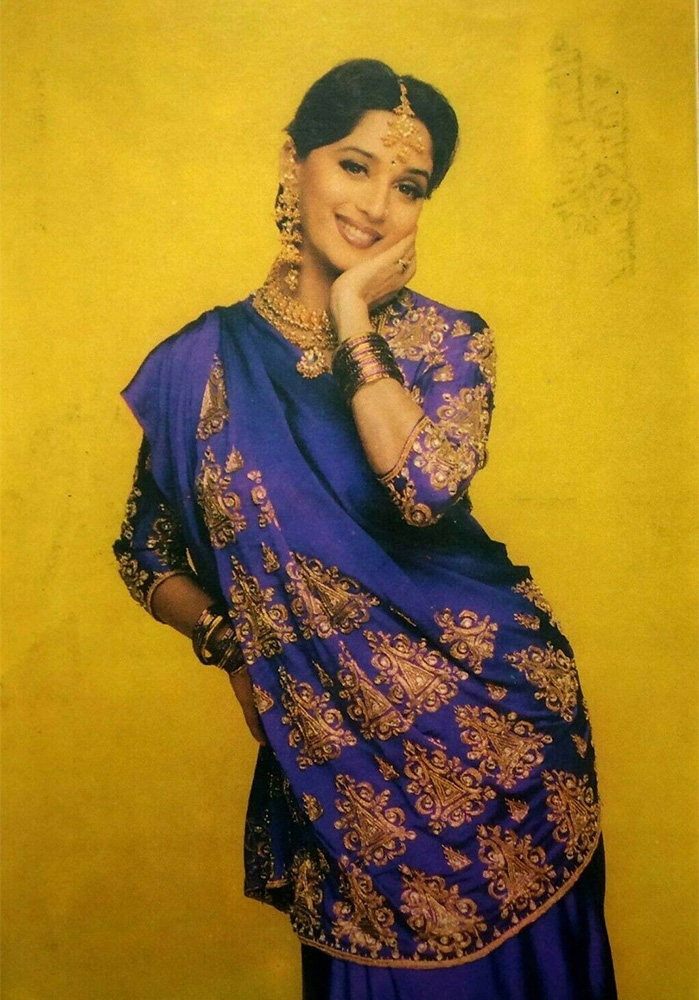
Madhuri Dixit as Nisha in Hum Aapke Hain Koun gave nineties India its definition of the perfect Indian girl next door. Think pastel salwar suits, delicate dupattas and soft florals that felt like they belonged in a wedding album rather than a movie. Her bridal looks later in the film, layered in traditional reds and golds with heavy jewellery, cemented an aesthetic that Indian wedding fashion is still borrowing from today.
2. Tina's Preppy Princess Phase (Kuch Kuch Hota Hai, 1998)
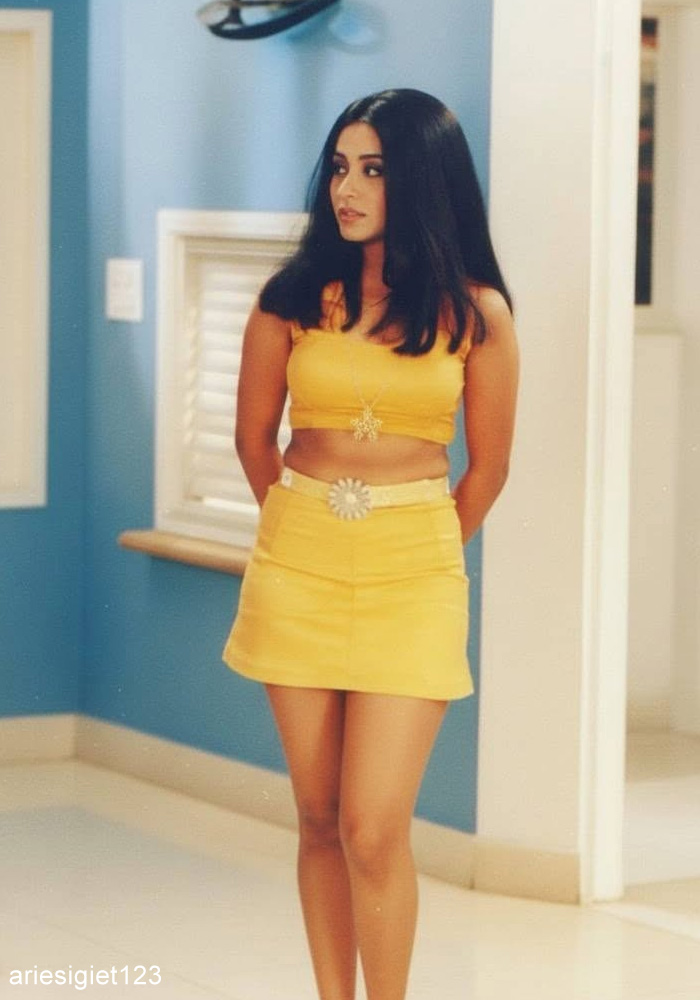
Rani Mukerjee as Tina in Kuch Kuch Hota Hai is basically the reason an entire generation associates short skirts, high ponytails and a certain kind of confident sass with college romance. Her wardrobe leaned preppy and Western in the flashback portions, all plaid skirts and bold prints, before softening into elegant sarees and suits as the story moved into adulthood and motherhood. The contrast between young Tina and grown up Tina told its own story without a single line of dialogue.
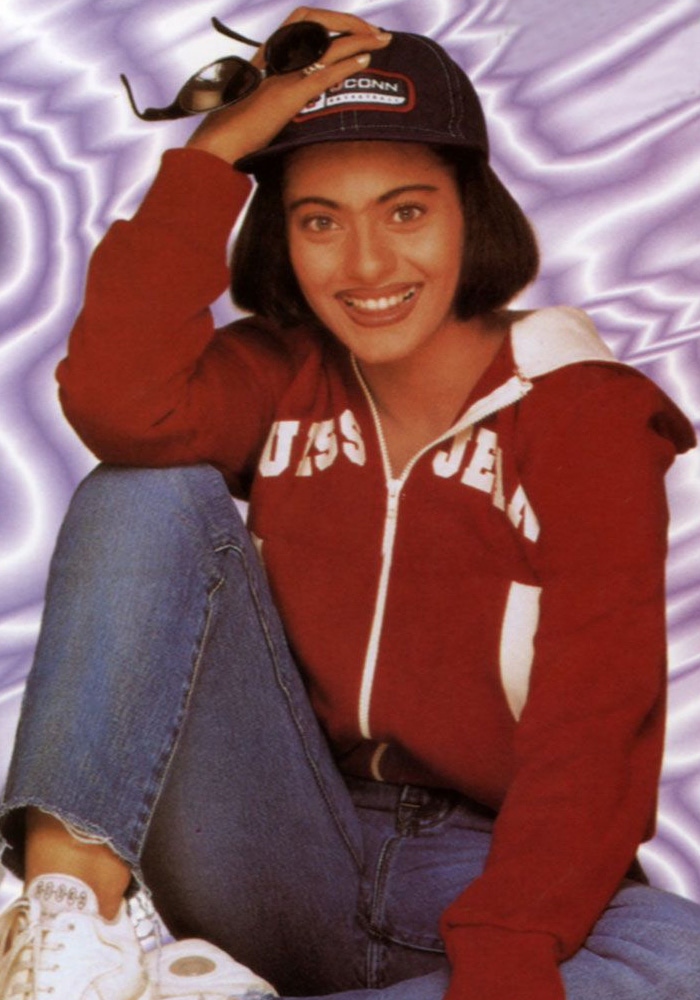
3. Anjali's Tomboy to Traditional Transformation (Kuch Kuch Hota Hai, 1998)
Kajol as Anjali in Kuch Kuch Hota Hai delivered one of the most iconic glow ups in Bollywood history. Her early scenes have her in baggy shirts, denim and a general disregard for anyone's opinion of her style. Years later, she returns in flowing chiffon sarees and softer, more traditionally feminine silhouettes, and the transformation became such a cultural touchstone that "chiffon saree entrance" is basically its own genre of Bollywood moment now.
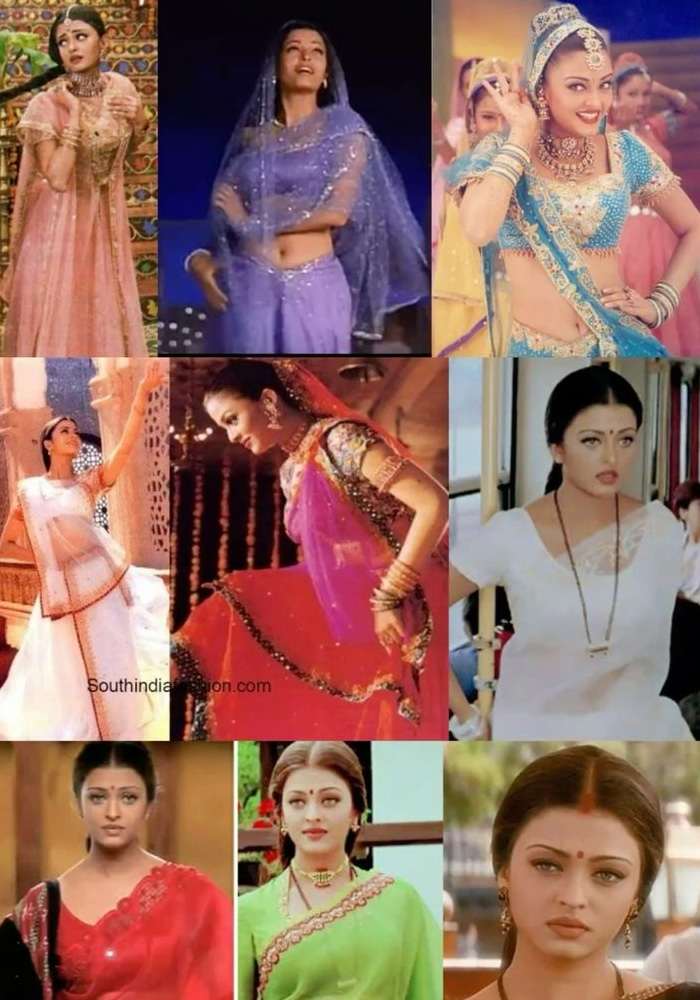
4. Nandini's Rajasthani Romance (Hum Dil De Chuke Sanam, 1999)
Aishwarya Rai as Nandini gave Rajasthani textiles a whole new fan base. Her ghagra cholis in jewel tones, heavy with mirror work and embroidery, felt like walking artwork. As her story shifts from youthful romance to marital duty, the colours deepen and the silhouettes grow more structured, marking her transition from a carefree girl to a woman bound by choices.
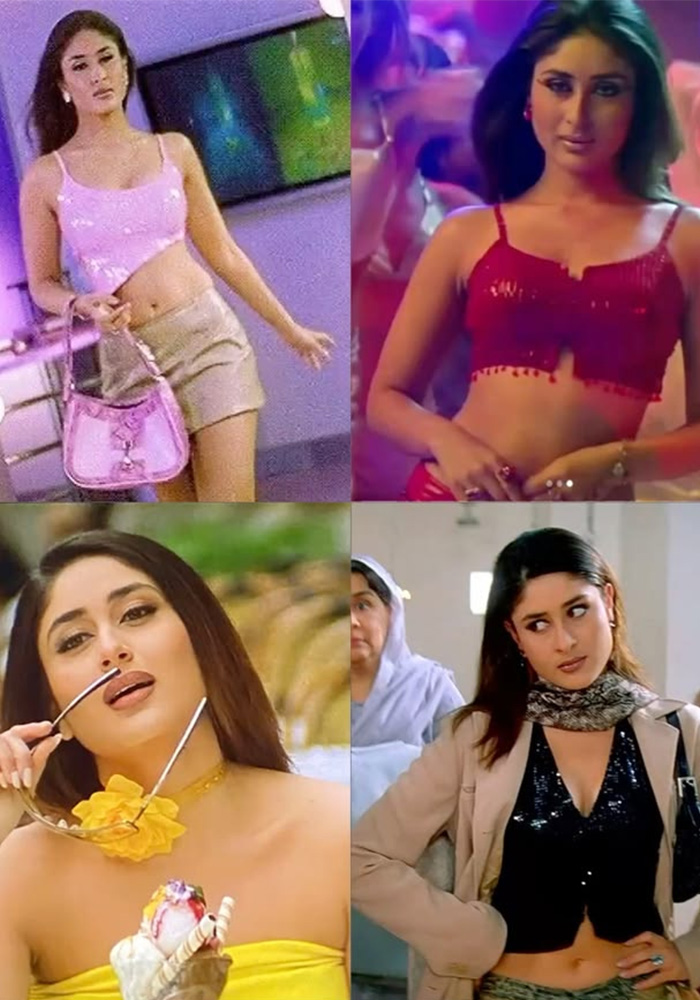
5. Poo's Maximalist Fabulousness (Kabhi Khushi Kabhi Gham, 2001)
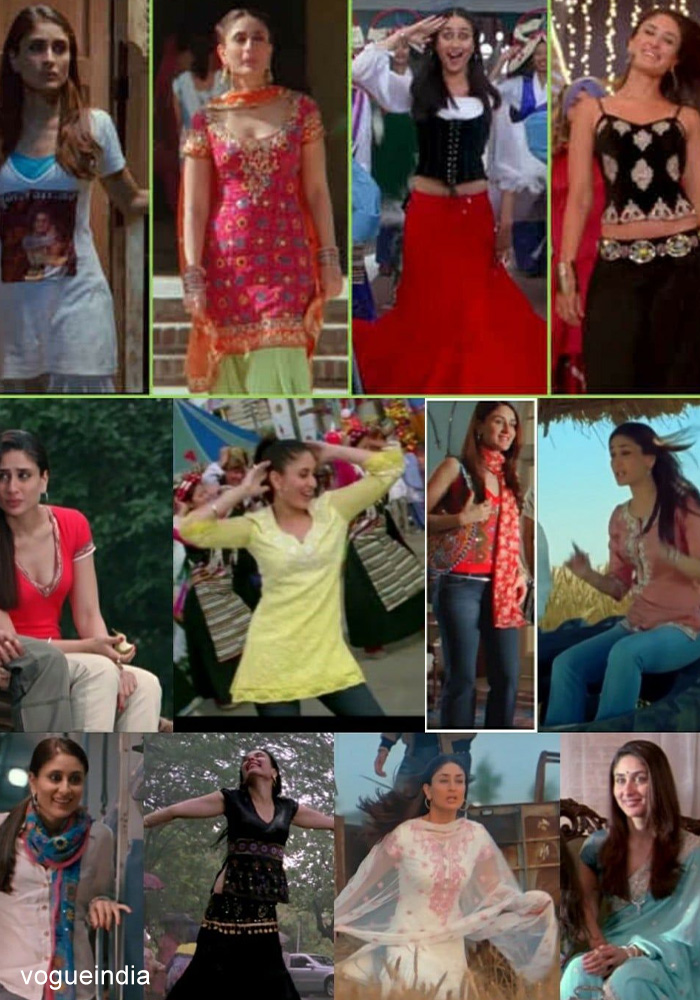
Kareena Kapoor as Poo redefined maximalism for an entire generation. Sequins, feathers, bold prints and an unapologetic love for accessories made every single Poo entrance an event. Her wardrobe was loud, joyful and completely unbothered, which is exactly why it is still being recreated for parties and costume nights today.
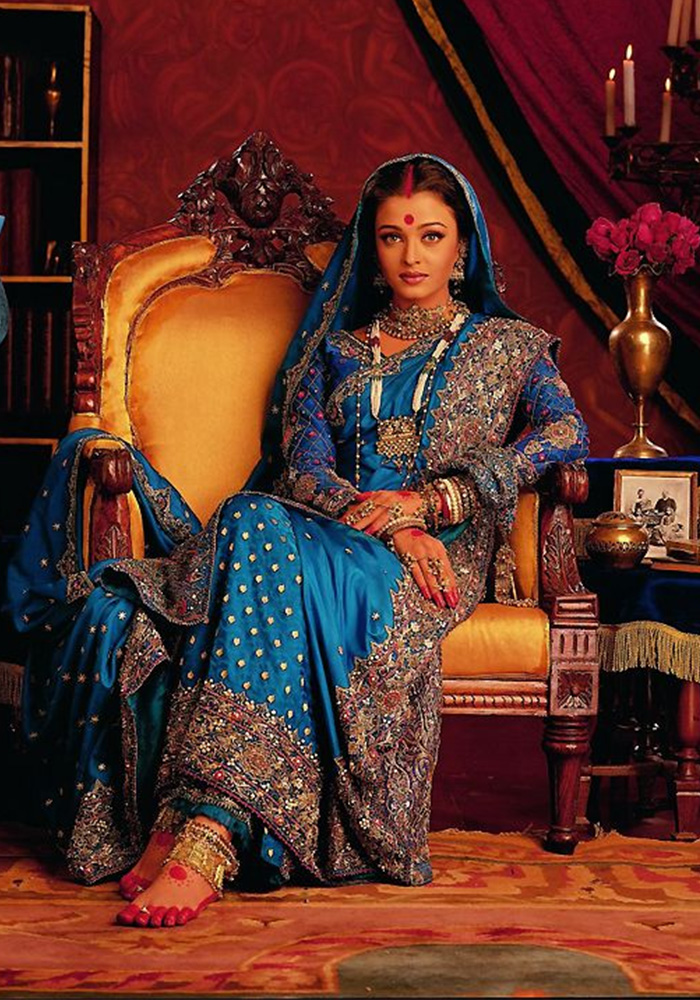
6. Paro's Timeless Bengali Elegance (Devdas, 2002)
Aishwarya Rai as Paro remains one of the most referenced looks in Bollywood costume history. Her Bengali sarees, heavy gold jewellery and that signature side parted hairstyle turned traditional bridal aesthetics into pure cinema. Every drape felt deliberate, every piece of jewellery placed like it belonged in a painting rather than a film set.
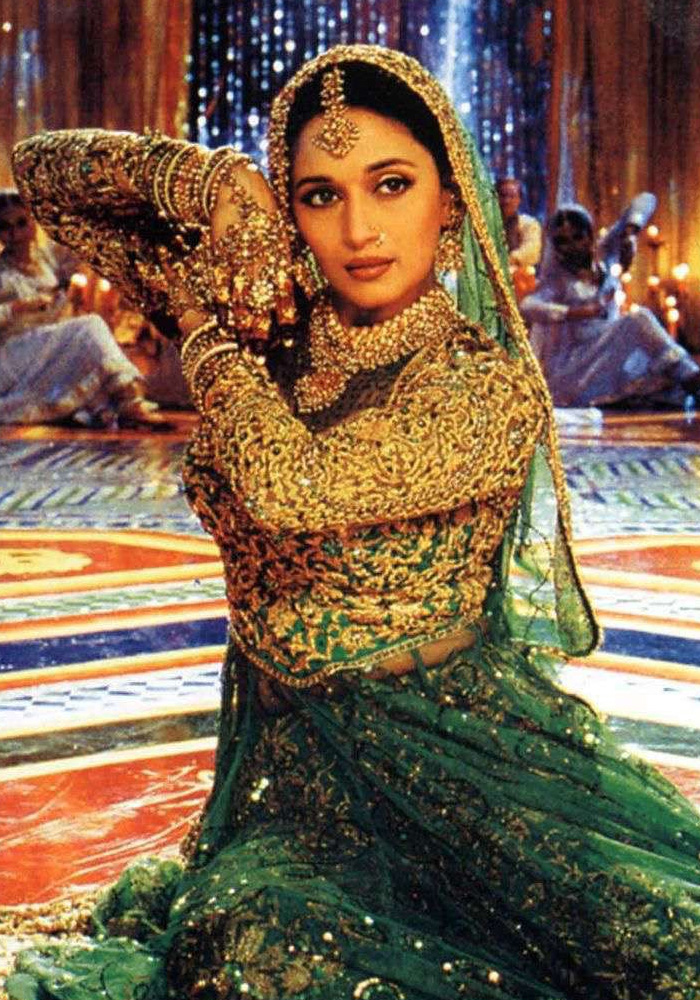
7. Chandramukhi's Dramatic Grandeur (Devdas, 2002)
Madhuri Dixit as Chandramukhi gave us the opposite energy entirely. Dripping in jewels, dressed in rich anarkalis and courtesan inspired ensembles, her looks were built for spectacle. The famous dance sequences saw her in layered ghagras with elaborate embroidery, each outfit engineered to command a room the second she walked into it.
8. Chandni's Effortless Cool Girl Energy (Main Hoon Na, 2004)
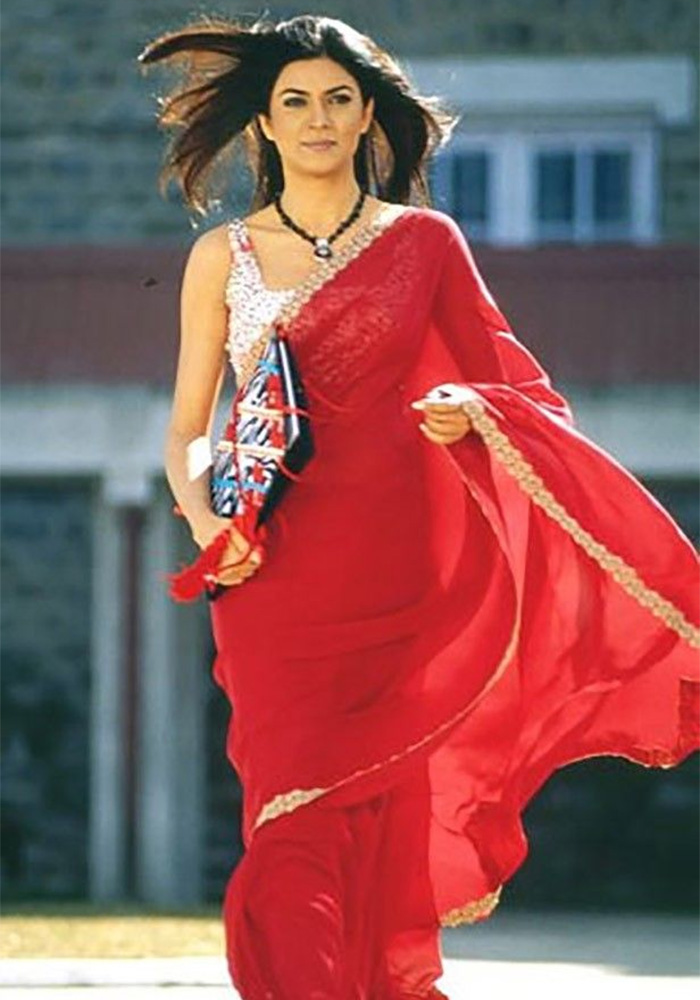
Sushmita Sen as Chandni brought an effortless, slightly rebellious energy to the college professor archetype. Her looks moved between crisp saris for the classroom and breezy, contemporary separates outside it, always with that unmistakable Sushmita confidence. She made intellect look like the most stylish thing a woman could wear.
10. Babli's Small Town Swagger Turned Big City Glam (Bunty Aur Babli, 2005)
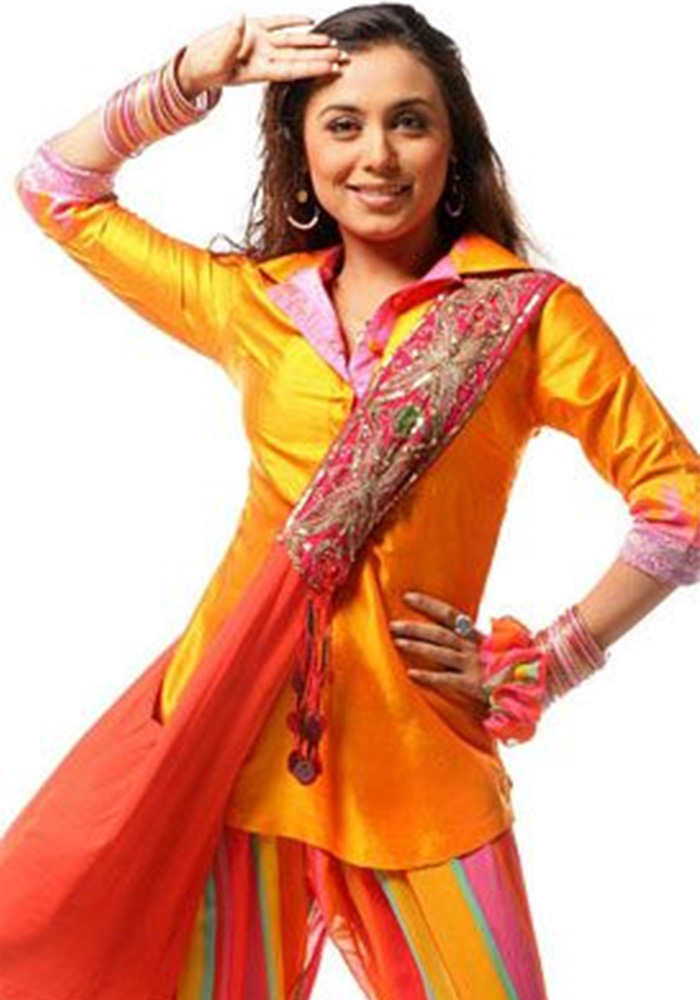
Rani Mukerji as Babli gave small town ambition a wardrobe of its own. Early on, she is dressed in printed kurtas and simple salwar suits that scream Bareilly dreams stuck in a Bareilly reality. As Babli transforms into a con artist chasing a bigger life, the clothes shift too, moving into structured western wear and statement sunglasses. Her look became shorthand for the girl who refuses to stay small.
11. Geet's Punjabi Kudi Energy (Jab We Met, 2007)
Kareena Kapoor as Geet turned bright colours into a personality trait. Her salwar suits in reds, yellows and greens, paired with jhumkas and a permanent spark in her eyes, gave Bollywood one of its most beloved manic pixie dream girls. Later in the film, as Geet's story takes a quieter turn, her clothes mellow into softer tones, mirroring her emotional arc without losing her essential warmth.
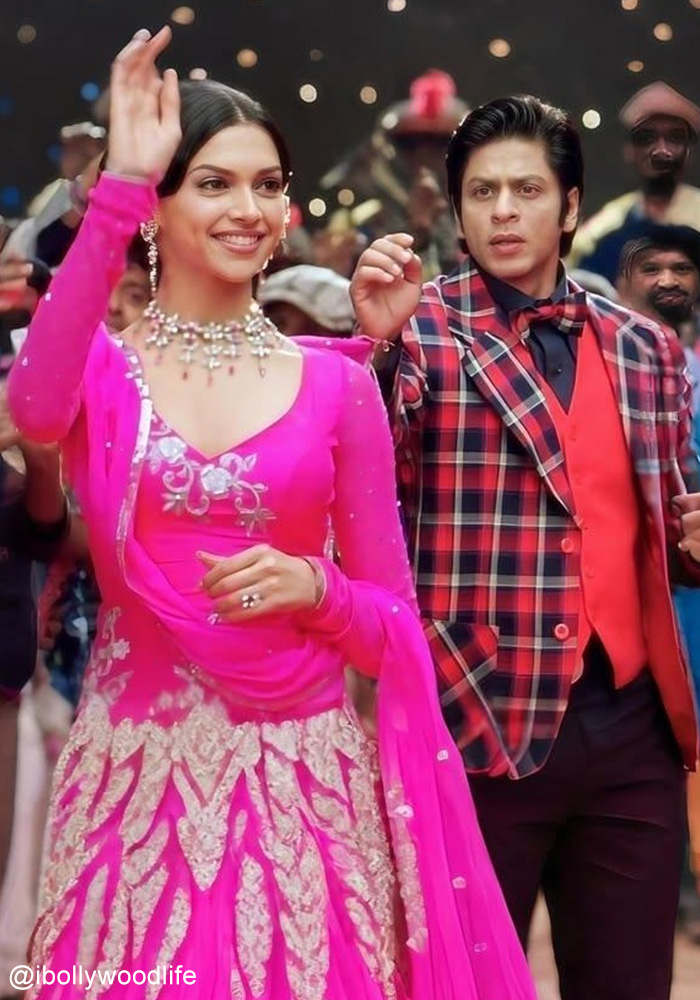
12. Shantipriya's Retro Diva Moment (Om Shanti Om, 2007)
Deepika Padukone as Shantipriya brought seventies Bollywood glamour roaring back. Her chiffon sarees, bouffant hairstyles and dramatic sunglasses were a loving, campy tribute to a bygone era of Hindi cinema style. The look was so specific and so fun that it single handedly brought retro Bollywood dressing back into fashion conversations decades later.
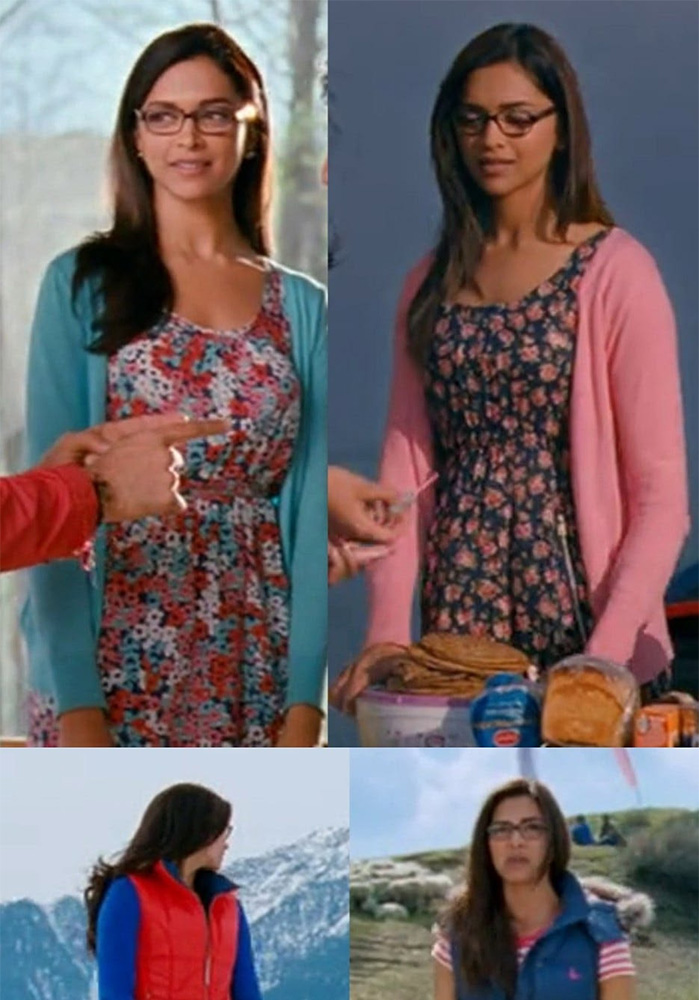
13. Naina's Glow Up Arc (Yeh Jawani Hai Deewani, 2013)
Deepika Padukone as Naina gave us one of Bollywood's most satisfying style transformations. She starts in oversized glasses, loose kurtas and an overall bookish vibe, then blossoms into a woman in flowing dresses and effortlessly chic separates by the film's end. Her wardrobe arc is basically a masterclass in how clothes can visually narrate a coming into your own story.
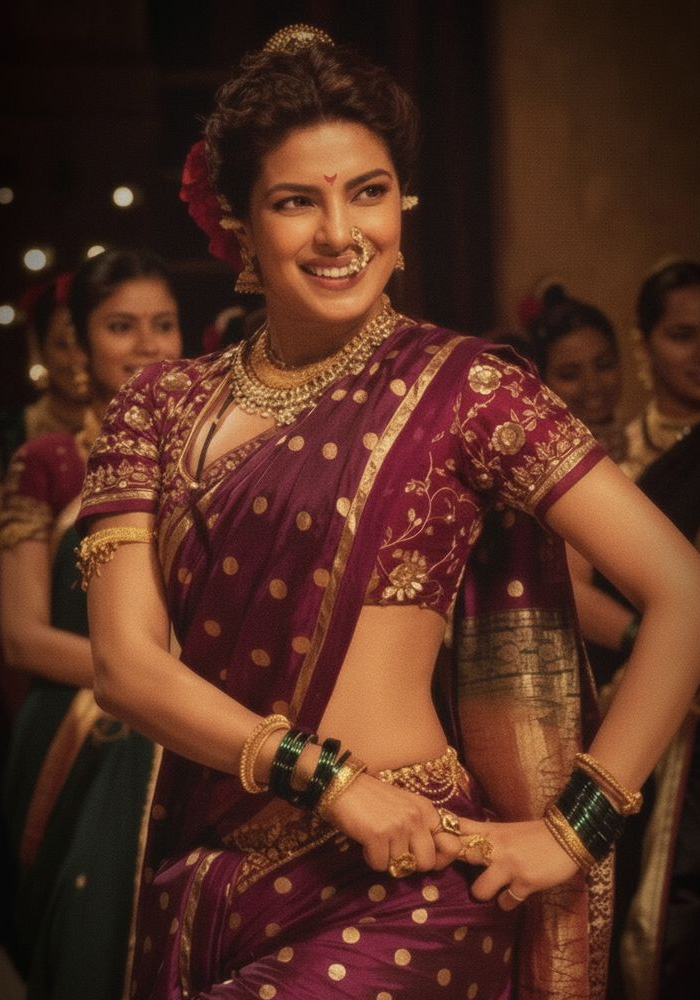
13. Kashibai's Regal Restraint (Bajirao Mastani, 2015)
Priyanka Chopra as Kashibai wore her royalty with quiet dignity. Her looks stayed rooted in traditional Maharashtrian nauvari sarees and rich Peshwa era jewellery, all deep colours and understated elegance. Where other characters in the film leaned dramatic, Kashibai's wardrobe spoke through restraint, making her presence felt without ever competing for attention.
14. Padmavati's Warrior Queen Wardrobe (Padmaavat, 2018)
Deepika Padukone as Padmavati took royal dressing to an almost architectural level. Her costumes combined heavy Rajputi jewellery, structured cholis and elaborate ghagras in deep jewel tones, designed to make her look every bit the warrior queen the story demanded. Even her simplest looks in the film carried an unmistakable air of command.
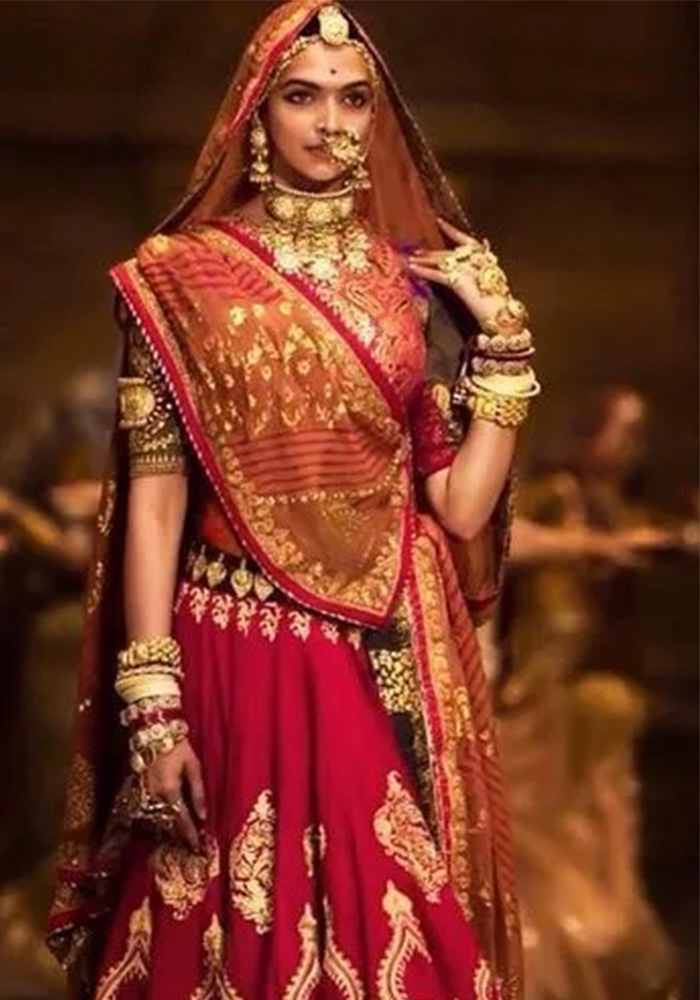
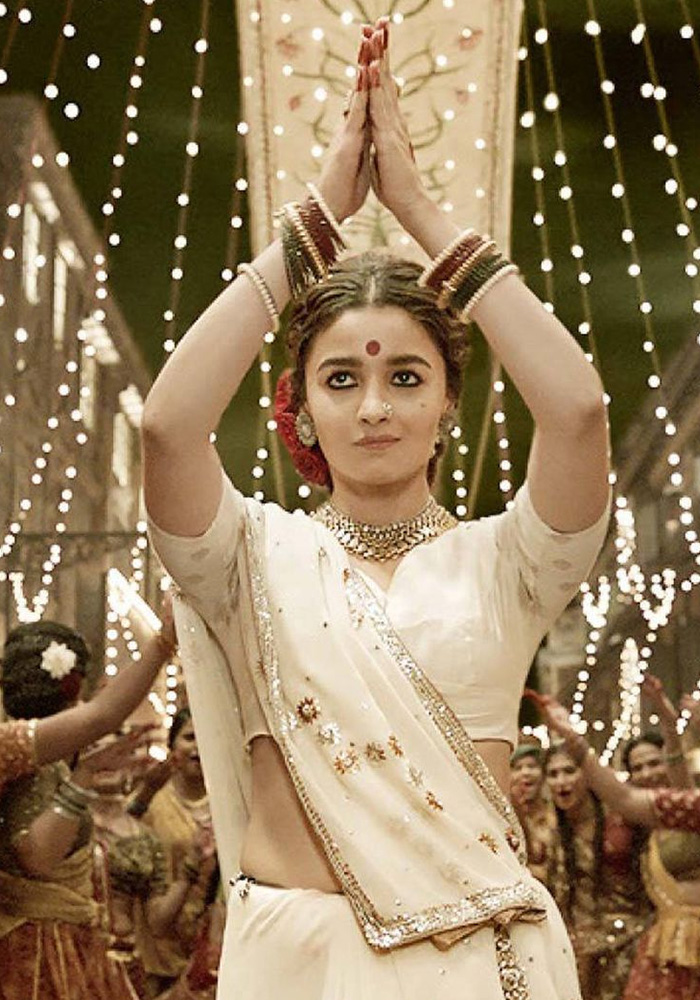
15. Gangubai's Power Dressing, Desi Style (Gangubai Kathiawadi, 2022)
Alia Bhatt as Gangubai proved that power dressing does not need a blazer. Her crisp white sarees, worn with sunglasses and a cigarette in hand, became an entire aesthetic movement online. As her character's influence grows through the film, her sarees shift into richer textures and bolder colours, tracking her rise from a girl with no power to a woman who commands a whole neighbourhood.
Fifteen characters, fifteen completely different fashion languages, and yet each one managed to become instantly recognisable through costume alone. That is the real power of Bollywood styling. It does not just dress a character. It builds one.