Tassels are having a major moment in Indian fashion, and it's far more than a fleeting trend. This playful, whimsical detail, deeply rooted in cultural history, is being reimagined by some of the country's most celebrated luxury designers. From the subtle sway on a dupatta to a dramatic flourish on a lehenga, tassels are adding movement, texture, and a touch of bohemian glamour to modern occasion wear. We're diving into how eight visionary designers are proving that the tassel is here to stay.
This post will explore the designers leading the charge, the cultural importance of tassels in Indian attire, and why this classic embellishment is capturing the hearts of today's fashion enthusiasts.
The Cultural Swing of the Tassel
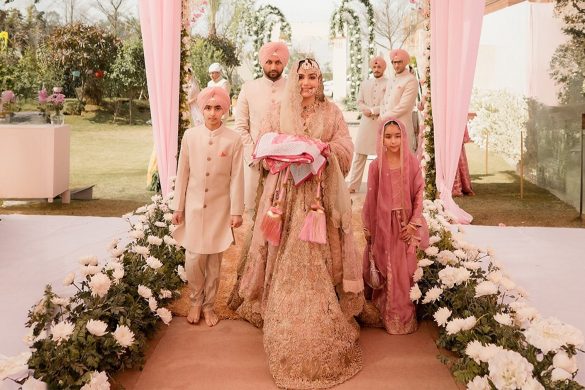
Before becoming a runway staple, tassels, or latkans, held significant cultural meaning in India. They were more than just decorative additions; they were seen as charms to ward off evil spirits, often found on everything from a bride's attire to a child's cradle. These intricate bunches of thread were traditionally handmade, adding a personal and auspicious touch to garments and accessories. Today, designers are honoring this heritage while pushing the boundaries of what a tassel can be.
Designers Obsessed With Tassels Right Now
Let's look at the creative minds who are making tassels the must-have detail of the season.
Torani
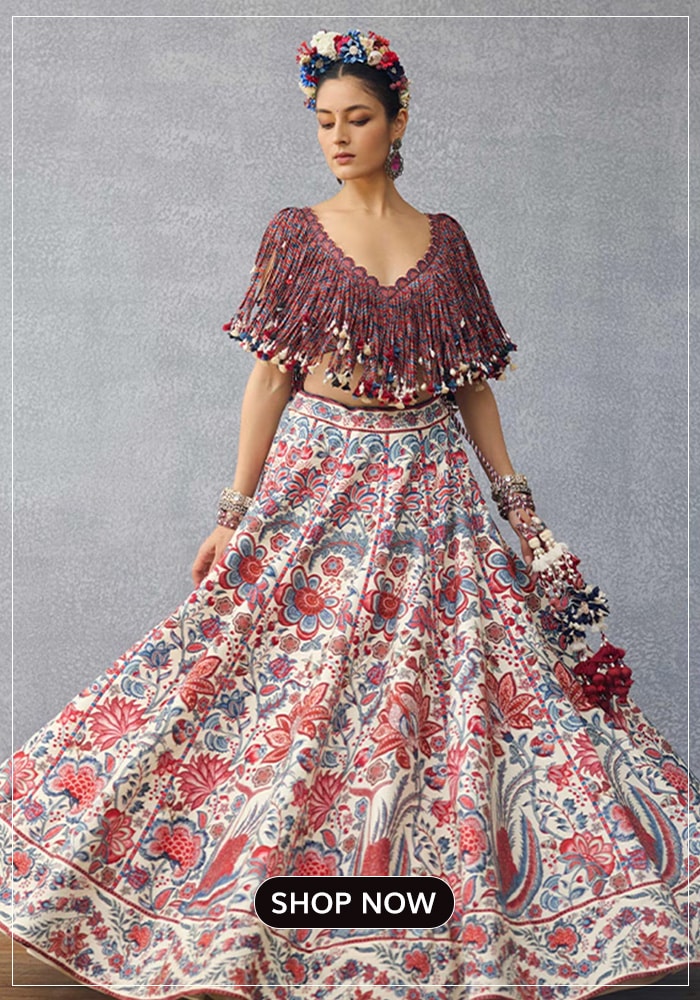
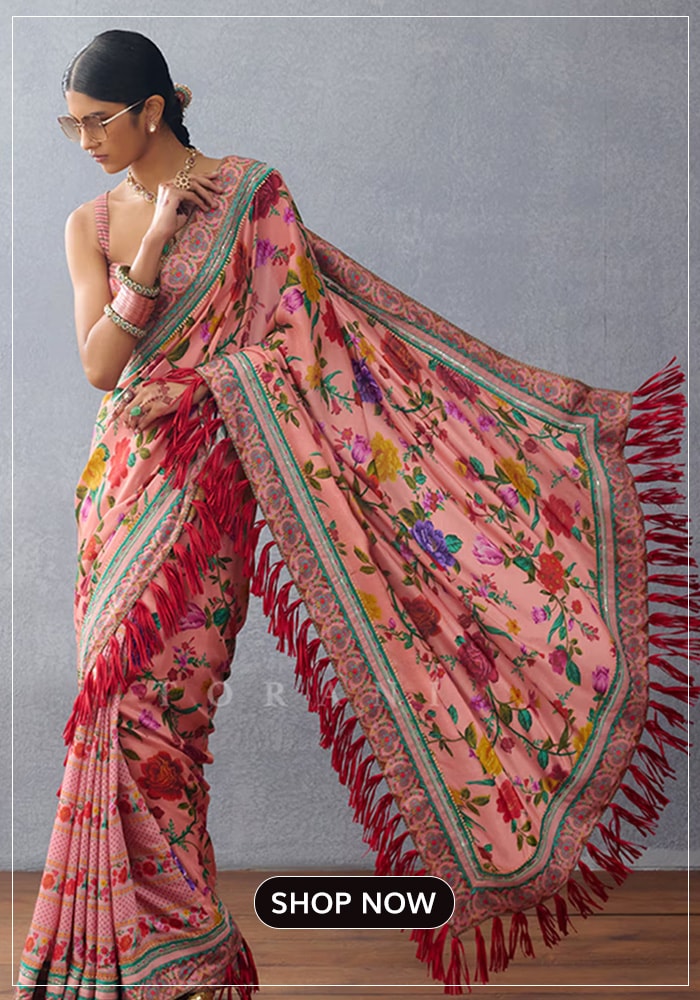
Karan Torani’s eponymous label is a masterclass in nostalgic storytelling. His designs often feel like they’ve been plucked from a vintage trunk, and his use of tassels is no exception. Torani incorporates dense, multi-layered tassels that add a regal weight and an old-world charm to his creations. You’ll find them cascading down the backs of blouses, finishing the drawstrings of lehengas, and adding a flourish to his signature potli bags. For Torani, tassels are not an afterthought; they are a core element that enhances the narrative of heritage and timeless elegance.
Arpita Mehta
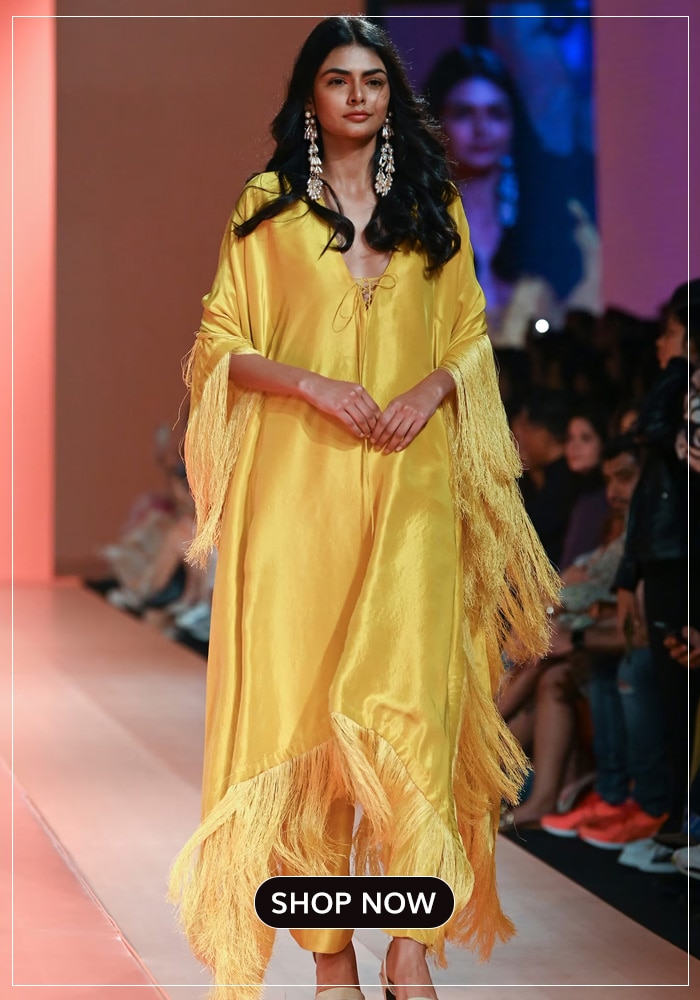
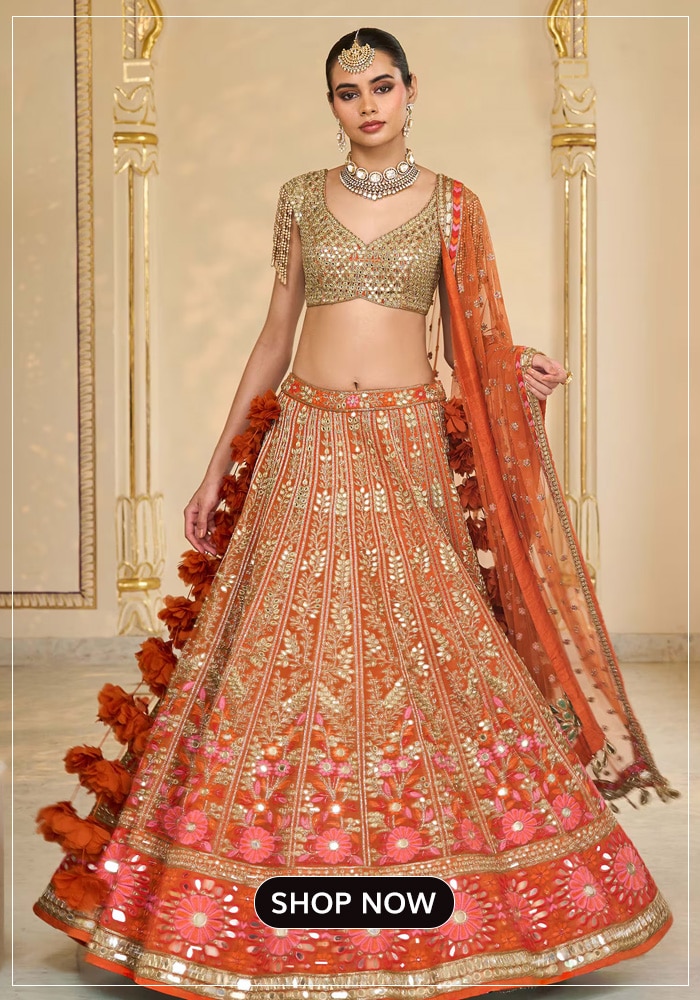
Known for her effortlessly glamorous and modern aesthetic, Arpita Mehta uses tassels to inject a dose of fun and flair into her designs. Her signature mirror-work outfits are often complemented by one-of-a-kind tassel detailing, creating a look that is perfect for a destination wedding. Mehta’s tassels are light, airy, and often found on blouses and jacket hemlines, adding a playful movement that catches the light and the eye. It's a fresh, contemporary take that feels both luxurious and free-spirited.
Punit Balana
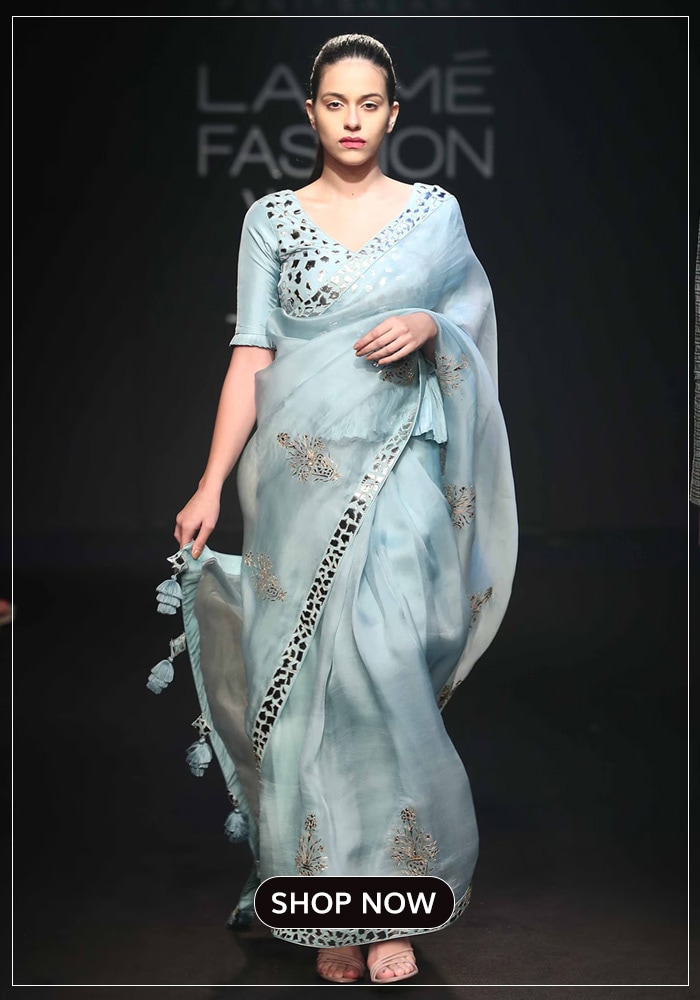
Punit Balana’s designs are a celebration of Rajasthani craftsmanship, and his use of tassels pays direct homage to the region's vibrant culture. Balana often employs oversized, elaborate tassels in contrasting colors, making them a focal point of the outfit. These aren't just small details; they are statement pieces that bring drama and authenticity to his block-printed lehengas and bandhani sarees. His work shows how tassels can be bold and central to the design, not just a finishing touch.
Gopi Vaid
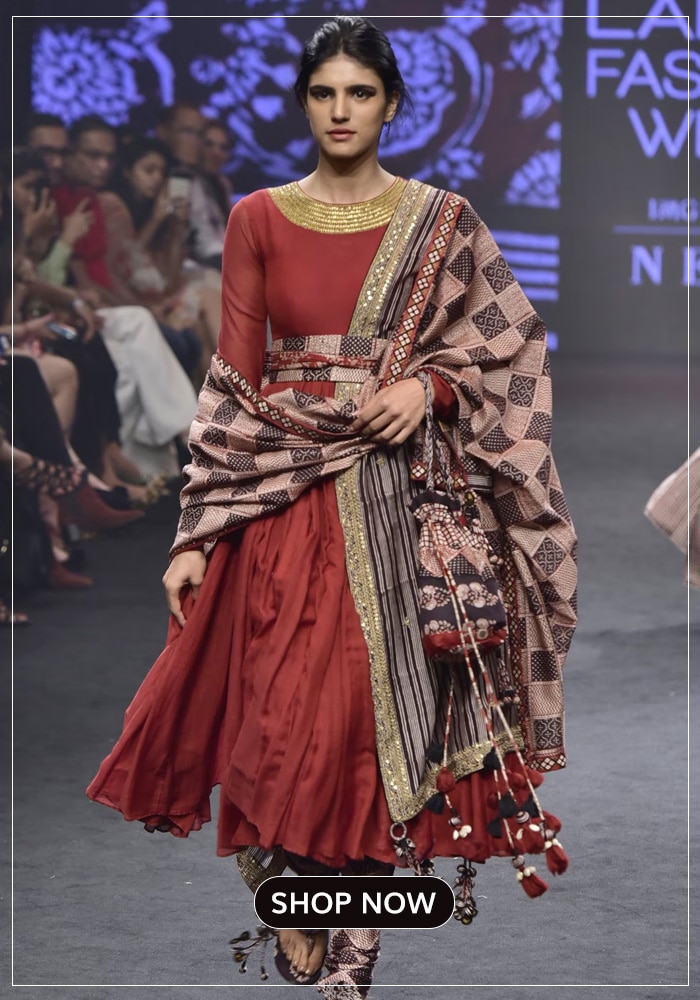
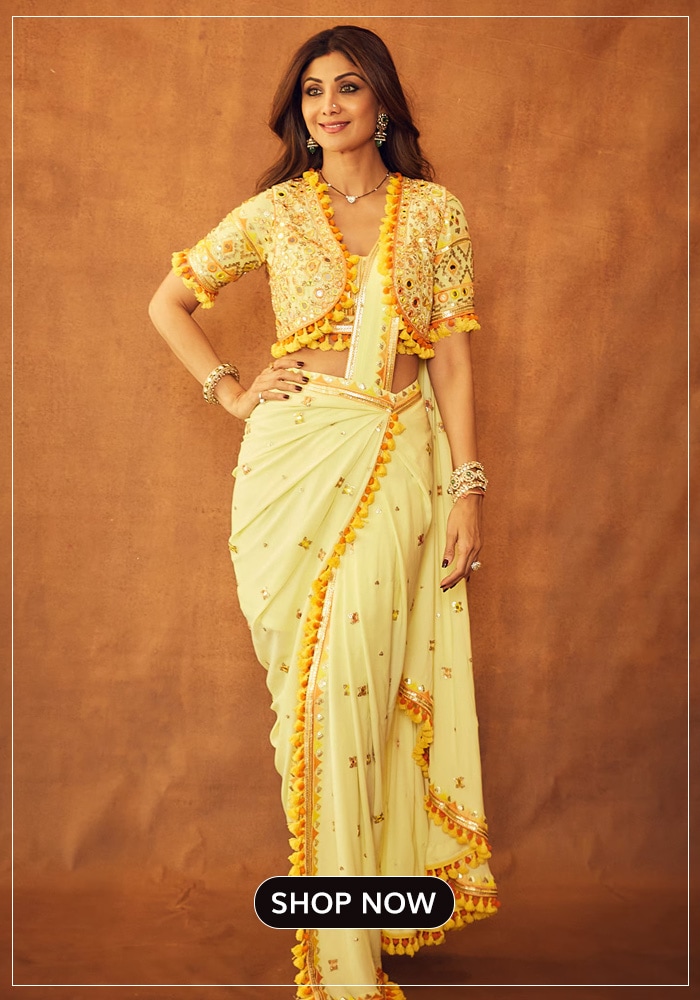
The design duo Gopi Vaid and Arnaz Soonawalla are synonymous with vibrant, joyful fashion. Their collections are a riot of color, and tassels are a key ingredient in their recipe for festive style. Gopi Vaid uses clusters of colorful thread tassels to create texture and a sense of celebration. You'll see them adorning necklines, sleeves, and hemlines, often paired with gota patti and mirror work. Their use of tassels feels energetic and exuberant, perfectly capturing the spirit of Indian festivities.
Sanya Gulati
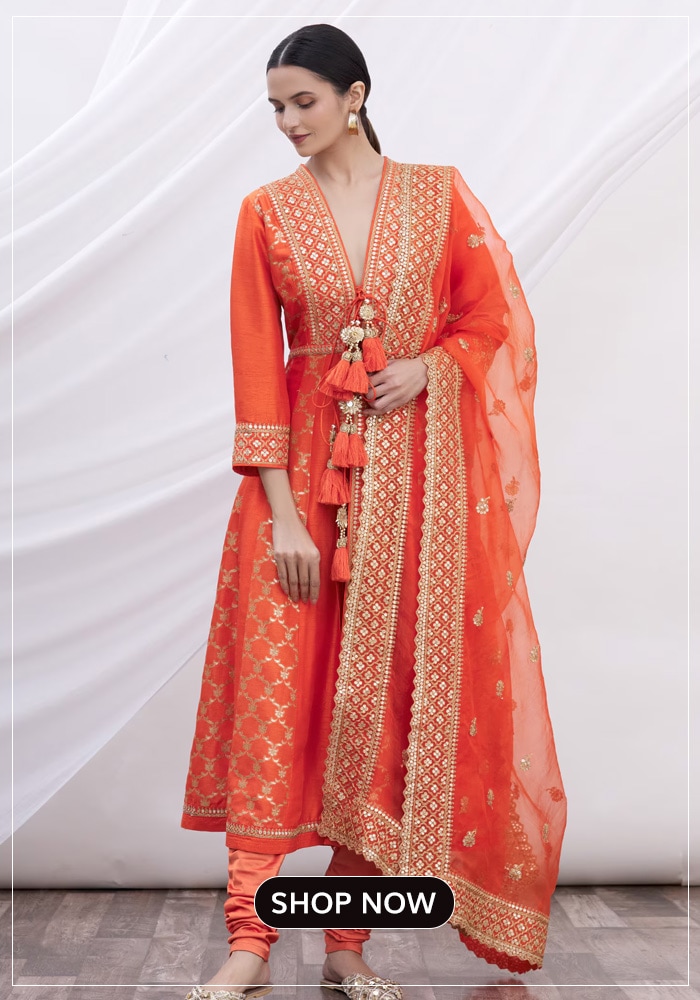
For Sanya Gulati, tassels are a vehicle for modern femininity. Her designs often feature delicate, beaded tassels that add a subtle sparkle and sophistication. Rather than large, traditional latkans, Gulati might use a string of tiny tassels to create a fringe-like effect on a sleeve or the border of a dupatta. This refined approach makes her pieces versatile, allowing them to be styled for both grand events and more intimate gatherings.
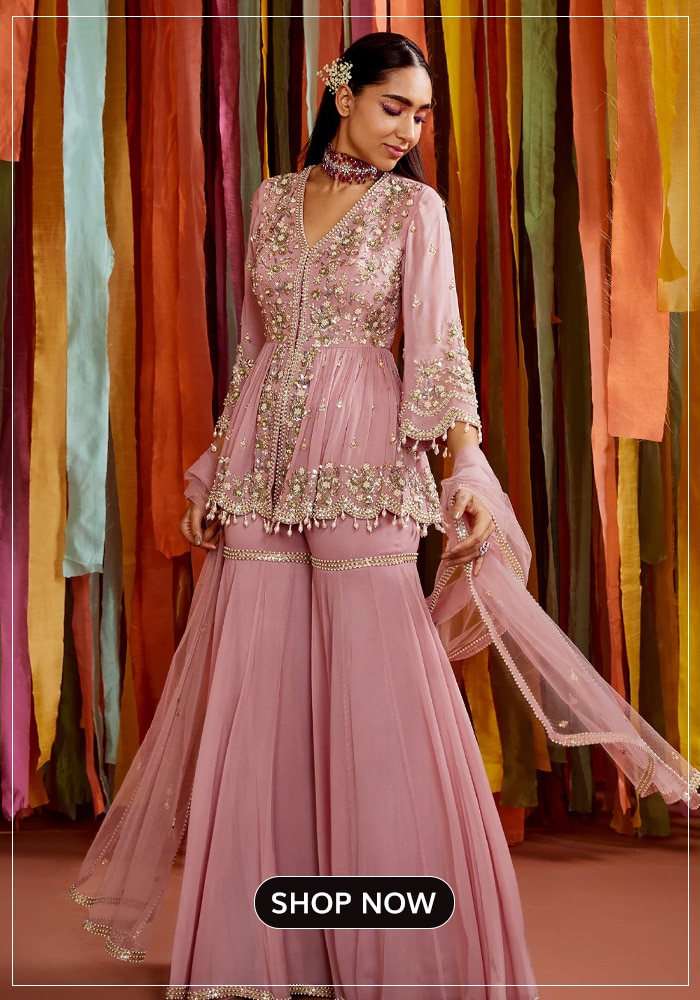
Arpita Sulakshana
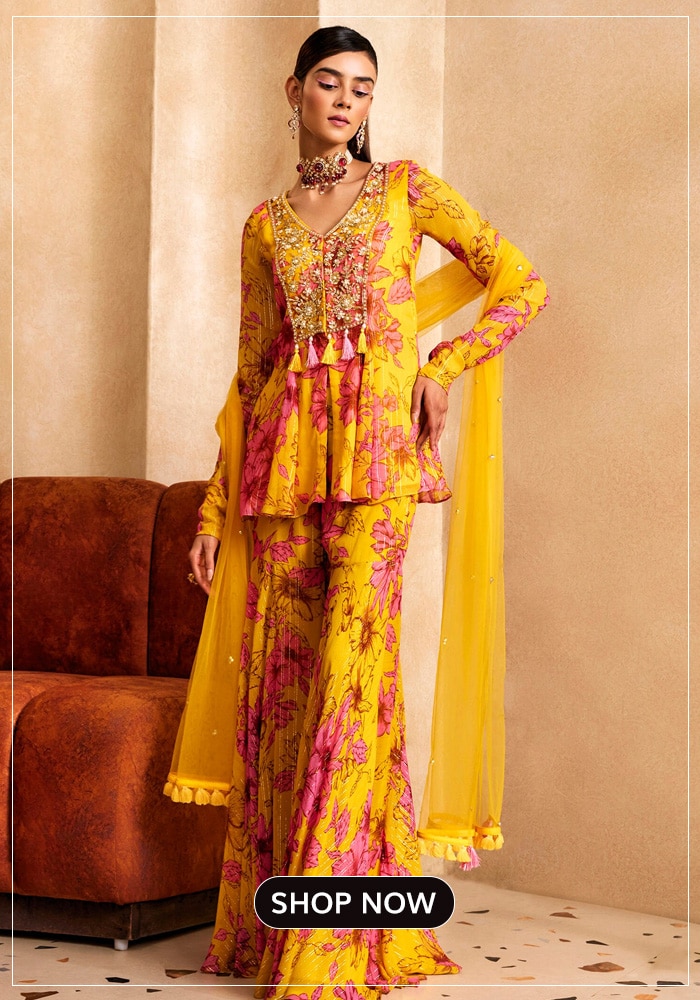
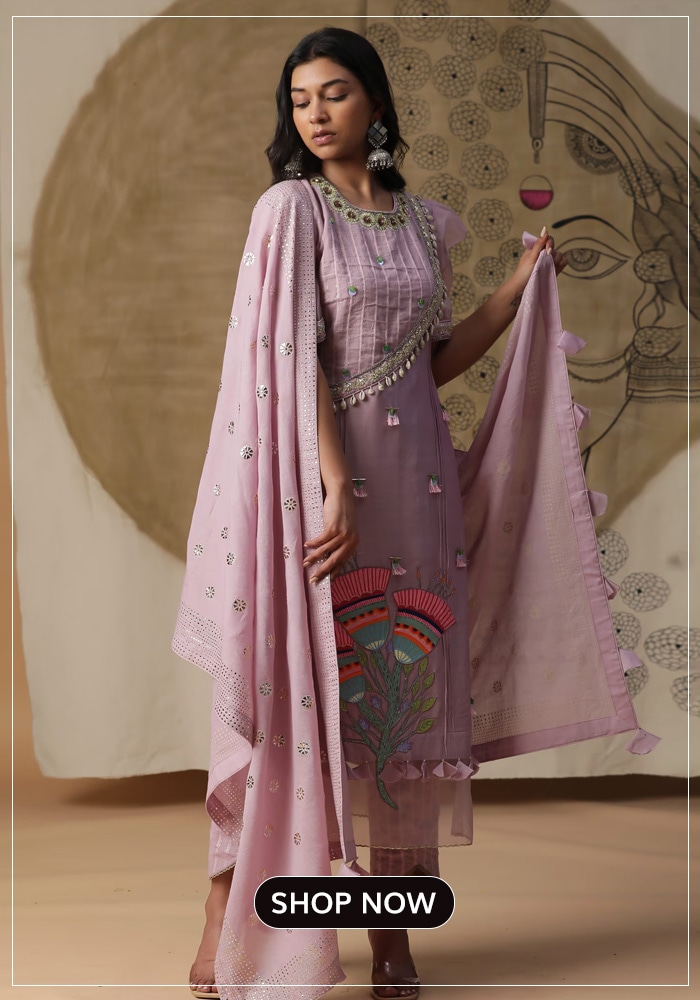
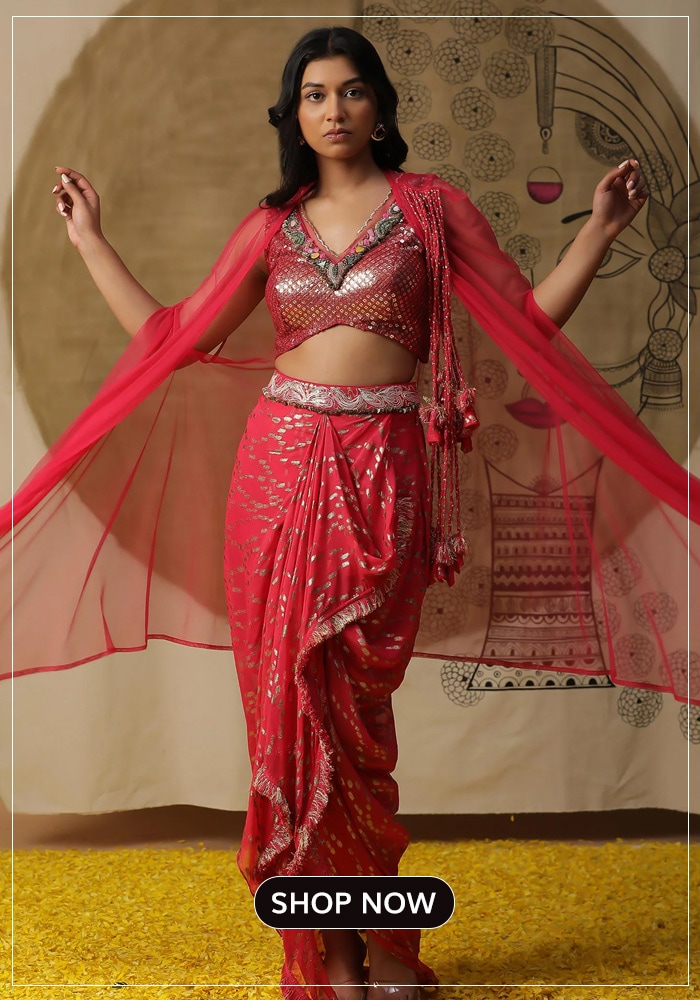
Arpita Sulakshana brings a high-fashion, architectural quality to Indian wear, and her tassels follow suit. The label is known for its dramatic and unique tassel placements that create incredible movement and a powerful silhouette. These are not your average latkans; they are elongated, sleek, and often made from the same luxurious fabric as the garment itself. Used on capes, gowns, and sarees, these tassels add a couture-level element of drama and fluidity.
Payal Singhal
Payal Singhal has long been a trailblazer in contemporary Indian fashion, and she was one of the first to champion the modern tassel. Her designs fuse Indian sensibilities with a global, bohemian vibe. Singhal's signature tassels are often incorporated into backless blouse designs, creating a stunning focal point. She uses everything from thread and wool to beads and mirrors, proving the versatility of this embellishment. Her work has made the statement tassel-back blouse a modern wardrobe essential.
Nabo
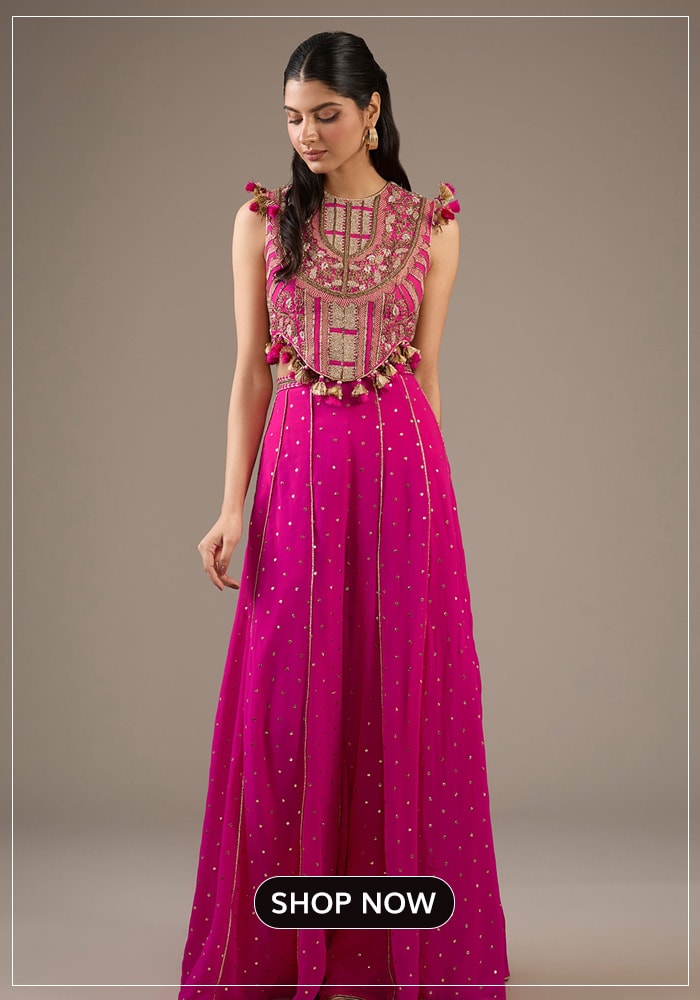
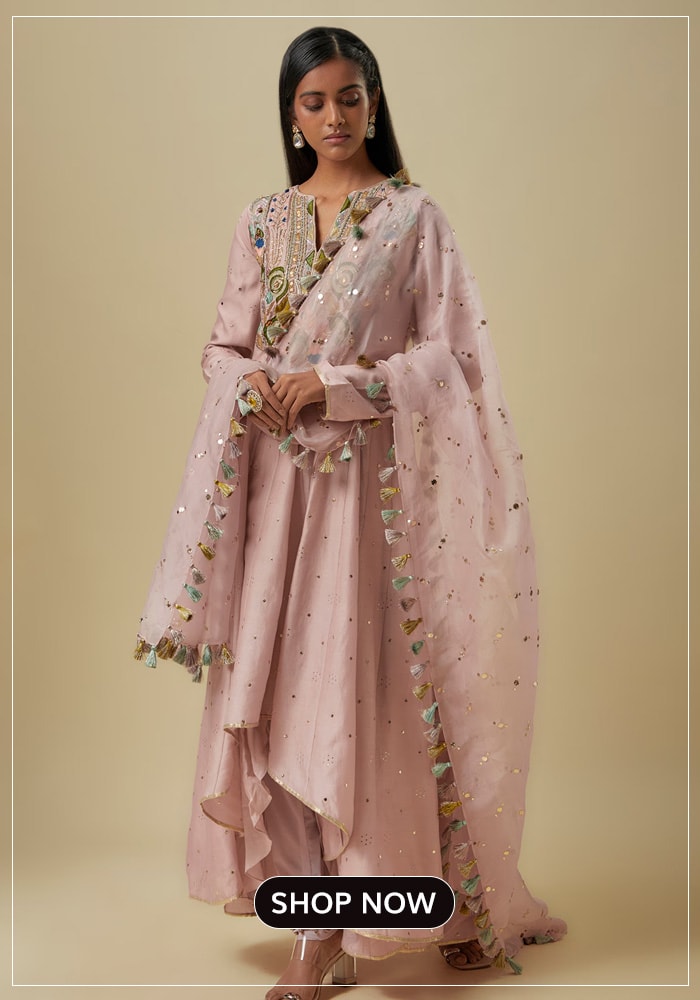
As a brand focused on reviving and celebrating artisanal crafts, Nabo uses tassels as an extension of its storytelling. Their approach is organic and deeply connected to traditional techniques. Nabo’s tassels often feature unique, handcrafted elements like wooden beads or intricate knotting, reflecting a commitment to authentic craftsmanship. Their designs show how tassels can be both rustic and refined, adding a touch of earthy elegance to handwoven textiles.
The Modern Appeal
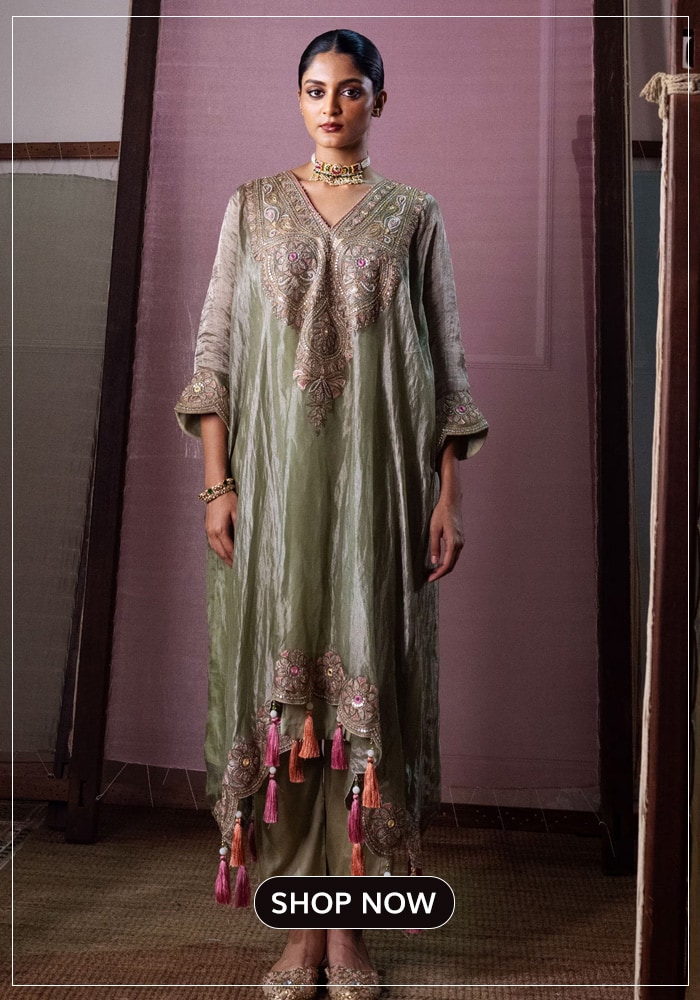
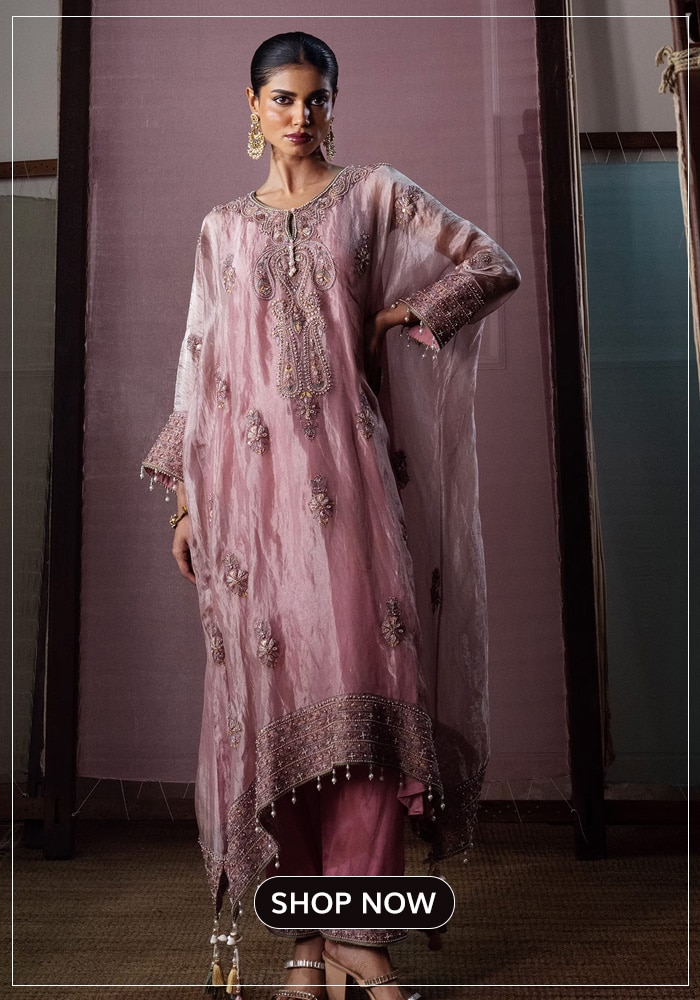
Why is this trend resonating so strongly now? The tassel's appeal lies in its versatility. It can be bohemian, regal, playful, or dramatic, depending on its execution. For the modern consumer, it adds a personalized, custom feel to an outfit. The movement and sound of tassels create a sensory experience, making the wearer feel more connected to their attire. In a world of fast fashion, these thoughtful, handcrafted details represent a return to slower, more meaningful design.
The tassel is more than just a decorative flourish; it's a symbol of Indian fashion's ability to evolve while honoring its roots. Designers like Torani, Arpita Mehta, and Punit Balana are not just adding tassels to their clothes; they are weaving stories of heritage, celebration, and modern style. The next time you see a tassel swinging on a lehenga or a blouse, you'll know it’s part of a larger movement—a tassel takeover that is all about adding a little extra swing to our steps.