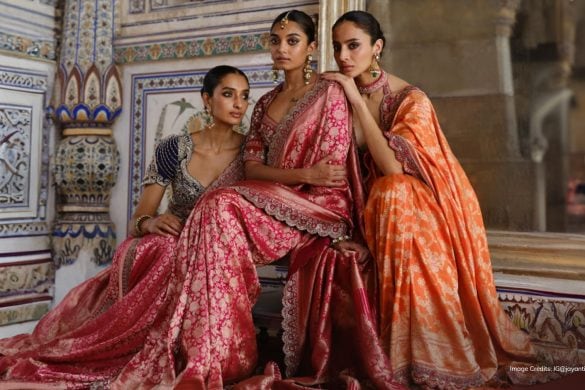
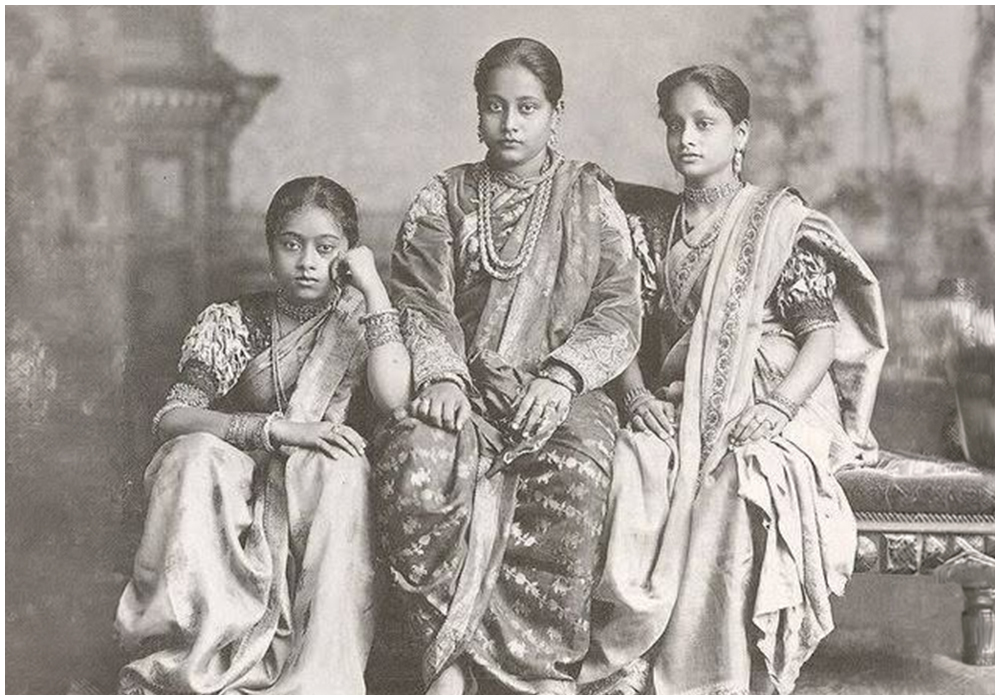
Long before haute couture existed, Bengal had Jamdani. A muslin so fine that Mughal emperors called it woven air, and European traders sailed half the world to bring it home.
For centuries, the loom towns of Bengal such as Dhaka, Phulia, Shantipur, Fulia, hummed with the sound of wooden shuttles dancing across cotton warp threads. The Jamdani technique, classified by UNESCO as an Intangible Cultural Heritage of Humanity, involves a laborious supplementary weft method: each tiny motif is individually inserted by hand, a process so painstaking that a single six-yard saree can take weeks, even years, to complete.
Read More: https://www.azafashions.com/blog/jamdani-the-art-of-woven-air/
Then came industrialisation, synthetic fabrics, fast fashion. And for a few decades, Jamdani receded to the background, preserved more by memory than by market. But something is changing. In parlours and on red carpets, at global summits and Insta feeds, Jamdani is having a spectacular moment. India is falling in love with its own heritage and Jamdani is at the very centre of that romance.
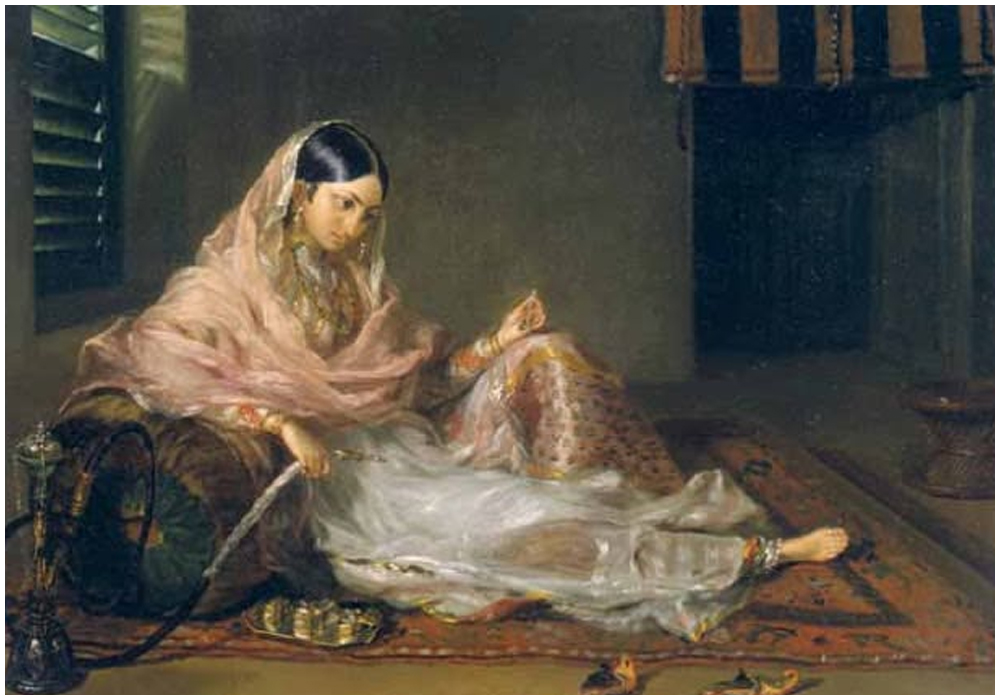
Nita Ambani at the TIME 100 Summit
When Nita Ambani walked into the TIME 100 Summit in New York, the world watched — and what she wore became the story. The Reliance Foundation Chairperson chose not silk, not brocade, not a jewel-encrusted lehenga, but a Jamdani saree. And not just any Jamdani.
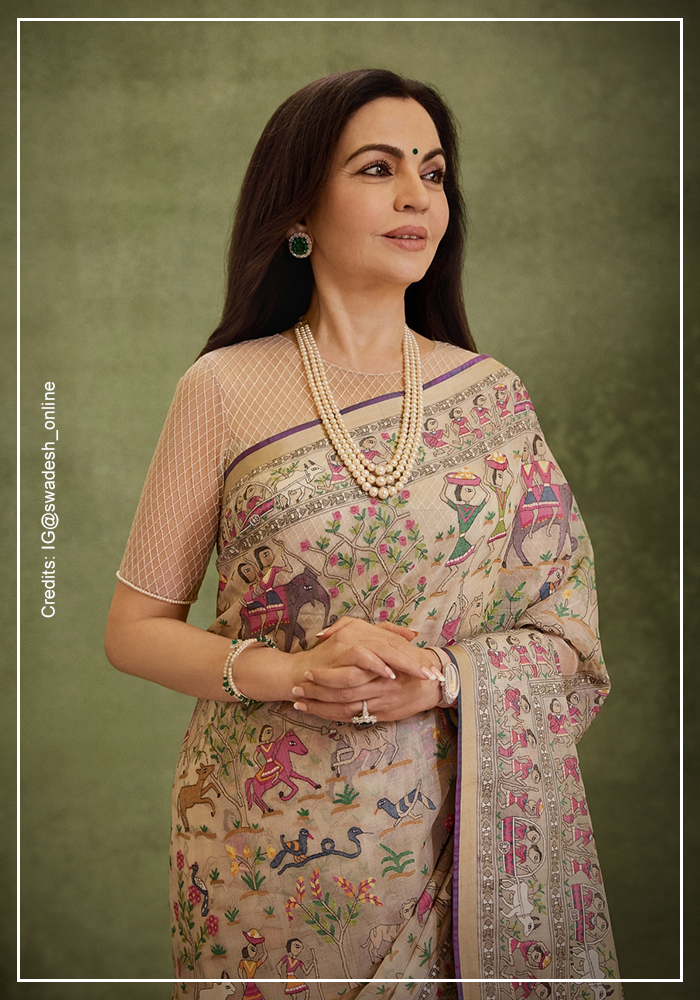
The Saree
The masterpiece she draped was woven over two extraordinary years by Padma Shri awardee Biren Kumar Basak in Phulia, West Bengal, one of India's most celebrated Jamdani masters. The cream-hued six-yard canvas is an extraordinary distillation of Bengal's textile soul.
Intricate meenakari work brings together tribal motifs, figurative storytelling, and auspicious fish-border patterns — each element woven with a precision that defies the limits of thread
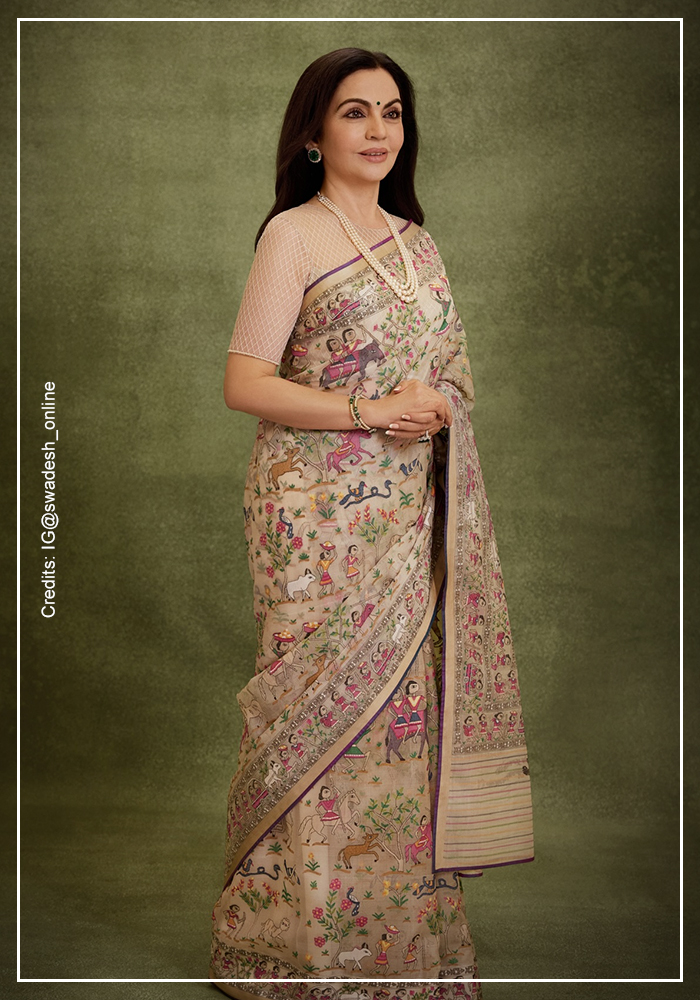
The pallu unfolds like a narrative tapestry: ceremonial scenes, human forms, animals and foliage outlined with jewel-like intricacy across a soft ground. Across the body, a rhythm of pastel stripes harmonises with richly detailed woven compositions, creating a balanced interplay of colour and form. The fish-motif borders sitting pretty as symbols of prosperity and good fortune. Besides, they anchor the entire drape in deep cultural meaning.
The Jewels
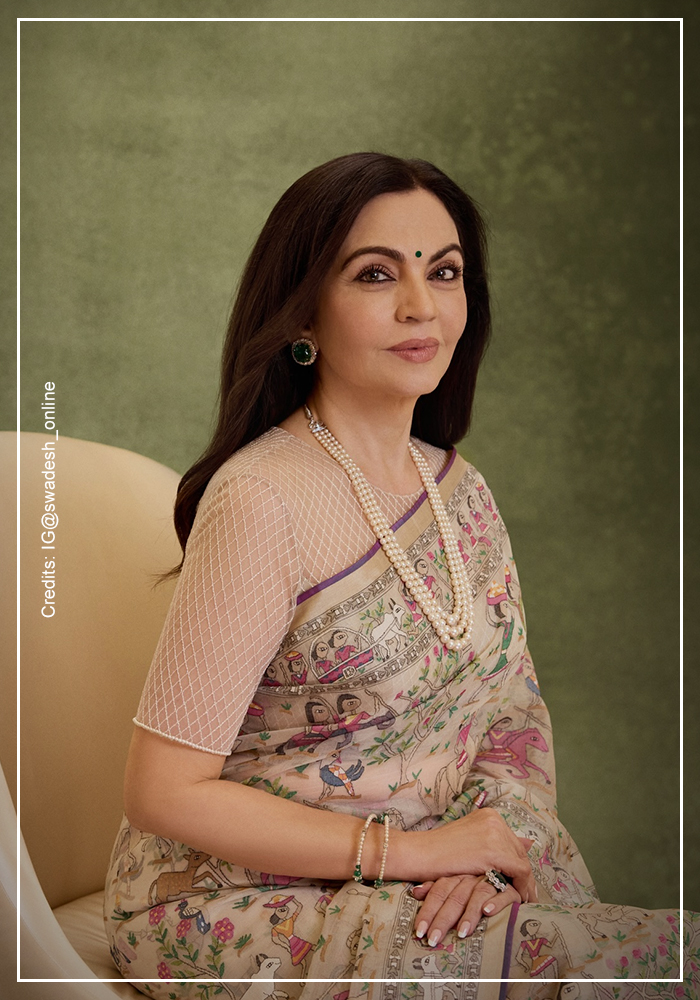
Nita Ambani paired the understated cream Jamdani with a constellation of jewels that spoke in a language all their own. Her selections for the evening:
- A magnificent triple-stranded pearl necklace
- Emerald and diamond drop earrings.
- A statement ring centred with a boulder-sized emerald.
- Pearl and emerald-encrusted bangles.
- A luxurious timepiece set with precious stones
The Style Leaders Bringing the Loom Back in Focus
Nita Ambani’s appearance in Jamdani was not a standalone fashion moment — it was part of a wider cultural shift unfolding across the country. From award ceremonies to political stages and couture showcases, some of India’s most influential women have been turning to this heritage weave with renewed intention. Each appearance sends a powerful message to designers, collectors, and artisans alike: Jamdani is no longer confined to history — it is firmly part of the language of modern Indian luxury.
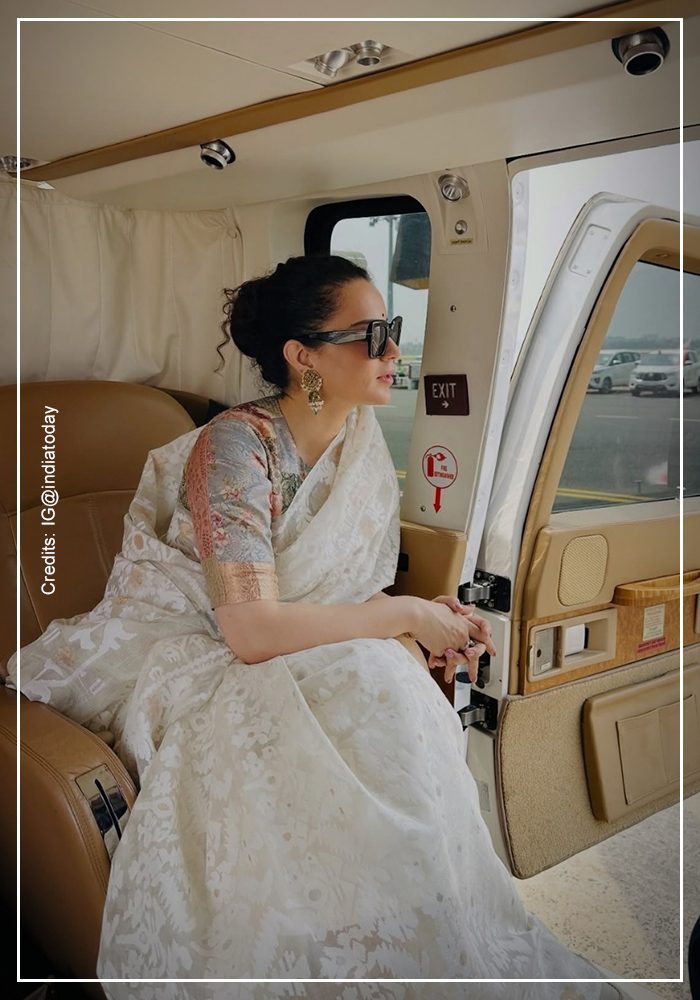
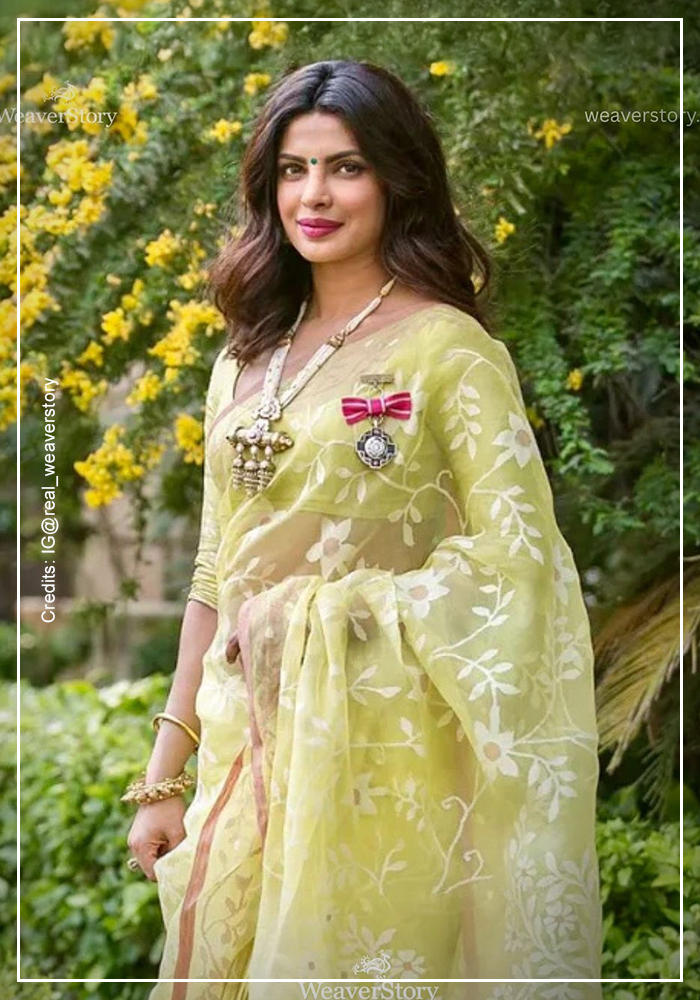
Jamdani’s return to prominence is being championed by some of India’s most influential women, each using the weave to tell a story that goes beyond fashion. When Kangana Ranaut wore a traditional Jamdani saree in Nandigram, she spotlighted a heritage craft recognized by UNESCO, reinforcing Jamdani’s identity as more than a textile — it is a symbol of regional pride and artisanal precision. Priyanka Chopra Jonas, too, chose a handwoven yellow muslin Jamdani while receiving her Padma Bhushan, a moment that placed Bengal’s delicate weave on one of the country’s most prestigious stages.
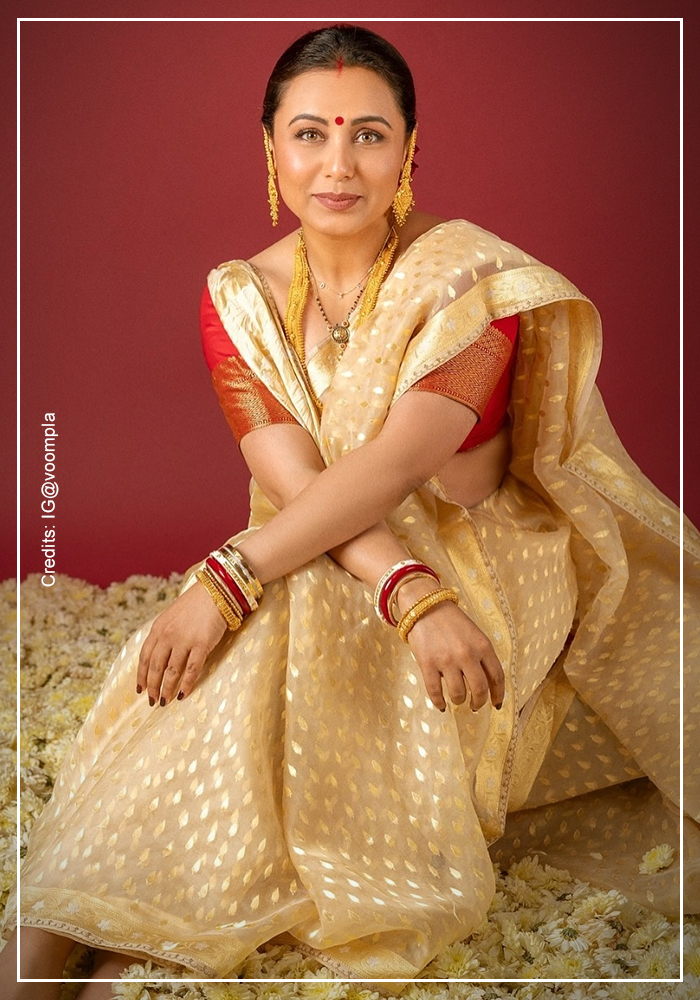
Meanwhile, Rani Mukerji, draped in a luminous golden Jamdani while receiving the National Award for Mrs Chatterjee vs Norway, demonstrated how the weave carries both cinematic grace and national significance.
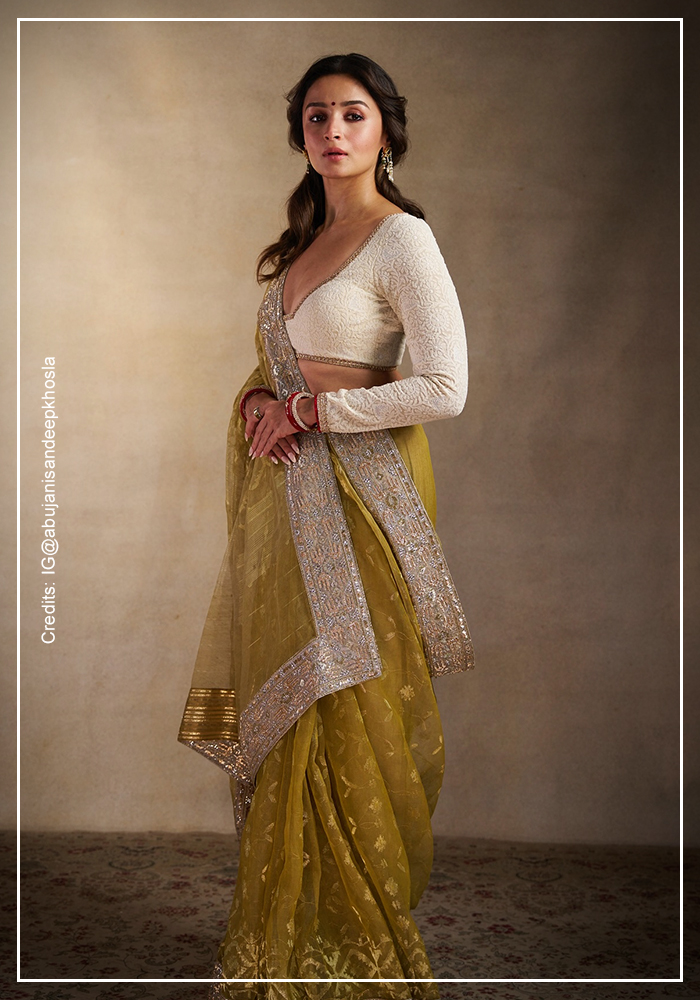
Designers and cultural patrons are equally shaping this renewed narrative. Alia Bhatt, in a custom Abu Jani Sandeep Khosla Dhakai Jamdani, brought couture drama to the centuries-old craft — her saree, handwoven over months and paired with a Chikankari blouse enriched with zardozi embroidery, became a striking conversation between regional techniques and modern glamour.
Actor and handloom advocate Konkona Sensharma, known for her thoughtful engagement with heritage textiles, embraced the weave in an Aadyam Banarasi Jamdani saree, shifting the spotlight to the artisans behind the loom.
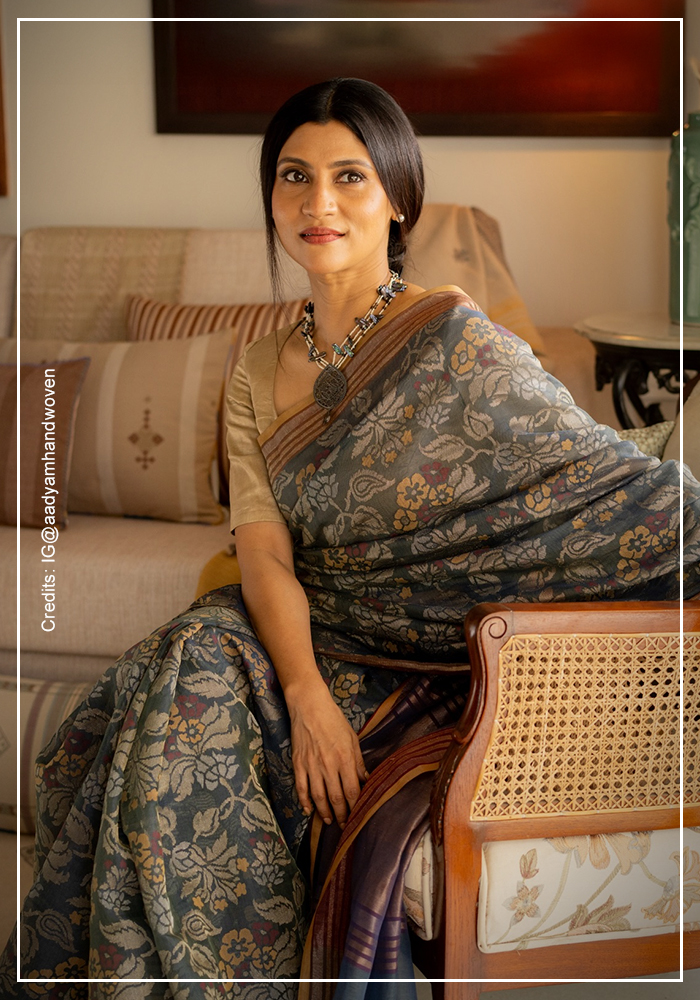
Our Best Jamdani Picks from Aza Fashions
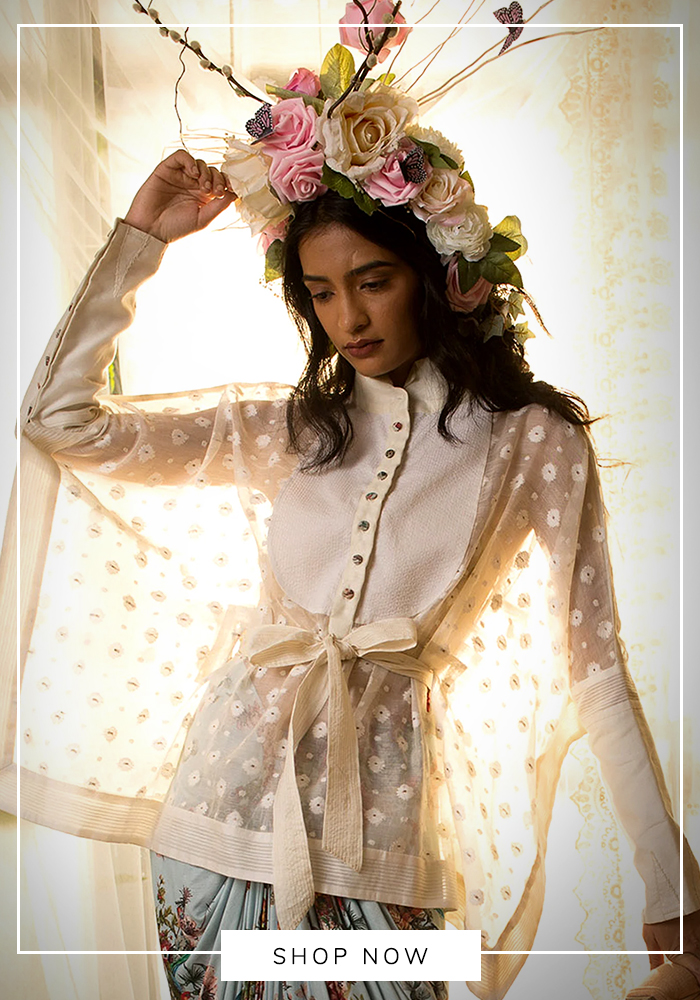
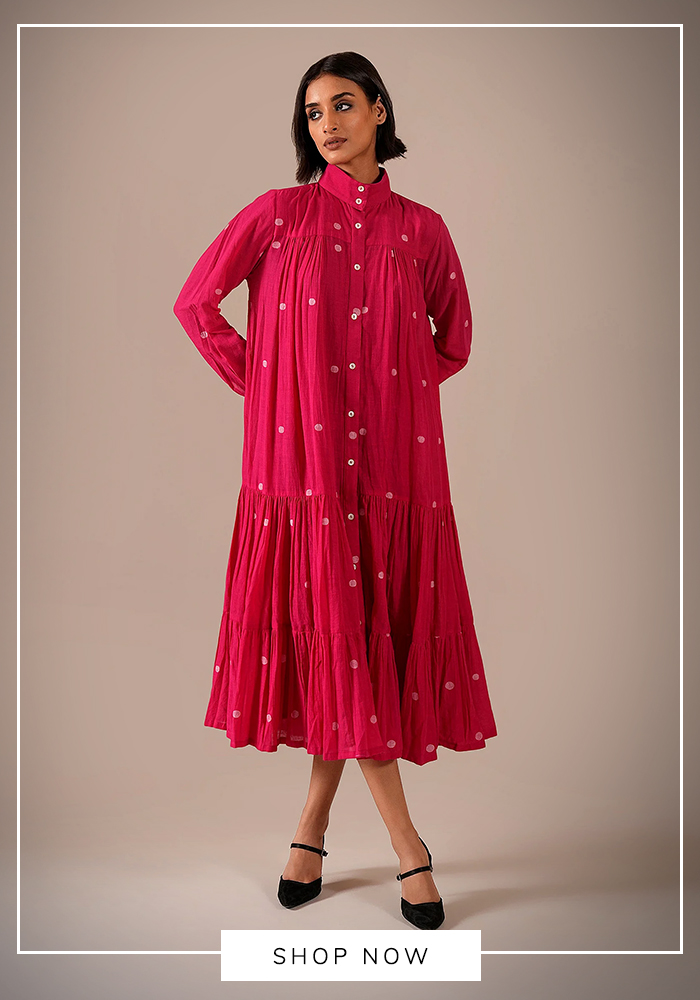
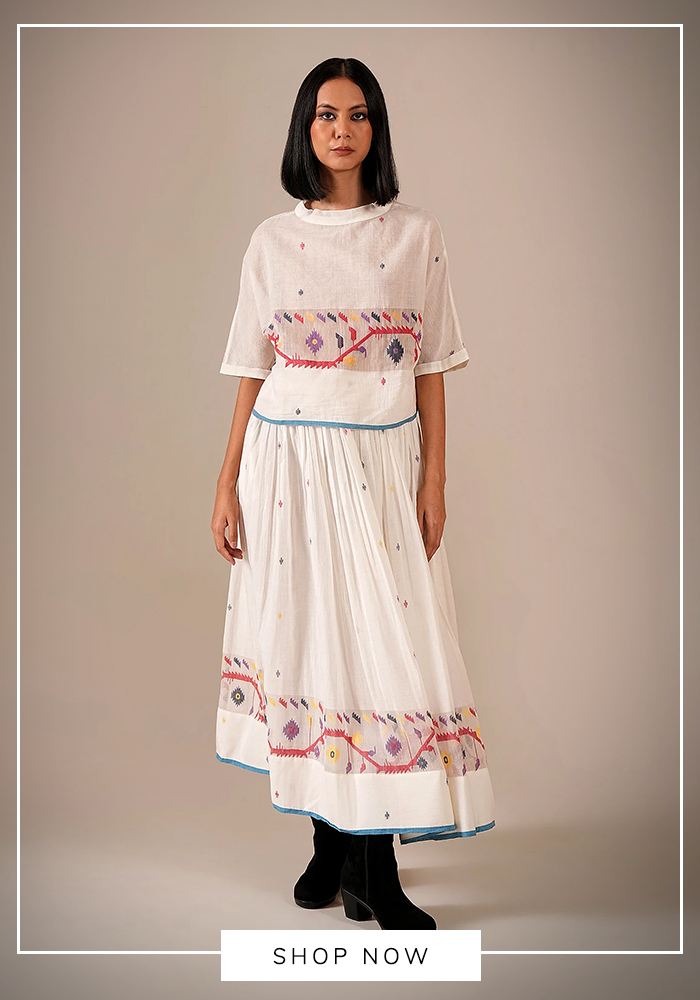
Ready to bring Jamdani into your wardrobe? Aza Fashions offers some of the finest curated picks — from classic handloom sarees to contemporary silhouettes that make this ancient weave entirely wearable today.
Heading out for a Sunday brunch, a festive lunch, or a relaxed day of celebrations? Our Jamdani edit brings effortless versatility to every moment on your calendar. From breezy cotton sarees perfect for intimate gatherings to elegant evening-ready drapes in deeper hues, these pieces celebrate heritage while fitting beautifully into modern lifestyles. Whether you're attending a cultural event, hosting a family get-together, or stepping into a daytime function, Jamdani offers an ease that feels both rooted and refined.
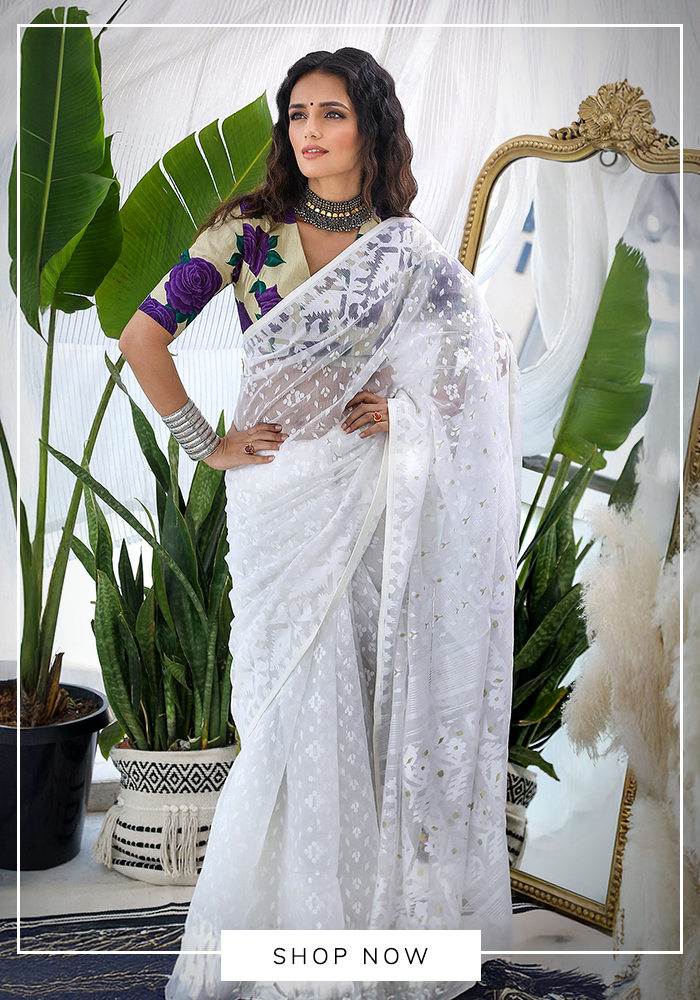
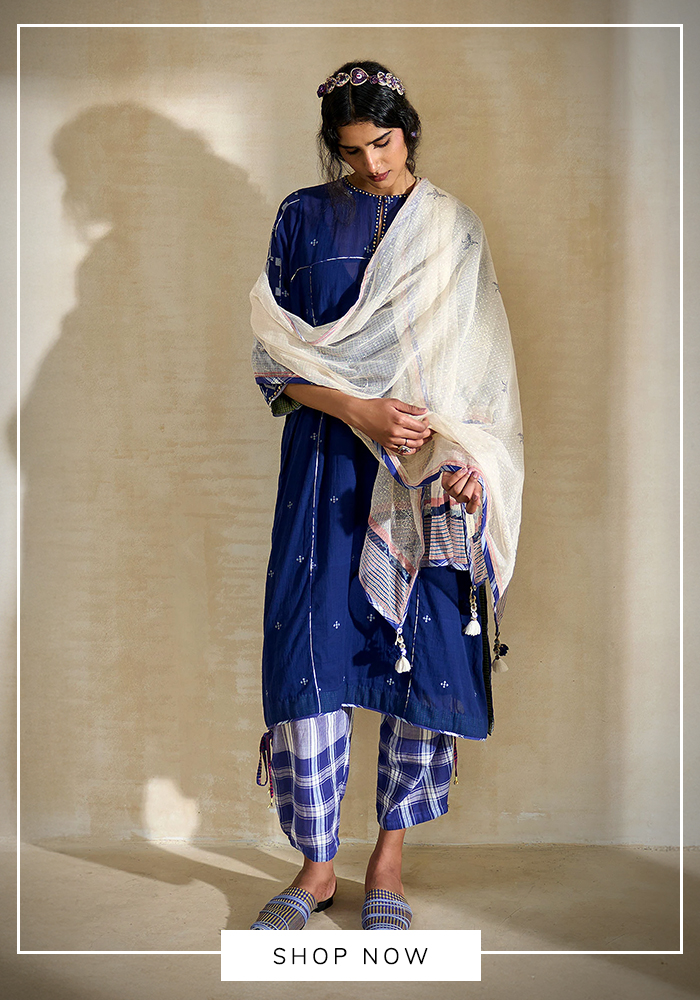
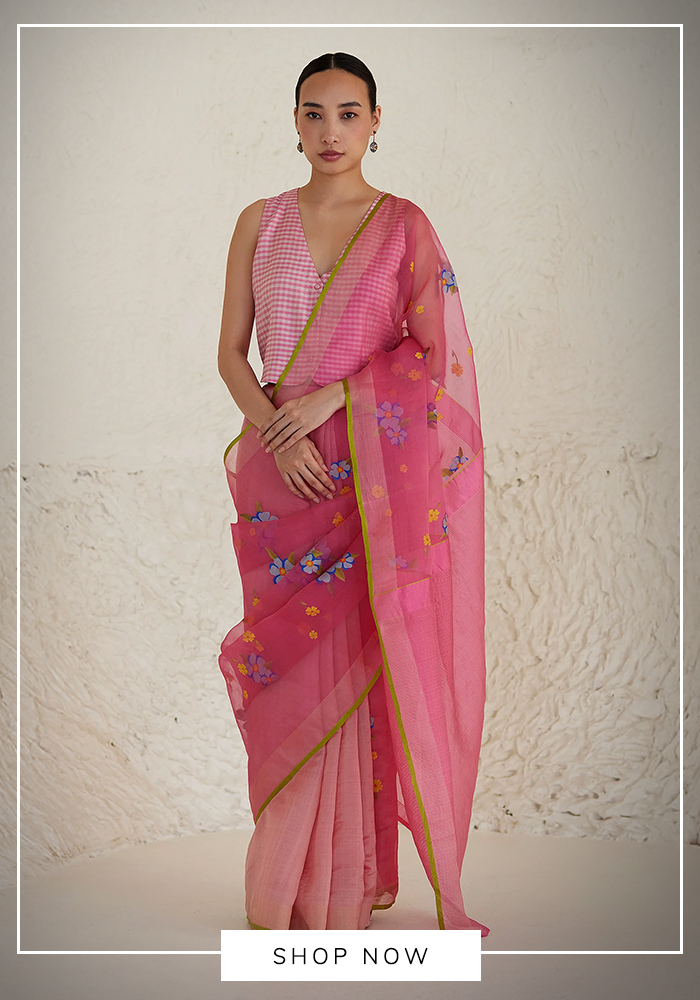
For those who prefer contemporary silhouettes, the collection also embraces playful shirt dresses, coordinated skirt sets, polished kurta ensembles, and statement blouses that blend seamlessly into everyday wardrobes. Style them with minimal jewellery for daytime charm or elevate them with bold accessories for festive occasions — each piece carries the quiet luxury of handwoven tradition while remaining effortlessly wearable in today's world.
Wear It Like History Matters
There is something quietly radical about choosing Jamdani in 2025. It is a rejection of the disposable, an embrace of the irreplaceable. It says: I know where this came from, I know whose hands made this, and I find that more beautiful than any algorithm-generated print or machine-stitched seam.
When Biren Kumar Basak sat at his loom in Phulia and spent two years weaving the saree that Nita Ambani would eventually wear to the TIME 100 Summit, he was not simply making fabric. He was sending a message across time — that some things are worth waiting for, worth the thread and the toil and the years.
As long as women choose to receive that message, Jamdani will never be just a weave. It will be a conversation between past and present, humming quietly at six yards long.