Juttis are flat, closed-toe shoes originating from North India, best suited for formal and festive occasions like weddings and Diwali. Kolhapuris are open-toe, strappy sandals from Maharashtra and Karnataka, ideal for casual and semi-formal wear. Your choice should depend on outfit style, occasion formality, and personal comfort.
Picking the right footwear for an Indian outfit isn't always straightforward. Both juttis and Kolhapuris are iconic, deeply rooted in regional craft traditions, and genuinely versatile—yet they serve different purposes and pair differently across outfits.
Here's everything you need to know before you choose. |
What Are Juttis?
Juttis are handcrafted, flat shoes with a closed toe, traditionally made from leather and heavily embellished with embroidery, mirror work, or metallic thread. They originate from Punjab and Rajasthan and are closely associated with North Indian bridal and festive fashion.
Key characteristics:
- Silhouette: Closed toe, slip-on style
- Embellishment: Heavy embroidery, zari, sequins, or beadwork
- Material: Leather, velvet, or fabric uppers
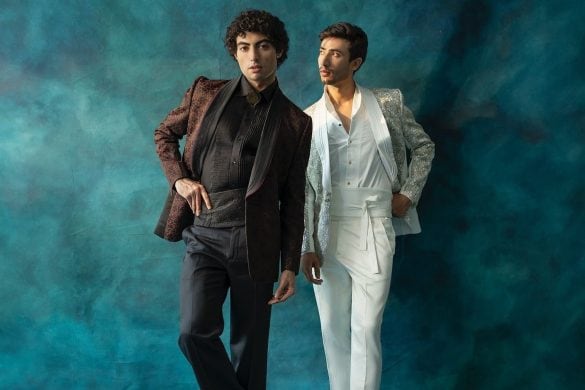
- Best match: Lehengas, sherwanis, Anarkalis, and heavily embellished salwar suits
What Are Kolhapuris?
Kolhapuris are open-toe leather sandals with a flat sole and distinctive interwoven straps. Originally crafted in Kolhapur, Maharashtra, these sandals have been a staple of Western and Southern Indian dress for centuries. Their understated, artisanal look makes them one of India's most enduring footwear exports.
Key characteristics:
- Silhouette: Open toe, strappy design
- Embellishment: Minimal; focus is on leather craft and natural tones
- Material: Vegetable-tanned leather (traditionally)
- Best match: Cotton sarees, kurtas, palazzos, and casual ethnic wear
Juttis vs Kolhapuris: Key Differences at a Glance
Feature | Juttis | Kolhapuris |
Toe style | Closed | Open |
Embellishment | High | Minimal |
Formality | Formal/festive | Casual/semi-formal |
Origin | Punjab, Rajasthan | Maharashtra, Karnataka |
Outfit pairing | Lehengas, sherwanis | Kurtas, sarees, palazzos |
When Should You Wear Juttis?
Choose juttis when the occasion calls for something polished and traditional. Their ornate detailing complements heavily embellished outfits without competing with them—a quality that makes them a go-to for wedding guests, mehndi ceremonies, and festive celebrations like Diwali and Navratri.
Juttis also work well for formal cultural events where traditional North Indian dress is expected. If your outfit features deep jewel tones or rich embroidery, a pair of embellished juttis in a complementary color ties the look together.
Best for: Weddings, festive occasions, formal cultural events
When Should You Wear Kolhapuris?
Kolhapuris shine in more relaxed, everyday settings. Their open, breathable design makes them practical for warmer months, while their earthy leather tones pair naturally with cotton and linen fabrics.
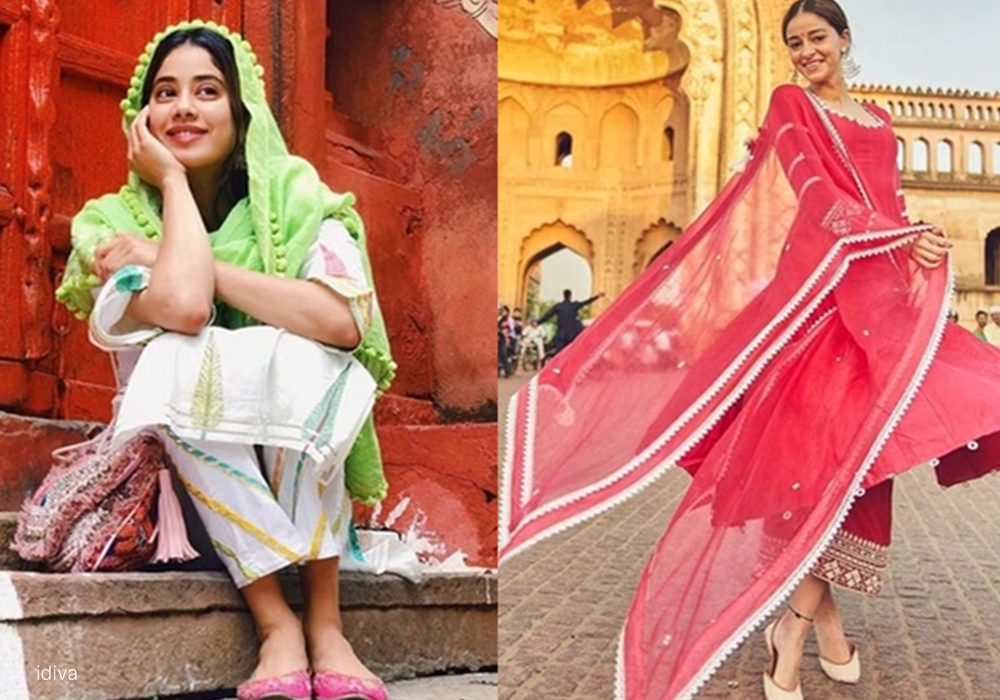
A simple white kurta and palazzo combination, for instance, looks effortlessly put together with a pair of tan Kolhapuris. They also work for semi-formal occasions—daytime events, casual festive gatherings, or college functions—where you want ethnic flair without overdressing.
Best for: Casual outings, daytime events, everyday ethnic wear
Occasion-Based Guide: Which to Choose?
- Wedding (guest): Juttis — embellished styles complement formal occasion wear
- Mehndi or Haldi: Either — Kolhapuris for comfort, juttis for a more festive look
- Casual day out: Kolhapuris — relaxed and breathable
- Office (ethnic day): Kolhapuris — professional without being overdressed
- Festive celebration (Diwali, Eid): Juttis — traditional and celebratory
Looking for more styling tips? Check out our guide to [choosing the right dupatta for your outfit] and [how to style a saree for modern occasions].
Frequently Asked Questions
Are juttis comfortable for long events like weddings?
Juttis are flat, which reduces foot fatigue, but their fit can feel snug for extended wear. Opt for styles with a slightly wider toe box and break them in before the event.
Can Kolhapuris be worn with formal Indian outfits?
Yes, but selectively. Kolhapuris pair best with cotton or linen sarees and simple kurtas at semi-formal events. They tend to look underdressed alongside heavily embellished formal wear.
What's the difference between men's and women's juttis?
Men's juttis (worn with sherwanis and kurta-pajamas) typically feature less embellishment and a more structured sole. Women's styles tend to be more ornate, with embroidery and mirror work.
Are Kolhapuris only made in Maharashtra?
Kolhapuris originate from Kolhapur, Maharashtra, but are now produced across Karnataka and other states. Authentic Kolhapuri chappals carry a Geographical Indication (GI) tag, certifying their regional origin and handcraft process.