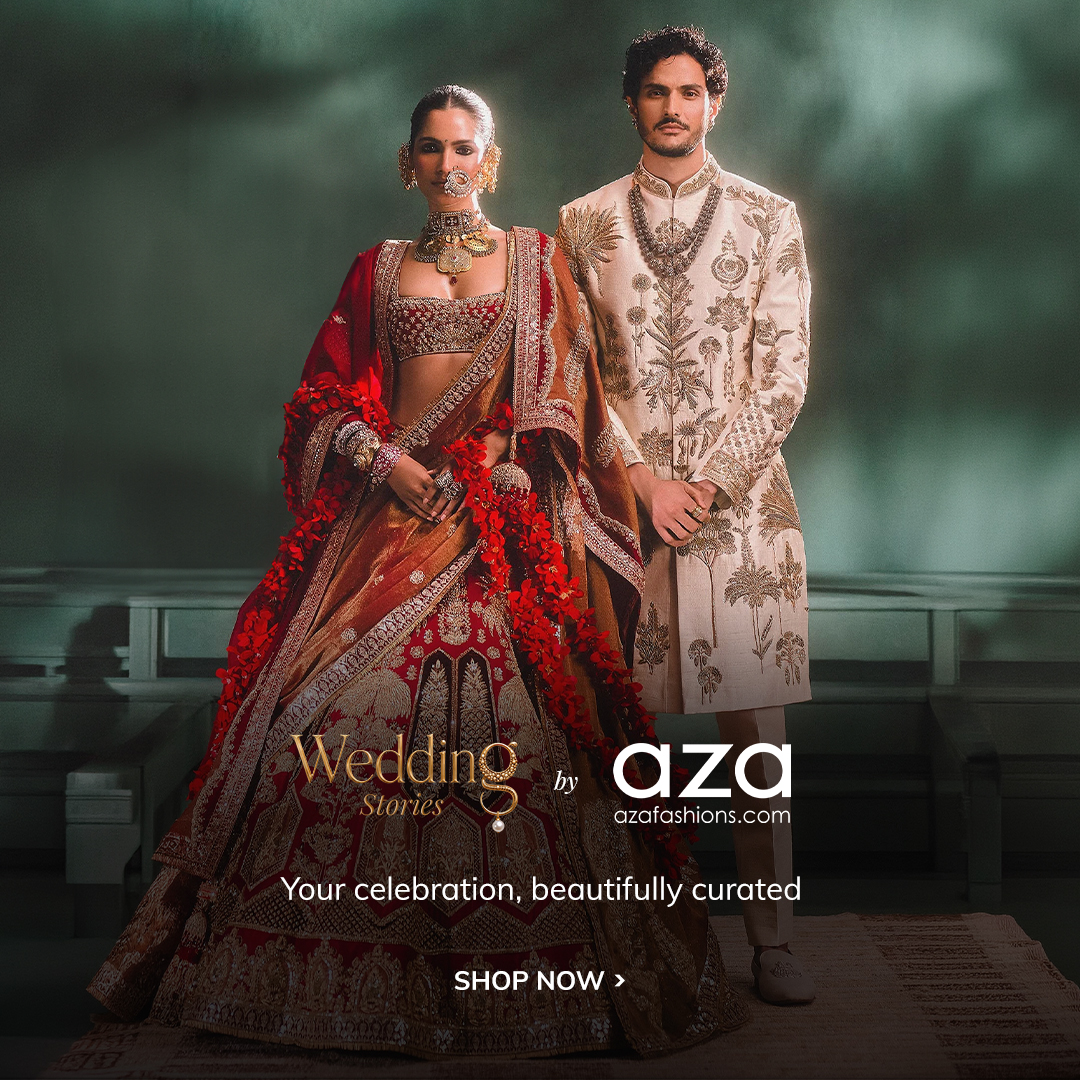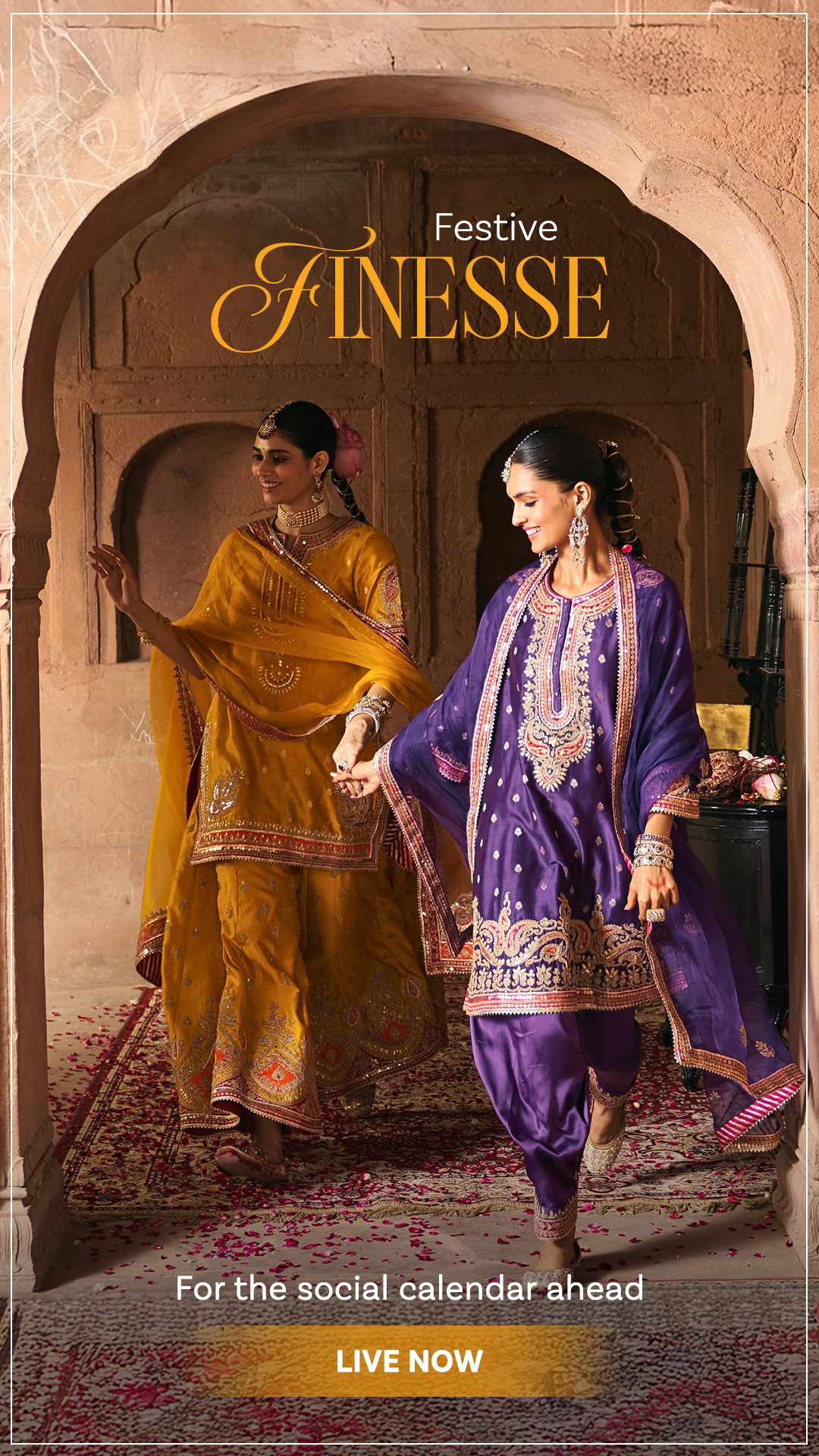
For Karva Chauth, women traditionally wear red or maroon sarees and lehengas to symbolize love and marital bliss. Anarkali suits, chikankari kurtas, and co-ord sets are popular modern alternatives. Choose breathable fabrics like georgette or chiffon for daytime rituals, and richer silks or velvet for the evening moonrise.
Karva Chauth is observed by married women across India and the diaspora as a day of fasting from sunrise to moonrise, offered as a prayer for the long life and well-being of their partners. "Karwa" refers to an earthen pot symbolizing prosperity, while "Chauth" means the fourth day of the lunar month. Beyond the ritual, it has become one of the most celebrated occasions for festive dressing—a full day of puja, gatherings, and the moonrise moment, each deserving an outfit that holds up from morning to night.
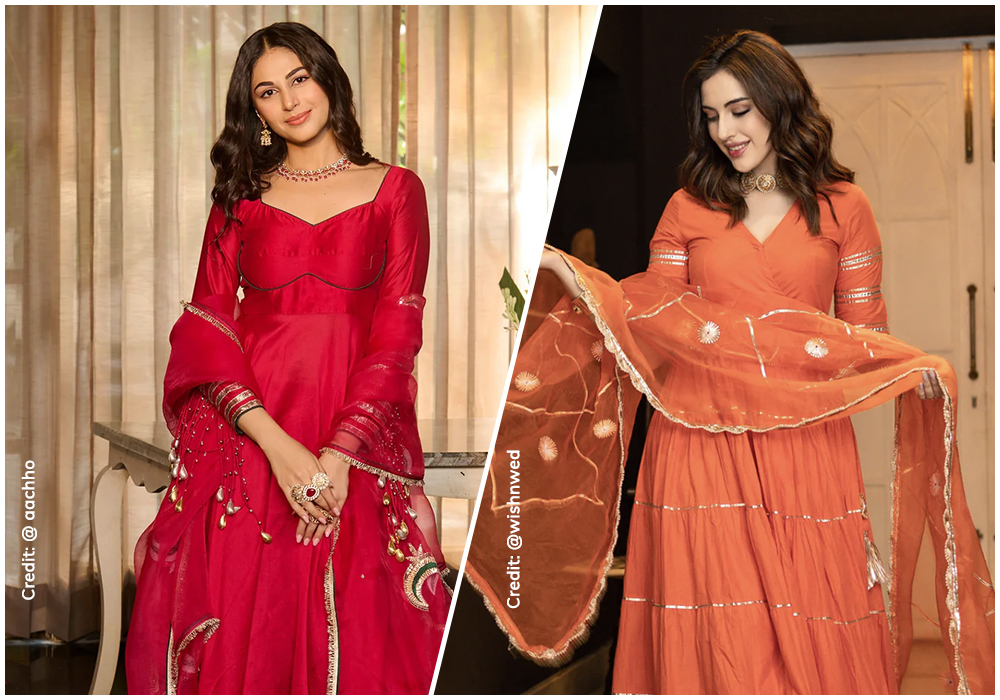
This guide covers traditional and modern Karva Chauth outfit ideas, the best colors to wear, fabric choices for comfort, and how to accessorize from sunrise to moonrise.
What are the best traditional Karva Chauth outfit ideas?
Red lehenga
A red lehenga is the most traditional and widely worn choice, particularly for new brides. Red carries deep symbolism on this occasion—representing love, passion, and auspicious beginnings. Look for styles in silk, velvet, or georgette with zardozi, gota patti, or zari embroidery. A lightweight dupatta with a delicate border makes movement easier during long hours of puja and fasting.
Banarasi silk saree
Banarasi silk sarees are a classic Karva Chauth choice. Their rich brocade work, lustrous texture, and deep reds or maroons make them well suited for both daytime rituals and evening celebrations. The intricate motifs and festive sheen remain timeless across generations.
Kanjivaram saree
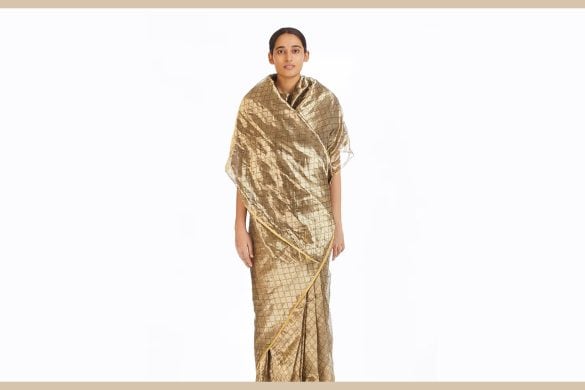
Kanjivaram sarees, known for their heavy silk construction and gold zari work, create a regal, refined appearance. These work best for the evening puja when a more elaborate look is appropriate.
Anarkali suit
The anarkali's flared silhouette is flattering for all body types and comfortable enough for a full day of rituals. Yellow or saffron anarkalis in chiffon or georgette are a strong choice for morning gatherings—light, breathable, and traditionally cheerful in their color meaning.
What are the best modern Karva Chauth outfit ideas?
Chikankari suit
Chikankari suits combine traditional embroidery with a lighter, more wearable construction. The delicate hand embroidery gives them a traditional feel, while the breathable fabric keeps the look practical for a full day of celebrating.
Pastel organza saree
Pastels—blush pink, lavender, mint green—have grown steadily in popularity as a softer alternative to traditional reds. Organza fabric holds its structure well and photographs beautifully, making it a strong choice for women who want a modern yet festive look.
Co-ord set
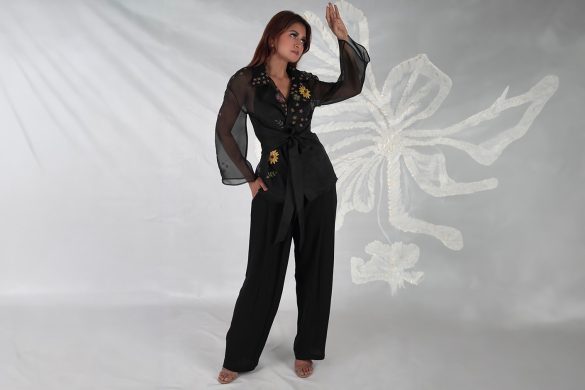
Ethnic co-ord sets are one of the most-searched Karva Chauth outfit options for 2025. They offer the simplicity of a pre-matched look in festive fabrics and silhouettes, with enough variety in color and embroidery to suit the occasion. Pair with statement earrings and you are ready for both puja and photographs.
Pre-draped saree or saree gown
Pre-draped sarees and saree gowns remove the effort of traditional draping while preserving the saree's silhouette. These are especially popular among NRI women and those who want the elegance of a saree without the time or skill it typically requires.
What colors work best for Karva Chauth outfits?
Color carries symbolic weight on Karva Chauth, much like in other major Indian festivals.
- Red is the most traditional and auspicious choice, representing love, commitment, and marital bliss.
- Maroon carries the same heritage depth as red, with a slightly more understated, mature tone.
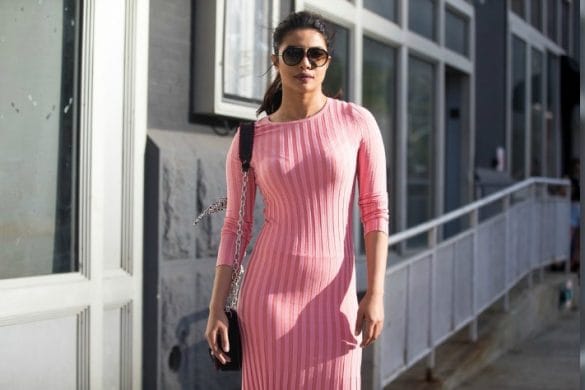
- Pink offers a softer, romantic alternative that works across all ages and occasions during the day.
- Yellow is associated with positivity and joy, and works particularly well for morning rituals and pre-puja gatherings.
- Gold signals prosperity and evening glamour—ideal for the moonrise moment.
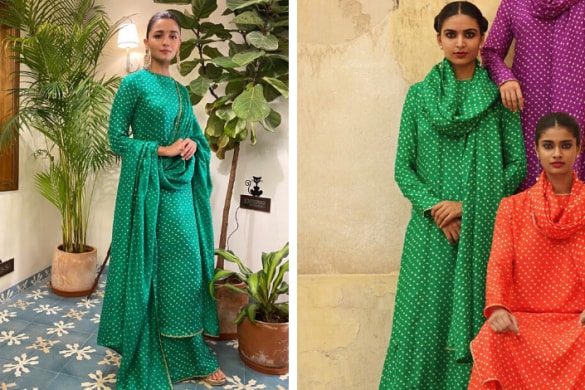
- Green symbolizes harmony and prosperity, and serves as a distinctive alternative to the usual warm palette.
For a more fashion-forward approach, pairing two colors—red with gold, or pink with maroon—creates a look that is both traditional and contemporary.
How should you accessorize a Karva Chauth outfit?
Accessories complete the festive look and, on Karva Chauth, carry their own cultural significance.
- Jewelry: Jhumkas, chandbalis, and kundan or polki sets are classic pairings with traditional outfits. For new brides, a heavy choker and matha patti elevate the look. For a subtler appearance, pearl earrings or simple gold studs work well.
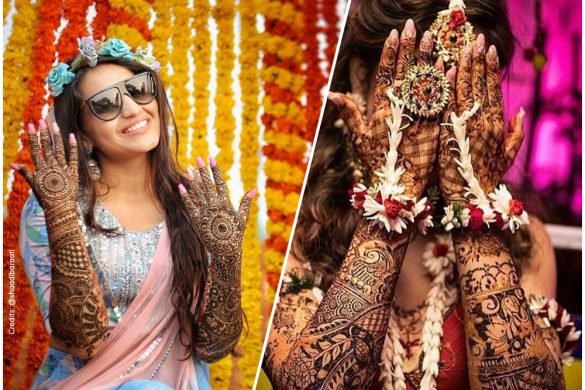
- Bangles and bindi: Both are integral to the Karva Chauth look. Glass bangles in red or green are traditional; metallic or stone-set versions suit a more contemporary outfit.
- Mangalsutra: Worn as a mark of marriage, the mangalsutra is typically kept visible on this occasion.
- Hair: Fresh flowers, elegant hairpins, or a floral gajra are traditional hair accessories that add a finishing touch without overpowering the outfit.
- Footwear: Juttis or mojaris are comfortable and culturally appropriate. Heeled footwear works for the evening if preferred, but flat options are easier to sustain across a full day.
Dress for the full day, not just the moonrise
Karva Chauth runs from before sunrise to after moonrise—a long stretch that asks your outfit to carry both comfort and occasion. The most practical approach is to choose a breathable fabric like georgette, chiffon, or cotton silk for the daytime rituals, and either change into something heavier for the evening or choose a versatile mid-weight fabric, like a Banarasi or tissue silk, that transitions well.
Whatever you choose, the outfit works best when it reflects the spirit of the day: celebratory, personal, and comfortable enough to last from the first puja to the moment you break your fast.
Frequently asked questions about Karva Chauth outfits
What is the most traditional outfit to wear for Karva Chauth?
A red lehenga or red saree is the most traditional choice, particularly for new brides. Red is considered the most auspicious color on Karva Chauth, symbolizing love, marital commitment, and celebration. Married women who have observed the festival for many years often tone down the embellishment while keeping the color.
Can married women wear colors other than red for Karva Chauth?
Yes. While red is traditional, pink, maroon, green, gold, and pastel shades are all widely worn. Pastel organza sarees and blush pink suits have become increasingly popular in recent years, particularly among younger women looking for a modern interpretation of the festive look.
What fabric is best for a full day of Karva Chauth rituals?
Lightweight fabrics like georgette, chiffon, and cotton silk are the most practical for daytime wear, as they are breathable and comfortable across long hours of fasting and puja. Heavier fabrics like silk or velvet work well for the evening celebrations but can become tiring to wear all day.
What jewelry is traditionally worn for Karva Chauth?
Jhumkas, bangles, a bindi, and a mangalsutra are the core traditional pieces. Brides typically add heavier jewelry—a choker necklace, matha patti, and statement earrings. Kundan, polki, and gold sets are popular choices for both brides and married women.
Is it appropriate to wear an Indo-Western outfit for Karva Chauth?
Yes, particularly for urban celebrations. Co-ord sets, chikankari suits, and pre-draped sarees all blend traditional aesthetics with modern comfort. The key is to incorporate festive colors and traditional detailing—embroidery, prints, or embellishments—to keep the look appropriate for the occasion.