Kerala, affectionately known as "God's Own Country," is a sliver of tropical paradise in southern India. It's a land of serene backwaters, lush coconut groves, and mist-laden hills. The state’s rich cultural traditions are as vibrant as its landscapes, expressed through classical dance forms, elaborate festivals, and a unique aesthetic that values simplicity and purity.
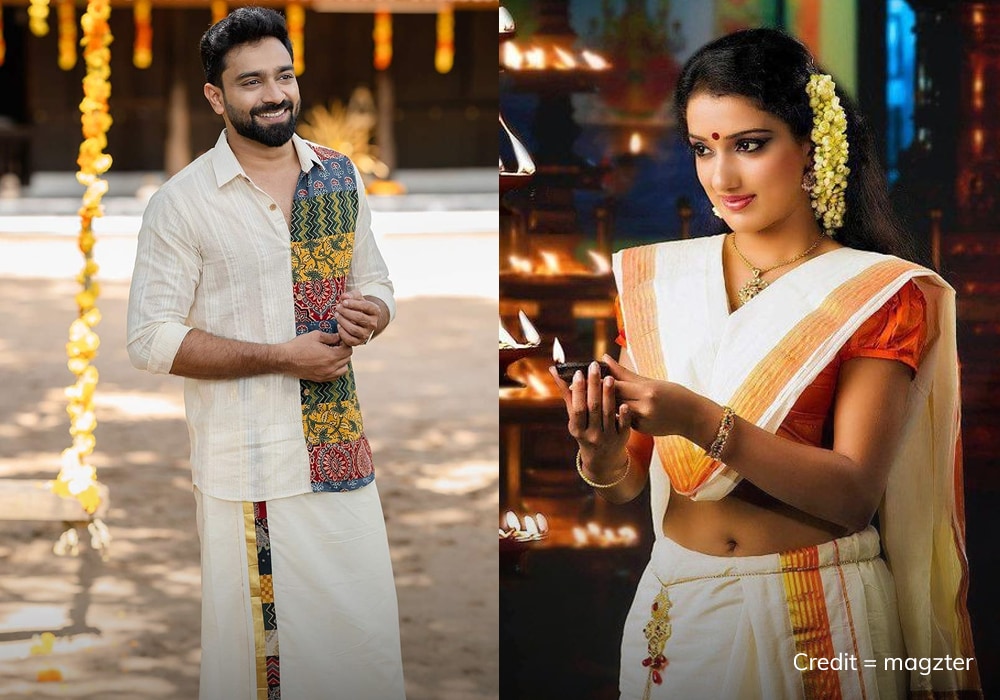
What makes Kerala's style so distinct is its elegant minimalism. The state is renowned for its iconic white and gold Kasavu textiles, a symbol of grace and auspiciousness. The tropical, humid climate has long dictated a preference for lightweight, breathable cotton, making comfort a cornerstone of traditional dress. This, combined with a history of maritime trade and royal patronage, has shaped a textile culture that is both sophisticated and deeply connected to nature.
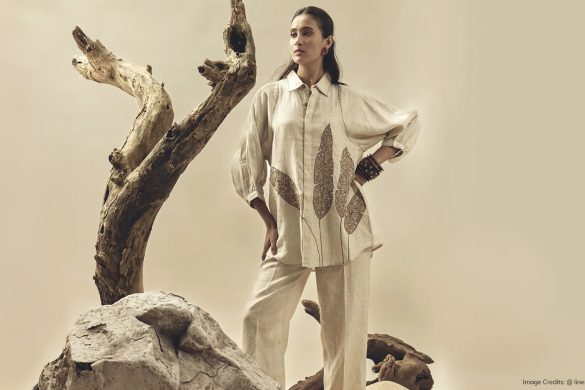
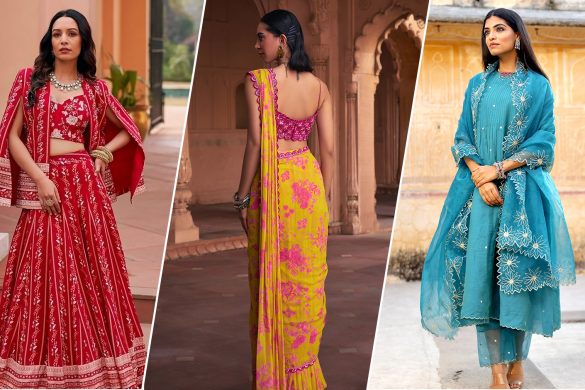
Today, the understated elegance of Kerala's traditions continues to inspire modern fashion and design. The classic cream and gold palette has found its way onto international runways, proving that true style often lies in simplicity and impeccable craftsmanship. This timeless influence has helped shape contemporary trends in Indian clothing, blending heritage aesthetics with modern silhouettes embraced worldwide.
Traditional Clothing / Ethnic Wear
Kerala's traditional attire is a masterclass in understated elegance. The clothing is characterized by its signature off-white and gold palette, designed for comfort in the humid climate while exuding a sense of purity and grace.
Women’s Attire
The core of a Keralite woman’s traditional wardrobe is the beautiful and iconic Kasavu.
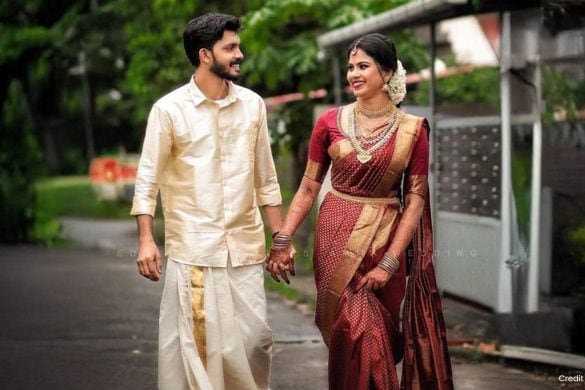
- Kasavu Saree: The most recognizable garment, the Kerala Kasavu saree is an elegant off-white or cream-colored cotton saree with a simple gold or colored border (kara). It is a single piece of cloth, unlike its predecessor, the mundum neriyathum. It symbolizes purity and is a staple for festivals, weddings, and religious ceremonies.
- Settu Mundu (or Mundum Neriyathum): This is the traditional two-piece garment that predates the modern Kasavu saree. It consists of a mundu, a cloth draped around the lower body, and a neriyathu, a cloth draped over the shoulder and across the torso. It functions like a saree and is still widely worn, especially by older women.
- Dance Costumes: The costumes for classical dances like Mohiniyattam are an elaborate version of the Kasavu saree, featuring pleated fan-like details and worn with exquisite temple jewelry.
Men’s Attire
The traditional attire for men in Kerala is simple, dignified, and perfectly suited to the climate.
- Mundu: The men's version of the mundu is a rectangular piece of white or cream cloth wrapped around the waist. It is the most common traditional garment for men of all ages. For formal occasions, a mundu with a gold kasavu border is worn.
- Jubba: The mundu is often paired with a jubba, a type of long-sleeved kurta, or simply worn with a shirt or nothing on top in more casual settings.
- Angavastram: For formal or religious occasions, men drape a smaller piece of cloth called an angavastram over their shoulders.
Jewelry & Accessories
Kerala is famous for its love of gold, and its traditional jewelry designs are intricate and deeply symbolic.
- Temple Jewelry: This style features designs inspired by temple architecture and deities. Pieces like the Manga Mala (mango necklace) and Lakshmi Mala are classic examples, often crafted in gold with a matte finish.
- Palakka Mala: A beautiful necklace featuring green glass stones set in a gold leaf or mango-shaped design.
- Kasu Mala: A stunning necklace made of gold coins strung together, symbolizing wealth and prosperity.
Crafts, Textile Techniques & Prints
The essence of Kerala's style is found in its handloom traditions and unique crafts, which are deeply intertwined with the region's natural resources.
- Kasavu Weaving: The magic of Kasavu lies in its simplicity. The weaving is done on handlooms, primarily in weaving centers like Balaramapuram and Kuthampully. The gold border is the highlight, traditionally made with real gold or silver threads, though today copper-coated synthetic threads are more common. The beauty is in the pure, unbleached cotton and the shimmering line of the kasavu.
- Coir Weaving: While not for clothing, coir (coconut fiber) weaving is a significant craft that reflects the state's resourcefulness. Coir is used to make everything from mats to decorative items, showcasing a similar ethos of turning natural materials into functional art.
- Mural Painting: The traditional mural paintings of Kerala, found on temple walls, have a distinct style and color palette. These rich, detailed mythological scenes are now being replicated by artists onto Kasavu sarees and blouses, creating wearable pieces of art.
Cultural Context – Lifestyle, Tradition & Heritage Influences
The clothing of Kerala is a direct and practical response to its environment. The hot and humid tropical climate makes lightweight, absorbent cotton the ideal fabric. The loose drape of the mundu and saree allows for air circulation, providing comfort throughout the day.
The color white or cream is not just a practical choice; it is also symbolic, representing purity and simplicity in a land rich with spiritual traditions. Social norms of modesty are reflected in the graceful draping of the saree and the neriyathu.
Historically, Kerala's long coastline made it a major hub for the spice trade, bringing influences from across the world. However, its textile traditions remained remarkably pure. Royal patronage from the Travancore and Cochin royal families was crucial in nurturing the handloom weaving centers that perfected the art of Kasavu weaving. Festivals like Onam and Vishu are major cultural events where the entire state is awash in the elegant white and gold of traditional attire.
When & How These Styles Are Worn Today
While modern attire is common for daily life, traditional Kerala clothing remains an essential part of the cultural and social fabric.
- Everyday vs. Special Occasions: Simple cotton sarees or salwar kameez are worn daily. However, for the Onam festival, weddings, or temple visits, the Kasavu saree is almost a uniform. Men also don their finest gold-bordered mundus for these occasions.
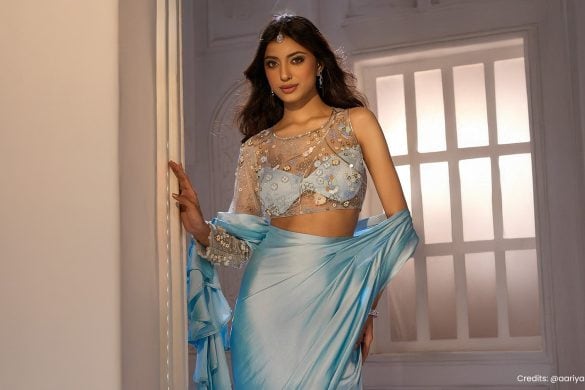
- Modern Reinterpretations: The classic Kasavu has been reimagined by contemporary designers. You can now find Kasavu sarees with brightly colored borders, blouses with modern cuts, and even dresses and skirts made from Kasavu fabric. The iconic hand-painted mural designs are also appearing on everything from t-shirts to modern sarees.
Styling Tips:
- For a traditional look, pair a Kasavu saree with a simple jasmine garland in your hair and classic gold temple jewelry.
- To give your Kasavu a modern twist, pair it with a brightly colored or heavily embroidered blouse. A magenta, emerald green, or royal blue blouse can create a stunning contrast.
- Use a Kasavu dupatta or shawl to add a touch of Keralite elegance to a simple kurta or even a western dress.
Why It Matters – Heritage, Identity & Fashion Inspiration
Preserving the handloom traditions of Kerala is about safeguarding a unique cultural identity and supporting the thousands of weavers who are the custodians of this art form. Each handwoven Kasavu saree is a testament to a legacy of simplicity, purity, and craftsmanship.
In a world filled with loud prints and fleeting trends, the minimalist elegance of Kerala's style offers a powerful and timeless alternative. It inspires global fashion by demonstrating the beauty of "less is more." The cream and gold palette is universally flattering and speaks of a quiet, confident luxury. Supporting these crafts is an investment in sustainable fashion and cultural preservation.
Conclusion / Call-to-Action
Kerala's style heritage is a beautiful narrative of nature, purity, and graceful simplicity. From the pristine elegance of the Kasavu saree to the ornate splendor of its temple jewelry, every element speaks of a land that finds beauty in authenticity and tradition.
We encourage you to explore this world of serene elegance. Consider adding a piece of Kerala's artistry to your wardrobe, whether it’s a timeless Kasavu saree, a piece of gold-plated temple jewelry, or a modern garment inspired by its crafts. By doing so, you are not only embracing a stunning and sophisticated aesthetic but also helping to celebrate and sustain one of India's most cherished cultural legacies.