High up in the serene valleys of Himachal Pradesh, where the Beas River carves its path through the mountains, a craft born of necessity has become a symbol of cultural pride. This is the world of the Kullu Shawl, a handwoven textile admired by locals and travelers alike for its warmth, intricate patterns, and understated elegance.
More than just a piece of clothing to ward off the biting cold, the Kullu shawl is a canvas that tells the story of the Himalayan people. It is a tradition passed down through generations, a vital part of the state’s economy, and a warm embrace that carries the spirit of the mountains. This guide will take you on a journey into the heart of Kullu Valley to explore the origins, weaving techniques, and enduring legacy of this treasured Indian textile.
What is a Kullu Shawl?
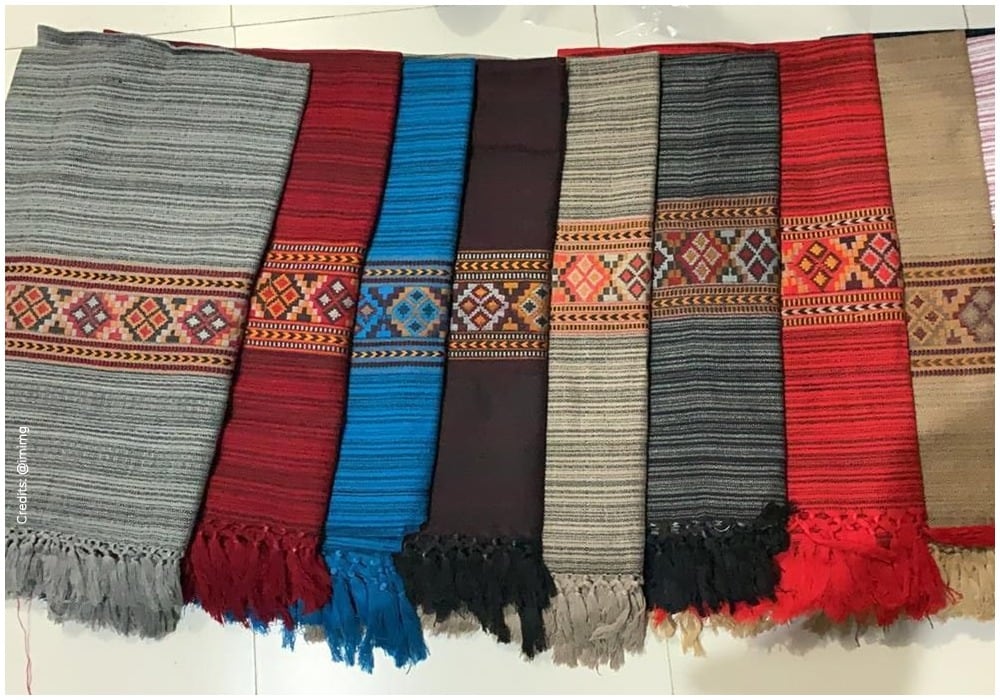
A Kullu shawl is a handwoven shawl made in the Kullu Valley of Himachal Pradesh. It is known for its distinctive geometric patterns and vibrant borders, which contrast beautifully with the shawl's often natural, earthy-toned body. Worn by both men and women, these shawls are crafted from various types of wool to provide protection against the harsh mountain climate.
The materials used are often sourced locally and include:
- Wool from local sheep (desi oon).
- Angora wool from Angora rabbits.
- Pashmina from Changthangi goats.
- Yak wool.
The men's shawl, often called a loi or pattu, typically features simpler, more straightforward patterns, while the women's shawls can be more elaborate. Each shawl is a testament to the weaver's skill, often created without a pre-drawn pattern, making every piece unique.
Tracing the Origins: A Tale of Migration and Innovation
The story of the Kullu shawl is woven with threads of migration, adaptation, and artistic evolution. It was not originally a craft native to the Kullu Valley but was introduced by weavers from a neighboring region.
The Kinnauri Influence
The weaving techniques seen in Kullu shawls were heavily inspired by the weavers of Kinnaur, another district in Himachal Pradesh. In the 1830s, a group of Kinnauri weavers fled their village to escape the wrath of a local monarch and settled in the Kullu Valley. They brought their craft with them and were encouraged to train the local residents, planting the seeds for what would become a flourishing industry.
Weaving out of Necessity
During the pre-independence era, the remote and rugged terrain of Himachal Pradesh made it difficult for industrialized clothing to reach the villages. The local people relied on their own skills to create garments. They wove a thick tweed called patti from local sheep's wool. This fabric was dense, warm, and perfect for protection against wind and rain.
A Splash of Color
For a long time, Kullu shawls were plain and dark, woven in solid, natural wool colors. The transformation began in the 1940s when a group of skilled weavers from Bushahr (a town in the Shimla region) migrated to Kullu. They introduced a revolutionary idea: adding vibrant patterns and colors to the borders of the shawls.
These new designs were geometric and floral, using bright hues of pink, yellow, green, orange, and blue. This fusion of the plain Kullu body with the patterned Kinnauri border was an instant success. It created the iconic look of the Kullu shawl we know today and set it on the path to becoming a fashion statement.
How They Are Made: The Rhythm of the Loom
The process of weaving a Kullu shawl is a meticulous and rhythmic dance between the weaver and their loom. It starts with preparing the most essential raw material: wool.
1. From Fleece to Yarn
The journey begins with raw wool, which is carefully cleaned and carded. The weavers then spin this wool into yarn using a spinning wheel (charkha). This process requires a skilled hand to ensure the yarn has a consistent thickness.
2. Setting Up the Loom
Once the yarn is ready, the most complex part of the process begins: preparing the handloom. Traditional pit looms or frame looms are used.
- Warping: The vertical threads of the shawl (the warp) are prepared first. The weaver calculates the length and number of threads needed for the design. These threads are carefully arranged on a large rotating drum called a tana drum.
- Threading: Each warp thread is then painstakingly threaded through the heddles (wire loops) and the reed (a comb-like frame). This arrangement determines the structure of the weave.
3. The Weaving Process
With the warp set up, the weaving can begin.
- The weaver passes the weft (horizontal threads) through the warp using a shuttle.
- The intricate patterns on the border are created using a special technique where colored weft threads are interwoven by hand, almost like embroidery on the loom. Weavers do this from memory, without any traced designs, making each pattern a freehand expression of their creativity.
- A single shawl can feature up to eight different colors in its pattern.
4. The Finishing Touches
After the weaving is complete, the shawl is given its final touches.
- Traditionally, the loose ends of the warp threads were tied into tassels to prevent the weave from unraveling.
- Today, it is more common for weavers to machine-stitch the edges or add woven strips of fabric for a clean finish.
- The shawl is then meticulously checked for quality, any stray threads are snipped off, and finally, it is steamed and ironed to give it a smooth, finished look.
Design Elements: The Language of Geometry
One of the most fascinating aspects of the Kullu shawl is its design philosophy. Unlike many other textile arts where patterns are traced or mapped out, Kullu shawl designs are created freehand on the loom.
- Geometric Motifs: The patterns are predominantly geometric, inspired by nature and local religious beliefs. You will see stylized representations of flowers, temples, stars, and other elements.
- Color Palette: Traditionally, weavers used bright, bold colors like red, orange, pink, green, and blue for the patterns, which stood out against the natural white, brown, or grey body of the shawl. In recent years, there has been a growing demand for pastel shades, which are gradually becoming more common.
- The Border: The decorative border is the most prominent feature of a Kullu shawl. It is what distinguishes it from other shawls of the region.
The Kullu Shawl Today: A Fight for Authenticity
In recent decades, the handloom weavers of Kullu have faced a significant challenge: competition from cheap, machine-made imitations. The rise of power looms and the influx of factory-made shawls sold at lower prices threatened the livelihood of thousands of artisans. Tourists, the primary customers, were often unable to distinguish between an authentic handwoven shawl and a fake one.
The GI Tag: A Mark of Authenticity
To protect this precious heritage, the government of India granted the Kullu Shawl a Geographical Indication (GI) tag in 2004. This is a crucial certification that guarantees a product's origin and authenticity. A GI-tagged Kullu shawl certifies that it was handwoven in the Kullu Valley using traditional techniques. This move has been instrumental in safeguarding the craft, reviving the state's economy, and ensuring that artisans receive fair value for their skill.
Modern Relevance
Despite the challenges, the Kullu shawl remains an iconic and sought-after product.
- It is a staple in the wardrobe of the local Pahari people.
- It is one of the most popular souvenirs for tourists visiting Himachal Pradesh.
- Designers are incorporating the classic patterns into modern garments like jackets, stoles, and home furnishings.
Conclusion
The Kullu shawl is more than just a warm garment; it is a living piece of Himachali culture. It represents the resilience of artisans who have adapted and innovated while staying true to their roots. The minimalist design, the vibrant geometric borders, and the soft, warm wool tell a story of mountain life, of community, and of a craft that has been lovingly preserved for generations.
When you drape a Kull-u shawl over your shoulders, you are not just wearing a beautiful piece of textile. You are carrying a piece of the Himalayas with you—a symbol of a tradition that continues to weave its magic, one thread at a time.