


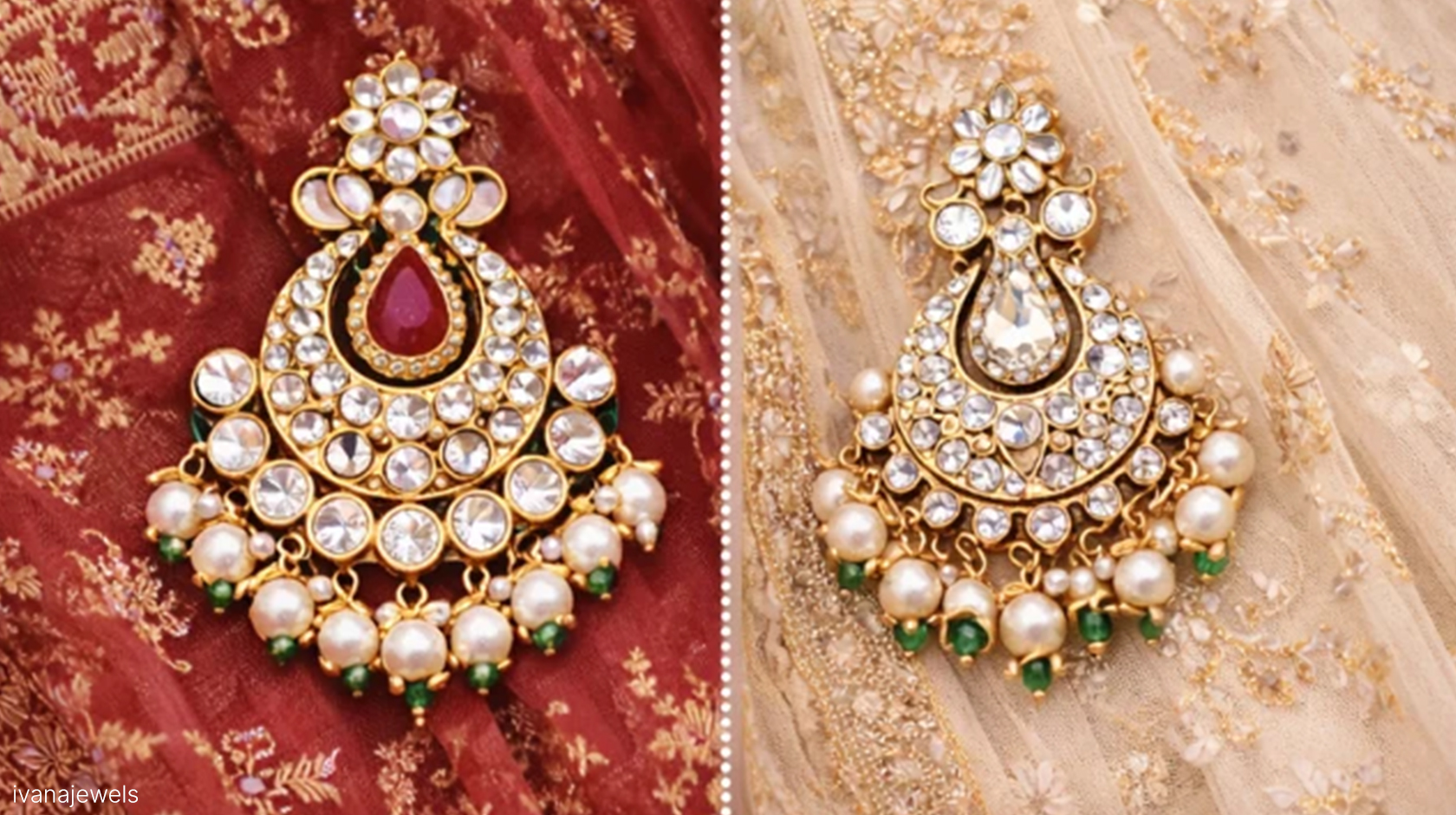
Kundan jewellery features refined glass or gemstones set in gold foil—polished and vibrant. Polki uses uncut raw diamonds for a more organic, antique finish. Jadau is a broader craft technique that encompasses both, defined by its intricate stone-setting process. Choosing between them comes down to your bridal aesthetic, budget, and how traditional you want to go.
Few decisions carry more weight in bridal styling than jewellery. And for brides exploring traditional Indian pieces, three terms come up repeatedly: Kundan, Polki, and Jadau. They're often used interchangeably—but they're not the same thing.
This guide breaks down exactly what sets each style apart, so you can shop with clarity.

How Do Kundan, Polki, and Jadau Differ in Craftsmanship?
Understanding how each piece is made is the fastest way to tell them apart.
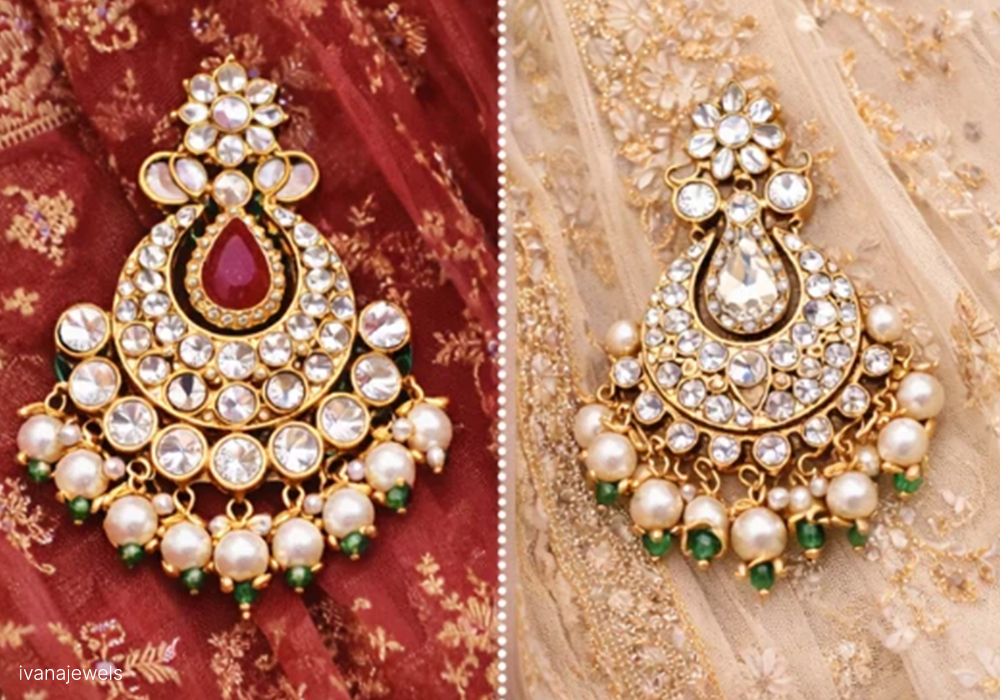
Kundan is a jewellery-setting technique originating in the royal courts of Rajasthan and Gujarat. Artisans press highly refined glass stones or gemstones into a gold framework using a special lac base. A defining feature is the use of gold foil (called "kundan") placed between the stone and the setting to enhance brilliance. The result is bold, colorful, and remarkably polished.
Polki jewellery uses uncut, unpolished diamonds—known as Polki diamonds—set in a similar lac-and-gold framework. Because the diamonds are raw, each piece has a slightly irregular, organic quality. The stones reflect light differently from faceted diamonds, producing a softer, more muted shimmer that many brides find deeply romantic.
Jadau refers to the overarching craft of stone-setting itself—a meticulous technique developed in Rajasthan in which stones are literally embedded into molten gold. Kundan and Polki are both types of Jadau jewellery. What sets a piece apart as true Jadau is the complexity of the setting, the use of meenakari (enamel work) on the reverse, and the skill-intensive handcraftsmanship involved.
Key differences at a glance:
- Stone type: Kundan uses glass or gemstones; Polki uses raw, uncut diamonds; Jadau can incorporate both
- Finish: Kundan is vibrant and polished; Polki is organic and muted; Jadau is the most intricate and layered
- Origin: All three trace roots to Rajasthan and Mughal-era craftsmanship
- Price: Polki tends to be the most expensive due to the use of real diamonds; Kundan is more accessible
How Does Each Style Look on a Bride?
Aesthetics matter as much as origin—and these three styles wear very differently.
Kundan jewellery is vivid and maximalist. The richly colored stones and bright gold settings make a strong visual statement, pairing beautifully with heavily embroidered lehengas in jewel tones. Browse Aza Fashions' bridal jewellery edit for Kundan necklace sets that complement silk and brocade bridal wear.
Polki jewellery leans antique and understated. The raw diamond stones and warm gold create a vintage-inspired finish that works especially well with ivory, cream, or pastel bridal outfits. For brides who want heirloom-quality pieces without heavy color, Polki is often the preferred choice.
Jadau jewellery is the most ornate of the three. Given the complexity of the technique, Jadau pieces—particularly full bridal sets—are often statement pieces in themselves. The meenakari detailing on the reverse adds artistry even to the side of the jewellery that faces the skin.
Styling tip: Kundan pairs well with bold, contrast-heavy bridal looks. Polki complements softer, more muted palettes. Jadau works best when the outfit is rich but not overly busy—the jewellery deserves room to be seen.
Which Occasions Call for Each Style?
Kundan jewellery suits:
- Wedding ceremonies and bridal functions
- Sangeet and Mehendi where color play is encouraged
- Brides who want vibrant, photogenic pieces
Polki jewellery shines at:
- Wedding ceremonies for brides who prefer understated luxury
- Reception events where a more refined look is desired
- Brides investing in heirloom-quality pieces to pass down
Jadau jewellery is ideal for:
- Grand weddings and multi-day celebrations
- Brides who want a complete, traditionally crafted bridal set
- Anyone drawn to museum-quality, artisan craftsmanship
Explore Aza Fashions' bridal jewellery collection for curated sets across all three styles.
Frequently Asked Questions
Is Jadau the same as Kundan jewellery?
Not exactly. Jadau is the craft technique; Kundan is a specific type of stone-setting within that tradition. All Kundan jewellery is made using Jadau craftsmanship, but not all Jadau pieces are strictly Kundan in style.
Which is more expensive—Kundan or Polki?
Polki is generally more expensive because it uses real, uncut diamonds. Kundan uses glass or semi-precious stones, making it more affordable while still delivering a rich, traditional look.
Can Kundan jewellery be worn after the wedding?
Yes. Lighter Kundan pieces—such as earrings or a single pendant necklace—work well for festive occasions, formal events, and even styled casual wear, depending on the design.
How should I care for Polki jewellery?
Avoid exposing Polki pieces to water, perfume, or harsh chemicals. Store each piece individually in a soft cloth pouch, and have them professionally cleaned to maintain the gold setting and stone placement.
Which bridal jewellery style suits a lehenga vs a saree?
Kundan sets pair naturally with heavily embroidered lehengas. For a silk or tissue bridal saree, Polki or a finely crafted Jadau set tends to complement the fabric's texture without overwhelming it.

