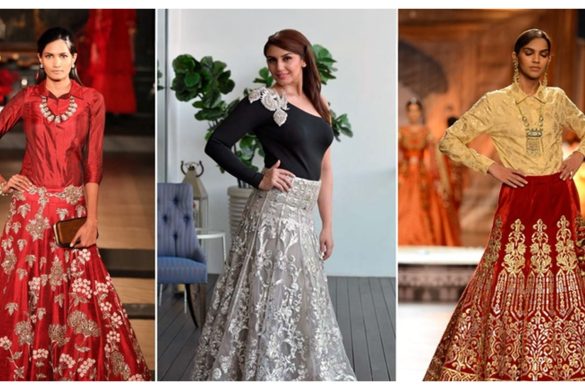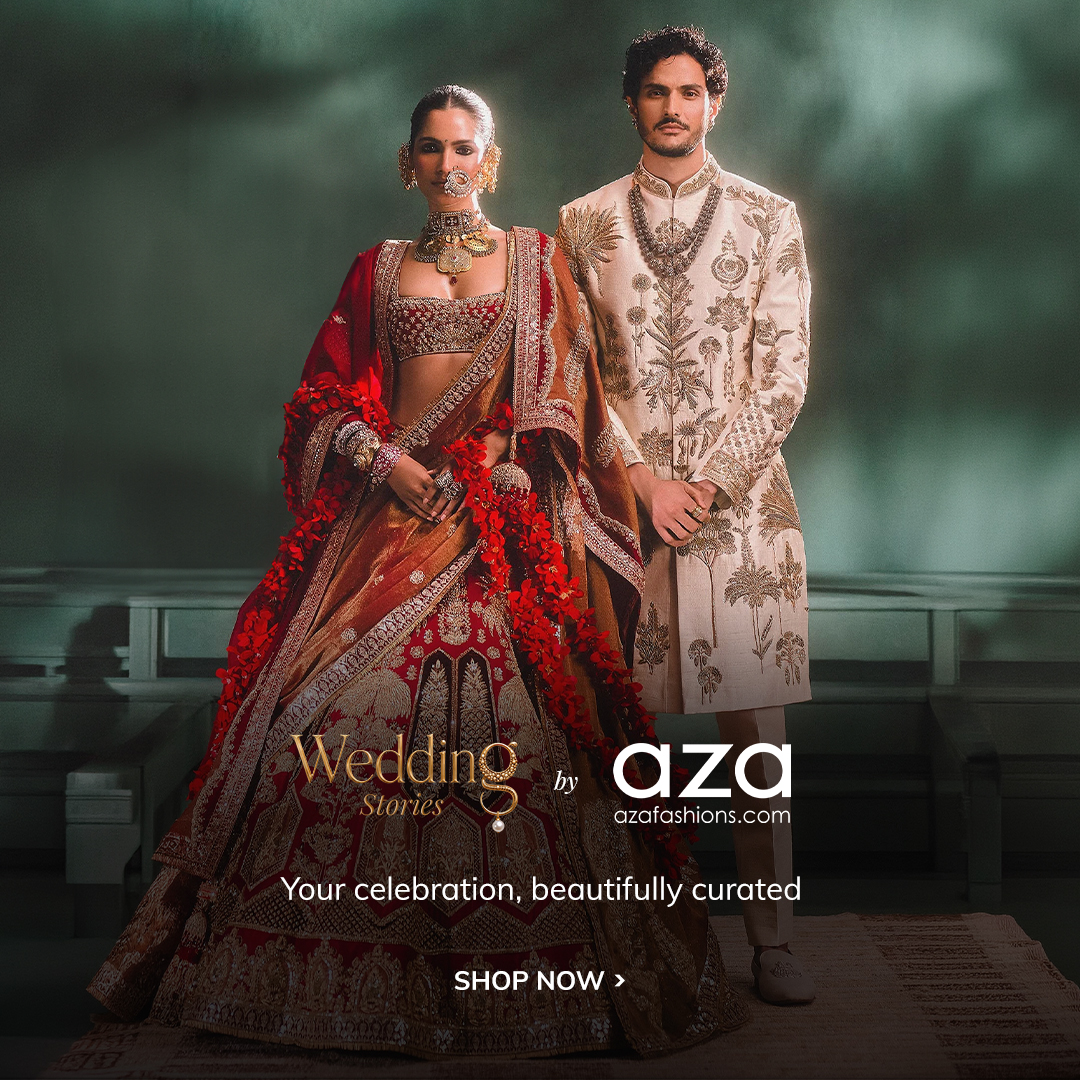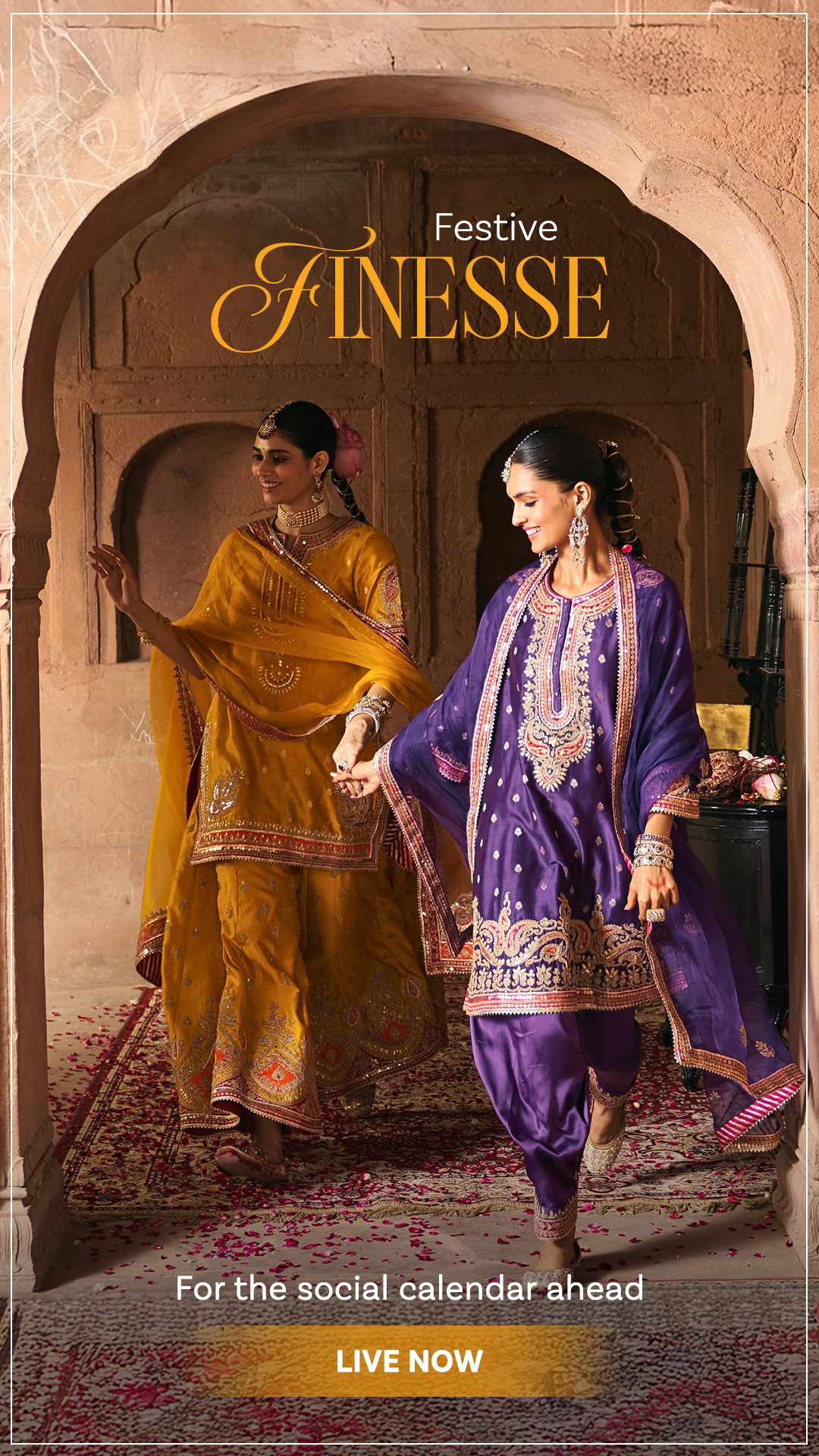
A lehenga is a structured, ornate flared skirt worn higher on the waist with a fitted lehenga choli and dupatta, designed for weddings and grand events. A ghagra is a softer, drawstring-gathered skirt with a traditional ghagra choli, rooted in regional craft and ideal for festivals and everyday festive wear. Choose a lehenga for opulent occasions and a ghagra for relaxed, cultural celebrations.
The words "lehenga" and "ghagra" get used interchangeably, but the two outfits are not the same. They differ in structure, embroidery, and the moments they suit best. This short guide breaks down the key differences, helps you choose based on occasion and body type, and shares styling tips so you walk into your next event with confidence.
What is a ghagra and where does it come from?
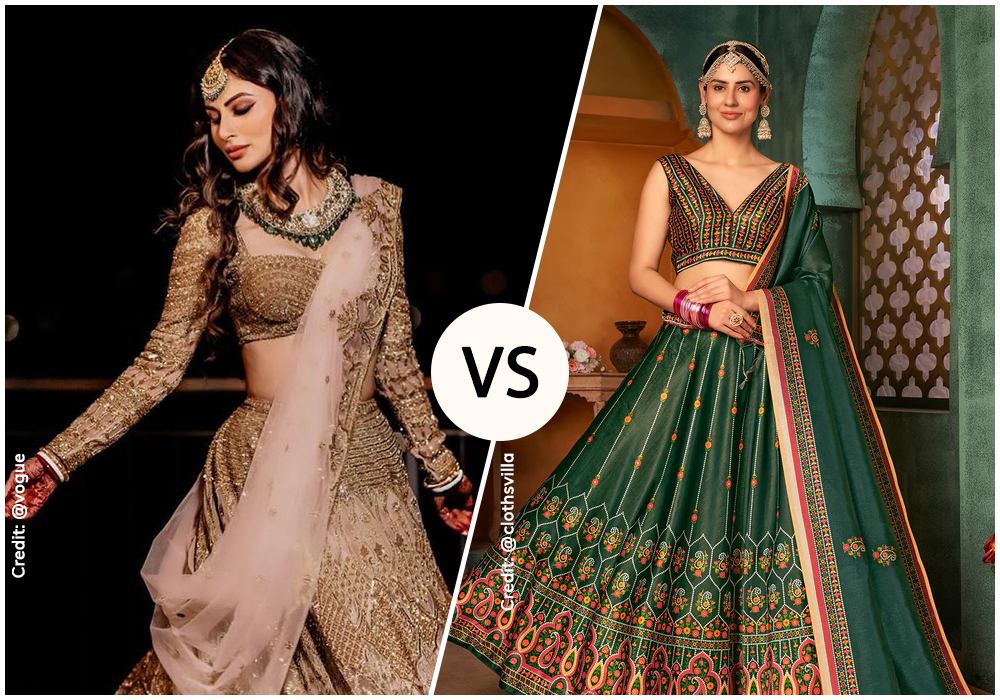
A ghagra choli is one of the oldest forms of Indian attire, often considered the foundation of the modern lehenga. The skirt is a long, flared piece gathered at the waist with a drawstring, which creates a soft, fluid fall and plenty of room to move.
Ghagras are usually made from lightweight fabrics like cotton, georgette, or silk blends. The detailing reflects regional craftsmanship rather than heavy embellishment, so you'll often spot bandhani, mirror work, block prints, and kutch work. This rustic charm ties closely to the folk traditions of Rajasthan and Gujarat, where the chaniya choli is a Navratri staple.
What is a lehenga and how is it structured?
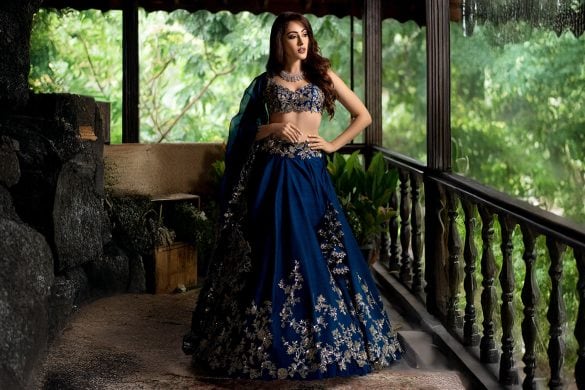
A lehenga choli is a three-piece ensemble made up of a flared skirt, a shorter blouse that shows more of the midriff, and a dupatta. The skirt sits higher on the waist and is built with defined panels, can-can layers, or tailored cuts that add volume and shape.
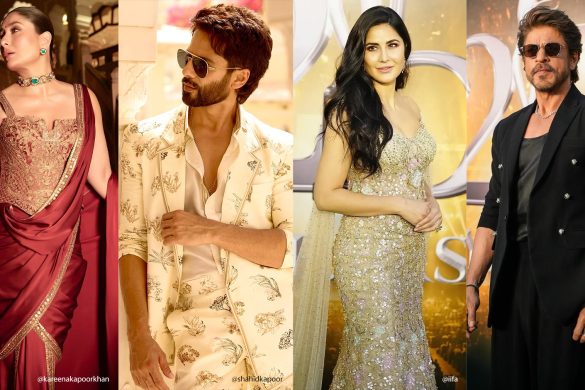
Lehengas lean into glamour. Expect intricate zari, sequins, resham, stonework, and heavy embellishments that make the outfit the focal point of any room. The choli often features modern necklines, off-shoulder cuts, or backless designs, which is why lehengas dominate bridal and festive wardrobes.
How do you choose between a lehenga and a ghagra?
Your decision comes down to the occasion, your comfort, and the look you want:
- Choose a lehenga for weddings, receptions, and cocktail evenings where you want a sculpted, photograph-ready silhouette and maximum drama.
- Choose a ghagra for Navratri, Diwali, or relaxed family functions where comfort and ethnic charm matter more than opulence.
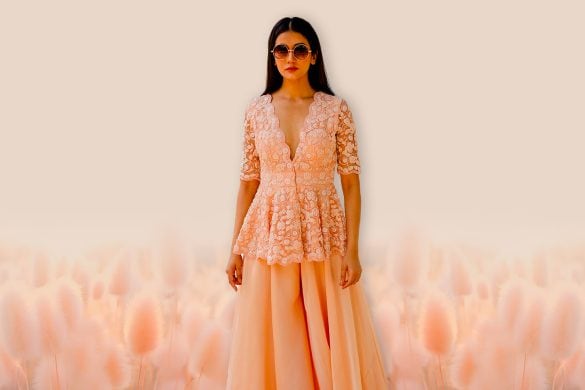
For body type guidance, the lehenga's structured waist and panels create a defined, hourglass-style shape, which flatters most frames. The ghagra's fuller gathers add volume, so petite women often balance it with a fitted choli and a well-draped dupatta. A lighter fabric also keeps a flared skirt from overwhelming a smaller frame.
What are the best styling tips for both outfits?
A few simple touches elevate either look:
- Lehenga: Pair it with statement necklaces, a maang tikka, and a stylish clutch. Reach for organza or georgette for summer events and velvet or silk in winter.
- Ghagra: Lean into oxidized jewelry, mirrors, and lightweight mojaris. Choose chiffon or cotton in summer and brocade or art silk in cooler months.
- For both: Style the dupatta in different ways to refresh one outfit into several looks, and match your jewelry to the skirt's accent colors.
Wear the style that feels like you
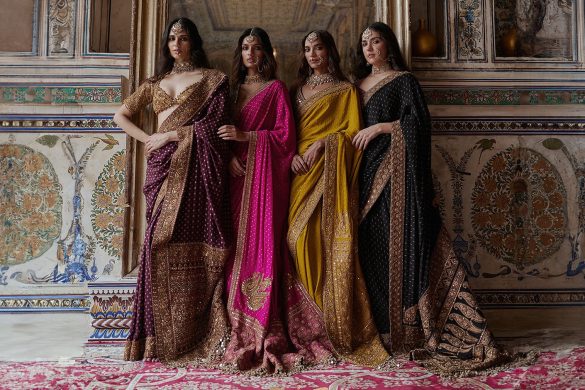
Both the lehenga and the ghagra celebrate Indian heritage in their own way. The lehenga commands attention with its structured drama, while the ghagra offers an effortless, cultural ease. Let the occasion lead your choice, then add your own personality through color, jewelry, and draping. Whichever you reach for, confidence is the finishing touch.
Frequently asked questions
Are lehenga and ghagra the same thing?
No. A ghagra is a soft, drawstring-gathered skirt rooted in regional craft, while a lehenga is a structured, ornate skirt built with panels and heavy embroidery for formal occasions.
Which is better for a wedding, a lehenga or a ghagra?
A lehenga is the better wedding choice. Its sculpted silhouette, rich fabrics, and intricate embellishments are designed to stand out at receptions, sangeets, and grand celebrations.
What is the difference between a ghagra and a chaniya choli?
They are closely related. A chaniya choli is the Gujarati and Rajasthani version of the ghagra choli, most commonly worn during Navratri and Garba festivities.
Is a ghagra more comfortable than a lehenga?
Generally, yes. The ghagra's drawstring waist and lightweight fabric allow easier movement, making it ideal for long festive days and dancing.
Which style suits a petite body type?
A lehenga often suits petite frames because its fitted waist and panels create a balanced silhouette. If you prefer a ghagra, choose a lighter fabric and a fitted choli to keep the look proportionate.