Madhya Pradesh, aptly named the "Heart of India," is a land where history pulses through the very soil. It is a region where ancient stupas at Sanchi whisper tales of peace, where the erotic sculptures of Khajuraho celebrate life, and where the dense forests of Kanha hide the majestic tiger. But beyond its architectural wonders and wild beauty lies a rich, woven legacy that defines the state’s cultural soul.
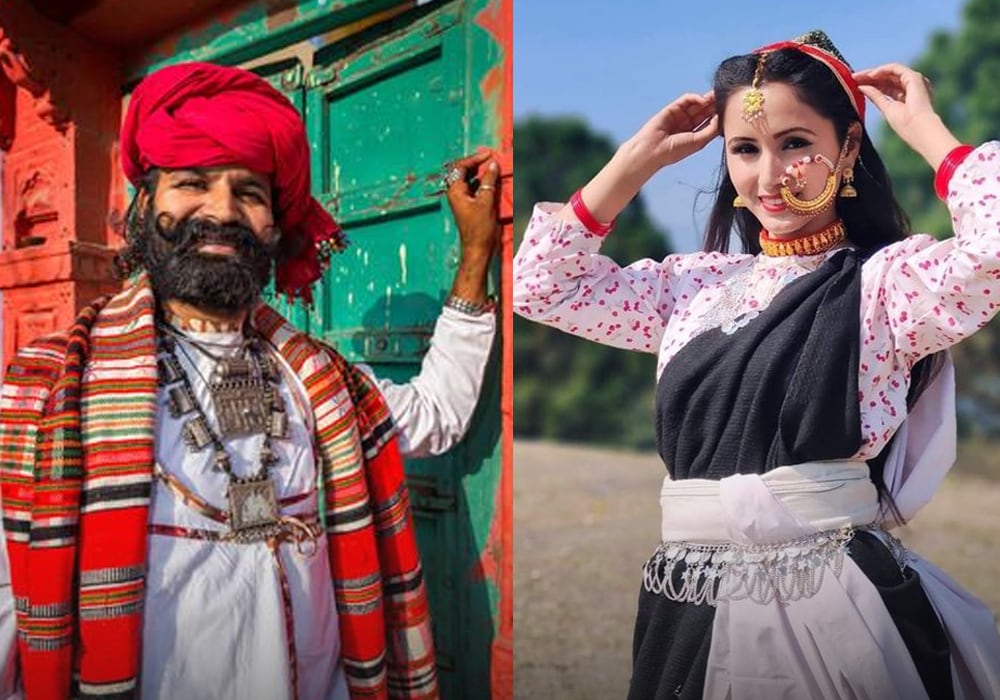
This central Indian state is a melting pot of diverse influences, ranging from the regal sophistication of the Maratha and Mughal courts to the raw, earthy vibrancy of its indigenous tribal communities. This unique blend is most visibly expressed in its textiles. Madhya Pradesh is the birthplace of the ethereal Chanderi and the regal Maheshwari fabrics textiles that are legendary for their delicacy and grace.
The state's hot, dry summers and cool winters have historically influenced a preference for fabrics that breathe. This necessity gave rise to the weaving of gossamer-thin cottons and silks that feel like a second skin. Today, the style of Madhya Pradesh is not just a relic of the past; it is a thriving source of inspiration for modern design, offering a perfect harmony of royal elegance and rustic charm.
Traditional Clothing / Ethnic Wear
The traditional attire of Madhya Pradesh is a study in contrasts. It ranges from the sheer, gold-bordered sarees of royalty to the bold, tattooed aesthetic of tribal life. As a rich expression of Indian wear, the clothing is designed to be practical for the central Indian climate while serving as a marker of identity and status.
Women’s Attire
For women, the saree is the undisputed queen of garments, but the specific weaves of Madhya Pradesh elevate it to an art form.
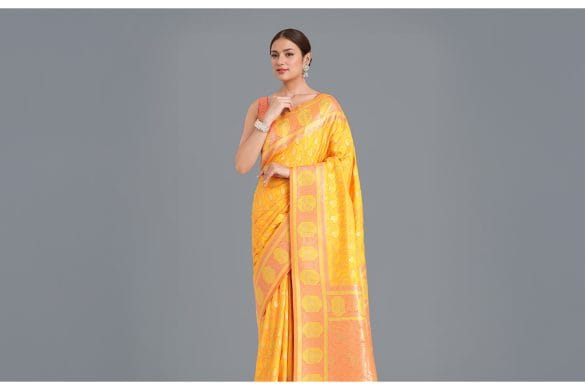
Chanderi Sarees: Originating from the historic town of Chanderi, these sarees are famous for their sheer texture, light weight, and glossy transparency. Traditionally woven with a mix of silk and cotton, they feature motifs like asharfi (gold coin), peacocks, and geometrics woven into the fabric using extra weft.
Maheshwari Sarees: A legacy of the warrior queen Ahilyabai Holkar, these sarees are known for their distinctive reversible borders (bugdi) that can be worn on both sides. They are slightly more opaque than Chanderis and are celebrated for their vibrant color combinations and unique pallu designs featuring stripes and checks.
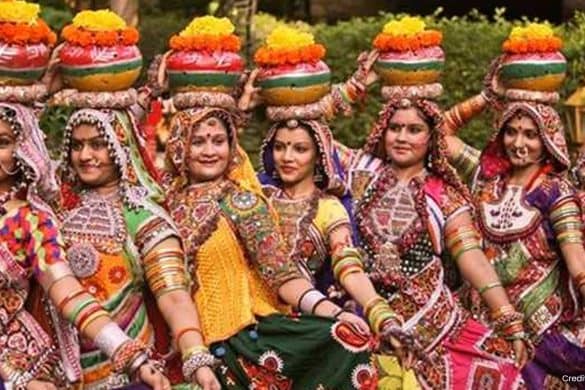
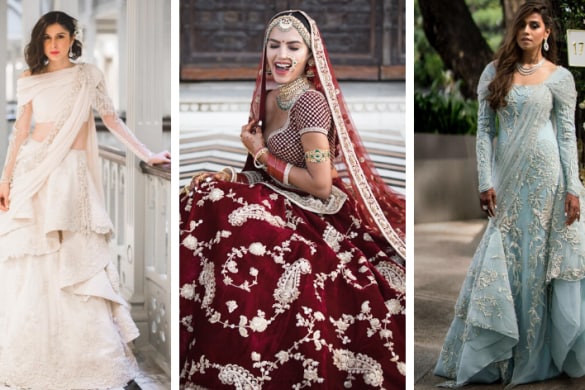
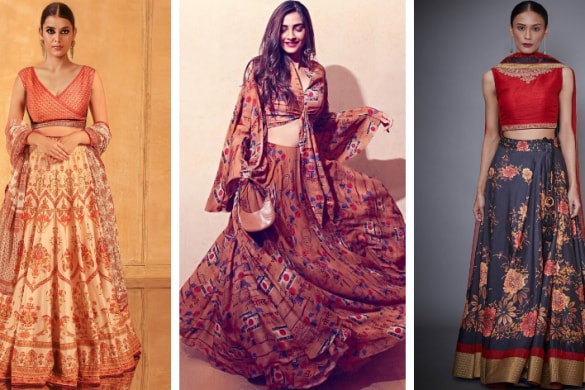
Lehenga-Choli: In rural and tribal areas, women often wear the lehenga-choli (skirt and blouse) accompanied by an odhani (veil). These are often made of sturdy cotton with bold prints or embroidery.
Fabrics and Colors: While silk is preferred for festivals, fine cotton is the fabric of daily life. The color palette is rich deep maroons, turmeric yellows, and forest greens are favorites, often accented with gold zari.
Men’s Attire
Men’s traditional fashion in Madhya Pradesh is dignified and deeply rooted in the agrarian and royal history of the region.
Dhoti and Kurta: The dhoti remains the standard lower garment, wrapped around the waist and legs. It is paired with a kurta or a bandi (jacket).
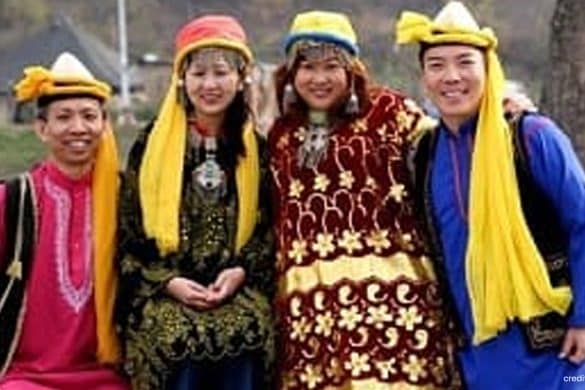
Safas (Turbans): The headgear is the most significant part of a man's ensemble. The Safa is a long strip of cloth wound around the head. The style of wrapping and the color often indicate the wearer's region and caste. In tribal areas, turbans are often adorned with feathers or mirrors.
Accessories: A gamchha or stole is often draped over the shoulder. In colder months, men wear the mirzai, a traditional jacket that originated in the royal courts.
Jewelry & Accessories
The jewelry of Madhya Pradesh is diverse, reflecting both courtly refinement and tribal boldness.
Tribal Ornaments: The tribal communities, such as the Gonds and Bhils, favor heavy silver and white metal jewelry. Ornaments include the hansli (choker), heavy anklets, and armlets. Tattooing is also a permanent form of adornment for many tribal women.
Silver Jewelry: Chunky silver jewelry is ubiquitous in rural Madhya Pradesh.
Beadwork: Intricate bead necklaces and belts are common, showcasing the craftsmanship of the local artisans.
Crafts, Textile Techniques & Prints
The true magic of Madhya Pradesh lies in the hands of its artisans. The state is home to weaving and printing techniques that have been perfected over centuries.
Chanderi Weaving
Chanderi fabric is often called "woven air" because of its lightness. The weaving process is intricate, using high-quality silk in the warp and fine cotton in the weft. The motifs are not printed but handwoven into the fabric using needles, a technique that requires immense skill and patience.
Maheshwari Weaving
The charm of Maheshwari fabric lies in its simplicity and elegance. Originally, these sarees were made of pure cotton, but today silk is also used. The designs are inspired by the detailing on the walls of the Maheshwar Fort. The signature element is the zari border and the five stripes on the pallu.
Bagh Printing
Bagh, a small town in the Dhar district, is famous for its unique block printing technique. Bagh prints use natural vegetable dyes, primarily red (from alizarin) and black (from iron filings). The fabric is treated and washed in the flowing waters of the Baghini River, which is believed to give the prints their specific lustre. The geometric and floral motifs are bold and repetitive, creating a mesmerizing visual rhythm.
Cultural Context – Lifestyle, Tradition & Heritage Influences
The fashion of Madhya Pradesh is a direct response to its environment. The central Indian summer is scorching, making the breathability of Chanderi and Maheshwari textiles a necessity rather than just a luxury. The light, airy weave allows air to circulate, keeping the wearer cool.
History plays a massive role in the state's style. The patronage of the Scindias of Gwalior and the Holkars of Indore ensured that textile arts flourished. Queen Ahilyabai Holkar personally designed the first Maheshwari saree, wanting a gift for royal guests that was both regal and comfortable.
Tribal heritage is the other pillar of influence. The Gonds, Bhils, and Baigas have a deep connection to nature, which is reflected in their clothing and art. Their motifs trees, animals, birds are not just decoration but a reverence for the natural world. Modesty and tradition also dictate styles, with the pallu of the saree or the odhani often used to cover the head as a sign of respect.
When & How These Styles Are Worn Today
While urbanization has brought jeans and t-shirts to cities like Bhopal and Indore, traditional textiles remain the heartbeat of cultural life.
Everyday vs. Special Occasions: Cotton Maheshwari and Bagh print sarees are popular choices for professionals and daily wear due to their comfort and understated elegance. For weddings, Diwali, and other festivals, the sheen of a silk Chanderi or a heavy silk Maheshwari with gold zari is preferred.
Modern Reinterpretations: Fashion designers are falling in love with Madhya Pradesh's textiles. Chanderi fabric is now used to make stylish tunics, scarves, and even sheer curtains. Bagh prints are appearing on modern silhouettes like palazzos, jackets, and tote bags.
Styling Tips:
The Royal Look: Pair a black and gold Maheshwari saree with antique silver jewelry for a look that screams sophistication.
Boho-Chic: Wear a Bagh print stole with a solid white kurta and jeans. Add silver tribal earrings to complete the look.
Office Elegance: A pastel cotton Chanderi suit is perfect for the workplace professional, comfortable, and stylish.
Why It Matters – Heritage, Identity & Fashion Inspiration
Preserving the crafts of Madhya Pradesh is about keeping a history alive. Every time you choose a handloom Chanderi over a factory-made synthetic, you are supporting a weaver whose family has practiced this art for generations. You are ensuring that the click-clack of the loom continues to echo in the narrow lanes of Chanderi and Maheshwar.
These traditional styles matter because they offer a counter-narrative to fast fashion. They are sustainable, rooted in culture, and timeless. The intricate motifs of Chanderi and the bold geometry of Bagh prints inspire global fashion by showing that true luxury lies in craftsmanship and detail.