Manipur, the "Jewel of India," is a land of rolling green hills, serene lakes, and a vibrant cultural tapestry that is as breathtaking as its landscape. Nestled in the northeastern corner of the country, it is a place where ancient traditions are not relics of the past but are lived every day. This is evident in its spirited festivals, the graceful movements of its classical dance, and most profoundly, in its stunning handwoven textiles.
What makes Manipuri style so captivating is its deep connection to identity and nature. The state is renowned for its distinctive handloom fabrics, where every motif and color tells a story. The attire, born from the practical needs of a life in hilly terrain and a humid climate, is a masterclass in elegant simplicity and functional design. From the wrap-around Phanek worn by women to the intricate weaves of its shawls, Manipuri textiles are a language of their own.
This rich heritage, shaped by a history of royalty, tribal customs, and a deep reverence for the natural world, is now capturing the imagination of contemporary designers. The bold geometric patterns and vibrant colors of Manipuri weaves are inspiring modern fashion, proving that this ancient art form is as relevant today as it has ever been.
Traditional Clothing / Ethnic Wear
Manipuri attire is a beautiful expression of cultural identity, characterized by its unique draping styles, intricate weaving, and symbolic motifs. As a refined form of Indian wear, it is designed for comfort and practicality while showcasing the exceptional skill of its weavers.
Women’s Attire
The traditional dress for women in Manipur is elegant, vibrant, and deeply rooted in cultural symbolism.
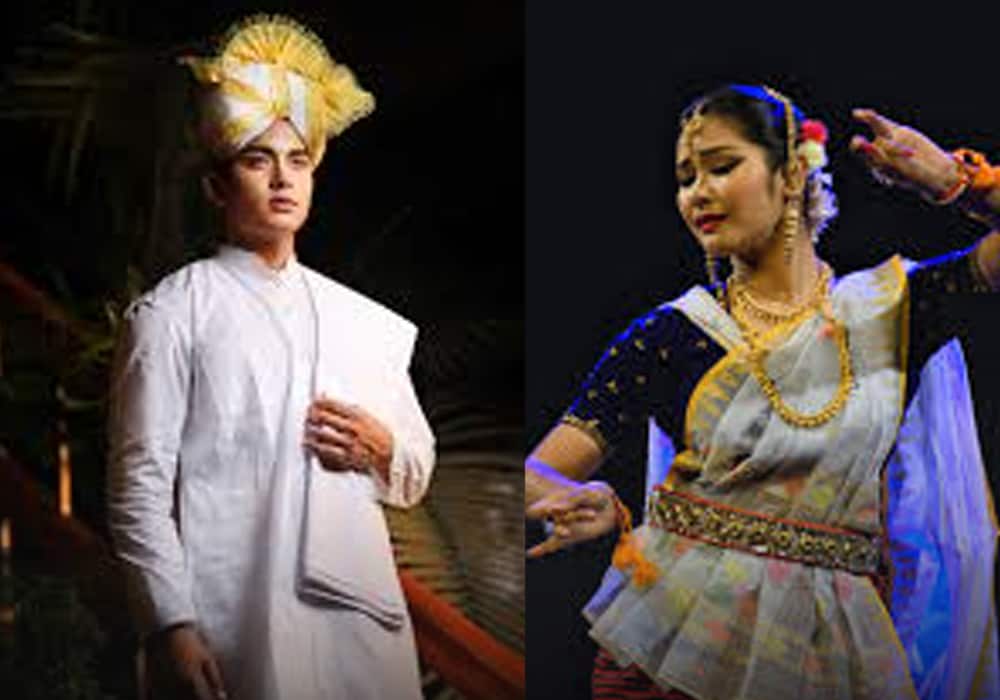
- Phanek: This is the quintessential garment for Manipuri women, a wrap-around skirt similar to a sarong. It is typically made of cotton or silk and comes in various colors and patterns, often with horizontal stripes. The style and motifs can signify the wearer's community and marital status.
- Innaphi: The Phanek is always paired with an Innaphi, a delicate and often translucent shawl or stole that is draped gracefully over the upper body. It is similar to a dupatta and is usually made of fine cotton or silk.
- Potloi (Dance Costume): The most spectacular outfit is the Potloi, the costume worn for the Ras Leela classical dance. It is a stiff, cylindrical skirt, ornately decorated with mirrors, sequins, and embroidery, creating a dazzling and otherworldly effect.
Men’s Attire
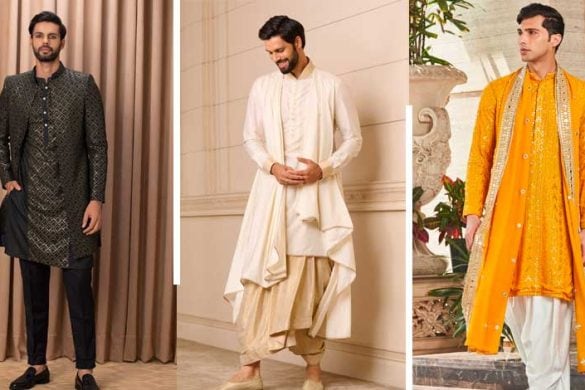
The traditional attire for men is simple, dignified, and reflects the state's martial and agrarian heritage.
- Dhoti: The standard lower garment is the dhoti, often worn in a specific way that allows for freedom of movement. It is typically white or off-white.
- Kurta and Jacket: The dhoti is paired with a simple kurta. For formal occasions, a sleeveless jacket, often in a dark color like black or deep blue, is worn over the kurta, adding a touch of formality.
- Headgear: The turban, or Pagri, is an essential accessory, especially for formal events and ceremonies. The way it is tied can signify rank and community.
Jewelry & Accessories
Manipuri jewelry is often inspired by nature and is crafted from a variety of materials, reflecting the diverse tribal influences within the state.
- Beaded Necklaces: The tribal communities are known for their stunning multi-stranded necklaces made from colorful glass beads, seeds, and sometimes coins.
- Liksoi: A traditional earring worn by women, often made of gold or other metals, that has a unique, intricate design.
- Tribal Ornaments: Many communities wear heavy ornaments made of brass, silver, and other metals, including chunky bracelets and anklets.
Crafts, Textile Techniques & Prints
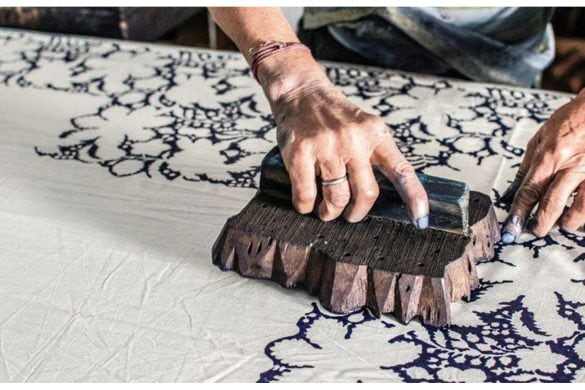
The heart and soul of Manipuri style lie in its ancient and highly skilled handloom weaving tradition. The loom is a part of almost every household, and the art is passed down through generations.
- Loin Loom Weaving: The traditional method of weaving, especially in the hill tribes, is the loin loom (or back-strap loom). This simple, portable loom is tied to the weaver's back, allowing them to create intricate patterns with incredible precision.
- Symbolic Motifs: Manipuri textiles are rich with symbolism. Common motifs are inspired by nature and mythology, including the Hijamayang (a boat-like pattern), temple designs, and various geometric shapes. The Moirang Phee is a famous textile with a distinctive temple motif woven into its border.
- Natural Dyes: Traditionally, weavers used dyes derived from natural sources like plants, roots, and bark to create the vibrant colors seen in their textiles, although synthetic dyes are also used today.
Cultural Context – Lifestyle, Tradition & Heritage Influences
The clothing and crafts of Manipur are deeply connected to its geography and history. The hilly terrain and active lifestyle of the people necessitated practical and unstitched garments like the Phanek and dhoti, which allow for ease of movement. The humid climate makes breathable cotton the fabric of choice for daily wear.
Manipur has a rich history with a long lineage of kings, and royal patronage was crucial in elevating the art of weaving. Specific motifs and colors were often reserved for royalty, creating a visual hierarchy in clothing. The state is also home to numerous tribes, each with its own distinct weaving patterns and color combinations, making textiles a primary marker of community identity.
Traditions of modesty and grace are reflected in the elegant draping of the Innaphi and the respectful way attire is worn during religious ceremonies and festivals. Events like Lai Haraoba and Yaosang (Holi) are vibrant showcases of this rich sartorial heritage.
When & How These Styles Are Worn Today
While modern clothing is common in urban areas like Imphal, traditional attire remains a vital part of cultural life.
- Everyday vs. Special Occasions: Simple cotton Phaneks are still worn by many women for daily activities. For weddings, festivals, and other ceremonies, women wear their finest silk Phaneks, often the Moirang Phee or other intricately woven designs, paired with a matching Innaphi.
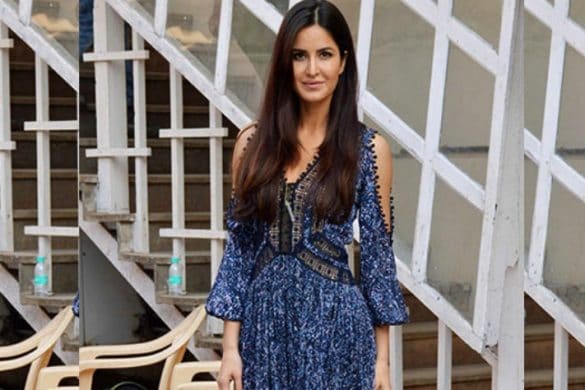
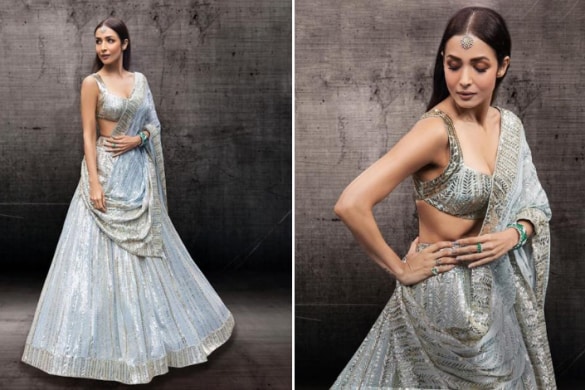
- Modern Reinterpretations: The bold and beautiful textiles of Manipur have caught the eye of contemporary designers. The patterns are being used to create modern dresses, jackets, scarves, and bags. The Innaphi is being styled as a chic scarf or stole with western outfits.
- Styling Tips:
- Use a vibrant Manipuri handwoven scarf or stole to add a pop of color and texture to a simple, solid-colored outfit.
- Pair a modern top with a traditional handloom skirt for a stylish fusion look.
- Incorporate a piece of tribal beaded jewelry, like a statement necklace, to add an artisanal, bohemian touch to your ensemble.
Why It Matters – Heritage, Identity & Fashion Inspiration
Preserving the handloom traditions of Manipur is about safeguarding a unique cultural identity and supporting the thousands of weavers, mostly women, for whom this is a way of life and a primary source of income. Each handwoven fabric is a piece of living heritage, carrying stories and symbols that have been passed down for centuries.
In an era of fast, mass-produced fashion, the authentic, handcrafted, and sustainable textiles of Manipur offer a powerful and meaningful alternative. They provide a rich source of inspiration for global fashion, showcasing how bold geometric patterns and vibrant color stories can be woven into a modern lifestyle with grace and authenticity. Supporting these crafts is an investment in cultural continuity and female entrepreneurship.
Conclusion / Call-to-Action
Manipur's stylistic heritage is a compelling narrative of nature, community, and artistic brilliance. From the elegant drape of the Innaphi to the symbolic weaves of the Phanek, every element speaks of a land that is proud of its history and deeply connected to its artistic roots.
We encourage you to explore this world of vibrant elegance and intricate craftsmanship. Consider adding a piece of Manipur's magic to your wardrobe, whether it’s a timeless handwoven shawl, a stylish modern garment made from Manipuri fabric, or a unique piece of beaded jewelry. By doing so, you are not only embracing a beautiful and powerful aesthetic but also helping to celebrate and sustain a magnificent cultural legacy.