The most flattering mother of the bride Indian outfit ideas move away from heavily structured, dark-toned silhouettes and toward refined fabrics, contemporary cuts, and softer color palettes. Sarees, anarkalis, pant sets, and draped gowns in silk, georgette, and organza all deliver elegance without the stiffness that ages an outfit unnecessarily.
The mother of the bride has one of the most visible roles at an Indian wedding—photographed at every function, standing next to the bride for portraits, greeting guests throughout the day. Yet the outfit guidance available online often skews toward either overly traditional choices or styles that feel more matronly than modern.
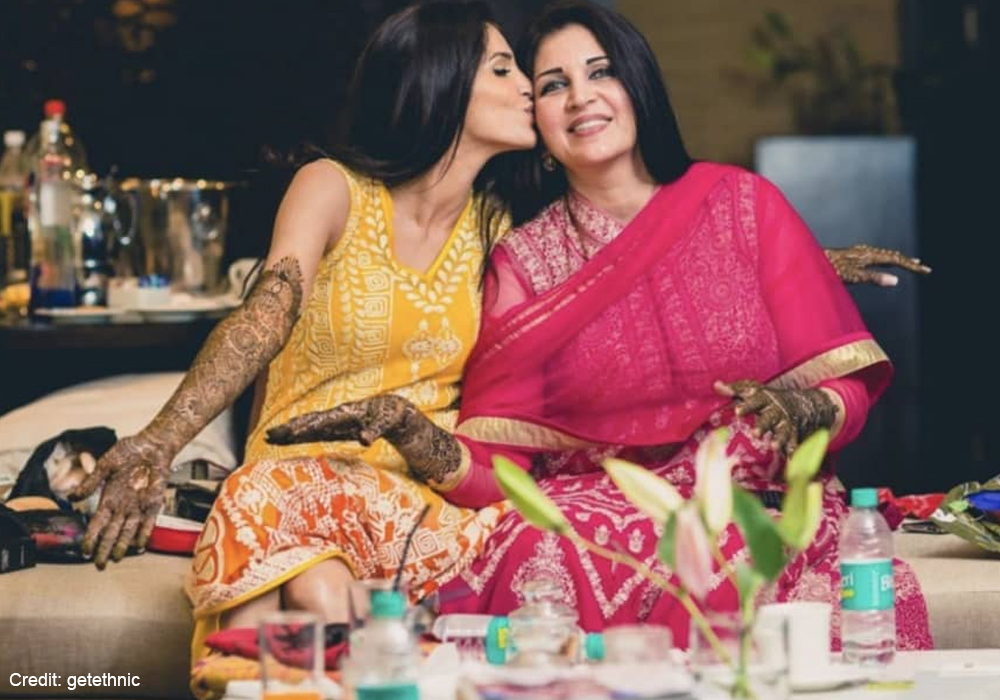
This guide covers what actually works: silhouettes, fabrics, colors, and function-by-function recommendations that feel current, elegant, and genuinely flattering.
What Makes a Mother of the Bride Outfit Feel Modern?
The difference between a matronly look and a modern one usually comes down to three factors: silhouette, fabric weight, and color.
Heavy brocade in a high-neck blouse with a stiff pleated saree reads as dated. The same saree story told in a fluid silk or georgette—with a contemporary blouse cut and softer drape—reads as refined and current. Fit matters, too. Structured tailoring that skims the body without over-compressing it looks more polished than either overly voluminous or extremely fitted styles.
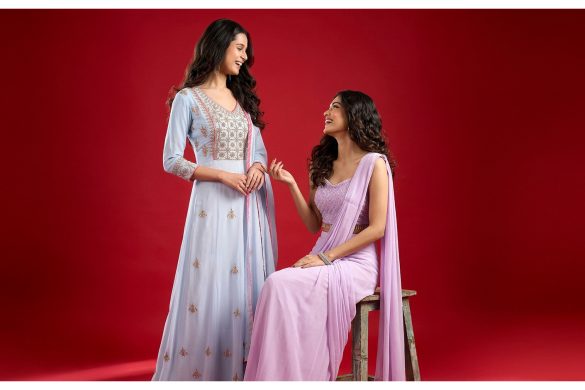
For color, move beyond the instinct to reach for dark, "safe" tones. Dusty rose, sage, lavender, powder blue, warm ivory, and champagne all photograph beautifully and feel distinctly modern.
What Are the Best Silhouettes for the Mother of the Bride?
Sarees
A well-draped saree remains one of the most elegant and age-appropriate choices for any function. For a modern interpretation, prioritize georgette, organza, or silk crepe over heavy Banarasi brocade at functions where ease of movement matters. Pre-draped sarees are particularly worth considering—they deliver the same silhouette without the effort of re-draping between functions.
Anarkalis
Floor-length anarkalis in lightweight fabrics are among the most universally flattering choices. The silhouette is elongating, forgiving across a range of body types, and reads as formal without requiring the coordination a lehenga demands. Embroidery at the neckline or hemline—rather than all over—keeps the look refined rather than heavy.
Pant Sets and Kurta Sets
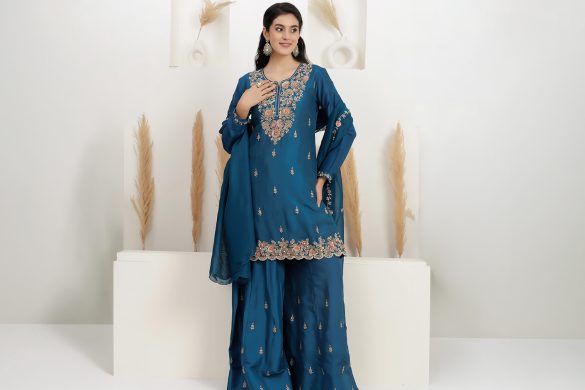
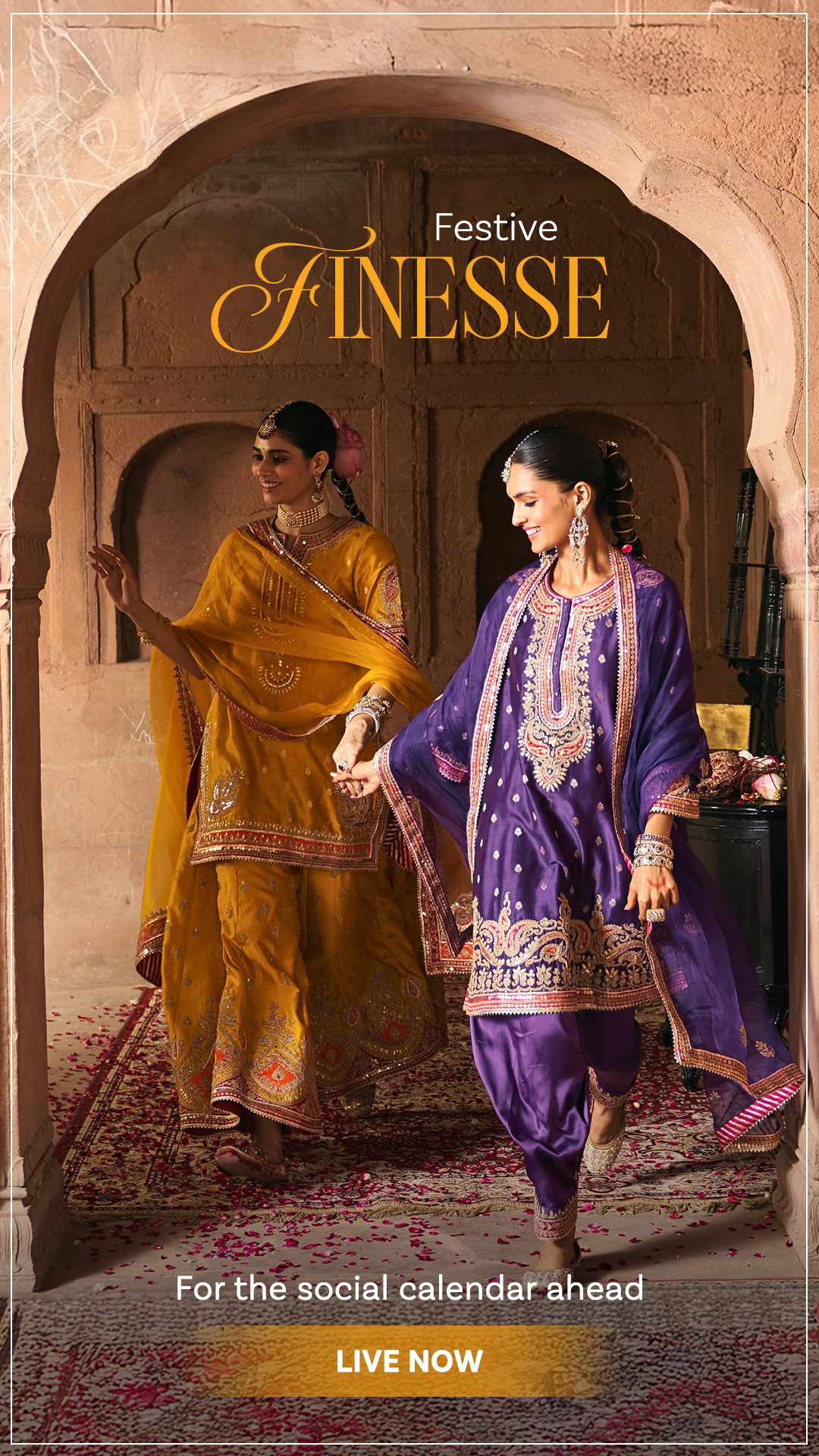
Pant sets and structured kurta sets have become genuinely strong options for mothers of the bride who prefer a tailored look. A well-cut kurta paired with wide-leg palazzos or fitted straight trousers in a tonal color combination looks current and polished—particularly effective for sangeet and reception functions.
Draped Gowns
An embellished gown with a draped silhouette bridges Indian occasion wear and contemporary dressing in a way few other styles manage. For reception functions especially, a floor-length gown in silk or embroidered chiffon allows for ease of movement while making a clear style statement.
What to Wear to Each Wedding Function
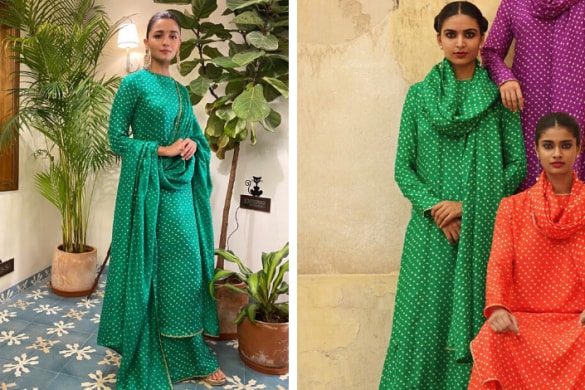
Mehendi: Keep it relaxed and colorful. A printed kurta set or sharara set in soft greens, yellows, or peach suits the daytime energy without over-dressing.
Sangeet: This is the function with the most creative room. Embroidered anarkalis, sharara sets, and silk kurta sets all work well. Prioritize silhouettes that move freely on the dance floor.
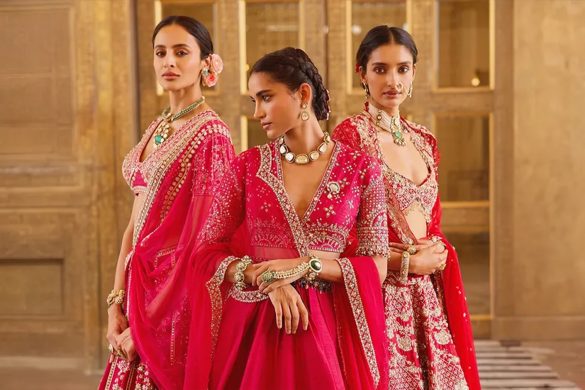
Ceremony: The most formal function calls for your strongest outfit. A silk or georgette saree, a rich lehenga in a non-bridal color, or a floor-length anarkali with fine embroidery are all appropriate. Keep embellishment elevated but clearly one tier below the bride's.
Reception: Slightly more flexibility here. A draped gown, a contemporary pant set, or a pre-draped saree all read as stylish and considered for an evening function.
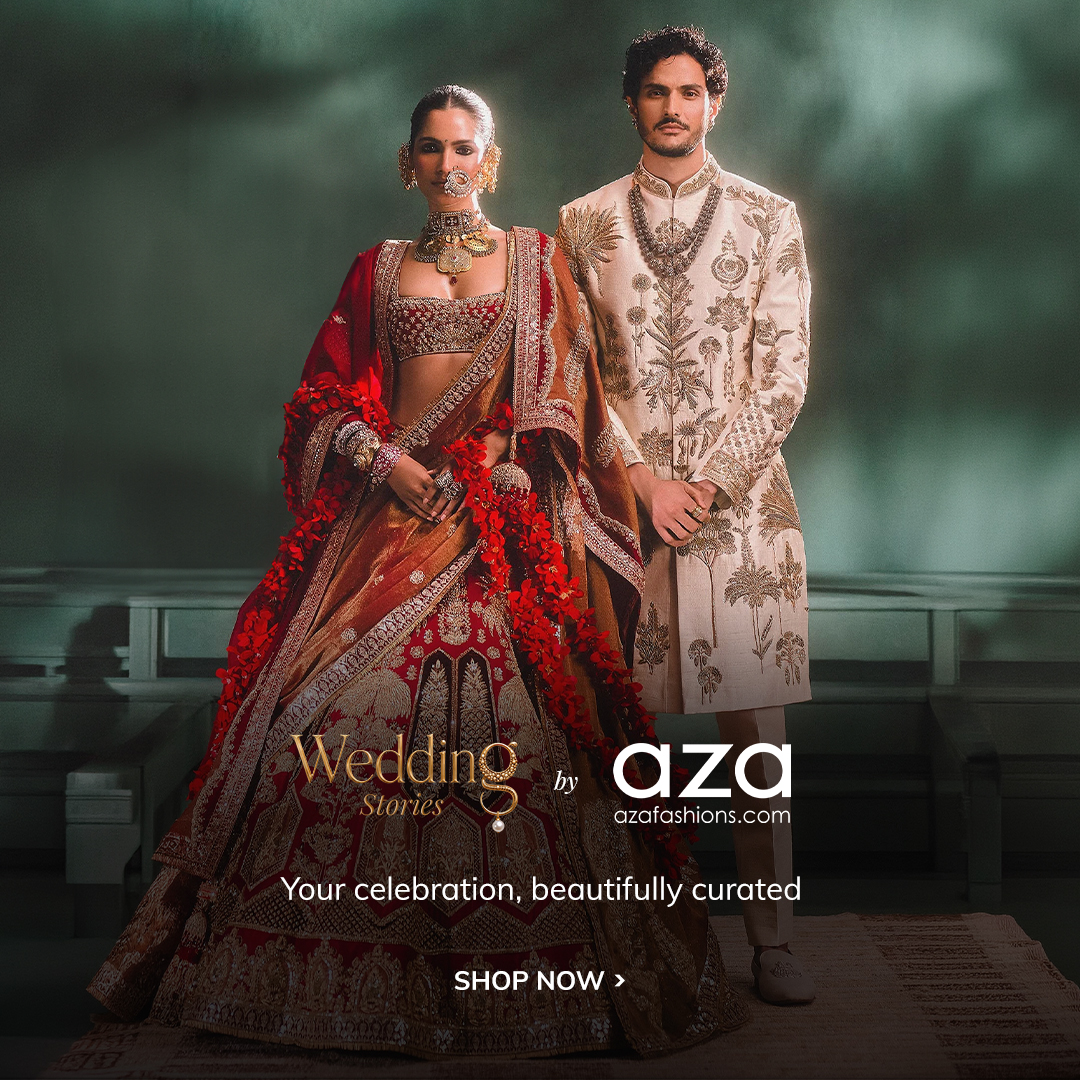
Shop Mother of the Bride Looks at Aza Fashions
Aza Fashions' Celebration Closet includes outfit options across every wedding function, with new arrivals added regularly from leading Indian designers. Browse sarees, lehengas, anarkalis, gowns, pant sets, and kurta sets to find the right look for each function.
Frequently Asked Questions
What should the mother of the bride wear to an Indian wedding?
The mother of the bride typically wears a saree, anarkali, lehenga, or pant set—scaled to the formality of each function. Choose fabrics and silhouettes that feel current rather than heavily traditional, and keep your look one notch below the bride in terms of embellishment and color.
What colors should the mother of the bride avoid at an Indian wedding?
Avoid red, which is traditionally reserved for the bride. White and black are also generally avoided as guest colors at Indian weddings. Dusty rose, sage, lavender, champagne, and powder blue are all modern, flattering alternatives.
Is a lehenga appropriate for the mother of the bride?
Yes, a lehenga is entirely appropriate, particularly for the ceremony. Choose a non-bridal color and keep the embellishment refined rather than maximalist. Silk and georgette lehengas in muted tones tend to photograph more elegantly than heavily embellished bridal-adjacent styles.
What Indian outfit is most flattering for the mother of the bride?
A floor-length anarkali or draped saree in a lightweight fabric—georgette, silk crepe, or organza—tends to be the most universally flattering choice. Both silhouettes elongate the figure, move well, and translate across multiple functions with styling adjustments.
Can the mother of the bride wear a gown to an Indian wedding?
An embellished Indo-Western gown is a strong choice for reception functions. It reads as formal and elegant while offering more comfort and ease of movement than a traditional lehenga or heavily structured saree.