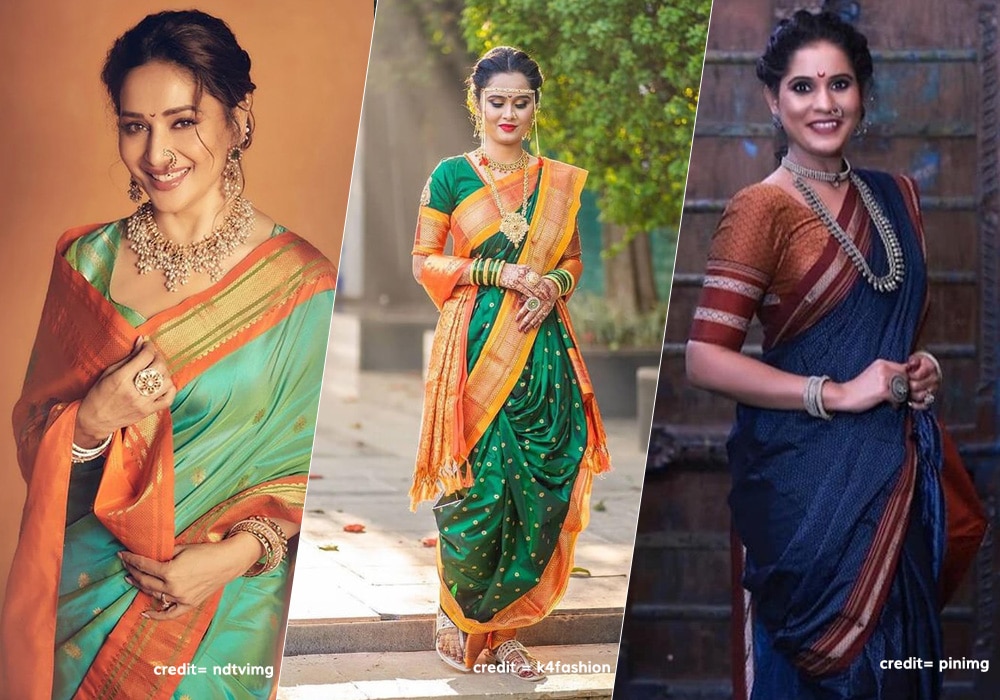
 When you think of a saree, you usually picture a six-yard fabric draped elegantly over a petticoat. But in the vibrant state of Maharashtra, the saree takes on a fiercer, more dynamic form. This is the Nauvari Saree, a nine-yard marvel that challenges the conventional definition of Indian ethnic wear. Unlike traditional sarees that restrict movement, the Nauvari is designed for action. It is draped like a trouser, allowing women to ride horses, work in fields, and even fight battles. Today, it stands as a symbol of strength and tradition, worn with pride by Maharashtrian brides and women during festivals like Ganesh Chaturthi. In this guide, we will explore the fascinating history of the Nauvari saree, the secrets behind its unique draping style, and how it has evolved from a warrior's attire to a modern fashion statement.
What is a Nauvari Saree?
The word "Nauvari" translates to "nine yards." While a standard saree is six yards long, the Nauvari requires an extra three yards to achieve its distinct draping style. What makes it truly unique is that it is worn without a petticoat. Instead, it is draped in a style called Kashta, where the pleats are tucked at the back. This gives the saree a trouser-like appearance, similar to a male dhoti. This practical design offers unmatched freedom of movement, making it one of the most comfortable traditional outfits in India.A Warrior’s Legacy: Tracing the History
The origin of the Nauvari saree is steeped in the history of the Maratha Empire. During the Peshwai rule, women were not just confined to their homes; they were active participants in society and, during times of crisis, even in warfare. It is said that the style was popularized by Maratha warrior princesses. To fight alongside men on horseback, they needed an outfit that allowed them to straddle a horse comfortably while maintaining their modesty. The flowing skirts of a regular saree would have been impractical. Thus, the trouser-style drape was invented. This utilitarian spin on the saree allowed women to be fierce warriors without giving up their traditional attire. Over time, this drape became the standard attire for Marathi women, symbolizing capability and equality.The Art of Draping: How to Wear a Nauvari
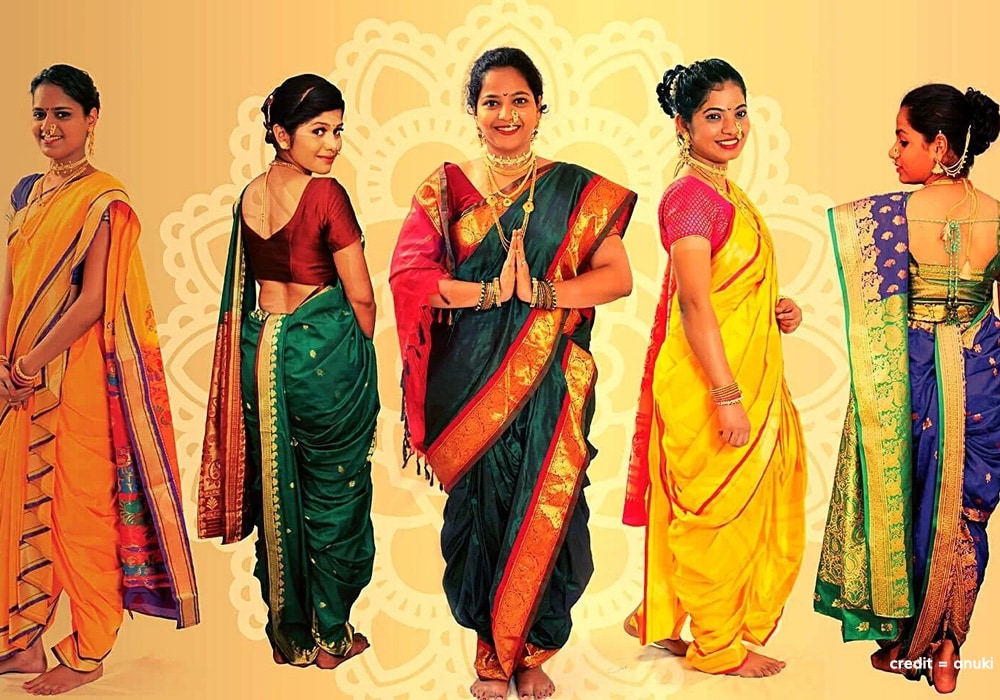 Draping a Nauvari is an art form. Unlike regular sarees, you don't need a petticoat. Instead, many modern women wear comfortable cycling shorts or leggings underneath.