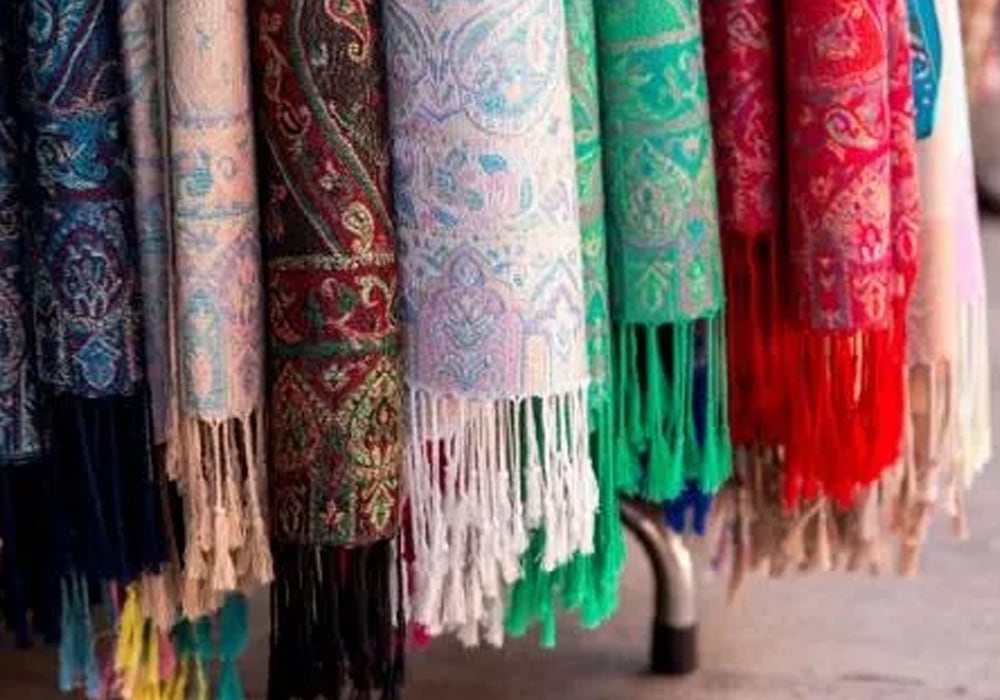
 In the world of textiles, few names carry as much weight as Pashmina. It is a word synonymous with luxury, warmth, and timeless elegance. Worn by royalty and coveted by fashion lovers for centuries, a true Pashmina is more than just a shawl—it is a piece of art, a symbol of heritage, and a whisper of Himalayan magic. But what exactly is Pashmina, and what makes it so special? While many fabrics claim to be soft, Pashmina exists on another level of delicacy. Its story travels from the highest mountain ranges to the skilled hands of Kashmiri artisans. This guide will walk you through the fascinating journey of Pashmina, from its origins and intricate creation process to its enduring status in the modern world.
What is Pashmina?
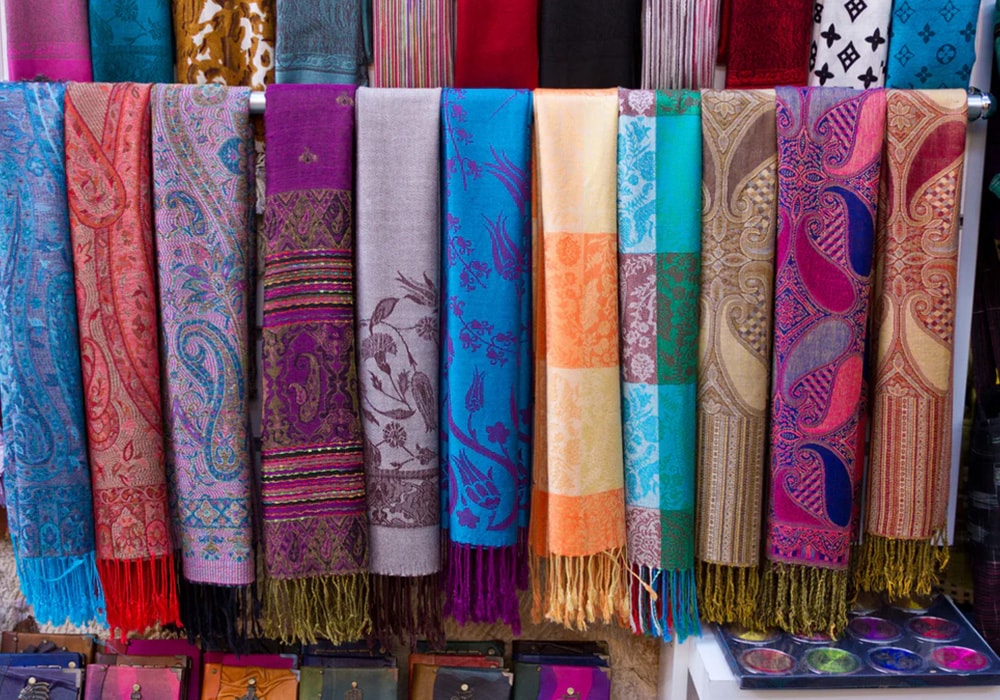 Pashmina is an exceptionally fine type of cashmere wool. The name itself comes from the Persian word "Pashm," which simply means "wool." However, this is no ordinary wool. It is sourced from the undercoat of a specific goat breed, the Changthangi goat. These remarkable goats are not found everywhere. They live at altitudes above 14,000 feet in the harsh, freezing climates of the Himalayas, specifically in the Ladakh region of India, Tibet, and parts of Nepal. To survive the extreme cold, the Changthangi goats grow a double fleece: a coarse outer layer of guard hair and a soft, downy undercoat. This undercoat is the source of Pashmina fibers. The fibers are incredibly fine—about 12-15 microns in diameter. To put that in perspective, a human hair is about 75 microns thick. This fineness is what gives Pashmina its legendary softness and lightweight feel, while its unique molecular structure provides exceptional warmth.
A Journey Through History: The Royal Lineage
The history of Pashmina is as rich and luxurious as the fabric itself. Its story is deeply intertwined with the history of Kashmir and the Mughal Empire.The Mughal Connection
While the craft existed in Kashmir for centuries, it was during the Mughal era in the 15th and 16th centuries that Pashmina truly flourished. Legend says that the Mughal Emperor Akbar was a great admirer of Pashmina shawls and gifted them to his wives, making them a symbol of royalty and nobility within his court. The shawls became a mandatory part of the royal wardrobe, signifying status and wealth.European Fascination
The fabric's fame soon traveled beyond India. European merchants and aristocrats who visited the Mughal courts were captivated by its softness and warmth. Napoleon Bonaparte is famously said to have presented a Pashmina shawl to his wife, Empress Joséphine. She was so enchanted by it that she reportedly collected hundreds of them, popularizing the "cashmere" shawl among the French elite and creating a huge demand across Europe. For centuries, Kashmiri artisans perfected the craft, transforming the raw wool into intricately woven and embroidered masterpieces that were treasured by kings, queens, and nobles across the globe.The Art of Making Pashmina: From Goat to Garment
Creating a single Pashmina shawl is an incredibly long and painstaking process. It involves multiple stages and relies entirely on the traditional skills of artisans. The entire process, from collecting the wool to the final weave, is done by hand.1. Harvesting the Wool
The process begins in the high-altitude plateaus of Ladakh. The Changthangi goats naturally shed their winter undercoat in the spring. Herders, known as the Changpa nomads, gently comb this fleece from the goats' necks and underbellies. This is a delicate process done without harming the animals. It is a symbiotic relationship, as combing helps the goats stay comfortable as the weather warms.2. Sorting and Cleaning
Once collected, the raw fleece is a mix of coarse outer hair and the precious fine undercoat. This is where the meticulous work begins. The fibers are painstakingly sorted by hand to separate the fine Pashmina from the thicker guard hairs. This is a crucial step that requires immense patience and a trained eye, as any coarse fiber left behind will compromise the final product's softness.3. Spinning the Yarn
The cleaned Pashmina fibers are then hand-spun into yarn. This is traditionally done by women on a spinning wheel called a 'charkha'. The fibers are so delicate that they can break easily, so machine spinning is not an option for authentic, high-quality Pashmina. The spinner's skill determines the evenness and strength of the yarn.4. Weaving the Fabric
The spun yarn is then sent to the weavers. They set up the yarn on a traditional wooden handloom. The weaving process itself is an art form. The weaver works with incredible precision, passing the shuttle back and forth to create the fabric. A simple, plain shawl can take several days to weave, while one with intricate patterns can take months.5. Dyeing and Finishing
After the shawl is woven, it is washed and then dyed, often using natural colors. The final step might involve adding embroidery. Kashmiri 'Sozni' embroidery, a type of delicate needlework, is often used to create elaborate floral and paisley patterns on the shawls, further enhancing their beauty and value.The Significance of Pashmina
Pashmina is more than just a luxury item; it is a symbol of culture, heritage, and incredible craftsmanship.- A Sign of Nobility: Historically and even today, owning a genuine Pashmina is seen as a sign of sophistication and wealth.
- A Work of Art: Each Pashmina is a unique creation, reflecting the skill and soul of the artisans who made it. The time and effort invested make each piece a treasured heirloom.
- Sustainable Livelihood: The entire Pashmina industry supports a vast community of people, from the nomadic Changpa herders in Ladakh to the spinners, weavers, and embroiderers in the Kashmir Valley. Buying authentic Pashmina helps preserve this ecosystem and their traditional way of life.
Pashmina in the Modern World
Despite being an ancient craft, Pashmina has seamlessly adapted to the modern fashion landscape. It remains a timeless and highly sought-after accessory.A Classic Wardrobe Staple
A Pashmina shawl or scarf is a versatile accessory. It can elevate a simple outfit, provide warmth on a chilly evening, or add a touch of elegance to formal wear. Its lightweight nature makes it easy to carry and drape.Modern Designs and Uses
While the traditional shawls remain popular, designers are constantly finding new ways to use this luxurious fabric. Today, you can find Pashmina in the form of:- Stoles and scarves in contemporary colors and patterns.
- Elegant sweaters, cardigans, and capes.
- Luxurious throws and blankets for home decor.